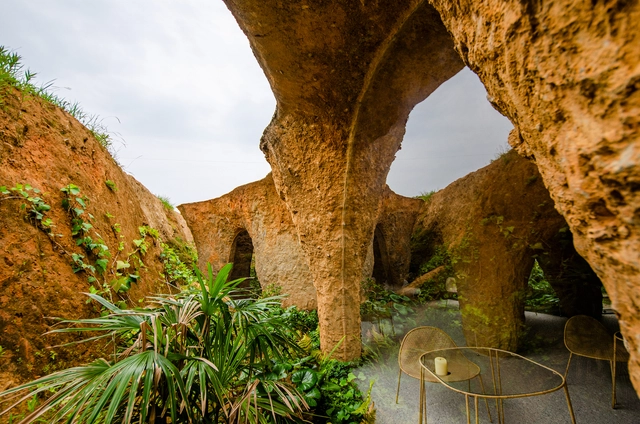
Casa & Restaurante / junya ishigami + associates. Image Cortesia de junya ishigami + associates
In the dawn of humanity, communities instinctively organized themselves based on local conditions, available resources, and their way of life. While nomadic groups created solutions for temporary occupation—often carrying shelters among their belongings—settled groups also developed ways to occupy available spaces, establishing construction techniques that have evolved to this day.
One such way of dwelling, which conventional architecture eventually sidelined—to the point of it acquiring a fantastical status in popular culture—was the occupation of cavernous or excavated spaces. Yet, this remains an ancient practice that leverages vernacular techniques to adapt to climate conditions and expand architectural possibilities.
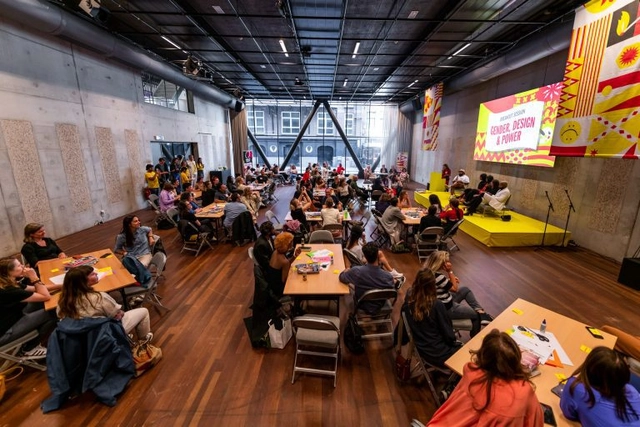
As part of the agenda of What Design Can Do (WDCD)—an international organization that seeks to accelerate the transition to a sustainable and just society using the power of design—a series of events and conferences took place in Amsterdam during 2022, bringing together speakers from all over the world to present their projects and perspectives on the current challenges facing the design community today.
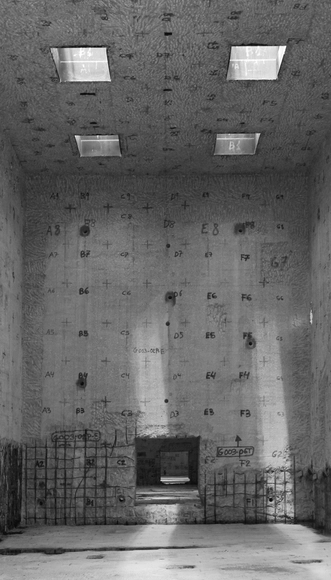
The last few decades have yielded a renewed conception of the ruin, shaped by the logic of contemporary society. These ruins can be found, for example, in the demolition of industrial buildings on a colossal scale. Yet they are stripped of their historical and enigmatic values, since we have witnessed their birth and coexisted with them in the present.
https://www.archdaily.com/1136223/toward-an-aesthetic-of-destruction-dismantling-at-the-vandellos-nuclear-power-plantCarlos Gonzalvo Salas
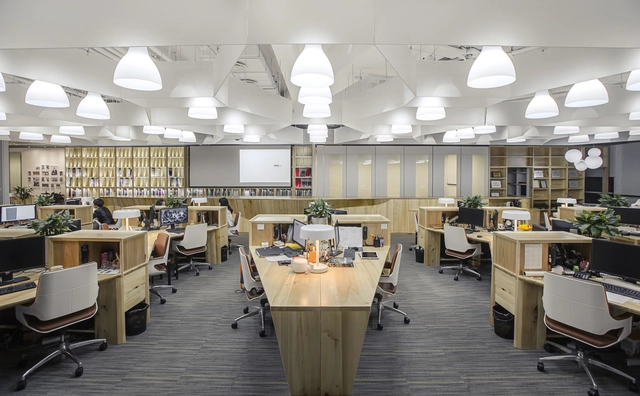
DDB Architects (Shanghai) was founded in 1998 by Professor Xiang Bingren. Since its inception, influenced by a strong academic background, the firm has adhered to the core philosophy of "culture-led design, creative value enhancement." This approach manifests as a multifaceted contemplation of culture across diverse design typologies, driving continuous creative momentum. Positioning itself as a highly specialized, professional, and lean, top-tier architectural design team, the firm is committed to pursuing both academic and artistic excellence in architecture. Over more than 20 years of deep industry engagement, the firm has maintained an urban perspective. It has accumulated extensive project experience, professional expertise, and a robust client base across seven key sectors: supertall complexes, offices and corporate headquarters, urban renewal, commercial spaces, cultural landmarks, bespoke hospitality spaces, and customized residential spaces. Through high-caliber design creativity, professional quality, and attentive, personalized service, DDB has established an outstanding market reputation.
The firm features a mature innovation and research system, a lean design methodology, and an integrated design workflow. Innovation and Research System: Centered on talent development and brand building, the firm has conducted a series of distinctive explorations and practices across platforms such as R&D, team knowledge management, and media communication. By integrating R&D platforms with design practice, design and management are closely linked to drive iterative upgrades.
Lean Design System: Utilizing its proprietary, meticulous curtain wall control methodology, the firm manages façade design with scientific rigor, allowing for highly targeted cost optimization.
Integrated Design: With an integrated design matrix, the firm possesses design capabilities across architecture, landscape, and interior design, alongside the perspective and capacity to address related technical challenges. Additionally, by collaborating with a network of leading domestic technical partners and consultants, DDB has formed a multidisciplinary design matrix to deliver highly professional solutions tailored to clients' specific needs.
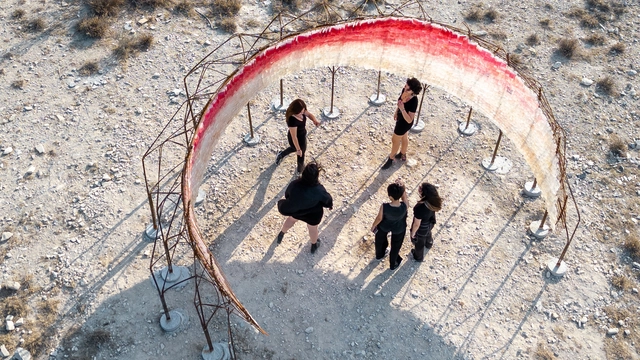
The Centro de Estudios Superiores de Diseño de Monterrey (CEDIM) presented "Cámara Clara," an installation that seeks to dialogue with the sun within the semi-arid landscape of the northern city of Monterrey, Mexico. This ephemeral installation, created by CEDIM students, does not fight against the sun, as architecture so often does, but rather celebrates its presence and orbital rhythms, allowing viewers to contemplate it through its skin from a precise central vantage point within the structure.
What does it mean for the Costa Rican Architecture Biennial to have reached sixteen editions? Clearly, it represents a significant accumulation of exhibitions, conferences, and diverse programs that reflect the concerns and shifts in the country's architectural agenda over the past three decades.
'A Project of Trends: 30 Years of Architecture Biennials in Costa Rica' is the exhibition at the Museum of Contemporary Art and Design (MADC) that reviews this trajectory in detail, under the precise curation of Paz Monge Cortés and José Daniel Picado-García.
Since the pandemic, urban issues have become more pressing than ever for many people in Latin America. COVID-19 triggered a turbulent shift in the real estate market, driven both by speculation in second-home markets and the influx of “digital nomads” in cities like Medellín, Buenos Aires, and Mexico City.
From fire in prehistoric caves to public lighting in smart cities, illumination has constantly evolved alongside technological advancements. In recent years, however, it has begun to shift even more significantly in terms of design and functionality, driven by a growing awareness of its impact on the environment and human health.
What comes to mind when you think of technology? Of all the words that pop into your head, "ancient" probably isn't one of them. We tend to think of technology as something that belongs to the future.
In a world where high-tech solutions are virtually synonymous with development, Julia Watson has taken the opposite approach. The New York-based Australian designer has spent much of her career traveling to indigenous communities in the most remote parts of the world—from Benin to Iraq—to study how we can apply their ancient innovations to our planet's contemporary environment.
The role of fire in human development is undeniable. Our ancestors leveraged this discovery to cope with low temperatures, protect themselves from predators, and cook food to make it more digestible. Over time, the ritual of cooking evolved from a simple open-air campfire to enclosing fire within chambers. These chambers gradually became more sophisticated over the years, eventually transforming into the complex, modern elements that served as the starting point for the emergence of kitchens as social architectural spaces.
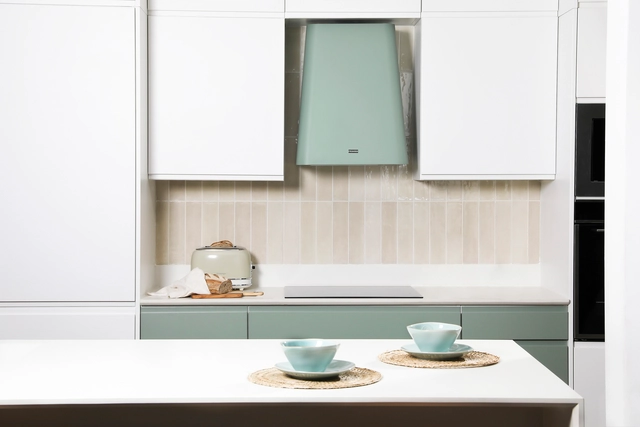
Regardless of its size or layout, the kitchen as a shared space has preserved its ritualistic nature to this day. In ancient times, we gathered around the fire to prepare food and tell stories; today, we meet in our home kitchens to connect with one another. The importance of this space in daily life is enhanced by kitchen furniture lines like Wasser, a brand distributed by CHC that balances aesthetics and functionality, conceiving kitchens as utilitarian and social spaces, with special attention paid to design.
https://www.archdaily.com/1136132/5-modular-kitchen-styles-and-how-to-combine-themEnrique Tovar
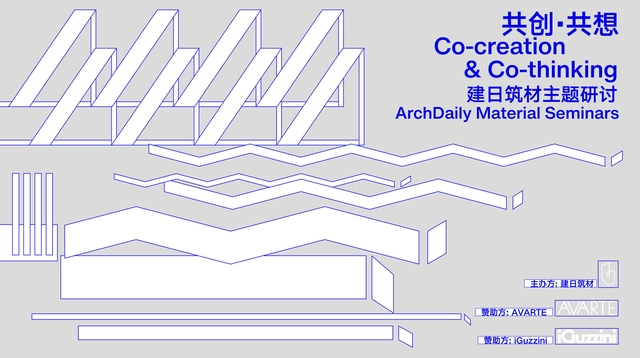
On December 10, 2022, ArchDaily successfully hosted the inaugural "Co-Creation & Co-Ideation" forum for ArchDaily Building Materials (Jianri Zhucai). The event featured seven guest speakers who shared their stories about materials: Libin Chen (Partner at David Chipperfield Architects Shanghai), Jing Lin (Senior Project Architect / Associate Director at SHL Architects), Shuangquan Ni (Marketing Director at Avarte), Yi Yao (Deputy General Manager of the Design Management Department of China Resources Land East China Region), Zhou Qing (Deputy General Manager and Design Director at GOA), Isabel (Residential Project Manager at iGuzzini), and Chunyan Cai (Principal of Atelier Tao+C). Additionally, Shuang Han, ArchDaily China's Editor-in-Chief, introduced our decision to launch a WeChat Mini Program to enter the building materials sector, along with our future plans. We would like to extend our special thanks to China Resources Land for providing the venue, to our sponsors iGuzzini and Avarte for their generous support, and to all the attendees.
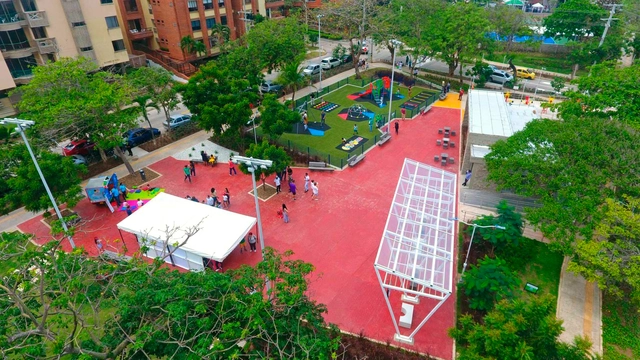
Samira Perez, a longtime resident of Barranquilla, Colombia, used to spend time and money on taxis to take her children to local shopping malls after school and on weekends. There, they would pass the time window-shopping at high-end stores, watching shows, and eating at restaurants.
The central role of the shopping mall in the lives of the Perez family is common in rapidly urbanizing Latin American cities, where, in the absence of accessible outdoor alternatives, malls often provide safe, clean social spaces. In Barranquilla, where malls are ubiquitous, a 2009 perception survey showed that 90% of residents were dissatisfied with the city's green and public spaces.
Cortesía de Congreso Colombiano de Arquitectura y Urbanismo 2023
Every year, the Colombian Society of Architects convenes representatives, experts, and special guests to address pressing issues related to everyday architecture. At this year's Colombian Congress of Architecture and Urbanism, the overarching framework was defined by the concept of "social architecture."
Cortesía de Bienal Internacional de Arquitectura de Euskadi Mugak/
In October 2023, the Mugak International Architecture Biennial of the Basque Country opened its fourth central exhibition in the city of San Sebastián, Spain, the result of a collective dialogue between key figures from the architectural and artistic worlds. Positioned as one of the leading architectural events of the Atlantic Arc, this public meeting point engages with the trends and concerns of our time.
Running through February 2024 with free admission at the Basque Country Architecture Institute, the reflective exhibition "Habitar el Cambio" (Inhabiting Change) is structured around the concepts of "rebuilding, rehabilitating, and rethinking," responding to the current climate of complexity and crisis across economic, health, ecological, and social spheres.
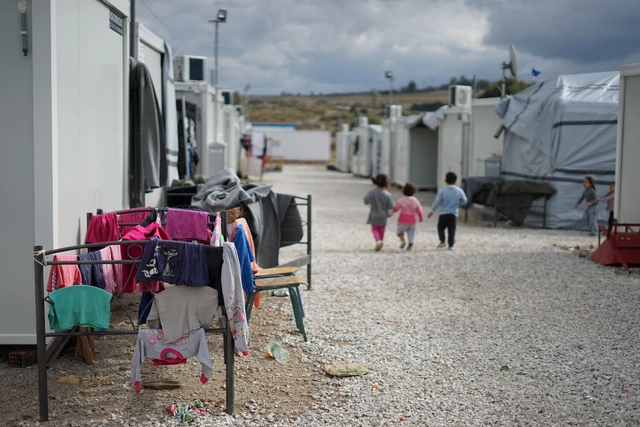
As the climate emergency worsens globally, an ever-larger number of people are forced to flee their homes due to natural disasters, droughts, and other meteorological events. These displaced populations are often referred to as “climate refugees.” This humanitarian crisis demands immediate action, but first we must understand who these individuals are and how the international community can appropriately address this growing issue.
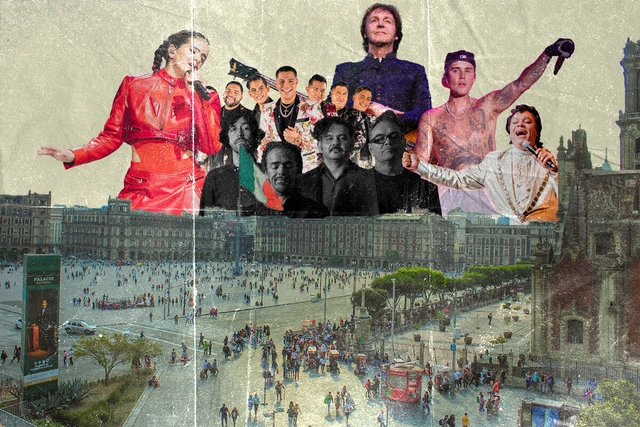
Being present has become the new currency, another way to accumulate symbolic capital, and a new way to validate status. It began with a sudden and rapid surge in museum attendance, alongside the visible crowding of specific areas of Mexico City. This points to an issue currently affecting us: gentrification and forced displacement.
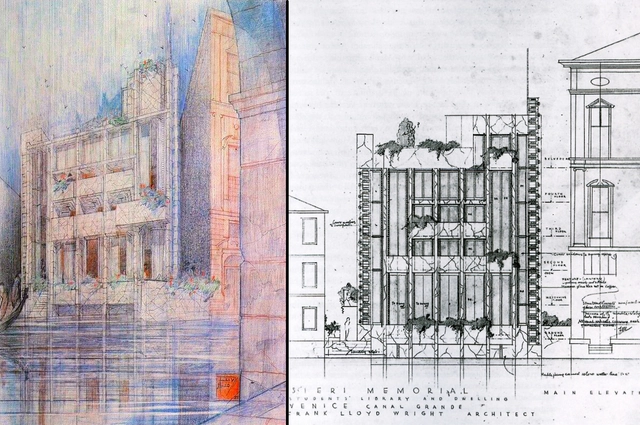
Masieri Memorial, Frank Lloyd Wright, 1952. Public domain image
The history of architecture is filled with remarkable unrealized hypotheses, whether due to infeasibility, conceptual radicalism, or other specific factors. Even when conceived by the field's most prestigious minds, these ideas never overcame the inevitable constraints of material reality, nor could they be adapted to make them viable, even partially. Yet, the significance of these projects goes beyond the tangible. Beyond enriching the profession's intellectual heritage, these once-abandoned proposals were—and still are—a catalyst for reflection and a source of inspiration for diverse artistic approaches.
https://www.archdaily.com/1136103/how-a-comic-book-brought-an-unbuilt-work-by-frank-lloyd-wright-to-lifeJoão G. Santos
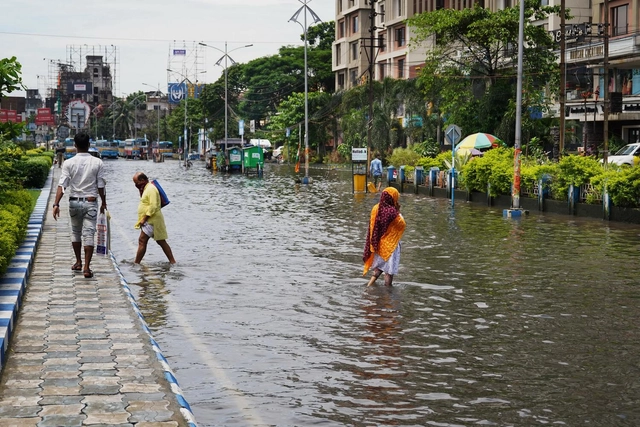
We have less than seven years to halve greenhouse gas emissions if we want to limit global warming to 1.5°C, the threshold scientists consider necessary to avoid some of the most dangerous impacts of climate change. In 2022, floods, droughts, and severe heatwaves claimed thousands of lives and affected millions worldwide, offering a glimpse of what to expect if we fail to take climate action. Since cities account for more than 60% of global emissions and are home to more than half of the world's population, changing how we manage the urban environment must be at the center of our efforts to curb the climate crisis.
https://www.archdaily.com/1136102/5-climate-actions-cities-must-prioritize-starting-in-2023Rogier van den Berg e Leo Horn-Phathanothai