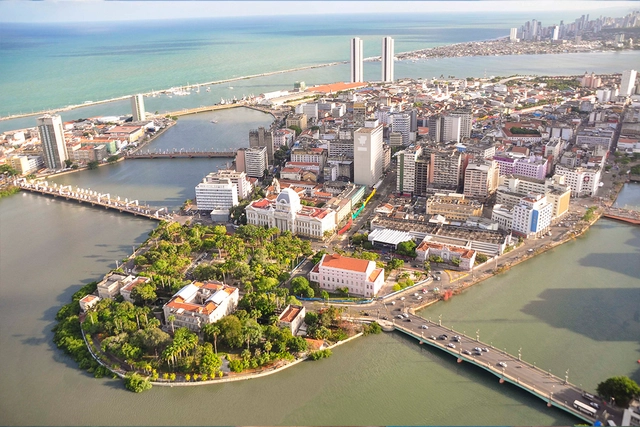
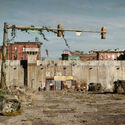
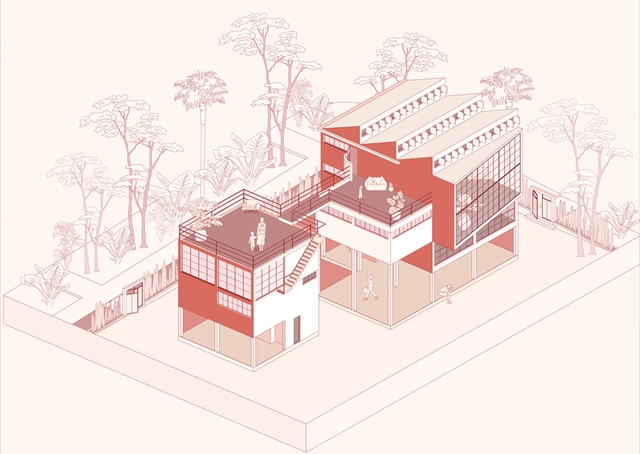
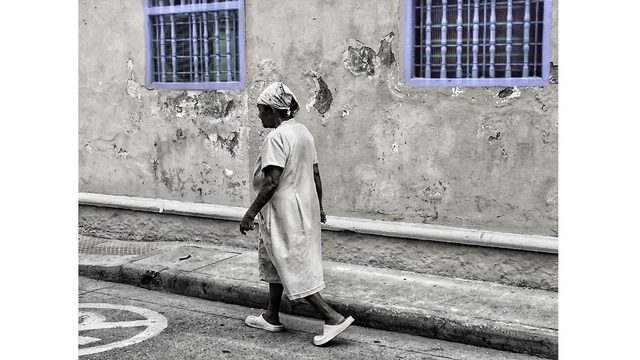
There are many reasons why some urban areas deteriorate while others thrive, including economic, planning, social, and cultural factors, as well as sheer chance. Understanding these dynamics—and, more importantly, minimizing the risk of decay while fostering vitality in urban areas—is a recurring theme in urban planning, driven by the shared and legitimate desire to live in beautiful, pleasant, and prosperous environments.
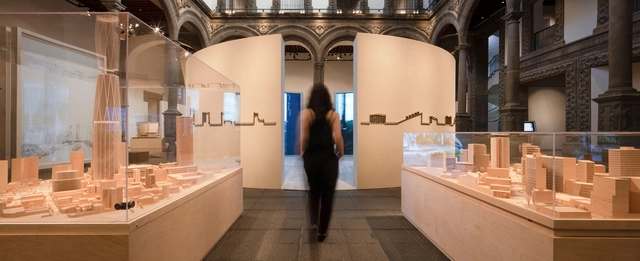
Today, February 17, the exhibition "Urban Transformation: Sordo Madaleno Arquitectos" opens at the Palacio de Cultura Citibanamex - Palacio de Iturbide in Mexico City. Organized in collaboration with the Banco Nacional de México, through Fomento Cultural Citibanamex, A.C., and the Fundación Sordo Madaleno A.C., the exhibition chronicles the firm's 85-year history. It constructs a narrative drawn from more than 450 projects, presenting a curated selection of 62 architectural works built in Mexico and abroad to serve a variety of programs.
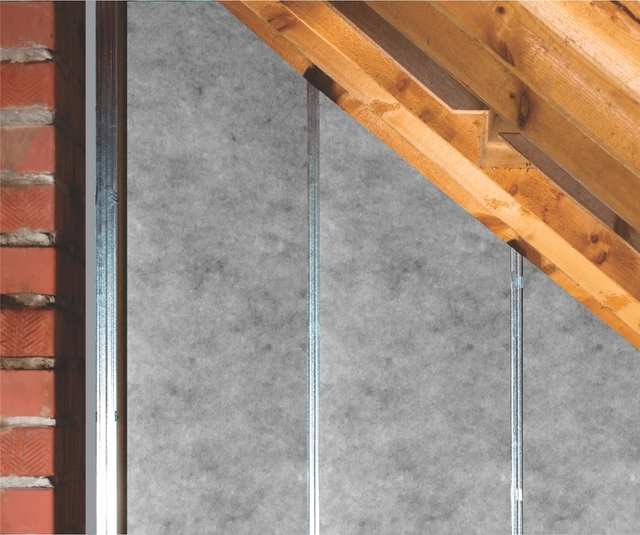
Proper home insulation and selecting the right materials are fundamental when undertaking a construction project. These strategies enhance interior comfort and serve as a long-term cost-saving measure.
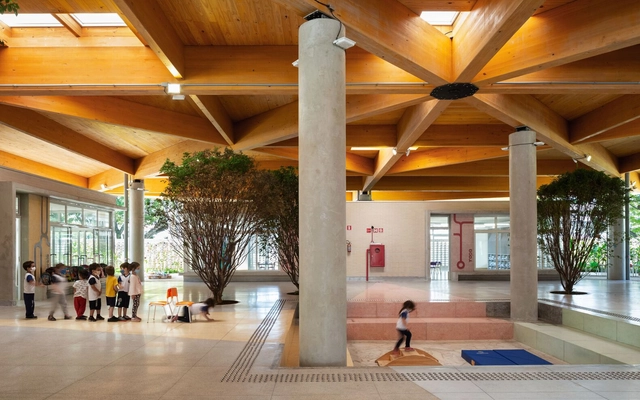
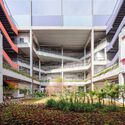
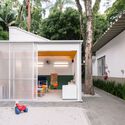
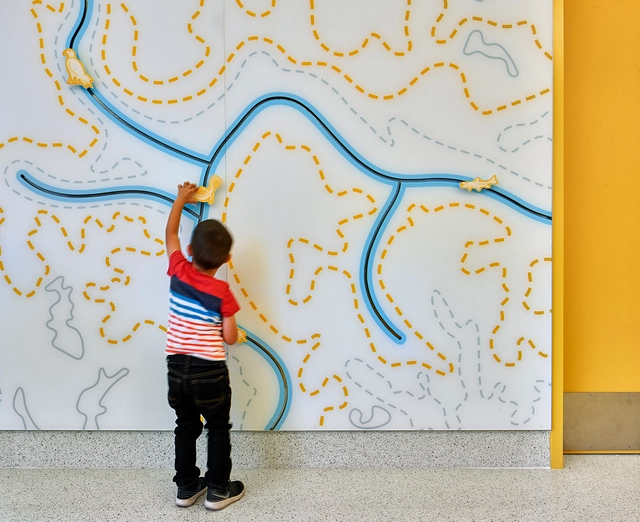
Today, Brazil celebrates Student Day. Established in 1927, the date marks access to a fundamental right for all citizens: education. Nearly a century later, new pedagogies and ways of looking at learning have emerged, bringing with them new architectures that embrace both pedagogical and technical advancements. With this in mind, we have gathered seven examples of Brazilian educational spaces designed after 2020. Through solutions that highlight key design aspects, these projects help outline a brief overview of contemporary references on the subject.
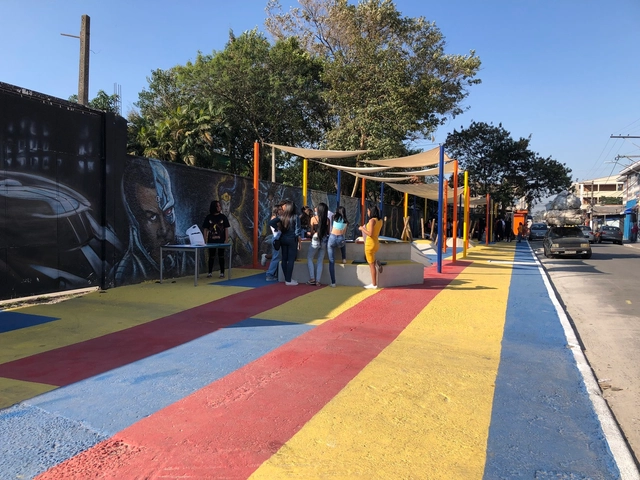
Intervention carried out on the street in front of 4 public schools. Photo: CoCriança Collection
Over the last few decades, cities have undergone profound and rapid transformations, which have also significantly impacted childhood. While cities grow larger and increasingly complex, the child population is facing a stark decline in urban quality of life. Children have lost their spaces in the city and are increasingly confined to enclosed, institutionalized environments.
The perception of the city as dangerous has grown stronger, establishing a self-reinforcing cycle: with fewer children on the streets, these spaces are dominated by speeding cars, which hinders public use of space, in turn fostering violence and further driving children—and everyone else—away from the streets. The rarity of children playing on streets and in other public areas of urban centers also makes this demographic largely invisible to adults and policymakers.
Increasingly robust and promising scientific evidence can assist architects and other designers seeking inclusive design by taking diverse minds into account—that is, creating built environments that engage with neurodiversity. Neurodiversity has always been a part of humanity. The term encompasses people with a wide range of neurological conditions and was coined by sociologist Judy Singer in 1999.
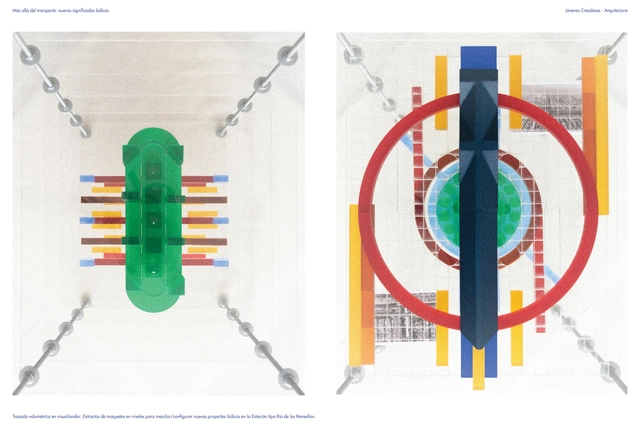
Each year, the National Fund for Culture and the Arts (FONCA), through the National System of Art Creators (SNCA), honors key figures of excellence in national culture through the Young Creators Program. By providing grants, the program supports the creative and educational development of young Mexican artists, fostering favorable conditions for the execution of original, meaningful, and positive creative projects. For this edition, the grant recipients in the “Architectural Design” category were Ruy Berumen, Diego González, Juan José Kochen, Ignacio Pérez, Elsa Ponce, Luca Salas, and Tania Tovar, who worked under the mentorship of tutors Elena Tudela Rivadeneyra, Rafael Ponce Ortiz, and Patricia Ivonne Álvarez De Anda.
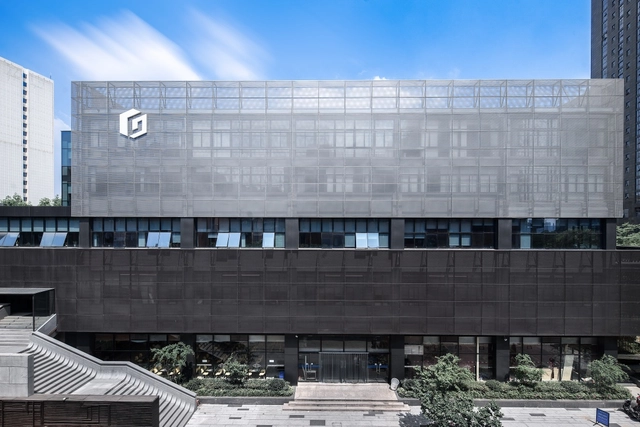
Established in 1983, the Engineering Design Group of Zhejiang University of Technology is a leading engineering consulting enterprise that integrates design, construction, and research. Leveraging the robust faculty and academic disciplines of a comprehensive engineering university, the Group benefits from high-level scientific research capabilities and state-of-the-art technical equipment. Currently, the Group has over 1,000 full-time engineering and technical professionals, including more than 500 engineers with mid- and senior-level professional titles, and over 200 registered professionals, such as Class 1 Registered Architects and Class 1 Registered Structural Engineers. The team also includes high-level talents such as national and provincial Outstanding Young Architects, Engineering Survey and Design Masters, and Hangzhou Outstanding Young Architects.
In recent years, the Group has pioneered engineering practices and technological innovations in China in fields such as characteristic towns, future communities, smart cities, industrialized building, Engineering, Procurement, and Construction (EPC), and whole-process engineering consulting. It has completed numerous major construction projects and provincial- and ministerial-level research tasks, accumulating rich practical experience and research outcomes. The Group has been awarded over 400 national, provincial, and municipal Outstanding Survey and Design Awards (Quality Engineering Awards), and more than 10 Provincial Science and Technology Progress Awards. It has chief-edited over 20 national and provincial codes and standard drawings, and holds over 100 national patents. Furthermore, the Group was selected as one of the first EPC pilot enterprises in Zhejiang Province, one of the first industrialized building demonstration enterprises in Zhejiang Province, and a National Prefabricated Building Industry Base. It has also received honors such as one of the national architectural design industry's first “Integrity Units,” one of China's Top 100 Architectural Design Institutes, and a National High-Tech Enterprise.
Adhering to its corporate mission of “Challenge, Innovation, Leadership, and Excellence,” the Group leverages the research, technology, and talent advantages of a university-affiliated design institute. It is committed to exploring high-quality, intensive development pathways, striving to become a premier, comprehensive engineering design and consulting firm in China.
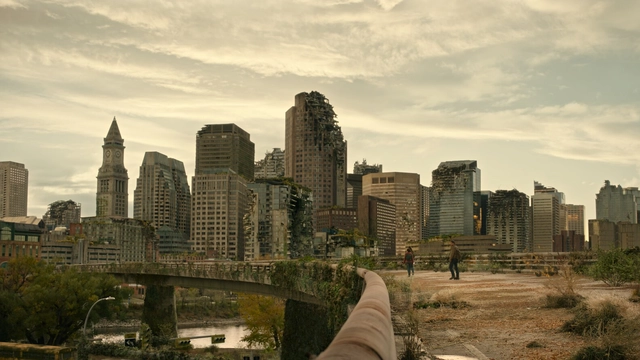
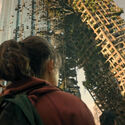
The city of Boston in The Last of Us. Image via Screenshot of "The Last of Us" (2023), HBO
Twenty years after the birth of cinema, audiences were already growing familiar with catastrophic, post-apocalyptic imagery. Cinema emerged at the end of the 19th century—specifically in 1896—with the demonstration of the cinematograph, a device capable of projecting moving images. For their debut, the Lumière brothers screened several short films, captivating the audience with movement projected onto a two-dimensional surface. Although there are records of brief recordings dating back months prior to this event, The Arrival of a Train at the Station, one of the shorts shown at the screening and filmed by the Lumière brothers themselves, is widely considered the world's first movie.
Zoning is the primary tool for urban regulation adopted worldwide. It consists of dividing urban territory into a series of zones, establishing permitted uses for each and setting parameters for the structures that can be built on each lot. In theory, zoning pursues two main objectives: preventing nuisances generated by specific uses and limiting development density to the capacity of existing infrastructure.
Over the centuries, the history of architectural visualization has undergone numerous shifts. Its intrinsic relationship with architecture itself has sparked movements and critiques that, beyond serving as tools to represent the inhabited world, directly shape our perception of it and influence the production of the built environment. At ArchDaily, we have explored the history and evolution of post-digital representation through various articles, a subject that has been deeply explored in Mexico specifically.
Urban mobility as a social right. Figure produced by the author
The exclusion of women from the production of space is palpable, reflecting a landscape of insecurity and vulnerability. In this context, urban mobility as we know it reproduces the gender, racial, and class inequalities of our society. Whether through walkability or public transit, the fact remains that current transit patterns do not align with the needs of women—especially those who identify as Black or Brown and have lower incomes. Therefore, we aim to focus specifically on how concepts of intersectionality operate within urban mobility as a social right for all.
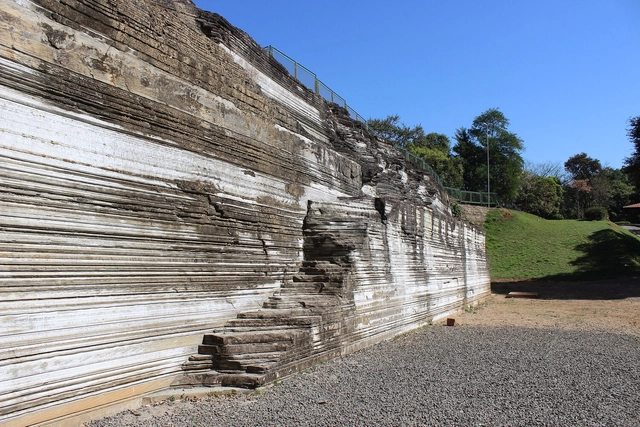
Varvito Quarries, Itu. Photo by Thaysnatani, via Wikimedia Commons. License CC BY-SA 4.0
Studies link green areas to a reduction in anxiety and depression, boosted immunity in children, relief from loneliness in cities for adults, and even increased intelligence. Seeking outdoor leisure activities in contact with nature offers numerous benefits. To help you choose interesting places to visit in the state of São Paulo, we present a list of ten protected environmental heritage sites, compiled by the São Paulo State Secretariat of Culture and Creative Economy.
According to the Secretariat of Infrastructure and Environment, the State of São Paulo has 5,670,532 hectares of native vegetation in various stages of recovery. This area is equivalent to 22.9% of the state's territory. Below, check out some of the spaces that preserve this greenery. In addition to urban parks, trails, and campsites, the list even includes the headwaters of the Tietê River.
As 2023 begins, looking back at 2022 reveals a year of profound shifts, challenges, and boundary-pushing opportunities for architectural practices worldwide. Navigating these new unknowns, we have compiled our interviews from the past year with a diverse range of firms and practitioners. This retrospective explores how legacy firms with over two decades of practice continue to thrive, how the profession is adapting to technological frontiers like the metaverse and artificial intelligence, the challenges material experts are tackling, and how a new generation of architects is shaping the future of the discipline. Read on for our annual roundup of conversations.
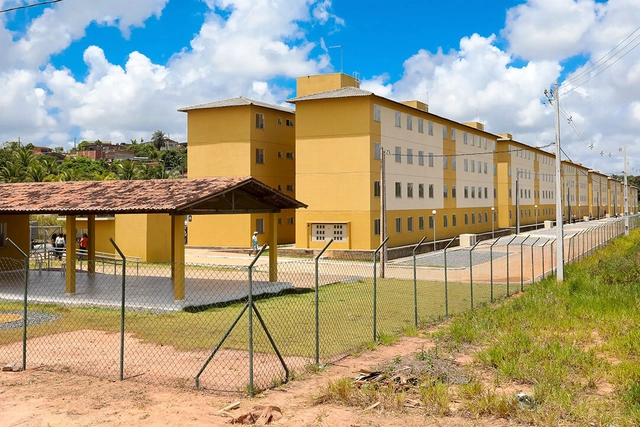
Image: Prefeitura de Jaboatão dos Guararapes. Via Caos Planejado
I suspect many readers here experience the same, shall we say, “predicament” as I do: as soon as we step outside our “bubble,” advocating for urban design principles that seem obvious to us — such as eliminating fences and walls, and promoting public access, visual permeability, mixed-use zoning, and active frontages — inevitably runs into the same obstacle: the lack of public safety.
https://www.archdaily.com/1136238/are-condominium-fences-meant-to-provide-protection-the-dilemma-of-urban-prisonersVitor Meira França
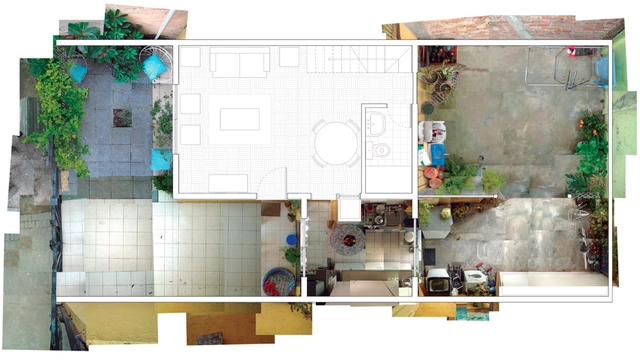
figura 1. Taller Intervenciones Domésticas Profesores: Germán Valenzuela, Felipe Miño Proyecto estudiante Nicolás Acuña (Imagen cortesía del Autor). Image Cortesía de Revista rita_
This article by Carmen Espegel was originally published in the 16th issue of revista rita under the title "Alegato pedagógico en Talca" (A Pedagogical Plea in Talca). The following text explores the unique approach to teaching design studios at the School of Architecture of the University of Talca (Chile), where territory, materiality, and the social sphere converge in a constructive thought and action carried out by students in their own homes, aiming to critically reformulate how we dwell.
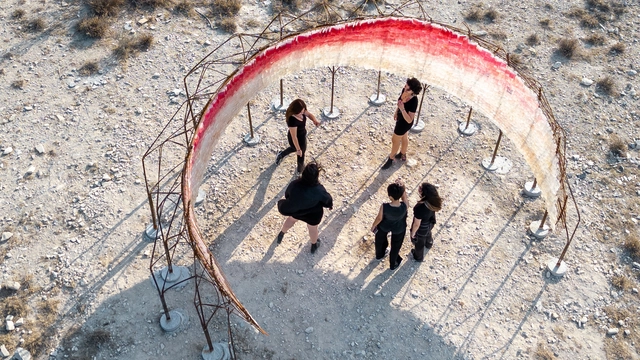
The Centro de Estudios Superiores de Diseño de Monterrey (CEDIM) presented "Cámara Clara," an installation that seeks to dialogue with the sun within the semi-arid landscape of the northern city of Monterrey, Mexico. This ephemeral installation, created by CEDIM students, does not fight against the sun, as architecture so often does, but rather celebrates its presence and orbital rhythms, allowing viewers to contemplate it through its skin from a precise central vantage point within the structure.
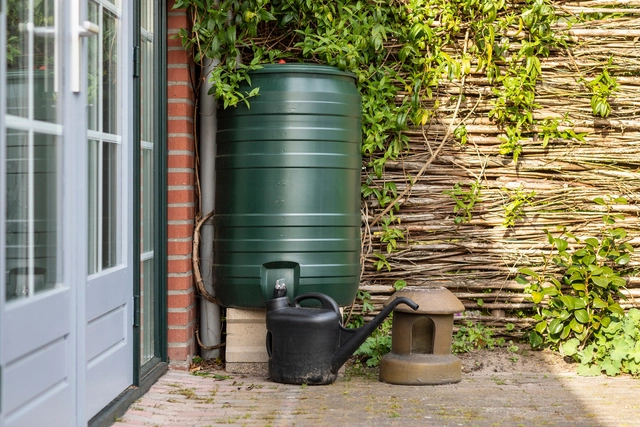
Each person needs about 110 liters of water to meet their daily consumption and hygiene needs. However, in Brazil, daily consumption can exceed 200 liters per person, according to Sabesp. Due to high water pressure in apartment buildings, this consumption can be even higher. Furthermore, the country loses about 40% of all treated water captured, according to 2022 data from Instituto Trata Brasil. Nonetheless, at least within the home, this waste of clean water can be mitigated through a few simple changes.