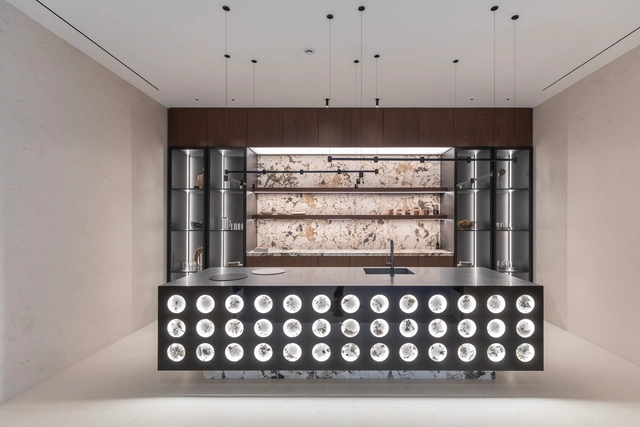
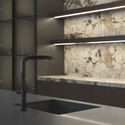
In ancient Greece and Rome, agoras and forums were spaces where merchants and artisans displayed their products. Although they were not showrooms in the modern sense, they already operated as arenas for visual stimulation. The concept we know today took shape centuries later during the Industrial Revolution, when novel tableware began to be presented in carefully designed settings. And therein lies the key: designing. Over time, spaces dedicated to displaying materials, furniture, and objects have been much more than mere showcases; they have functioned as platforms for exploration and experimentation. What we call a showroom today inherits this spirit: spaces where design is not only observed but touched and projected in real time, giving rise to tools such as moodboards.








.jpg?1523545445 "TSL Canoa 2017: Aula Colectiva Training and Entrepreneurship Center / TACTICO Taller de Arquitectura. Image © Nicolás Valencia")
.jpg?1523546713 "TSL Puno 2018: Hatun Tinkuy / ENSUSITIO + Jhony Chávez. Image © Nicolás Valencia")
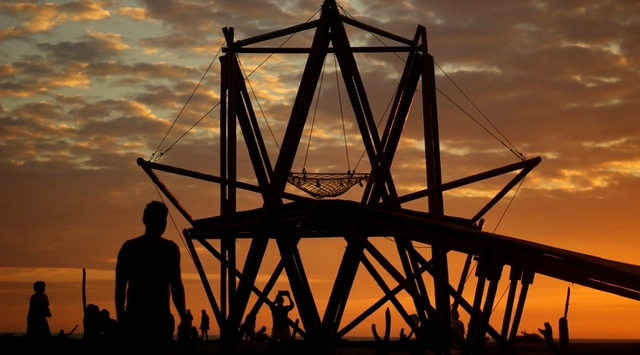
.jpg?1523546075 "TSL Canoa 2017: El Atrapasueños / Natura Futura Arquitectura + Ruta 4. Image © Nicolás Valencia")
.jpg?1523548272 "TSL Puno 2018: Taller Cóndor / Ruta 4 Arquitectura. Image © Nicolás Valencia")