The topic of mobility is inescapable when discussing urban policy—even more so in an election year. Public transit, congestion pricing, subways, dedicated bus lanes, and even what to do with electric scooters dominate the debate. Few, however, pay attention to one of the most critical municipal policies for urban mobility: public parking.
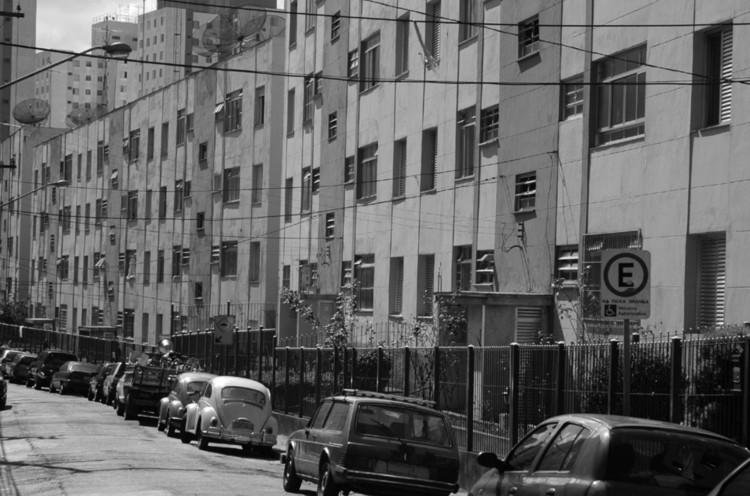
Combining analytical diagnosis with actionable recommendations, the study “A Cidade Estacionada” focused its lens on curb management in the city of São Paulo. By analyzing the discrepancies between public and private parking prices, as well as comparing these rates with the evolution of public transit fares, “A Cidade Estacionada” brought to light the negative social and environmental externalities of public policies that favor private motorized transport.















.jpg?1603305439&format=webp&width=640&height=580)

.jpg?1603305439)
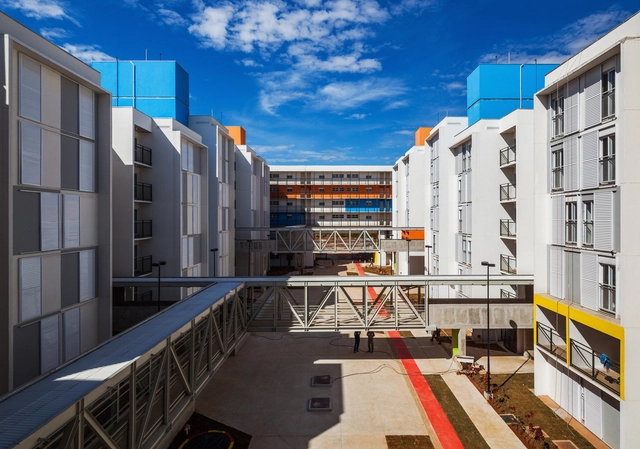


.jpg?1603381280 "Sobrados Novo Jardim / Jirau Arquitetura. Photo © Antonio Preggo")



.jpg?1603380819 "Morro do Elefante House / 24 7 Arquitetura. Image: © Pedro Kok")
.jpg?1603380788 "Ilhas House / Arquitetura Nacional. Image: © Cristiano Bauce")