Design:ED Podcast is an inside look into the field of architecture told from the perspective of individuals that are leading the industry. This motivational series grants unique insight into the making of a successful design career, from humble beginnings to worldwide recognition. Every week, featured guests share their personal highs and lows on their journey to success, that is sure to inspire audiences at all levels of the industry. Listening to their stories will provide a rare blueprint for anyone seeking to advance their career, and elevate their work to the next level.
In this episode, Morphosis Partner Arne Emerson joins the podcast to discuss the new tower at the 7132 Hotel in ValsSwitzerland, the firm’s recent leadership expansion, and how Morphosis is advancing the field of architecture.
The sitcom Seinfeld didn’t last into the 21st century. But in the popular culture universe, the show is immortal, generating an endless stream of GIFs, memes, video clips, websites, and more. And, of course, every minute of its nine-season life has been rerun on one or more channels since the series ended in 1998.
Why does it remain so popular? “A show about nothing” was really 180 22-minute mini-plays on our most mundane realities. Its common theme, as epitomized by the final episode, was the comic self-absorption of the show’s four main characters.
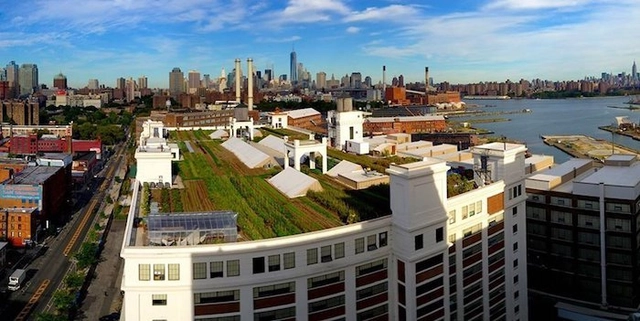
More than 36 tons of organic vegetables are grown on New York City rooftops every year. Beyond providing food, these green roofs also prevent pollutants from reaching the city's rivers.
It's very common for architects to use more than one program when developing a project. While one software can help us with the conceptual design and image of the project, other programs may work better for the development of technical documents, such as drawings, sections, and details. On the other hand, other software products can help us make a three-dimensional model, and yet others allow us to create renderings. There are also programs used for the postproduction of images, videos, or even to diagram panels and portfolios. The list is long and as a result our computer processors may suffer.
Although with BIM (Building Information Model) programs, this pilgrimage between programs tends to decrease when covering the entire design process, understanding the extensive list of file extensions is not as simple as it seems. In addition, it's not uncommon to find incompatibilities between versions and file types when, for example, the project must be opened on complementary equipment. Next, we review the file extensions most used by architects, focusing mainly on BIM programs.
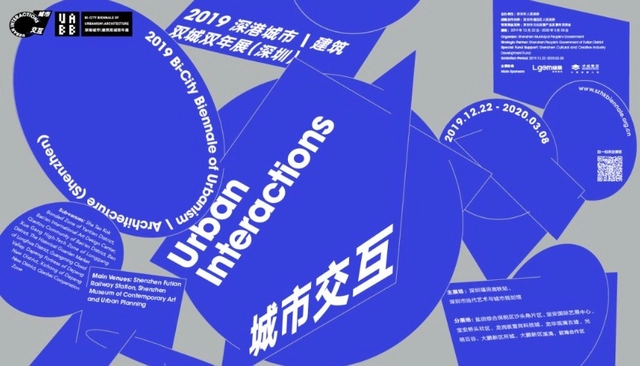
On December 20, 2019, the opening press conference for the 8th Bi-City Biennale of Urbanism\Architecture (Shenzhen) (UABB) was held at the Shenzhen Museum of Contemporary Art and Urban Planning (MOCAPE), marking the official launch of this year’s exhibition.
The theme of this year's UABB is "Urban Interactions." It is chief-curated by architect and director of the MIT Senseable City Lab Carlo Ratti, Academician of the Chinese Academy of Engineering Meng Jianmin, and renowned curator and art critic Fabio Cavallucci. The South China-Torino Collaboration Lab (Politecnico di Torino and South China University of Technology) serves as the academic curator. The exhibition opened on December 21, 2019, at the main venues—Shenzhen Futian High-Speed Railway Station and the Shenzhen Museum of Contemporary Art and Urban Planning (MOCAPE)—and officially opened to the public on December 22. Concurrently, nine sub-venues across various districts of Shenzhen will collaborate with the main venues, forming an organic interactive network throughout the city.
The exhibition features two main sections, "Eyes of the City" and "Ascending City," which explore the evolving relationship between urban space and technological innovation from distinct perspectives. The main venues showcase over 140 works, bringing together more than 280 participants from 24 countries and regions, including MVRDV, Liam Young, Stefano Boeri, Sou Fujimoto, Thomas Heatherwick, Ryoji Ikeda, as well as renowned domestic and international architects, artists, and institutions such as Wang Shu, Yung Ho Chang, Dominique Perrault, Philip F. Yuan, Liu Cixin, Academician Cui Kai, and Academician Wang Jianguo.
https://www.archdaily.com/1070656/2019-uabb-ascending-city-section-guide舒岳康 - SHU Yuekang
Designing well, creating beautiful buildings as well as boosting revenue and making your firm profitable rank highly among the goals of architects around the world today. What are the most effective tools architects need to achieve those goals? At a recent Technology and Architecture panel, successful architects discussed answers to that very question. When you watch this panel discussion, recorded live at the prestigious Pritzker Military Museum and Library, you will hear inspiring approaches to design, coordination and project management - rooted in BIM and enabled by the design flexibility found in ARCHICAD.
Throughout history, simple structures have constituted one of the most common forms of human expression. Small-scale housing, shelters, and viewpoints have been shaped by myriad materials that effectively created - depending on the techniques used - different forms of response to the same need.
Here is a compilation of 20 small-scale projects that stand out due to their small size and their simple, practical structures.
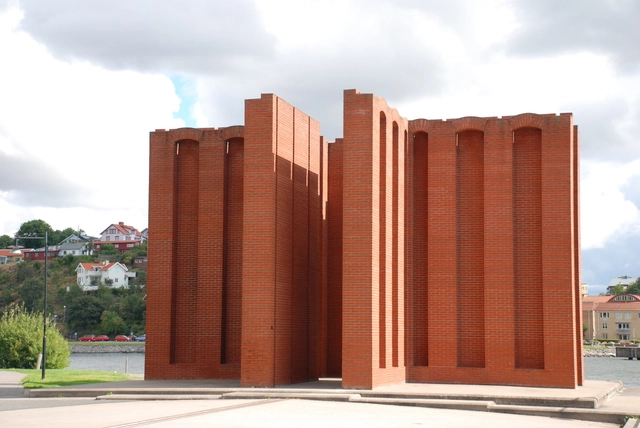
The interview Per Kirkeby: "We Build Upon Ruins" published on Louisiana Channel not only showcases the colorful canvases of the Danish painter, sculptor, filmmaker, and writer, but also his own reflections on the importance of surroundings that "give us so much baggage." It's this very idea that Kirkeby brings to his brick sculpture displays, where something simple and sometimes useful puts aside inaccessible conceptualism to pay homage to the surroundings rather than the sculptures themselves.
With nearly four thousand projects published on ArchDaily Brasil in 2019 alone, and with less than a month left in the year, our curators wrap up this stimulating year for architecture with a selection of the most visited residential projects published on our Brazilian platform.
Set in urban, rural, or coastal landscapes; built using diverse structural systems, from traditional masonry to highly technological prefabricated methods; and ranging from compact dwellings to large-scale residences; this selection of 50 houses highlights the most popular projects from the past twelve months. According to our readers, these designs stood out as the most compelling in terms of innovation, construction techniques, and design challenges. Check them out below:
Dear readers, with your invaluable companionship, 2019 has flown by here at ArchDaily. Throughout the year, we have continued our daily mission of sharing and celebrating global architecture; along the way, we have grown, earned the recognition of architects, and enjoyed the unwavering support of our readers. Having received heartwarming holiday wishes from hundreds of design practices around the globe, we are excited to share their creative holiday cards with you here!
https://www.archdaily.com/1068599/happy-holidays-holiday-cards-from-architects-around-the-world韩爽 - HAN Shuang
Human economic activities are naturally dependent on the global ecosystem, and possibilities for economic growth may be limited by the lack of raw materials to supply factory and trade stocks. While for some resources there are still untapped stocks, such as certain metals and minerals, there are others, such as fossil fuels and even water, with serious availability issues in many locations.
In their recent interview for the Time Space Existence video series, Plane-Site, through the support from the European Cultural Centre, interviewed Spanish architect Ricardo Bofill. The series will be exhibited in the biennial exhibition in Venice, opening May 21-22, 2020.
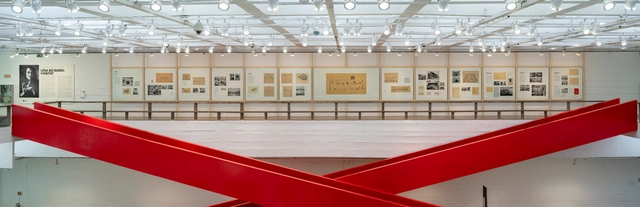
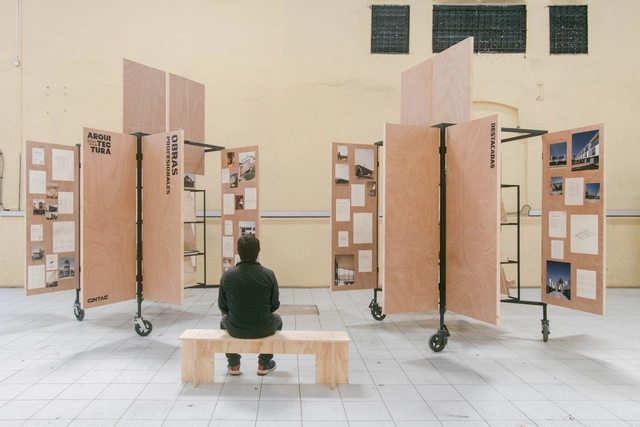
Through their narrative forms, architecture exhibitions promote the dissemination of knowledge and inquiries within the theory and practice of the discipline. Beyond the direct appreciation of a specific object or architectural ensemble by experiencing that space, architecture exhibitions present content structured through narrative paths, classifications, associations, or juxtapositions. This expands architectural knowledge, if not through in-situ experience, then through the way graphic materials are displayed. In this light, curatorial and exhibition design practices can foster new questions in the field of architecture, encouraging visitors to engage in critical reflection.
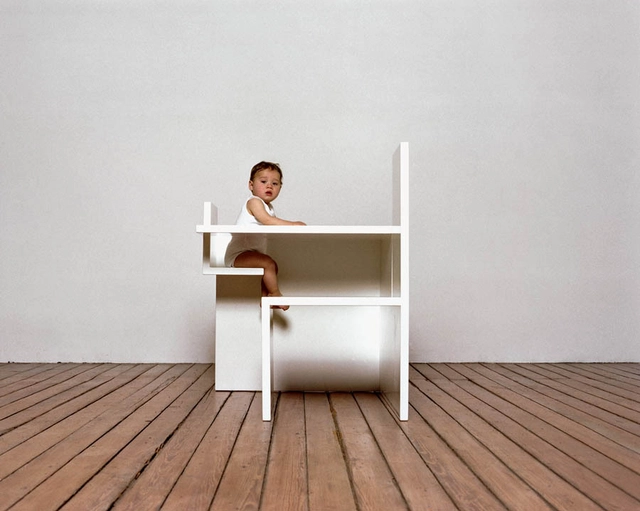
With her Mother/Child Dining Table, Maartje Steenkamp reflects on the connection between parents and their babies at mealtime. “[It] goes much deeper than just giving food; mother and child are almost one, as with the umbilical cord before birth,” she says. “In this way the furniture has to be one, too.” She based the orientation of its seats, and the length of the table, on the size and position of her own body while feeding her child. Courtesy Inga Powilleit
Designers, curators, and entrepreneurs are scrambling to make sense of motherhood in a culture that’s often hostile to it.
At their most extravagant, the tendriled seed pods of the Nigella damascena flower resemble the curled necks of swans in a Tunnel of Love. Its fringed, quick-growing blooms have long appeared in English cottage gardens, and in southern Europe and North Africa, where the species grows wild. In the United States you can purchase a packet of its seeds—around 2,200 of them—for about $6.
https://www.archdaily.com/930657/politics-has-failed-mothers-can-design-helpLila Allen
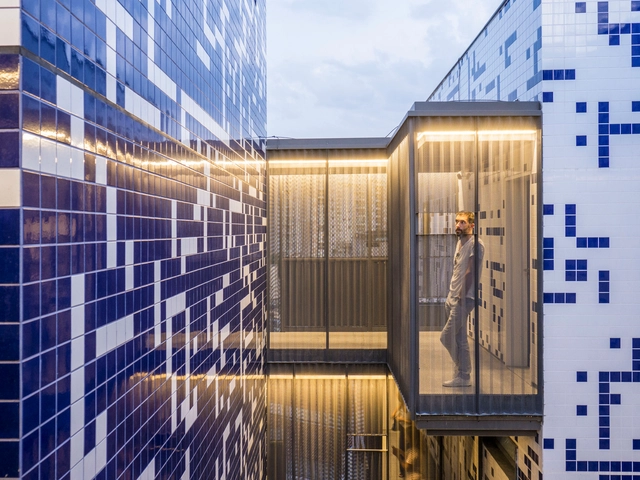
Ceramic tiles are usually used in the interior wet zones of residential and commercial projects—such as kitchens, bathrooms, and laundry rooms. However, an increasing number of architects have proven that this material has great graphic, aesthetic, and, above all, technical potential when applied to facades.
Due to its weather resistance, the material requires little to no maintenance; moreover, the variety of colors, sizes, textures, and patterns available on the market allows for countless uses and combinations.
Global South, resilience, buildtech, and new materials: as 2019 comes to a close, we look back on a year rich in research and reflection, approaching architecture from different perspectives to support the millions of readers worldwide who visit ArchDaily every day.
Aiming to offer inspiration, knowledge, and tools, we have published hundreds of articles on topics as diverse as your views on the built environment. With this in mind, read on for our selection of the year. Goodbye 2019, hello 2020!
To demonstrate this and reflect on how much we and our readers have learned—especially regarding the roles of representation, academia, cities, technology, and architecture itself—we have selected the 20 best interviews published on ArchDaily throughout the year.