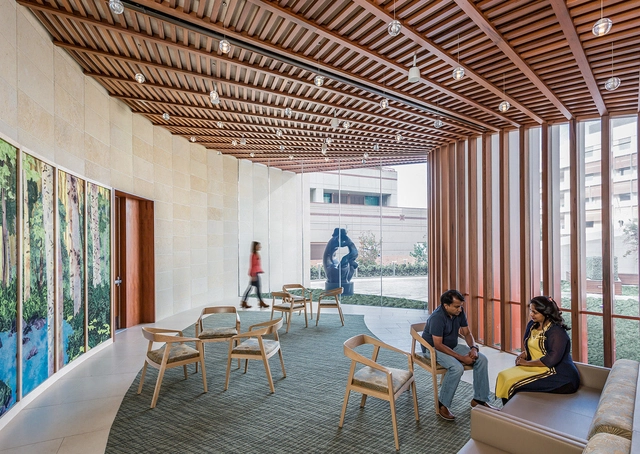
The contemporary understanding of neuroarchitecture has sparked a renewed focus on inclusive design, emphasizing the creation of environments that respect and respond to people's specific needs. Against this backdrop, the architectural design approach for individuals on the autism spectrum has gained prominence.
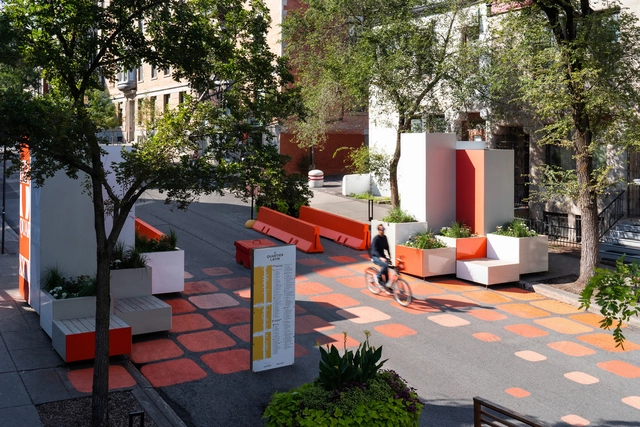
Color is fundamental to the dynamics and daily rhythm of urban life, but its impact goes far beyond appearance and aesthetics, especially for people with visual impairments. For this segment of the population, color plays an even more significant, yet often underestimated, role in shaping and improving the accessibility of public spaces. Architecture plays an important role in this inclusion, which involves the conscious choice of colors that have the power to improve urban accessibility and create a more welcoming environment for people of all abilities.
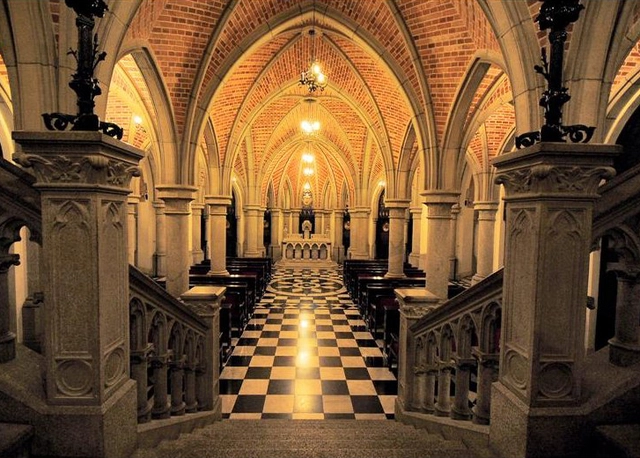
Crypt of the São Paulo Metropolitan Cathedral. Image: Tatiana Sapateiro from São Paulo, Brasil, CC BY 2.0 , via Wikimedia Commons
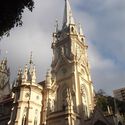
Pointed arches, ribbed vaults, stained glass, finials, rose windows, and intricate decorative details. These are some of the elements that define Gothic architecture, a movement that emerged and flourished in Europe from the 10th to the 15th centuries. In Brazil, these features were adopted much later, within a revivalist context known as Neo-Gothic. This historical revival is primarily reflected in grand churches and select historic buildings. While the tropical nation does not boast as many works as the European continent, architecture expressing these ideals can be found from north to south.
The job market in architecture and urbanism is highly competitive. High demand for innovative, sustainable, and aesthetically pleasing projects drives intense competition. Moreover, technological shifts and rising client expectations demand constant adaptation. What are the obstacles, opportunities, methods, and "tools and tricks of the trade" required to enter the "jungle" of entrepreneurship? Drawing from the guests' experiences, this special episode offers an open and lively conversation on the subject.
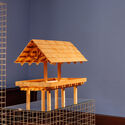
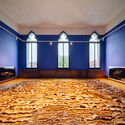
Médio Tejo, by Guida Marques. Courtesy of Fertile Futures
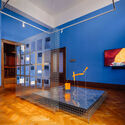
Fertile Futures is the title of Portugal's official representation at the 18th International Architecture Exhibition - La Biennale di Venezia 2023. Curated by Andreia Garcia alongside deputy curators Ana Neiva and Diogo Aguiar, the project aims to address water resource issues in seven Portuguese hydrogeographies and encourage reflection on building a sustainable, equitable, and fertile future. To this end, seven design teams — Corpo Atelier, Dulcineia Santos Studio, Guida Marques, Ilhéu Atelier, Pedrêz, Ponto Atelier, and Space Transcribers — were invited to reimagine distinct possibilities for these territories.
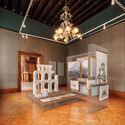
In an effort to expand access to the content exhibited in Venice, we present here the texts and images from the Portuguese pavilion, as well as photographs of the exhibition space. ArchDaily would like to thank the curatorial and communication team of Fertile Futures, who generously provided the material for this publication.
https://www.archdaily.com/1136330/fertile-futures-portugals-participation-in-the-2023-venice-architecture-biennaleAndreia Garcia, Ana Neiva e Diogo Aguiar
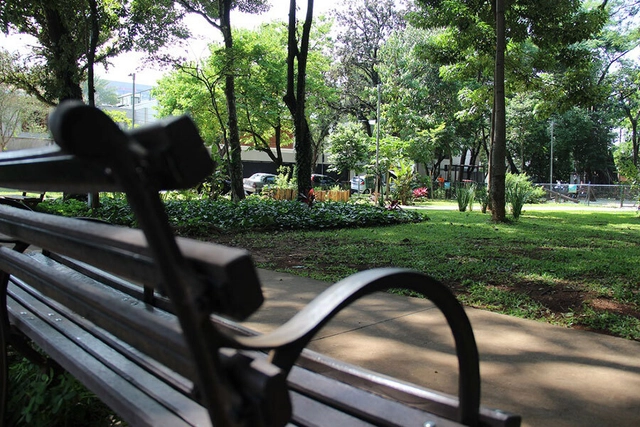
One of the things that catches my attention most when I visit major cities in other countries, whether they are European capitals or our neighbors here in South America, is how people occupy public spaces.
And I don't just mean parks or squares. Whether in Buenos Aires, Santiago, Paris, or Amsterdam, for instance, at least on sunny days, almost any patch of grass is occupied by people—children running and playing, friends having picnics, young people reading stretched out in the sun.
https://www.archdaily.com/1136266/in-sao-paulo-is-the-square-oursVitor Meira França
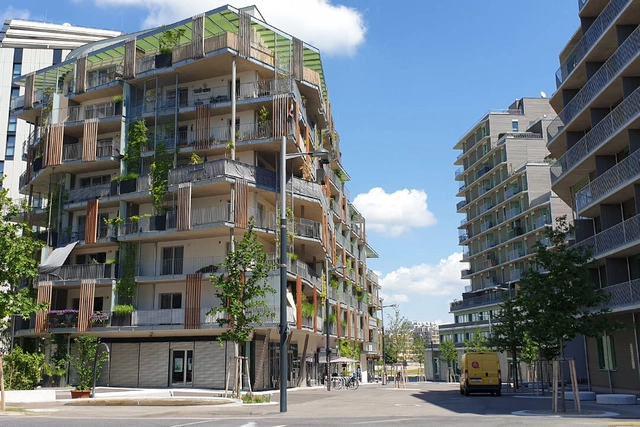
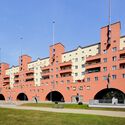
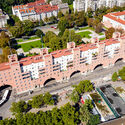
The city of Vienna has a highly praised housing policy. While it certainly has many merits, it is not necessarily perfect. In fact, Vienna's housing policy has taken a different path than other European cities, sparking interest among those who study the subject. In this episode of the Housing Voice podcast, produced by UCLA, Justin Kadi presents several features that make the Austrian capital a unique case. The episode also provides a series of academic articles for anyone wishing to delve deeper into the subject.
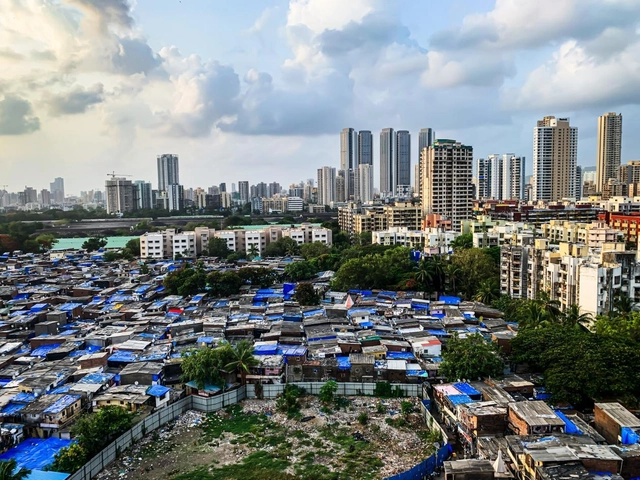
Suburbs of Mumbai, India, with metal roofs on houses. An analysis by WRI India shows that while vegetation can mitigate surface temperatures in cities, a large portion of Mumbai's homes have metal roofs, contributing to higher surface temperatures. Photo: KishoreJ/Shutterstock
The current summer in the Northern Hemisphere has been so hot, with temperatures reaching record highs—including in the sea—that discussions are already revolving around the limits of human survival. Even in Antarctica, sea ice has failed to reform, a drastic departure from normal winter patterns. It is not just an impression that extreme heat events are occurring more frequently. As a result of climate change, the frequency of these events has increased—and is expected to worsen.
In fact, in most years, heat is the most lethal weather phenomenon, killing an average of 490,000 people worldwide and causing serious health problems for many others. According to the World Health Organization, heat-related deaths are projected to increase by 50% by 2050. However, this impact is not distributed equally, either globally or within communities: populations already living in more vulnerable conditions face the greatest risks.
https://www.archdaily.com/1136253/how-to-cool-cities-on-an-increasingly-hot-planetEric Mackres, Gorka Zubicaray e Bina Shetty
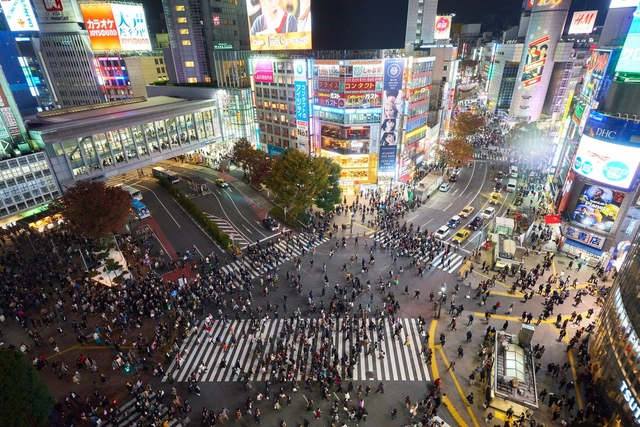
Tokyo is a chaotic city, in the sense that it did not develop from city-wide coordinated urban planning. By the 18th century, it already had around 1 million inhabitants, with most of the population living in conditions similar to modern Brazilian favelas. Tokyo's dense suburbs resemble Brazilian peripheries, with low-rise but closely packed buildings on narrow plots and a wide variety of uses. Furthermore, Tokyo features a multiplicity of architectural typologies, different modes of transportation sharing the same space, and—not unlike Brazilian cities—billboards and exposed overhead wires clashing with the urban landscape.
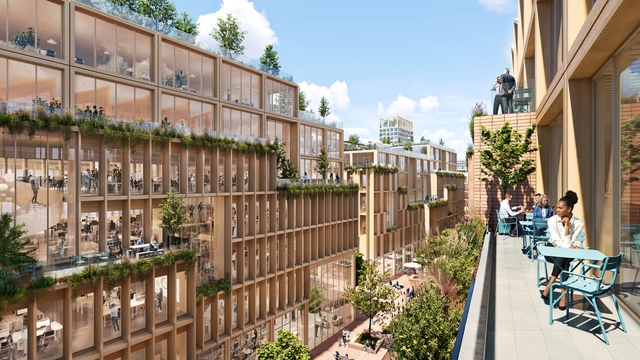
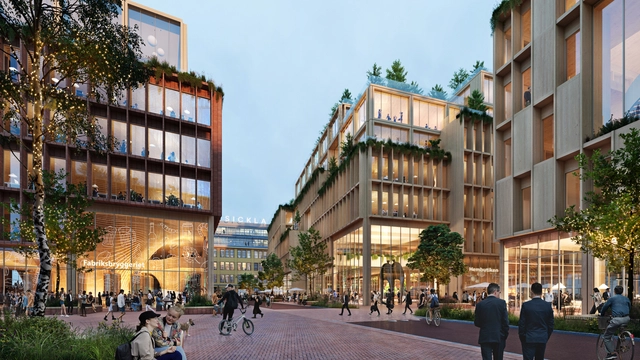
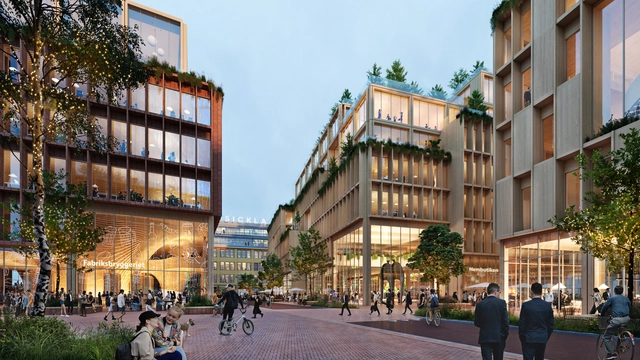
Stockholm Wood City. Courtesy of Atrium Ljungberg | White Arkitekter
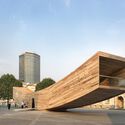
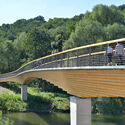
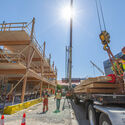
With studies estimating that by 2050 nearly 70% of the global population will live in cities, planning for more sustainable and balanced urban development has become imperative for the coming decades. This discussion invariably hinges on a more assertive choice of construction materials that yield greater urban and environmental benefits. In this context, a material re-emerging as a more sustainable choice for urban infrastructure is wood, particularly when paired with new technological advancements, which is being reintroduced into cityscapes due to its versatile characteristics and its ability to align with the construction of tomorrow.
La construcción del proyecto de desarrollo urbano de madera más grande del mundo comenzará en 2025. Image Cortesía de Atrium Ljungberg | White Arkitekter
Atrium Ljungberg recently unveiled Stockholm Wood City, the world's largest timber urban development project—an effort to showcase Sweden's commitment to sustainability. On the other side of the world, Tallwood Architects' Tamango Project exemplifies the challenges and opportunities of timber construction in Chile and could become Latin America's first 12-story building featuring a prefabricated mass timber structure.
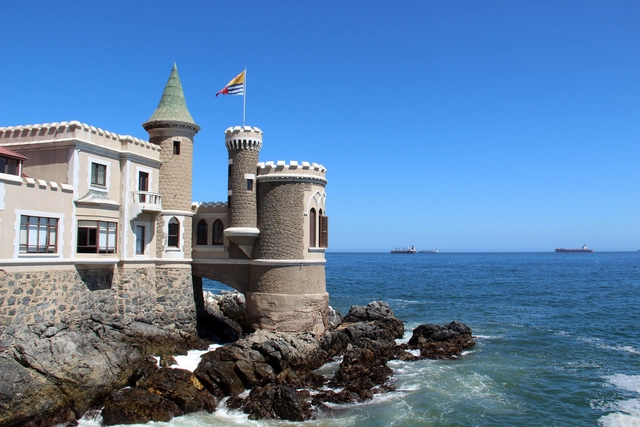
Wulff Castle in Viña del Mar is a renowned landmark, celebrated for its appearance and architectural style inspired by Liechtenstein Castle in Germany. The structure features German and French design elements, along with medieval characteristics—qualities that captivate both locals and the thousands of tourists who visit it.
Every day, governments, financial institutions, and corporations face a critical decision: continue investing in physical assets that emit greenhouse gases and degrade nature, or prioritize developing green solutions that foster a stable, resilient, and equitable economy. As communities bear the brunt of severe climate impacts, the imperative to build a sustainable future becomes increasingly clear.
https://www.archdaily.com/1136129/6-changes-needed-for-the-financial-system-to-help-promote-a-sustainable-futureAnderson Lee
The city of Federación, located in the northeast of the province of Entre Ríos, was structured, like most Argentine cities, around “the classic block-by-block grid layout bequeathed by the Laws of the Indies,” taking shape alongside the development of its various economic roles. The evolution of economic functions and the actions of different social forces gradually shaped a unique organization of urban space, in which distinct “neighborhoods” or urban districts clearly reflected the inequalities of the local socioeconomic structure.
https://www.archdaily.com/1136219/the-origin-of-cities-federacion-in-argentinaMaría Rosa Catullo
The city's urban planning must go hand in hand with nature. Photo: Daniel Costa, via Unsplash
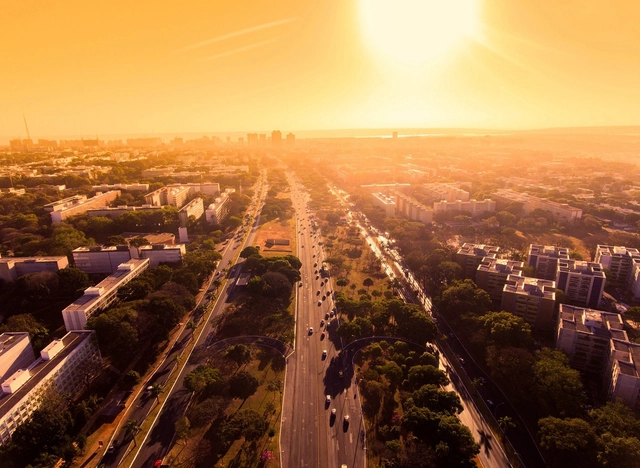
The capacity of trees to naturally cool cities is one of the key benefits of promoting urban planting. In the Federal District, urban afforestation has been studied to guide public policies toward the sustainable use of natural resources. Architecture and Urbanism student Júlia Almeida, from the University Center of Brasília (CEUB), measured the microclimatic influences of vegetation at the residential scale in Brasília, proving the power of greenery to improve quality of life.
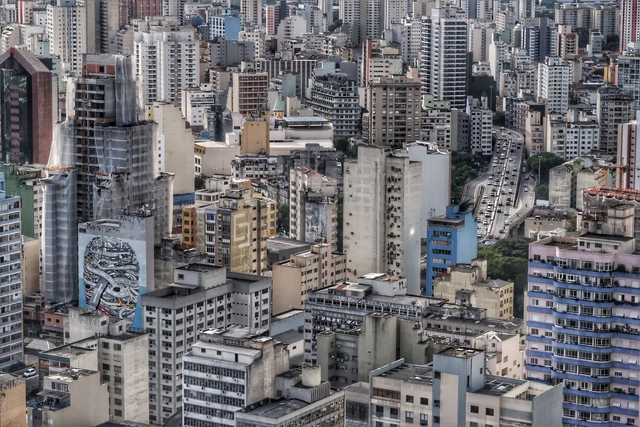
São Paulo. Photo by D A V I D S O N L U N A via Unsplash
Many cities around the world face severe housing affordability issues. One of the primary reasons is highly restrictive zoning regulations. Zoning—the rules that dictate what can be built on any given lot—was originally designed to manage urban issues such as congestion, pollution, and shadow impacts.
Over time, however, planners aligned with property owners to tighten these rules. Planners disliked urban density and were more than happy to reduce it. Homeowners realized that stricter codes could preserve their property values and exclude low-income residents and minorities from their neighborhoods.
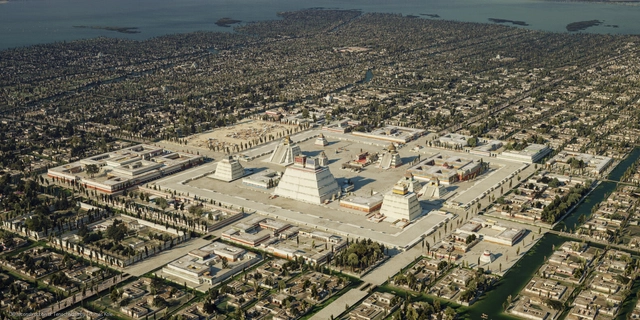
As part of a project led by Dutch artist Thomas Kole, a website titled "Portrait of Tenochtitlan: A 3D reconstruction of the Mexica capital" has been launched, presenting a variety of images of what Tenochtitlan once was. This reconstruction is based on historical and archaeological sources, as well as the collective knowledge that yields these images today to continue studying our history. The site offers navigation in three languages: Nahuatlahtolli, Spanish, and English, featuring an overlay of contemporary images where users can compare before and after simply by sliding the cursor across the screen. It was created using open-source software: Blender, Gimp, and Darktable.