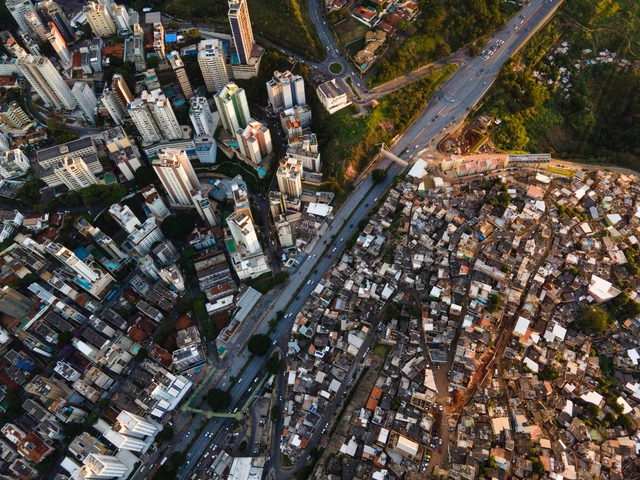
There is a growing public perception that the number of people experiencing homelessness has been rising in Brazil. To better understand this issue, the Brazilian Observatory of Public Policies on the Homeless Population, established under the Polos de Cidadania Program at the Federal University of Minas Gerais, compiled data from thousands of municipalities in a historical series spanning from 2012 to 2021. Unfortunately, the data indicates that this crisis is indeed worsening across the country.
https://www.archdaily.com/1136354/what-does-the-data-say-about-the-homeless-population-in-brazilAndré Sette e Anthony Ling
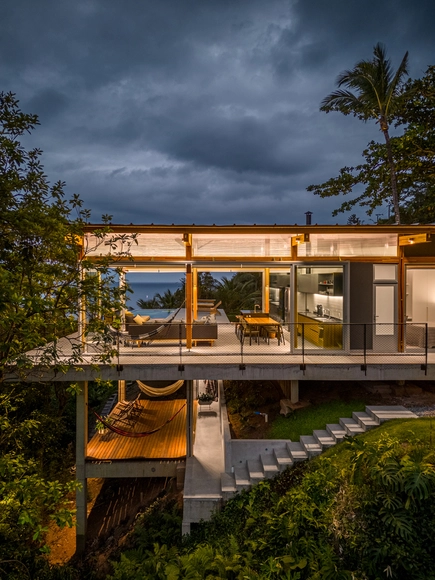
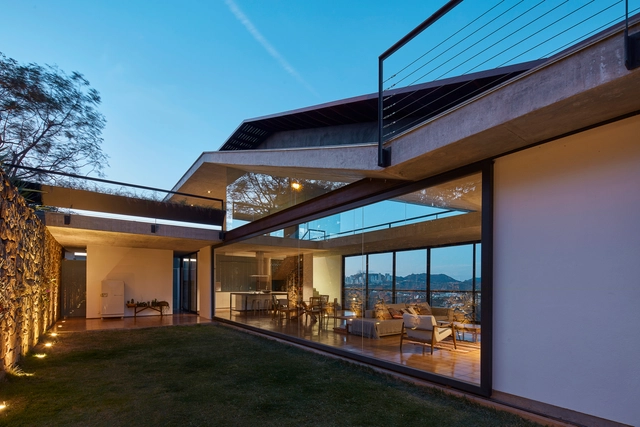
Sloping terrains, hillsides, and mountains present challenges for architects and engineers alike, but they also offer the potential to create unique homes that embrace their context. Following a careful study of the topography, soil, drainage, and access to power and water systems, designing how to integrate the house with the landscape, establishing its aesthetic, and, above all, ensuring a safe and welcoming environment is the responsibility of the architects.
To date, more than 90 countries have set net-zero emissions targets, committing to help prevent the worst impacts of climate change. However, doubts remain regarding the credibility of many of these commitments and whether these targets will actually be met.
Together, the countries that have established net-zero emissions targets—a group that includes China, the United States, and India—account for nearly 80% of global greenhouse gas emissions. Alongside them, thousands of other regions, cities, and companies have also set their own targets. Never before has there been such ambition and momentum for such deep emissions cuts.
https://www.archdaily.com/1136356/five-countries-on-track-to-reach-net-zero-emissionsClea Schumer, Cynthia Elliott e Rebecca Gasper
ArchDaily presented its monthly topic for July (Design Process) and wanted to open the discussion on how technology is being integrated into architectural practice. Although the discipline has been advancing for years in new fields such as artificial intelligence (AI), virtual reality (VR), parametric modeling, and BIM, alongside other cutting-edge tools, its implementation and systematization in everyday design processes remain slow.
Throughout the month, we held an open call to hear about our readers' experiences and learn from them—exploring together how the latest innovations transforming the profession are being applied. After reviewing a vast number of comments and opinions, it was surprising to find common ground regarding how we filter and update the technologies we use in our design processes. Read the main perspectives below.
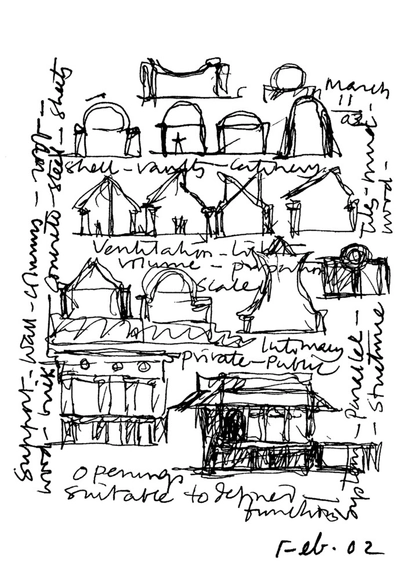
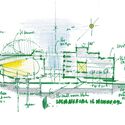
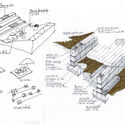
For many architects, the most instinctive way to put an idea onto paper is through drawing. From quick napkin sketches during a coffee break to elaborate diagrams systematizing architectural solutions, drawings are essential, recurring tools in the design process. Yet, lines alone cannot always convey a concept with the desired clarity.
Sounds, smells, feelings, and sensations are rarely captured through drawing alone. Human figures cannot always convey the scale of certain elements, requiring the aid of more precise numerical dimensions. Annotations and labels are commonly used to define spaces and specify architectural elements, and when a phone or calculator is out of reach, drawings may also share paper space with quick calculations. There are many situations where writing is combined with lines to create a hybrid communication tool, where the subjectivity or abstraction of drawing is grounded by the assertiveness of words and numbers.
Residential projects are among the most complex challenges to design, given the diverse uses and stylistic preferences that can converge within a single space. Yet, this variety also presents an opportunity, opening up a wide range of possibilities and variations for each project. The paradigm of home design is so significant that Luis Barragán once said: “My house is my refuge, an emotional piece of architecture, not a cold piece of convenience.” Consequently, the design process in residential projects requires careful consideration to satisfy both the emotional and functional needs of those who will inhabit these spaces.
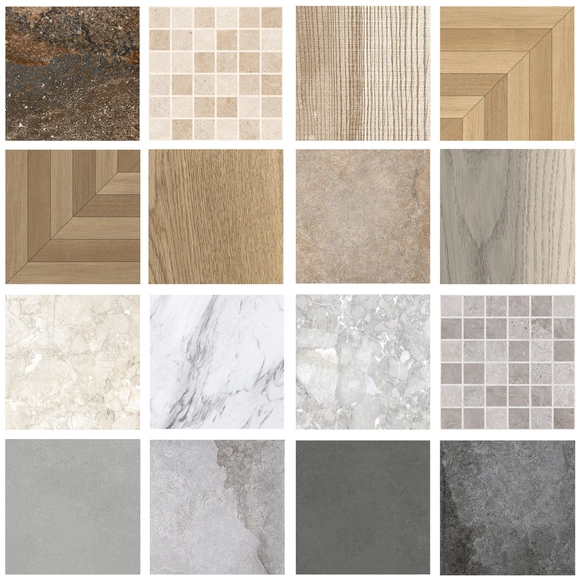
Combining functions, styles, and materials makes it possible to create spaces that transcend the purely functional, transforming them into emotional sanctuaries that reflect their residents' identity and character. With this in mind, Lamosa coverings offer a wide selection for residential environments. Available in a variety of sizes and styles, they help realize diverse creative visions, providing solutions for specific technical requirements and aesthetic preferences. Below, through curated moodboards, we explore how different types of coverings can be combined within the various areas that make up a residential project.
https://www.archdaily.com/1136044/combining-textures-and-styles-9-cladding-moodboards-for-residential-projectsEnrique Tovar
Indeed, in the face of climate change, it seems entirely reasonable to return to prioritizing features such as natural ventilation and lighting in building design, just as we did in the past—and, in doing so, reduce energy consumption and greenhouse gas emissions.
https://www.archdaily.com/1136366/sustainable-urbanism-back-to-the-futureVitor Meira França
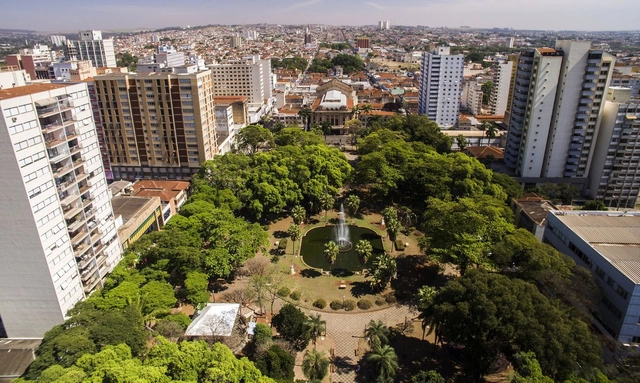
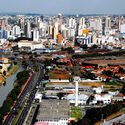
Ribeirão Preto, SP. Image: Governo do Estado de São Paulo
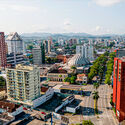
The release of the first data from the 2022 Census caught many by surprise. According to the IBGE, Brazil now has around 203 million inhabitants, a figure below the Institute's projection of 215 million. Another striking data point was the growth of midsize cities (100,000 to 499,000 inhabitants), which gained 8.3 million residents. Given that the country's population grew by 12 million since the 2010 Census, these cities account for more than two-thirds of that increase.
From Le Corbusier's color theory to the aesthetic proposals of the Bauhaus, color has played an essential role throughout architectural history. Today, however, we stand on the threshold of a new era of innovation, where the meaning, application, and impact of color in architecture are also undergoing a transformation. This shift raises new questions: could new materials and finishes revolutionize the color palette? What are the possibilities for color in virtual spaces? What will be the next color trends in the world of interior design?
Color hues play an important role in the thermal comfort of buildings, influencing the absorption, reflection, and emission of thermal energy. Alongside the analysis of the local climate, solar orientation, and the qualities of construction materials, it is possible to design an integrated approach based on surface coatings that even helps save on utility bills. Learn how these variables can be combined to leverage color for the thermal performance of your project.
Architecture is generally understood as a positive construction—that is, tectonics, volume, an object in the world. And indeed it is. However, shifting the observer's perspective—from the distant, aerial view to the interior experience of the occupant—transforms the notion of the object in the world into a "world" in itself. Furthermore, it can also act as a frame, capturing and directing the gaze. Indeed, the view is a key element of architectural value, highlighting a specific angle of the outdoors and inviting the occupant to contemplate. The projects of TETRO Arquitetura highlight this interplay between form and frame.
The recent release of the first results from the 2022 Census is fantastic news for anyone who believes in using data to guide business and public policy. The debate surrounding them has already begun, and the real impact will be long-term. From housing policy to legislative representation, much can change because of this survey. Still, caution and chicken soup never hurt anyone, as the saying goes—even if I do not particularly care for the soup.
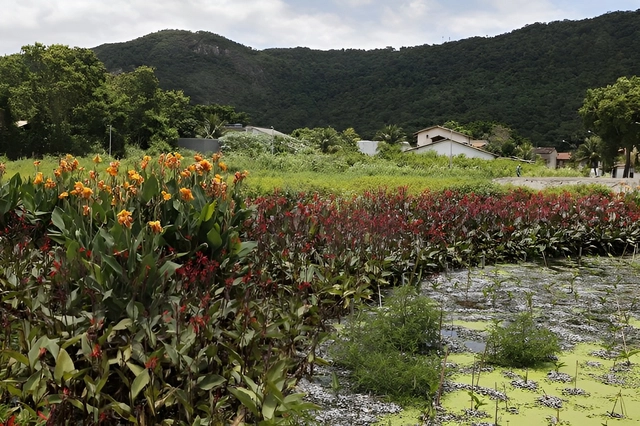
Filtering Garden at the Piratininga Coastline Park, Niterói (RJ) | Photo: Phytorestore Archive
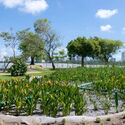
A recent study in Nature warns that water pollution could cause a water supply crisis by the end of the 21st century. Water quality will deteriorate particularly in parts of South America, sub-Saharan Africa, and Southeast Asia—regions that are already vulnerable. Reversing this scenario will require governments to prioritize sustainable development. To this end, nature-based solutions, such as filtering gardens, may become increasingly common.
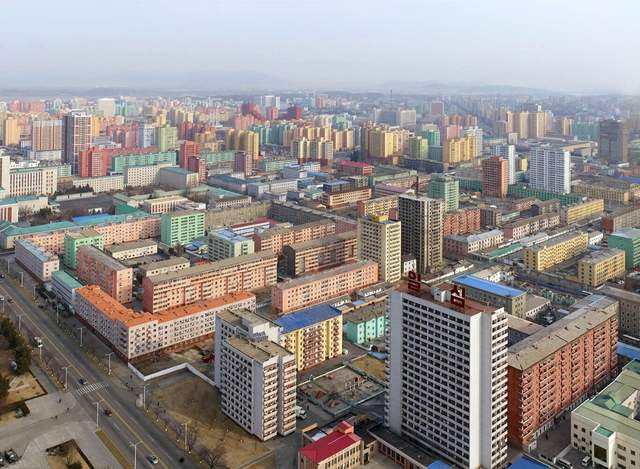
“Looking for a unique place to spend this Christmas and have a fun story to tell family and friends? Join us on our third Christmas visit to the Democratic People’s Republic of Korea! What better place to spend Christmas than in the heart of Pyongyang?”
To this day, I do not know if I should have taken the advertisement seriously. In any case, on December 24, 2018, I embarked on the “ultra-budget Christmas tour” promoted by Young Pioneer, one of the few travel agencies authorized to bring foreign visitors to North Korea.
While studying and traveling through cities around the world, one of the most striking urban scenes I witnessed was a square in Tokyo filled with uniformed children playing during their school recess. The square had only a low fence, yet a diverse range of people (like myself) could mingle and interact among the children. Childhood independence in Japan is world-renowned and was recently depicted in the Netflix series "Old Enough," where children under six run errands outside the home alone, without their parents. While these might be ordinary scenes for a Tokyo resident, for someone with a different urban reference point, the question "how is this possible?" immediately arises, so far removed is it from the reality of most of our large cities.
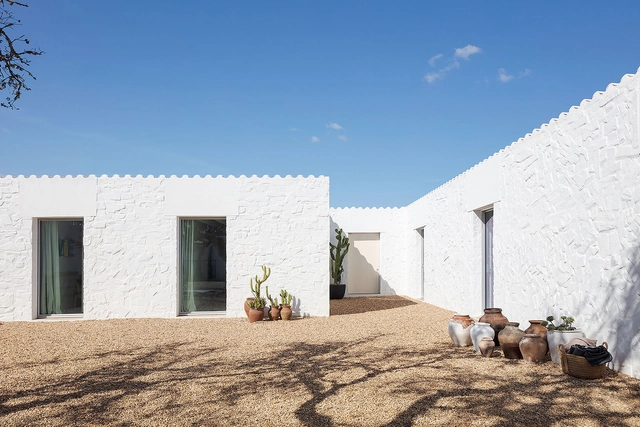
A technique used for centuries, particularly in hot, dry climates, limewashing can be applied to both interior and exterior walls. Beyond its affordability, this rustic finish offers numerous benefits that extend far beyond aesthetics: its light tone and striking texture create a compelling contrast between the building and its surroundings. Learn more about its advantages and how to apply this finish below.
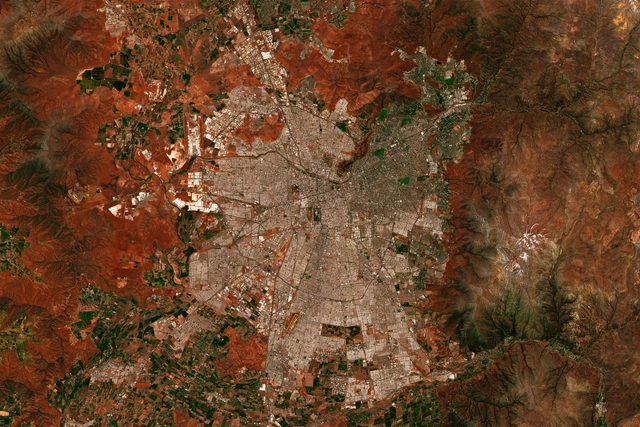
In recent years, population density in Santiago de Chile has gained significant prominence as an urban and architectural topic, as well as an economic, political, social, and environmental one. Its vast impact—both positive and negative—has generated conflicting viewpoints among experts, prompting us to ask: should we densify Santiago?
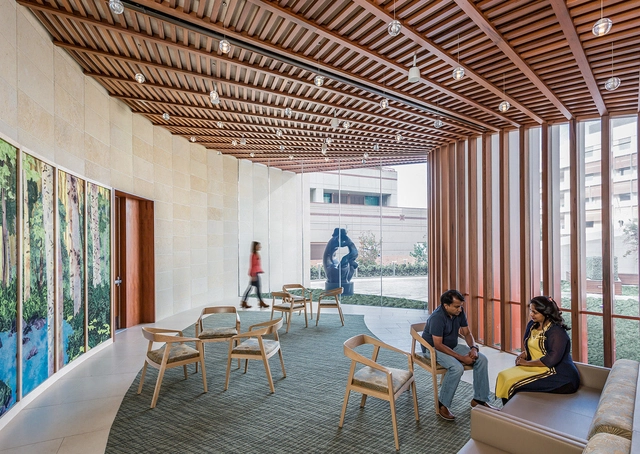
The contemporary understanding of neuroarchitecture has sparked a renewed focus on inclusive design, emphasizing the creation of environments that respect and respond to people's specific needs. Against this backdrop, the architectural design approach for individuals on the autism spectrum has gained prominence.