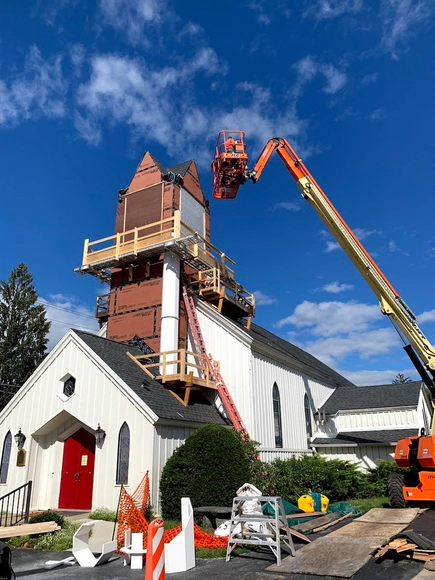
Historical buildings are both a connection between the past and the present, and a way to preserve local memory and culture. They are witnesses of a past era and living examples of specific constructive techniques, styles and materials from another time. Maintaining them is therefore essential in making local communities feel a sense of belonging and shared history, especially if the building is a meeting place in itself, like a church. This is the case of Calvary Episcopal Church – located in the city of Burnt Hills, New York –, a wooden frame construction completed in 1849 that survived a large fire in 1967. In the prominent bell tower, severe leaks became so common that it was feared the structure and 1,000-pound bell were on the brink of collapse. To remedy the situation while maintaining its familiar, signature look, the decision was to use PVC materials, known for their durability.
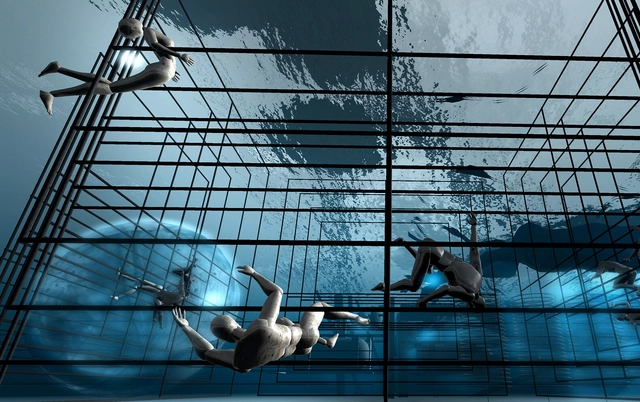
Image: Elif Ayiter/Alpha Auer/..../, via VisualHunt
Imagine the daily life of an architect today. There is a demand for a new project, a blank canvas full of countless possibilities. The creative delight is about to be started. The main constraints are established: brief, analysis of the terrain and surroundings, solar orientation and prevailing winds. The first sketches are created, always combined with structural knowledge, even if basic, fundamentally determining for those who live in the gravitational acceleration of 9.807 m/s².
But what if only the brief remains among these basic premises?
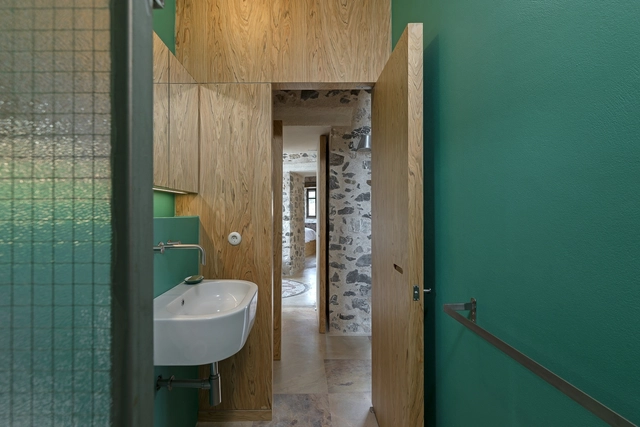
Thinking about woodworking in wet areas is one of the key parts of interior design. In the case of bathrooms, besides creating spaces for storing toiletries or towels, woodworking can serve as an element that composes the space by bringing different possibilities of decoration or even hiding pipes.
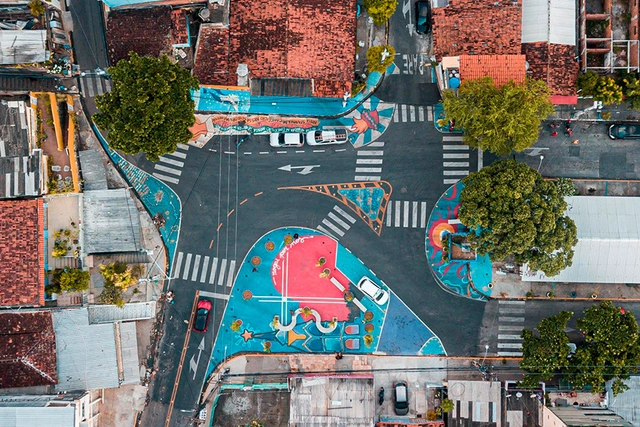
Active design and speed reduction have been transforming cities that adopt this urban planning strategy into safer, higher-quality spaces for people to walk, cycle, practice outdoor sports, and enjoy themselves.
By designing infrastructure that encourages residents of all ages to lead healthier lives, changing how they move around and experience public spaces, active cities positively impact the physical and mental health of the population, increase the appeal of these places and their economic vitality, and reduce environmental and noise pollution.
https://www.archdaily.com/1132287/low-speed-zones-make-the-city-more-active-and-saferSomos Cidade
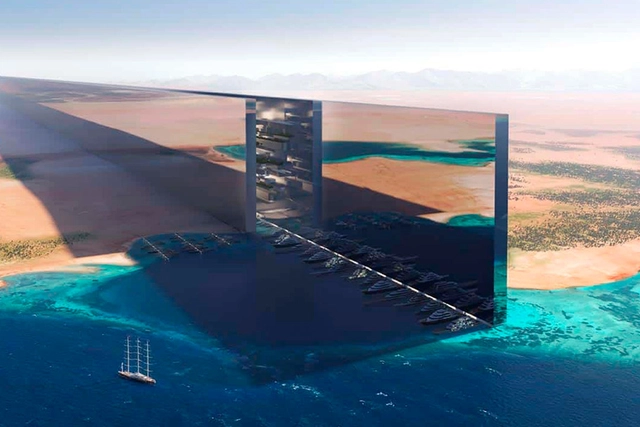
In recent months, the internet has been flooded with videos of the Middle East's new futuristic wonder: Neom, or The Line, a planned city commissioned by the Saudi Arabian government to rival its neighbors, Dubai and Abu Dhabi. As Henry Grabar writes, the city is a collection of buzzwords like "smart city," "net-zero carbon," and "15-minute city." In a world where images go viral faster than cities can actually be built, these concepts serve as powerful marketing tools. Yet, so far, no explanation has been offered as to how they will actually be implemented.
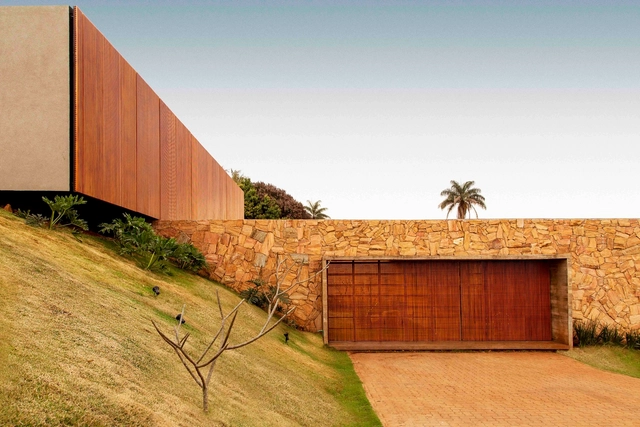
Inherited from ancestral techniques, dealing with natural stone as a building material is, historically, linked more to the structure of a building than to the finishing stage. With the development of construction, natural stones as a structure were replaced by more efficient and cheaper systems, such as reinforced concrete or even metallic structures and structural masonry, opening space for the use of stones as finishes and coatings.
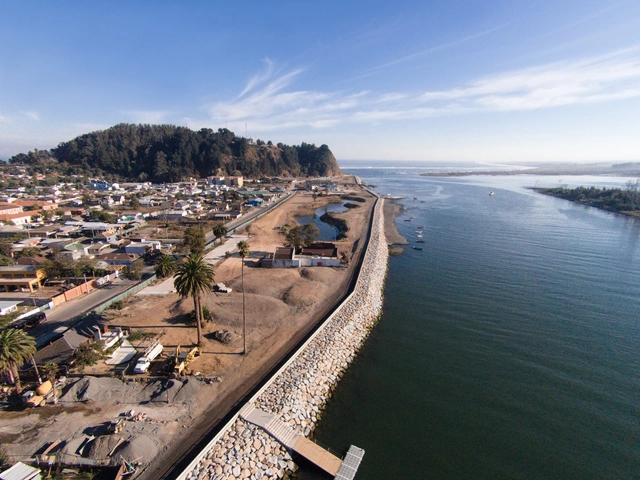
Earthquakes, tsunamis, mudslides, and wildfires are just some of the natural disasters that Chile has experienced throughout its history. Every November 5, the UN-declared World Tsunami Awareness Day is observed to promote a global culture of preparedness and awareness around this issue. Following the 27F earthquake and tsunami in 2010, Chile had to maximize its efforts to improve its emergency management and construction regulations, streamline reconstruction plans, and place greater emphasis on the strategic planning of its cities, given the country's vast number of coastal urban settlements. This opened up new possibilities for waterfronts. Below, we invite you to reflect on the future of the urban image of Chile's coastlines through the example set by the city of Constitución.
fala - House with Three Gestures. Image Courtesy of fala
This week’s curated selection of Best Unbuilt Architecture highlights projects submitted by established firms. From a museum dedicated to Jewish history to a high-speed railway hub and a university student center, the following selection showcases a variety of concepts, design approaches, and programs developed by global architecture offices.
Featuring firms like KPF, Aedas, Fala Atelier, ADP Architecten, and Peter Pichler Architects, this week's selection of unbuilt projects explore architectural and urban interventions at different scales and at varying stages of their development. Whether conceptual works or ongoing, planned for execution, and even under construction, each project aims to offer an appropriate response to the spatial, functional, social, and environmental needs of its context.
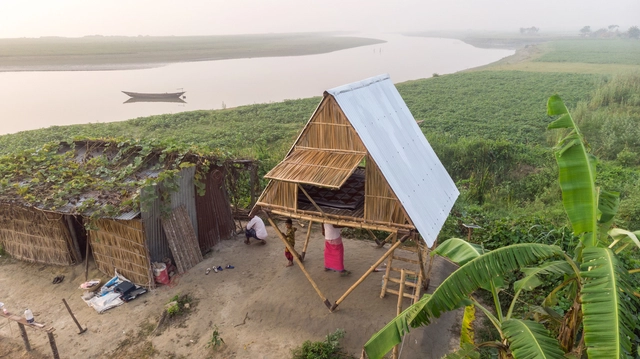
It’s an essential component of the design process, where spatial ideations are translated into built form – the design of the prototype. Architectural projects, throughout history and in contemporary practice, have been prototyped to carry out both technical and aesthetic tests, where further insight is gained into the integrity of the design. It’s the blurred line between the experimental and the practical.
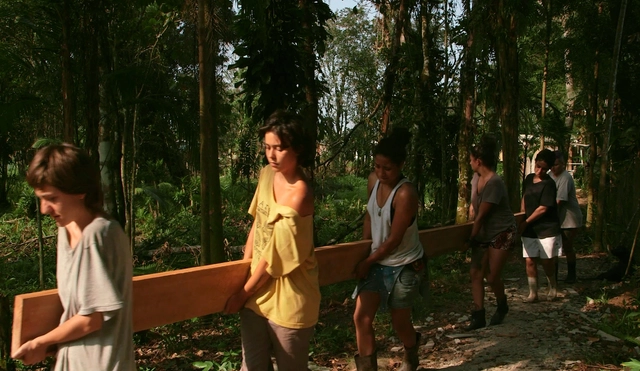
All-female volunteer construction effort (mutirão) for the home of Derick's mothers. Via Vimeo. Public Domain
Architecture and the spaces that surround us, much like art, fashion, food, and so many other aspects that support the physical and social construction of a society, play an essential role in maintaining the moral and cultural values established within it. Among built spaces, housing has perhaps played the primary role in producing and reproducing power relations both within and beyond the private sphere.
From a gender and sexuality perspective, it is within the domestic environment that we most explicitly observe the use of architecture as a moral vector, aiding in the construction of specific roles for female and male figures, and in establishing the nuclear family as the foundation of Western society.
The Great Wars of the early 20th century brought several social transformations, including the introduction of women into the labor market. Decades later, work dynamics are different, but the market continues to reinforce the division of labor by gender and to explore the triple shift. However, there are gaps for possible transformations.
With the political, economic, social and ecological rollercoaster seemingly careering out of control, we are discovering what might be considered by some as the blooming obvious but by much of the business world who often like to box consumers, a hurdle: we humans are multifaceted and changeable. For Baiju Shah of Accenture Song, the creative arm of the consulting conglomerate, the term life-centric is replacing customer-centric, as people grapple to focus in on themselves, their health, happiness and survival, while panic planning for the future of the planet.
https://www.archdaily.com/991653/humanscale-a-new-path-for-workplace-designEmma Moore
Exeter College Cohen Quad, London / ABA / Photo by Studio8. Image Courtesy of ABA
In March 2021, ACO and AIT-Dialog successfully launched a virtual tour through the seven continents of the world, inviting architects, urban planners, engineers and landscape architects to become part of "beyond.aco | architecture across continents". Now the journey continues: Join them at their next live event on 8 November 2022 and look forward to inspiring lectures from international speakers.
Our quest today for the natural, the hand-crafted and the original in our built environments is righting some of the wrongs we’ve inflicted on our land and seas with the mass production of products made from synthetic materials. It’s also exposing a contemporary yearning for warmth, comfort and poetry in our surroundings, not seen perhaps since the seventies slump – the last economic happening that opened design doors to bamboo and rattan, and cosseting ‘fat’ furniture.
https://www.archdaily.com/991305/craftsmanship-in-lighting-design-handmade-luminaires-from-forestierEmma Moore
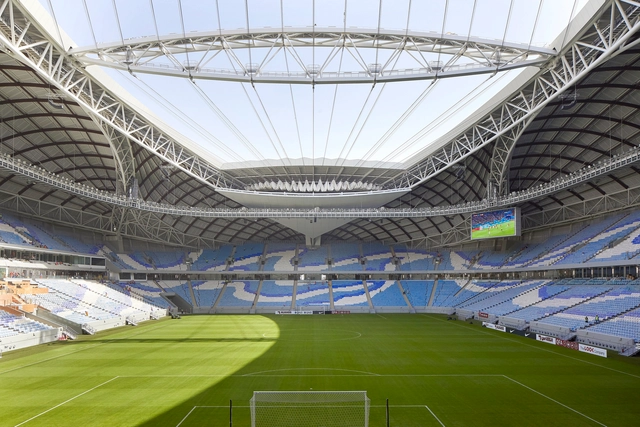
The World Cup will take place between November and December. This is due to the host country’s climate in June and July when Qatar can reach average temperatures of 40 to 50°C.
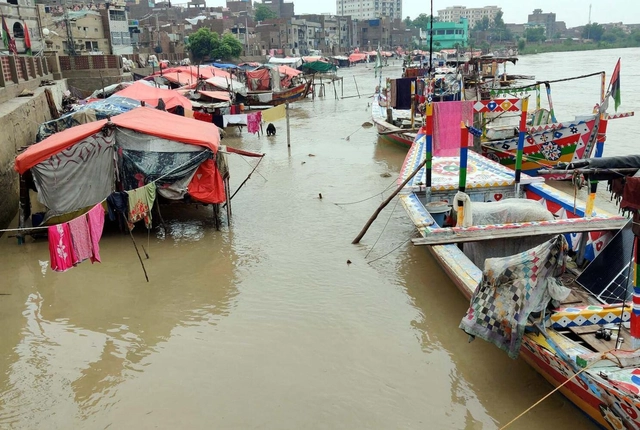
Flooding of the Indus River in Pakistan. The intense flooding in Pakistan was just one of many extreme weather events that affected communities around the world in 2022. Photo: Asianet-Pakistan/Shutterstock
This year's United Nations Climate Change Conference, COP27, takes place against a backdrop of multiple global crises.
The cascading effects of COVID-19 and Russia's invasion of Ukraine have pushed energy prices to record highs. At the same time, unprecedented climate disasters are causing devastating and widespread disruptions. Historic levels of rainfall, heat, drought, wildfires, and storms are battering virtually every corner of the globe.
https://www.archdaily.com/1131857/6-global-priorities-for-cop27Nathan Cogswell, David Waskow, Rebecca Carter, Jamal Srouji, Nate Warszawski, Preety Bhandari, Nisha Krishnan e Maria Lemos Gonzalez
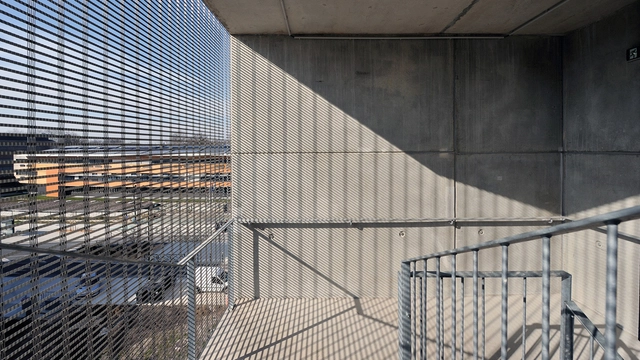
Versatility is the main characteristic of wire mesh. They can be used indoors, as ceilings and walls, but also outdoors, covering railings or wrapping entire buildings. In addition to its many possible uses, versatility is intrinsic to the material: Depending on the choice of warp and weft wires and the type of weave, the result is an individual mesh with a specific look and light effect, that can be further expanded with different materials or colored mesh surfaces. Another notable quality of the material is the safety it provides, either in guard rails on walkways, vehicle bridges with sidewalks, central atriums, elevated playgrounds, multi-storey parking lots, or internal or external stairways.
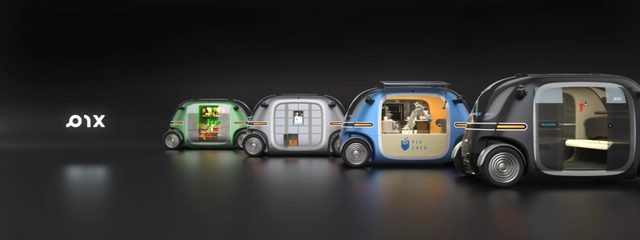
PIXCITY is a prototype proposed by PIXCITY DAO to encourage the exploration, design, and construction of the future city. It is an experimental project that merges new technologies and artistic design, which will be completed both online and offline.