August 19 is World Photography Day. To mark this occasion, we present the winning entries of the recent photography competition "Interculturality and Inhabited Heritage" ("Interculturalidad y Patrimonio Habitado").
August 19 is World Photography Day. To mark this occasion, we present the winning entries of the recent photography competition "Interculturality and Inhabited Heritage" ("Interculturalidad y Patrimonio Habitado").
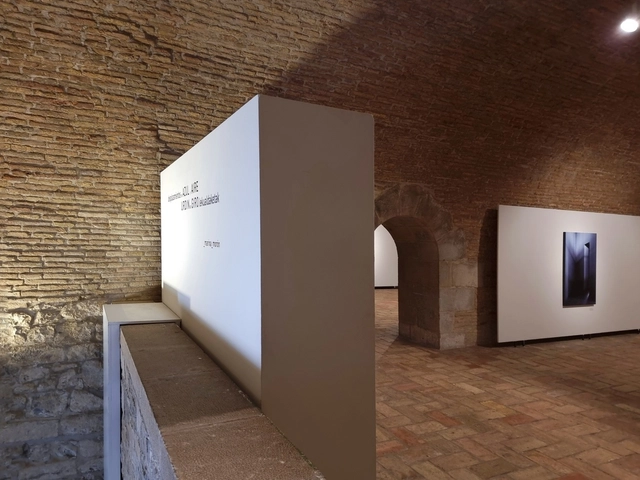
The internationally renowned art collective _marina_morón (comprising Dr. Jesús Marina, PhD in History, and architect Dr. Elena Morón, PhD) inaugurated their latest work at the Pabellón de Mixtos of La Ciudadela in the city of Pamplona.
The exhibition is sponsored by the Basque-Navarrese Association of Architects and the Pamplona City Council, and will remain open to the public until March 15, 2022.

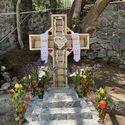
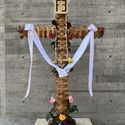
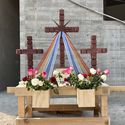
May 3rd is a holiday originating from the Finding of the Holy Cross (also known as May Cross or Feast of the Crosses), which traces its roots back to Roman rites celebrating the Cross of Christ. Over time, this commemoration has evolved and been adopted across cities in Mexico, Chile, Spain, Ecuador, El Salvador, Guatemala, Paraguay, Peru, Trinidad and Tobago, Argentina, Colombia, and Venezuela, where traditions include floral decorations, processions, and dances.
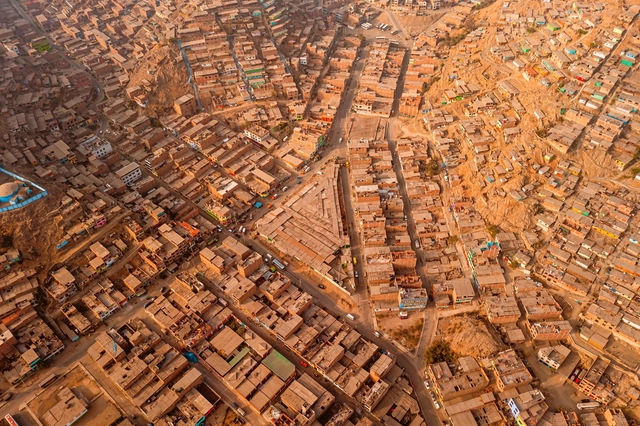
The IPCC has published its latest report on the environmental crisis, "Climate Change 2022: Impacts, Adaptation and Vulnerability." The latest findings warn that urgent priority must be given to action on the adaptability of the built environment, noting that, globally, the most rapid growth in urban vulnerability has occurred in informal and unplanned settlements, as well as in small to medium-sized urban centers in low-income countries with limited adaptive capacity. This is a recurring reality across Latin America.
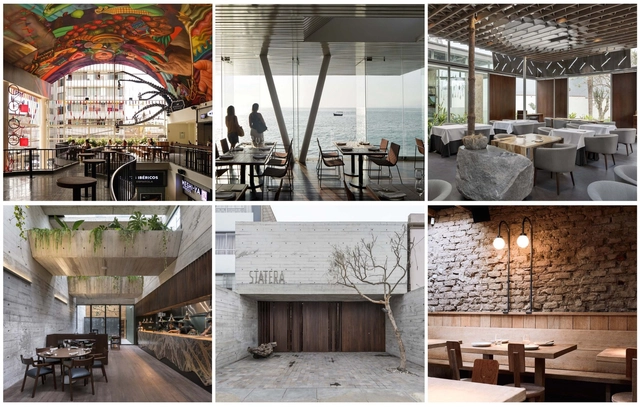
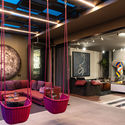
The world of gastronomy is about far more than just food; space plays a vital role in the overall dining experience. To achieve this, architecture transcends mere functionality to cultivate distinct atmospheres through the meticulous curation of light, acoustics, color, texture, and form, ensuring both intimacy and comfort for diners.
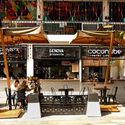
The city of Lima—capital of Peru, a preeminent culinary destination—features a diverse array of restaurants and cafés that reflect the country's rich heritage. Below, we present a selection of 10 restaurants and cafés offering unique dining experiences across the city.

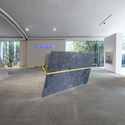
Could a space be one and many at the same time? Under the name Minimum Common Multiple, Estudio BNAA has designed a space of minimal footprints—typically used for commercial premises or offices—with the unique feature of being able to transform into multiple spaces simultaneously. Located in San Luis, Argentina, the project references the mathematical concept of the least common multiple (LCM) but from a different approach and function, combining movement, flexibility, and the use of magnetism as a construction system.
.jpg?1653504502)
Ana García, architect and founder of NeuronaLab, recently interviewed Aureli Soria-Frish from the company Starlab. They discussed how the latest technological advances are increasingly being used to objectify neural activity and the emotional states associated with architectural spaces. Below, she shares her key reflections.
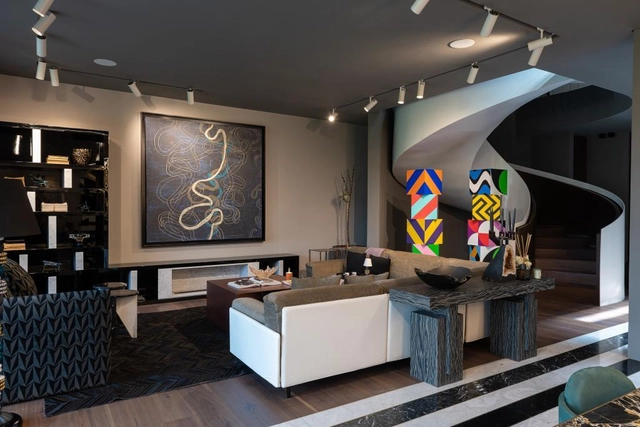
Mexican interior designer and artist Olga Hanono has been invited to present her latest exhibition, DREAMVILLE, at La Biennale de Venezia Modigliani Opera Vision, from May 1 to July 31, 2022. The collection is inspired by the human capacity to dream, reflecting on imaginary objects that might exist within a dreamscape, along with the variety of colors and shapes found in distant stars, planets, and galaxies. Hanono has created art pieces and furniture using unconventional, luxurious materials.

This year we celebrate the fourteenth edition of the Obra del Año 2022 award—the highest recognition in the Spanish-speaking architectural world, where the winners are chosen by popular vote. Starting today, Tuesday, March 8, our readers will be responsible for determining which projects inspired us during 2021, faithfully representing the identity of our local contexts while shaping the way architecture is practiced around the world.
Over the next three weeks, the entire ArchDaily en Español network (Plataforma Arquitectura, ArchDaily México, ArchDaily Colombia and ArchDaily Perú) will serve as the platform to celebrate the best built architecture in Spanish-speaking America and Spain.
With nearly a thousand projects published in 2021, you can easily find your favorites by browsing through each category and using the search engine to filter projects by country and architecture firm.
The 2022 Obra del Año Award is brought to you by Dornbracht, renowned for its design leadership in architecture, which can be found internationally in bathrooms and kitchens.
 .
.
CHINAS CHINAS is a research project conducted by FLORA. It maps a trajectory through the city of Buenos Aires, Argentina, based on a typological analysis of Chinese supermarkets. Its objective is to recognize and explore the modes of appropriation and domestic micro-scales that occur within them, demonstrating that urban architecture is shaped by everyday banalities. Ultimately, architecture takes on meaning when living conditions are defined by the people themselves. Inhabiting—beyond mere functionality—is precisely about this.
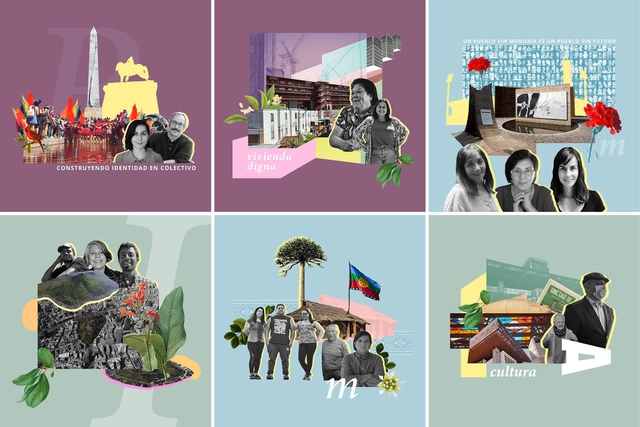
The fourth season of the podcast Causa Común—a co-production between Fundación Lepe and Fundación Aldea for the OH! Stgo festival, held in mid-January in Santiago, Chile—explores the past, present, and future of the capital, alongside the role of its inhabitants in prioritizing the common good and collaborative ways of making, inhabiting, and imagining our shared home.
Directed and coordinated by Francisca Cordero, Soledad Díaz de la Fuente, Magdalena Novoa, and Trinidad Piriz, the six-episode season examines the everyday stories, communities, monuments, and public spaces we inhabit from new perspectives. Featured topics range from the multiple identities of a public square, female leadership in housing projects, and the construction of urban memory, to island hills as socio-environmental opportunities, Mapuche urban dwelling, and the GAM building as an exponent of architecture and social change.
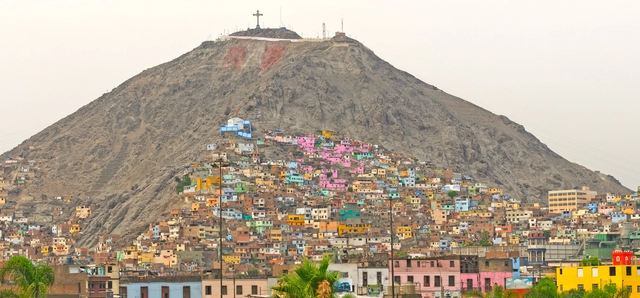
"Lima La Impostergable" (Lima, Unpostponable) is an initiative by the Lima Regional Chapter of the College of Architects of Peru. It aims to establish a roadmap for priority issues to be addressed by the 2023–2026 municipal administration of Metropolitan Lima and Callao, built through a platform of citizen engagement.
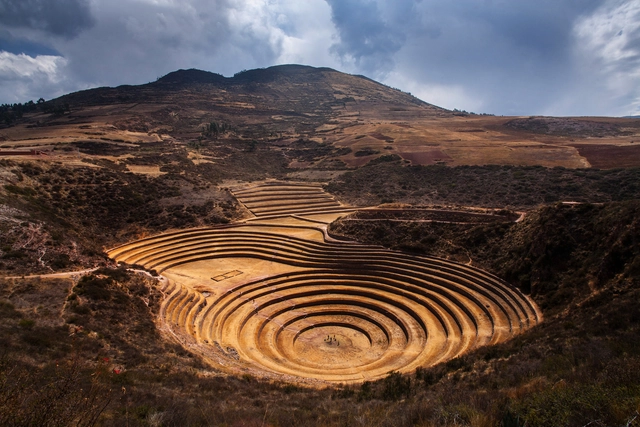
The project “Moray, the lost territory – Experiencing Muyus” was developed as part of AAVS Nanoturismo, an experimental teaching, research, and development program by the AA Visiting School of the Architectural Association, School of Architecture in London, United Kingdom. It was carried out by a multidisciplinary team in 2019 in Maras, Cusco, Peru.
Nanotourism reconsiders traditional tourism, shifting it toward a critical, creative, and local perspective. Accordingly, the study utilized the PAR (Participatory Action Research) method, which, through participation, action, and research, identified key “hidden” aspects within this context.
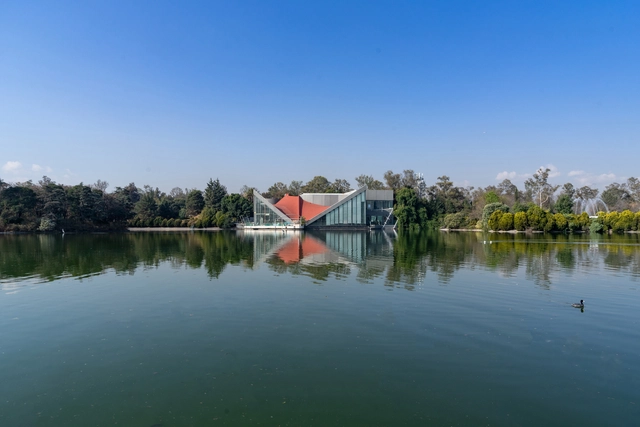
As part of the cultural program for Art Week and as a response to the pandemic crisis, a new space has opened its doors in Mexico City to reimagine our current situation and rethink our relationship with public space and the Chapultepec Forest. From the roots of change generated by this crisis emerged the opportunity to recover and repurpose the iconic building known as "Restaurante Lago"—inaugurated on October 24, 1964, and designed by architect Alfonso Ramírez Ponce—giving it a new purpose: "to transform the private into public, the exclusive into inclusive, the social into cultural. To peel back the layers of history and return the present to its origin, rediscovering an icon of 1960s modern architecture."
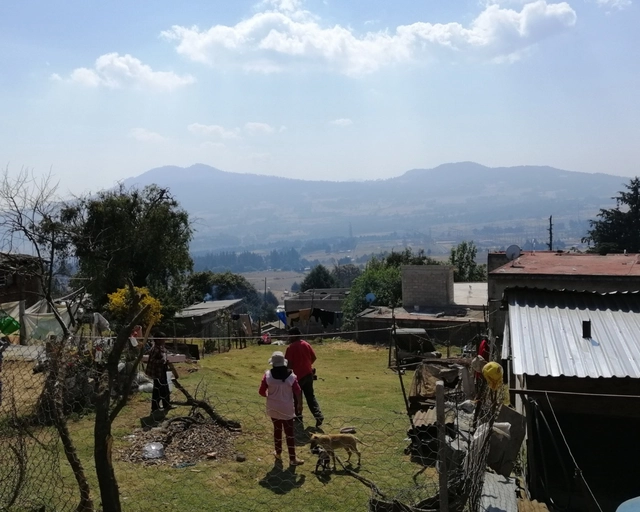
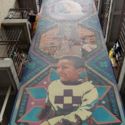

An increasing number of disciplines are engaging with the right to housing. Whether in the realms of architecture, law, economics, urban planning, geography, or political science, diverse voices have sought to identify the obstacles to its fulfillment, especially within increasingly hostile urban environments. Yet, while we all talk about the right to housing, we are not speaking of the same thing.
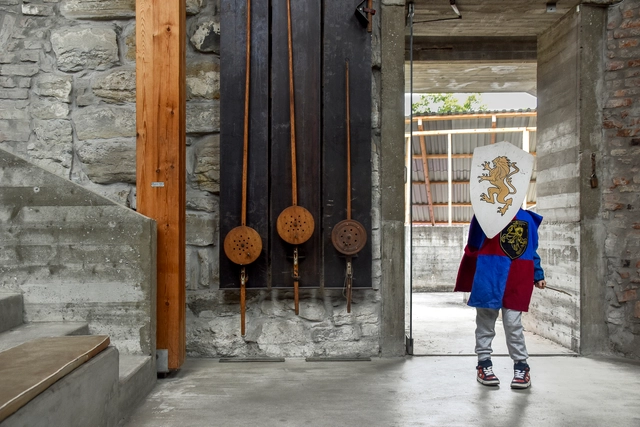
“Architecture is embedded storytelling,” wrote Marco Frascari. Emphasizing the reciprocity between architecture and narrative throughout his career, this Italian architect, theorist, and educator saw stories as the key to creating a “nontrivial”—and therefore transcendent—architecture. It is from his ideas, writings, teachings, and studies that the reflection inspiring this text arises.
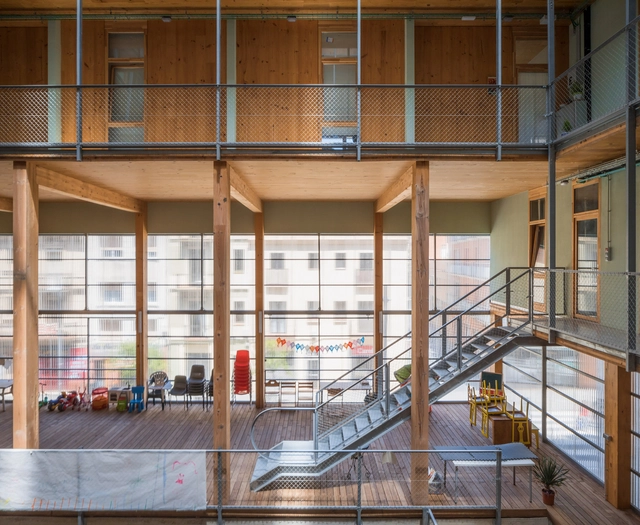
Cooperative housing, or co-housing, is a residential model that promotes access to housing in cities. This model first developed in countries like Denmark and Uruguay, and it is becoming increasingly popular throughout Europe. Indeed, it arrived in Barcelona several years ago and has since steadily expanded throughout the region, spreading beyond the boundaries of the Catalan capital. Below, we explore the cooperative housing model in Barcelona and how it contributes to a more democratic architecture for its citizens.
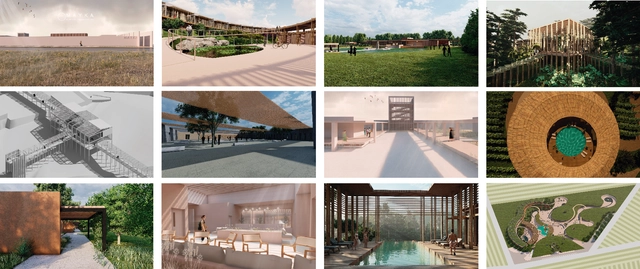
More than a decade ago, a new initiative emerged to redefine the architectural pedagogical system. With an influence that today spans countries like Argentina, Peru, Mexico, Venezuela, Guatemala, and the United States, the Virtual Workshop of the Americas (TVA) successfully and synergistically brings together education, collectivity, and virtuality. Architects Nahuel Salcedo and Celeste Gómez Lahoz are part of the coordination team driving this project forward year after year. Here, they explain the initiative in greater detail.