On Friday, September 25, the first Digital Event organized by ArchDaily took place, sponsored by Crest and Panel Rey for the Mérida-based architectural community. During the event, David Basulto (founder of ArchDaily) and Vanessa Vielma (Director of ArchDaily Mexico) gave a talk on the platform's history and shared relevant data specific to this context.
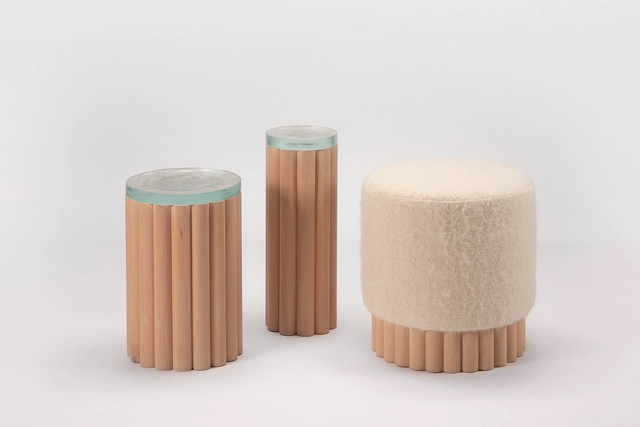
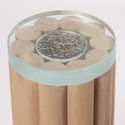
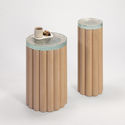
PECA design studio—led by Mexican architect Caterina Moretti—launches its new collection titled "Loto," crafted from beech wood, fused glass, and wool. It features two side tables with tops made of recycled glass fused in Tlaquepaque—providing the transparency needed to appreciate the interior of the pieces—and a pouf upholstered in sheep's wool woven on a backstrap loom in San Juan Chamula, in the Chiapas Highlands, which leaves a minimal portion of its wooden base exposed to highlight the contrast between the two textures.
As part of an initiative by architects and urban planners to mark the 50th anniversary of the founding of Cancun in Quintana Roo, Mexico, two comics have been released to portray the history of Cancun's Foundational Zone. Created by Pablo Landa of Landa + Martínez and David 'El Dee' Espinosa, this work explains the origins of the city's urban layout, as well as the history behind Cancun's Foundational Zone, to help understand its sustainable, pedestrian-friendly origins that promote community life.
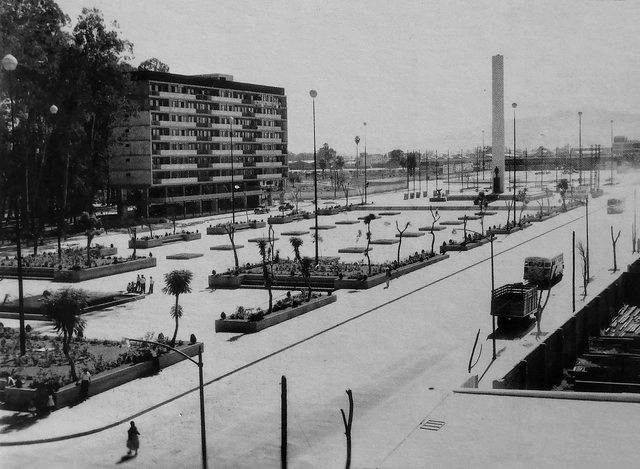
The moniker of having “built half the city” is often an exaggeration when discussing architects with a large volume of work. However, in the case of Julio de la Peña, the claim is not so far-fetched. This is true not only because of the sheer number of his projects, but also due to how iconic they are for Guadalajara.
COVID-19 will likely change the way we live and work for an extended period. In this landscape, organizations have been seeking short-, medium-, and long-term solutions to guarantee their staff a safe return to work. Protecting the health of employees exposed to contact in the workplace requires implementing biosecurity strategies, social distancing, occupancy limits, cleaning, and disinfection. This article explores preventive measures recommended by HID Global, based on the application of identification technologies.
With the emergence of COVID-19, we have had to adapt to living differently than we were used to, which has been directly reflected in our working style. Where and how do we work today? A large portion of the workforce has transitioned to working from home, where feasible. While comfortable for many, for others it has meant a radical shift, bringing new spatial and resource requirements. For architects, engineers, builders, and contractors, this challenge has been particularly complex, as much of their work involves handling large, high-cost devices.
In this article, we present 3 innovative solutions that replace the traditional, bulky plotter, allowing us to print in large formats from our own homes.
Water is one of the non-architectural elements most frequently used to complement design, harmonizing atmospheres and the overall experience of living. This can be achieved through reflecting pools, basins, fountains, or swimming pools. In tropical climates, it becomes a key tool that consolidates the architectural program, gathering spaces together and inviting residents to socialize around the pool.
Suba- Nuestro Jardín-NerioGuevara. Image Cortesía de Bicistema
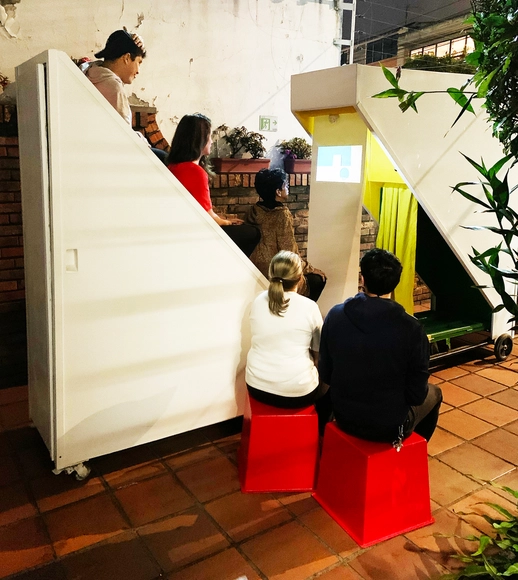
In large Latin American cities, marked by deep class polarization, insecurity becomes one of the direct outcomes of a lack of inclusive planning. In Bogotá, socioeconomic classes are divided into strata from 1 to 6—with 1 representing the most vulnerable population and 6 the most privileged. Bicistema has carried out four interventions in the localities of Kennedy, Suba, Teusaquillo, and Tunjuelito at public space points critical to women's safety.
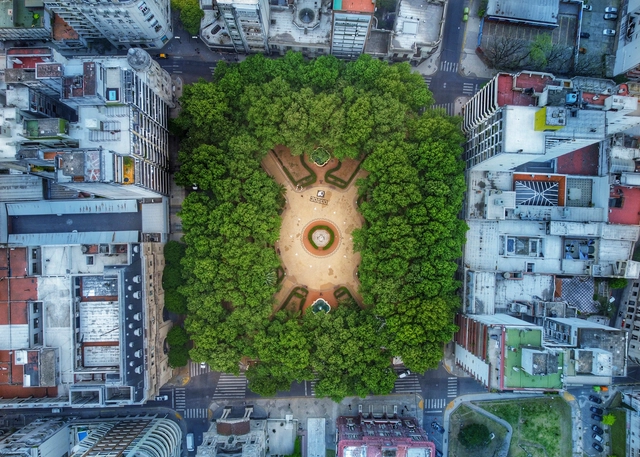
With an average of 12 square meters of green space per inhabitant, the city of Rosario was declared Argentina's "greenest" urban enclave in a recent report published by the Inter-American Development Bank's (IDB) Emerging and Sustainable Cities Initiative. This figure aligns with the standards set by the WHO, which recommends between 10 and 15 square meters of green space per person to ensure a decent quality of life for all citizens. The creation of new parks in recent years, combined with the upgrading of over 70 existing ones through the addition of amenities and technology, highlights the significance of green spaces for the people of Rosario.
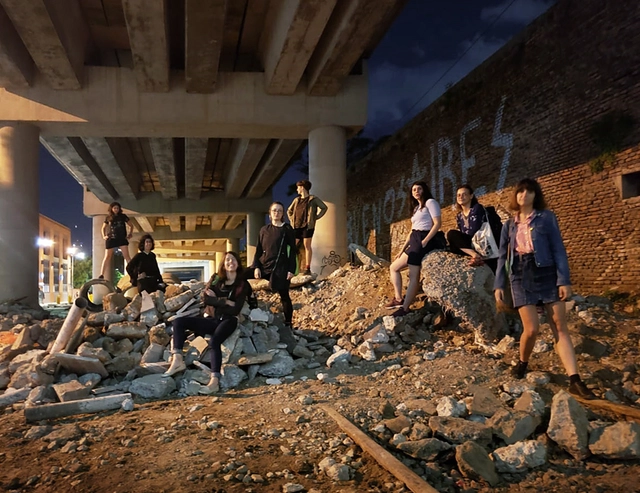
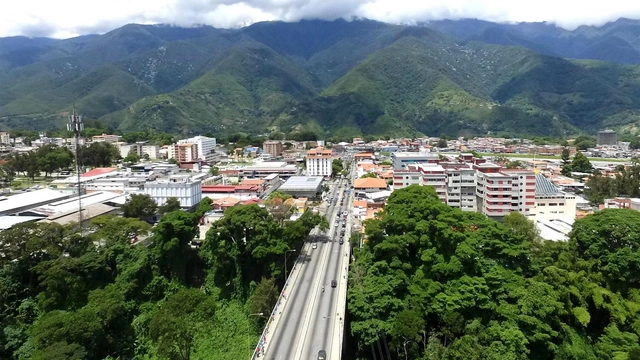
Five years after our first encounter with the hidden substructure of Viaduct #2 in Albarregas Park, in the city of Mérida, Venezuela—and more than ten years since its reclamation by a growing community of skateboarders and street artists—this cultural hub continues to endure, an endogenous space driven by the momentum of its own effervescence.
The state of Michoacán is located in western Mexico, bordered by the states of Jalisco, Querétaro, Guanajuato, Estado de México, Colima, and Guerrero. Covering an area of 58,598.7 km², it faces the Pacific Ocean. Its capital is Morelia, and it is the country's ninth most populous state. Furthermore, it boasts three UNESCO designations: 1) World Cultural Heritage for the Historic Center of Morelia, 2) World Natural Heritage for the Monarch Butterfly Biosphere Reserve, and 3) Masterpiece of the Oral and Intangible Heritage of Humanity for the Day of the Dead celebration.
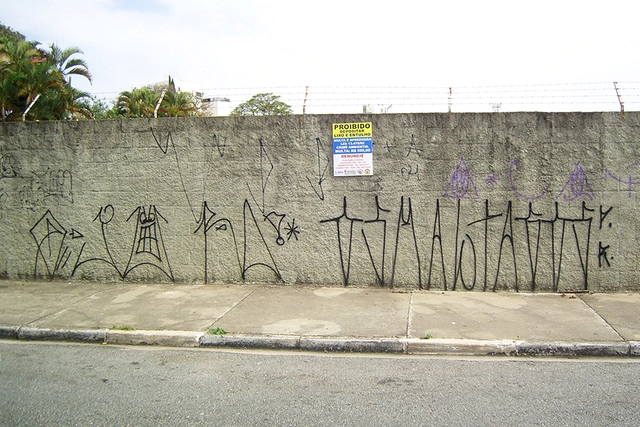
Since the second half of the twentieth century, Brazil has become globally recognized for urban insecurity. Since then, the problem has intensified, with extraordinarily high homicide rates—comparable, in many cases, to countries at war. In 2018, 17 Brazilian cities ranked among the 50 most dangerous cities in the world.
https://www.archdaily.com/1123980/how-urban-violence-shaped-brazilian-citiesPaulo Sa Vale
La Parleta is a project by the Ecuadorian architecture and construction collective EseColectivo, which gathers "highly valuable reflections, anecdotes, and experiences surrounding the profession." Below, we share some of their thoughts alongside their fourth episode, "Post-Apocalyptic Architecture."
Nicolas Norero presents a new season of his podcast, continuing his conversations on identity, memory, and ways of life. In this edition, the featured guests are Dust Architects, Salvador Macías, Luis Callejas, Grupo Talca, Germán del Sol, and Enrique Walker.
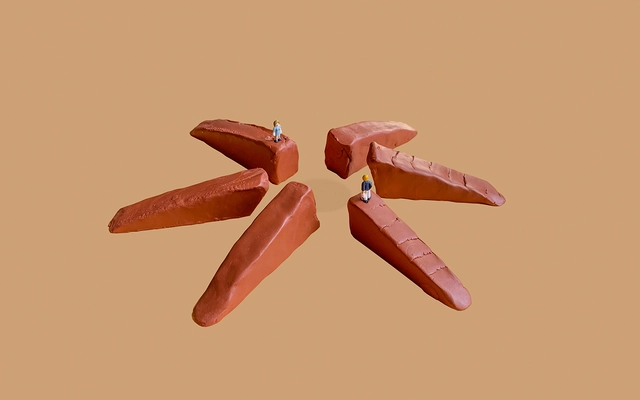
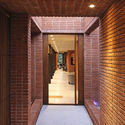
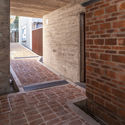
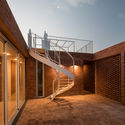
While brick is one of the preferred construction methods within the architectural culture of several Latin American countries, Uruguay's unique history with this material has been deeply shaped by the contributions of the renowned engineer Eladio Dieste. His work pushed brick to its ultimate lightness, creating curved surfaces through a pioneering technology he termed reinforced ceramics. In doing so, Dieste offered the country—and the world—a new perspective on the structural possibilities of brick, strengthening its role in local identity and inspiring further exploration and design with the material.
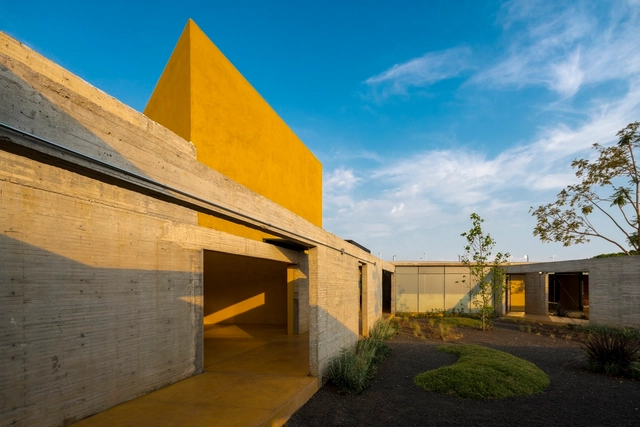
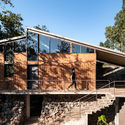
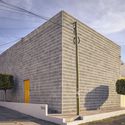
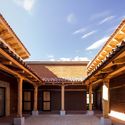
The state of New Mexico is located in the western region of the United States, bordering Colorado, Oklahoma, and Texas (in the US) and Chihuahua (in Mexico). It has the highest percentage of Spanish-speaking population in the United States. As part of Aridoamerica, its landscape is predominantly shaped by cacti and desert species.
The following article proposes rethinking architecture as a subject rather than an object. Carlos Medellín delves into the topic, arguing from both experimental and academic perspectives how people-centered architecture acts as an agent of change.
Observing the reality of our built environment allows us to recognize that certain identities are not represented by existing models and scales. Unsurprisingly, these voices have been conspicuously absent from the planning and construction processes of cities and their architecture. Their desires, ways of being, and modes of inhabiting the world have been excluded and rendered invisible. This prompts us to rethink: Which voices are legitimized in urban debates, and for whom is the city designed?
.jpg?1601431851 "© Taller Estilo Arquitectura")
.jpg?1601431998 "© Estudio 360")










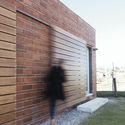

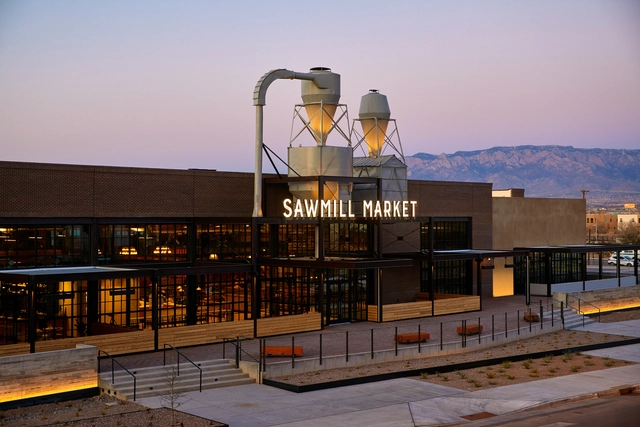
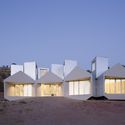
_-_Art_Gray.jpg?1593480840 "Central New Mexico Community College Westside 1 Building / Gould Evans + Design Plus. Image © Art Gray")
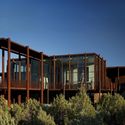
.jpg?1593480863 "Abiquiu House / Anderson Anderson Architecture. Image Cortesía de Anderson Anderson Architecture")