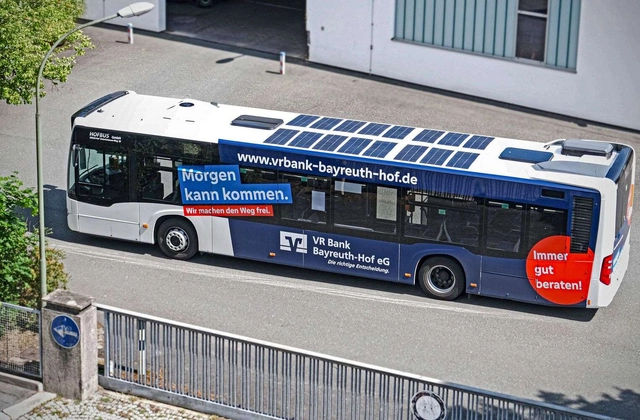
The first bus to be equipped with solar modules is running in the German city of Hof, in northeastern Bavaria. Photo: Sono Motors
The German company Sono Motors became world-famous for developing the Sion, an electric car powered by solar energy. However, due to a lack of funding to support pre-series production, the project was terminated in February of this year, and the company’s focus is now on adapting and integrating its patented solar technology into third-party vehicles.
This business setback could be good news for the environment, since instead of focusing on individual vehicles, the business model has been restructured to serve a wide range of vehicles, including buses, trucks, and refrigerated vehicles.
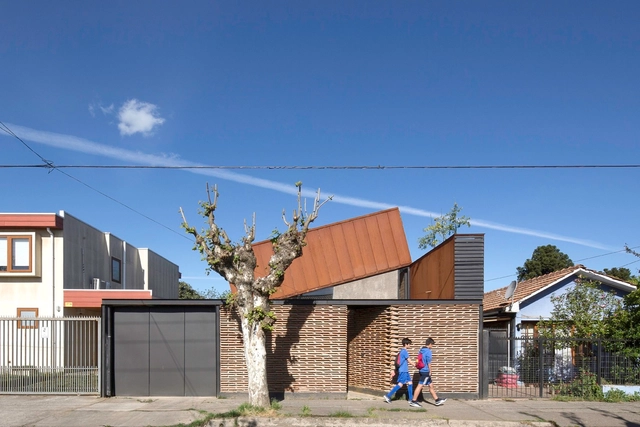
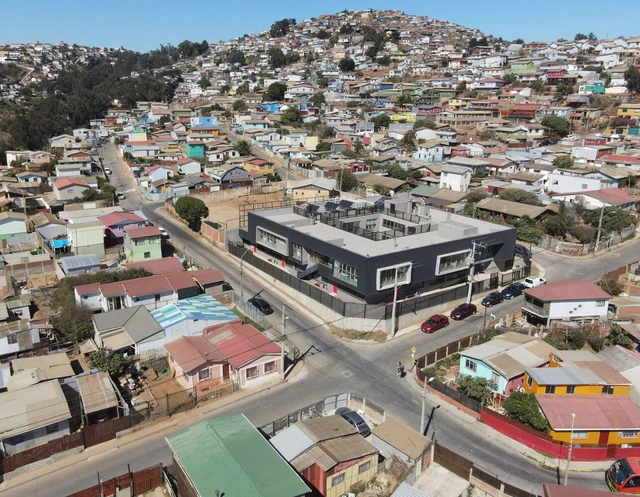
Courtesy of Raúl Goycoolea. ImageGolondrina Kindergarten and Nursery School in Valparaíso
While Chile is recognized as having one of the best education systems in Latin America, it also maintains a dual public and private system where disparities can often be significant. To address this issue, the Ministry of Education (MINEDUC) launched the Educational Reactivation Plan, which aims to allocate 100 billion Chilean pesos to preserve the infrastructure of public educational facilities.
City of Valparaíso, Fifth Region, Chile. May 21, 2017. Image via Shutterstock / MARCELODLT
Several new projects have been introduced this year that bring significant changes to transit options for Chile's residents. These include the addition of the new Santiago Metro Lines and a new preliminary cable car project designed to connect Valparaíso with Placilla de Peñuelas.
In August, the Colegio de Arquitectos de Chile celebrated its 81st anniversary at its National Headquarters in Santiago. To mark this anniversary, the 2023 CA Awards ceremony was held.
How are Brazilian municipalities preparing to face climate change? What laws are being created? How are resources being invested? To increase transparency regarding public policies focused on the climate and the environment, the Diário do Clima was created.
Lagos, Nigeria. Photo: Dami Akinbode, via Unsplash
African countries have issued a stark joint declaration calling on major polluting nations to help poorer countries develop without further destroying the planet's climate and ecosystems, as wealthy nations did. They advocate for a global carbon tax as the primary mechanism to enable sustainable investment in vulnerable countries.
On Tuesday, September 26, the National Electoral Commission released the list of architecture and urbanism professionals eligible to vote in the October 10 elections.
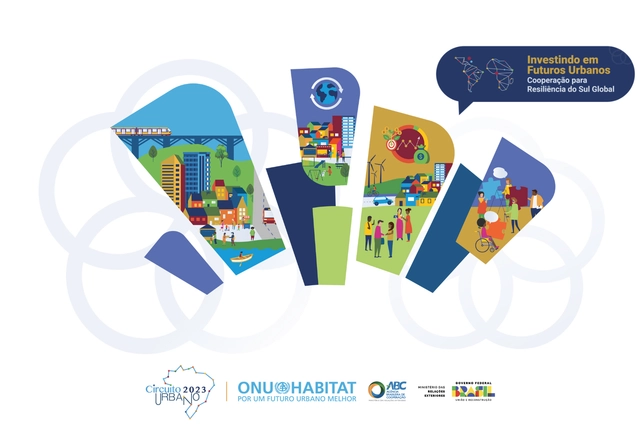
Throughout October, more than 230 events will discuss building urban resilience in the Global South. Featuring representatives from over 20 countries in Latin America and Lusophone Africa, the 2023 Urban Circuit (Circuito Urbano) will take place from October 2 to 31. The schedule is now available on the event website.
The results of the National Wood Architecture Prize - PNAM’23 have been announced. In its seventh edition, the award recognized a winning project and two honorable mentions in “Sustainability and Circular Economy” and “Material Typology.”
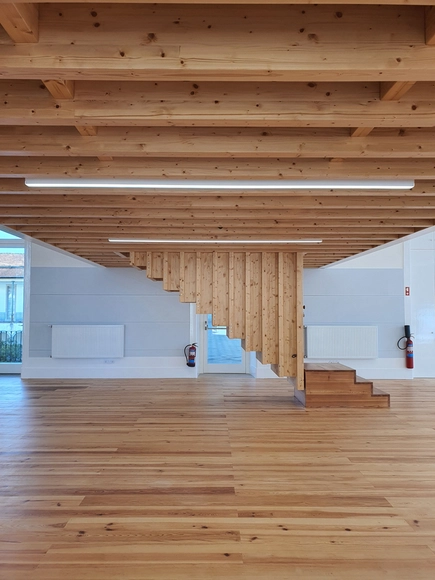
The top prize was awarded to the renovation of Sala Projeto I - Colégio das Artes at the University of Coimbra, designed by architect Paulo Providência, with carpentry by Veiga Lopes, S.A., Carpinlux, and Brito Móveis. The University of Coimbra was the institution responsible for executing the project.
https://www.archdaily.com/1136007/meet-the-winners-of-the-national-wood-architecture-award-pnam23ArchDaily Team
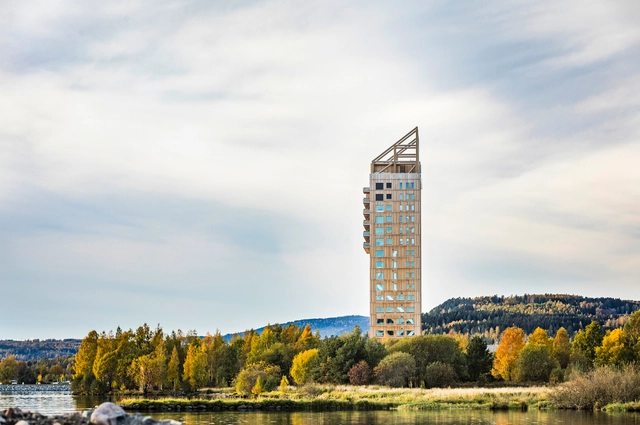
Across the globe, sustainability and innovation in construction are constantly evolving, and wood structures are presented as a promising option. ArchDaily presented The Future of Wood as its monthly topic, opening up a discussion to explore and hear predictions and thoughts from our readers regarding the future of this material in architecture and urbanism. Is wood the key to a more sustainable and livable urban future? Or are there challenges we must address before embracing this trend? What are the implications for architecture, cities, the economy, and the environment?
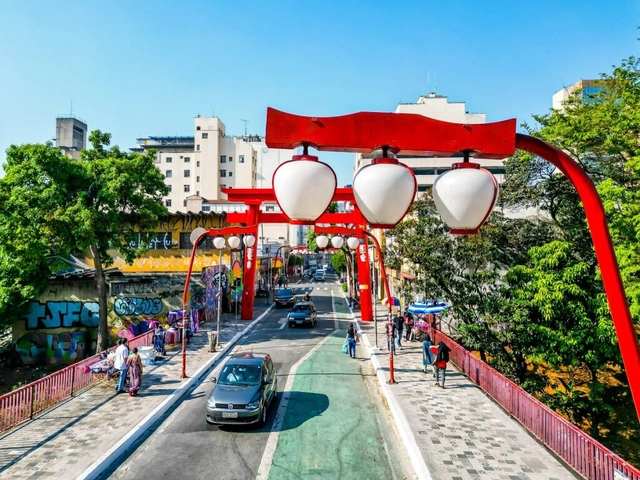
The Liberdade neighborhood, in the central region of São Paulo, will begin testing the Open Streets (Ruas Abertas) program this Sunday (1st). Similar to what has been done on Paulista Avenue since 2016, four streets in the area will be open exclusively to pedestrians from 9 a.m. to 8 p.m. on Sundays and holidays.
Led by the Municipal Department of Urban Development and Licensing, the initiative aims to prioritize the use of urban space based on pedestrian needs. “The goal is to foster conditions that encourage people to linger, improve walkability, and strengthen the area as a tourist and commercial attraction,” the São Paulo city government stated in a press release.
Architects and urban planners across the country will participate in a national election this Monday and Tuesday, October 16 and 17. More than 200,000 professionals in the field are set to choose 402 state councilors for the Councils of Architecture and Urbanism of the States and the Federal District (CAU/UF) and 28 federal councilors for the Council of Architecture and Urbanism of Brazil (CAU/BR) – one from each Federative Unit plus one representative of Higher Education Institutions (IES).
https://www.archdaily.com/1135934/cau-election-vote-to-choose-your-representatives-on-the-council-of-architecture-and-urbanismArchDaily Team
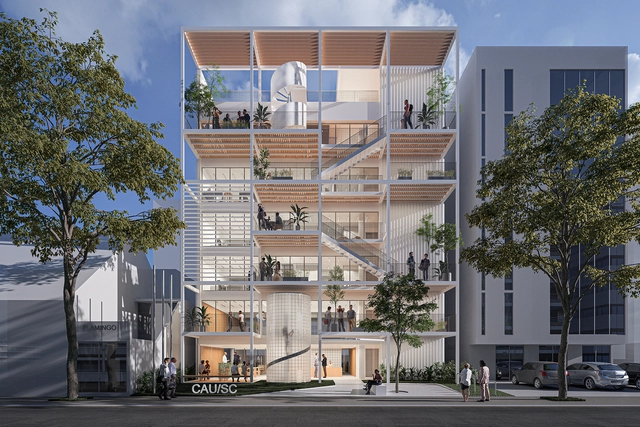
1º Lugar - Estúdio 41 Arquitetura. Image Cortesia de CAU/SC
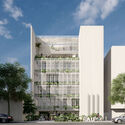
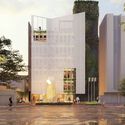
The Council of Architecture and Urbanism of Santa Catarina (CAU/SC) has announced the results of the design competition for the partial renovation of its headquarters. Acquired last year, the six-story building is located on Rio Branco Avenue in Florianópolis, and its main spaces—such as the atrium, reception, and facade—will be renovated according to the winning design.
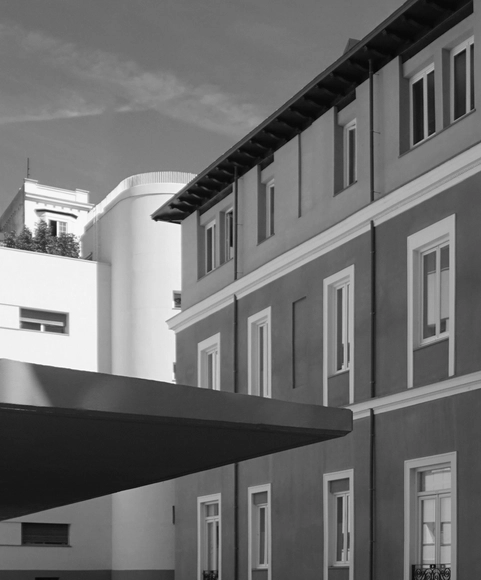
The exhibition "Engine of Equality: La Residencia de Señoritas (1915-1936)" will be open until October 15, celebrating a unique, iconic, and pivotal institution in promoting equality in Spain. It is housed in the Ortega-Marañón Foundation's recently opened cultural space—an expansion at the rear of the central "casa" in Madrid that joins the historic 1930s building designed by Carlos Arniches on the corner of Miguel Ángel and General Martínez Campos streets.
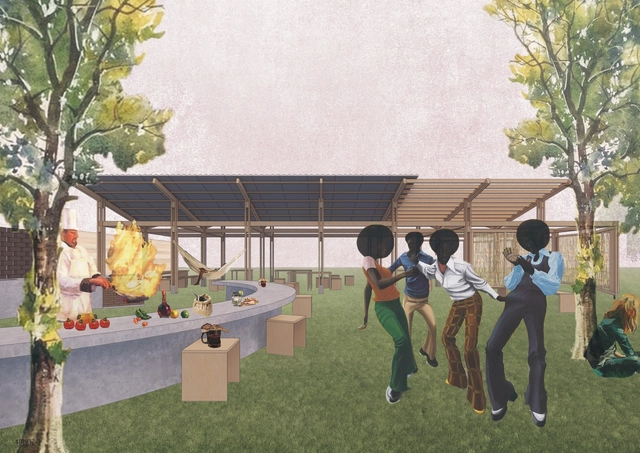
Primeiro Lugar. Image Cortesia de Equipe CRIE, FAU UFRJ
The Student Union of the Faculty of Architecture and Urbanism of UFRJ (FAU UFRJ), in collaboration with the Abricó UFRJ Model Architecture and Urbanism Office and in partnership with various entities, including the National Federation of Architecture and Urbanism Students, organized the first edition of the Quick Student Ideas Competition - CRIE!. The objective was to seek proposals for a space featuring a pizza oven and barbecue grill that dialogue with the original project by Burle Marx for the Jorge Machado Moreira Building court area, promoting solutions using bioconstruction techniques and low-impact environmental materials.
https://www.archdaily.com/1135871/results-of-the-competition-for-a-space-with-a-pizza-oven-at-fau-ufrjArchDaily Team
Mexican architect Enrique Norten has been awarded the Lorenzo H. Zambrano Award for his outstanding career as an architect and professor. He is the founder and director of TEN Arquitectos (Mexico City, New York, and Miami) and, throughout his career, has been internationally recognized for his extensive portfolio of more than 60 built projects around the world.
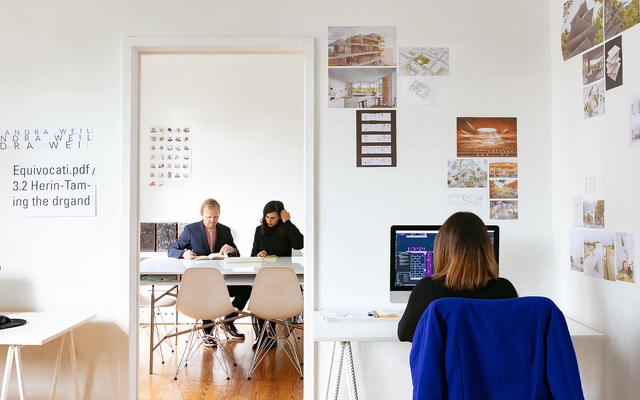
Casa da Arquitectura and Hinterland are organizing the Por Exemplo meeting on October 13, bringing together 10 practices of young Portuguese and Spanish architects aged 45 and under for an exchange of ideas, methods, and work processes.
There is a generation of young architects who have been developing their work in a stimulating international context, driven by the pressure of the tourism market. Despite their brief experience, these professionals have mastered digital tools, but they navigate a highly competitive and continuously accelerating world.
https://www.archdaily.com/1135980/for-example-event-brings-together-ten-young-practices-from-portugal-and-spain-at-casa-da-arquitecturaArchDaily Team

![Paola Masera + Campos Studio and [H] Arquitectos, among the winners of the Region V / FCARM 2023 Architecture Biennial - Featured Image](https://snoopy.archdaily.com/images/archdaily/media/images/64ef/815f/5286/7b4f/7ea0/5523/slideshow/ganadores-de-la-ii-bienal-de-arquitectura-de-la-region-v-de-la-federacion-de-colegios-de-arquitectos-de-la-republica-mexicana-ac_2.jpg?1693417830&format=webp&width=640&height=580)