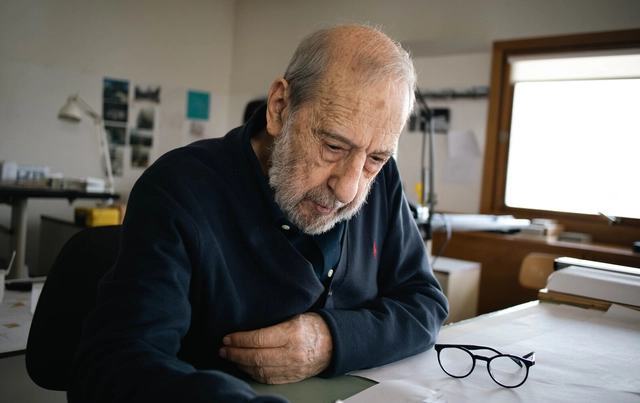
Álvaro Siza, Portugal's first Pritzker Laureate, is undeniably a figure of major importance in the history of contemporary architecture, with projects that have reshaped the urban landscapes of numerous cities around the world. While his name and work are widely known, Siza is a highly private and introspective person who prefers to keep his personal life out of the spotlight.
Directed by producer and director Augusto Custódio, the documentary SIZA offers a more intimate and personal look at the renowned Portuguese architect. The film covers his childhood, his relationship with his wife, his passion for sculpture, and his admiration for classical music, exploring his influences and professional journey.
Videos
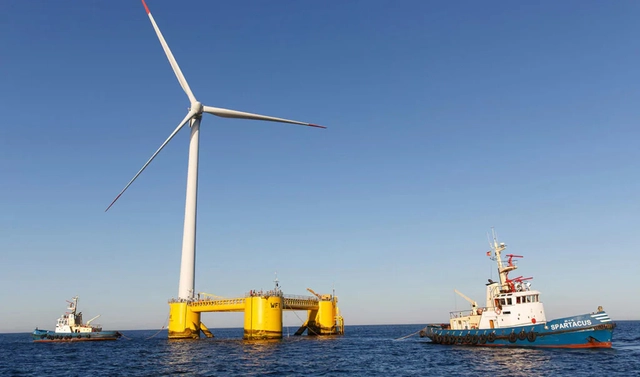
One of the floating wind turbines installed in Portuguese waters. Photo: EDP
Between October 31 and November 6, 2023, Portugal produced more than enough renewable energy to meet the entire country's demand. While fossil fuel plants were still operational, the clean energy generated was more than sufficient to supply the grid. Consequently, consumer electricity rates dropped drastically.
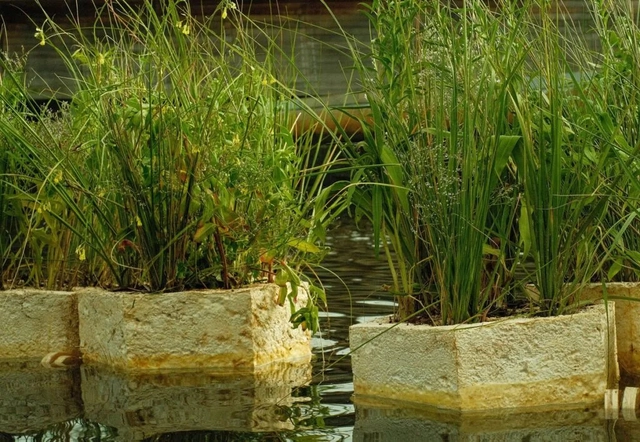
Using plants to filter impurities from lakes and rivers is already a common practice in sustainability. It is an alternative that avoids artificial chemicals in favor of maintaining a balanced ecosystem. Now, students at the Rhode Island School of Design (RISD) have gone a step further, creating floating planters made of mycelium to clean pollutants from waterways while restoring wetland habitats.
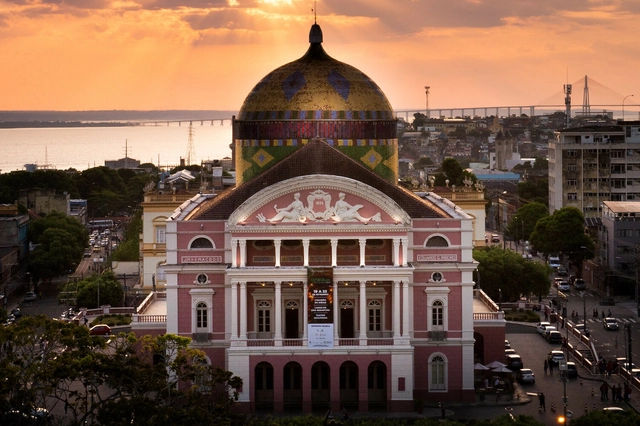
Amazonas Theatre. Photo by Rafael Zart, via Wikipedia. Licensed under CC BY 2.0
Teatro Amazonas in Manaus and Theatro da Paz in Belém could soon achieve recognition as UNESCO World Heritage Sites. The first step toward this distinction for the Amazon theaters will be taken between December 13 and 15, during the first mobilization workshop in Manaus. This event will gather representatives from the governments of Amazonas and Pará, the city halls of Manaus and Belém, civil society, researchers, and the National Institute of Historic and Artistic Heritage (IPHAN).
https://www.archdaily.com/1135873/theatro-da-paz-and-teatro-amazonas-could-become-world-heritage-sites-in-the-coming-yearsArchDaily Team
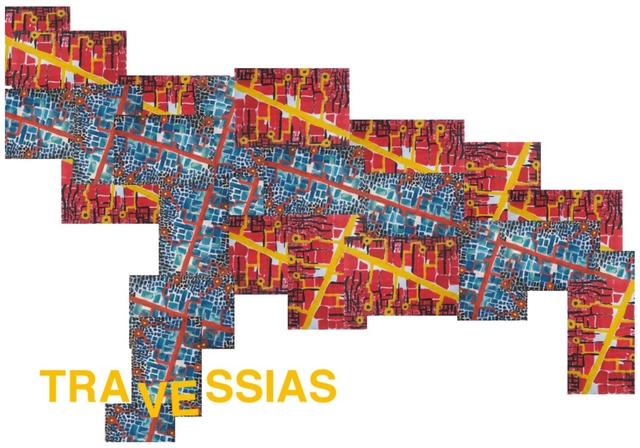
Today, the IABsp announced the winning team of the co-curatorship competition for the 13th International Architecture Biennale of São Paulo. Titled Travessias, the team comprises nine Brazilian members from various fields: Carolina Piai Vieira, Larissa Francez Zarpelon, Louise Lenate Ferreira da Silva, Luciene Gomes, Pedro Cardoso Smith, Pedro Vinícius Alves, Raíssa Albano de Oliveira, Thiago Sousa Silva, and Viviane de Andrade Sá.
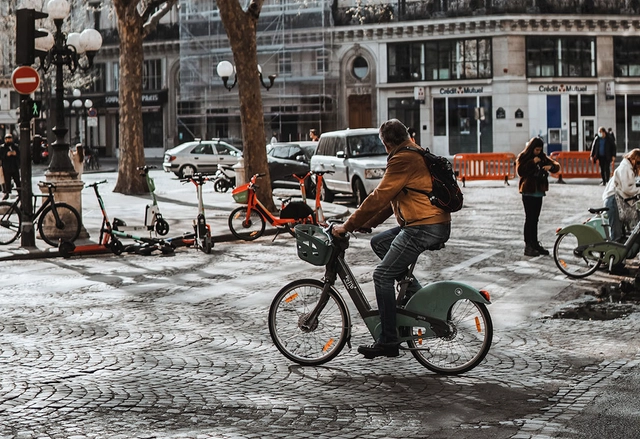
France is investing in initiatives to combat climate change, including shifting to more sustainable modes of transport. Owners of older cars can now receive a government subsidy of up to 2,500 euros to trade in their vehicles for electric bicycles.
“For the first time, it is recognized that the solution is not to make cars greener, but simply to reduce their number,” noted Olivier Schneider of the French Federation of Bicycle Users.
Applications are open until June 30 for the 4th Tomie Ohtake Institute Leroy Merlin Design Award, aimed at college students and recent graduates from all fields. The award seeks to recognize proposals that highlight and conceptualize the relationship between design and other disciplines, such as communication, architecture, biology, engineering, fashion, technology, economics, physics, education, mathematics, and chemistry, among others. The theme of this fourth edition is the verb to welcome.
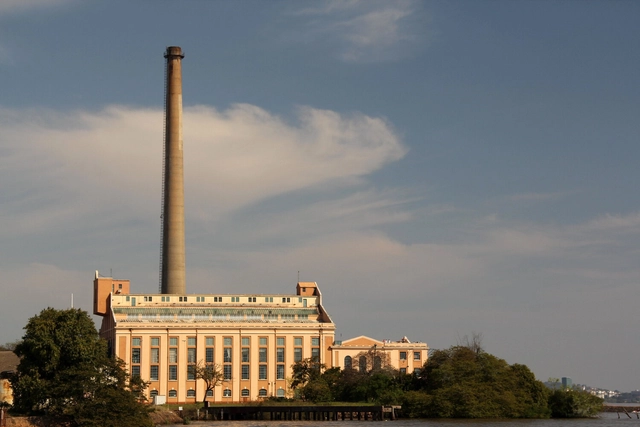
Usina do Gasômetro. Photo: Ana Paula Hirama, via VisualHunt.com
Porto Alegre now has an online guide aimed at preserving the history and memory of its architectural heritage, both historic and contemporary. Conceived by architects and urban planners Rodrigo Poltosi and Vlademir Roman, the Guia Arqpoa brings together texts, photographs, and information on 100 architectural, urban, landscape, historical, and cultural works in the city. The mapping is based on the buildings and public spaces featured in the print publication released in 2017, titled Guia de Arquitetura de Porto Alegre, and allows this initial list to be expanded through the collaboration of new contributors.
To provide greater safety for those wishing to enjoy nature, Urbia has marked 40 circles on the lawn of Praça da Paz in Ibirapuera Park. The concessionaire, which manages the largest park in São Paulo, adopted this measure to encourage social distancing among visitors.
Measuring approximately 4 meters in diameter, the circles were marked using organic waste from the park's own vegetation management, making them entirely sustainable. This allows visitors to remain safe within their own social distancing zones. Additionally, masks must be worn at all times while inside the park.
Proposta da equipe Asa, vencedora do concurso. Image Cortesia de Prefeitura de Belo Horizonte
In 2019, to mark its founding anniversary, Belo Horizonte received a gift in the form of an architectural competition. The national contest sought preliminary technical studies for the requalification of the historic and landscape heritage of Bernardo Monteiro Avenue.
This heritage site, characterized by a dense grove of large, leafy Ficus trees, was affected by infestations of the so-called "ficus whitefly." This caused defoliation and dried branches, severely compromising many of the trees, damaging the area's historical-cultural identity and public character, and forcing the relocation of the craft, flower, food, and antique markets that once operated there.
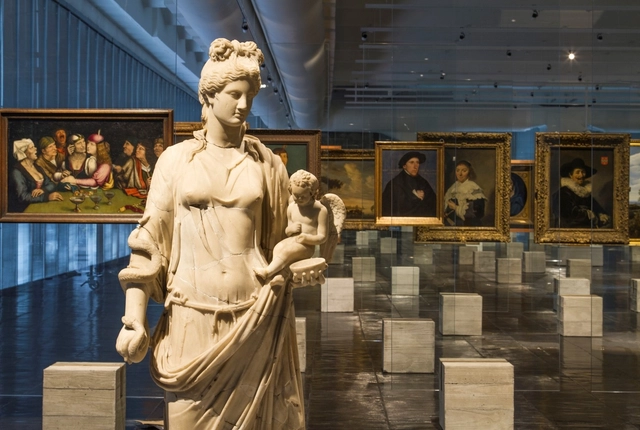
Today, May 18, is International Museum Day, celebrated under the theme "The Future of Museums: Recover and Reimagine." Amid the pandemic landscape imposed by COVID-19, some museums have reopened with major restrictions, while many others have remained closed. Regardless, these institutions have begun to reconsider their models and redefine their role in society. In this sense, the pandemic catalyzed a shift in exhibition formats, bringing new solutions and innovations to the public, such as virtual tours.
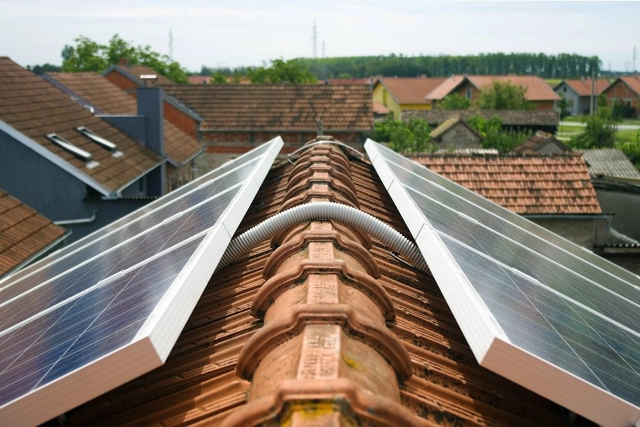
According to the Brazilian Photovoltaic Solar Energy Association (ABSOLAR), in February 2021, Brazil reached the milestone of 500,000 distributed solar photovoltaic generation (DG) consumer units, with the majority of installations (73.6%) located in residential properties. The association points out that, of the total consumers, small businesses represent 16.6%, followed by the rural sector and industry, at 7% and 2.4%, respectively. To supply these 500,000 units, 400,000 solar systems have been installed.
Following the themes of previous editions that addressed contemporary issues concerning the built environment, the Arquiteturas Film Festival, taking place from June 1 to 6 in Lisbon, continues to offer an open forum for discussion through personal, collective, and global audiovisual stories from around the world.
The 8th edition of Arquiteturas explores the theme Bodies Out of Space through an exploration of the social construction of space, connected by a thread running through narratives of domination. These are also narratives about an identity that is often stripped away or forced to represent our bodies. Challenging current assumptions, we view this perceptual paradigm—an epitome of the vision of our times—as fundamentally social, spatial, and bodily.
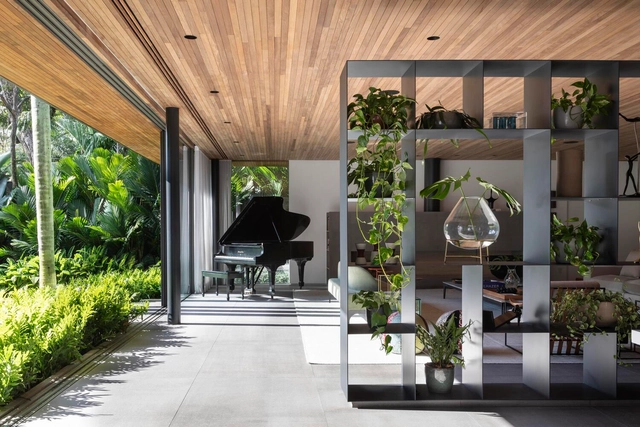
To create a cozier scale in large open-plan spaces or accommodate diverse uses under a single roof, defining areas through custom furniture design has become a highly effective solution. Serving as functional storage or even display units, shelving systems that double as room dividers can generate new perspectives, guide circulation, and foster greater permeability between different spaces.
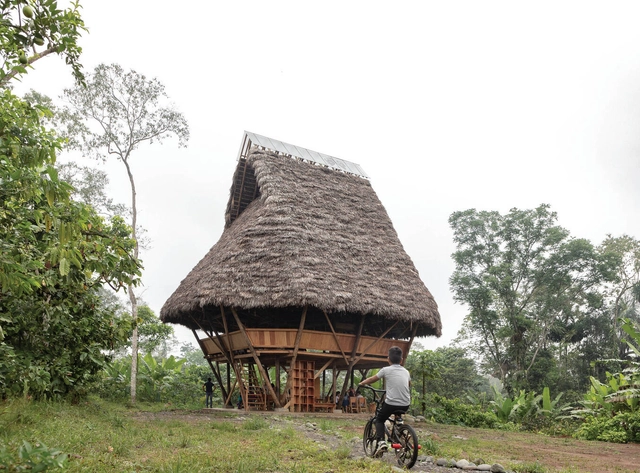
The Fondazione Teatro dell'architettura has announced the architecture firm Al Borde (Ecuador) as the winner of the 2024 BancaStato Swiss Architectural Award. Founded in Quito by Pascual Gangotena, David Barragán, Maríaluisa Borja, and Esteban Benavides, Al Borde conceives a collective approach to design and construction, paying special attention to climate variables, the involvement of local communities, traditional construction techniques, and innovation. As they state, Al Borde“inhabits the territory of questioning, where certainties about what architecture should or should not be are constantly under construction.”
A capsule-based transportation system that runs on magnetic propulsion, moving people and cargo at speeds of up to 1,200 km/h using renewable energy, could soon become a reality in Brazil. This futuristic concept is being brought to the country by Hyperloop Transportation Technologies (HyperloopTT), which develops and licenses the Hyperloop—the urban mobility technology originally conceived by Tesla entrepreneur Elon Musk.
Resembling a wingless aircraft without turbines, the Hyperloop has a capacity of up to 50 passengers and operates in a low-pressure environment, allowing it to travel at high speeds with virtually zero friction.
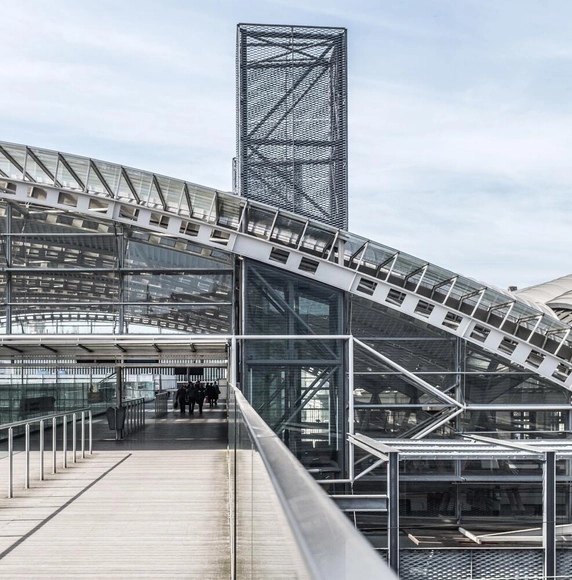
Leuven Station, Belgium. Photo by Bernard Hermant, via Unsplash
The Brazilian Center for Steel Construction (CBCA) has launched its 2021 call for proposals for its Undergraduate Research Scholarship. The nationwide selection process is open to undergraduate students in architecture and civil engineering, who must be supported by an advising professor from the same higher education institution.
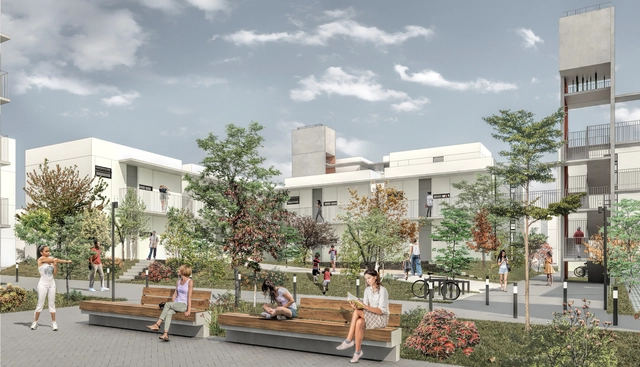
Primeiro lugar: Síntese Arquitetura. Image Cortesia de Secretaria Nacional de Habitação/MDR e Agência Alemã de Cooperação Internacional – Deutsche Gesellschaft für Internationale Zusammenarbeit GmbH (GIZ)
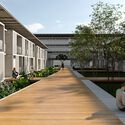
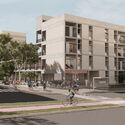
To bring together innovative, sustainable social housing architectural designs that reduce energy consumption. This was the goal of the National Competition of Architectural Ideas for Energy Efficiency in Social Housing, organized by the German government cooperation agency Deutsche Gesellschaft für Internationale Zusammenarbeit (GIZ) GmbH.