The Institutional Security Office (GSI) has signed a R$ 2.49 million contract for a drone detection and "neutralization" system that includes installing antennas up to 20 meters tall atop the Planalto, Alvorada, and Jaburu Palaces to protect the President of the Republic and the executive branch leadership. However, despite the urgency claimed for the project by the agency led by General Augusto Heleno, the National Institute of Historic and Artistic Heritage (IPHAN) is blocking the work.
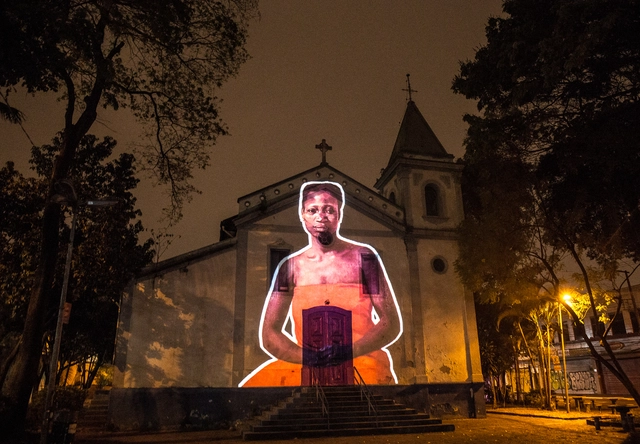
Other bodies, spaces, and languages that have been rendered invisible or simply do not seem to fit into present-day São Paulo are being projected onto its landscape. "Voices Against Racism" is an exhibition and proposition that introduces new imaginaries to a city where narratives are constantly contested. Running until August 24, the event transforms streets from mere transit areas into spaces for art, buildings into canvases, and monuments into backdrops for artistic expressions that showcase paths usually obscured by history.
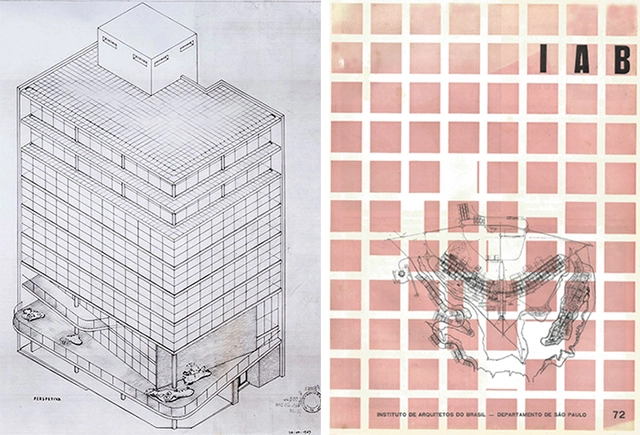
The Institute of Architects of Brazil – São Paulo Department has reactivated its educational platform. In line with the 2020-2022 administration's program, particularly regarding the promotion and consolidation of a space for debate on pressing issues in the training of architects and urban planners, the Institute has undergone a complete restructuring that deepens and strengthens the democratizing spirit of past experiences.
Sesc São Paulo has made a series of catalogs, educational materials, and booklets produced for the institution's exhibitions available for free on its website. Fittingly, several of these themes intersect with thinking on architecture and the city.
The 13th São Paulo International Architecture Biennial has adopted reconstruction as the central theme for its 2022 edition. As a preparatory activity for the co-curatorship competition, IABsp organized three debates that promote a discussion on the very essence of art and architecture exhibitions, while also inviting us to reflect on the role of architects, urban planners, and many other professionals in building more just and democratic cities.
During a talk at Escola da Cidade, as part of the Seminar on Contemporary Culture and Reality course coordinated by Professor José Guilherme Pereira Leite, philosopher, sociologist, and playwright José Fernando Peixoto draws on two events from 1968—the murder of high school student Edson Luís in Rio de Janeiro and the assassination of Martin Luther King Jr.—to discuss logics surrounding the Black body and how they manifest in urban dynamics of control and oppression.
https://www.archdaily.com/1124175/the-trigger-and-the-storm-a-conversation-with-jose-fernando-peixoto-on-violence-against-black-bodies-and-the-dynamics-of-the-cityEscola da Cidade
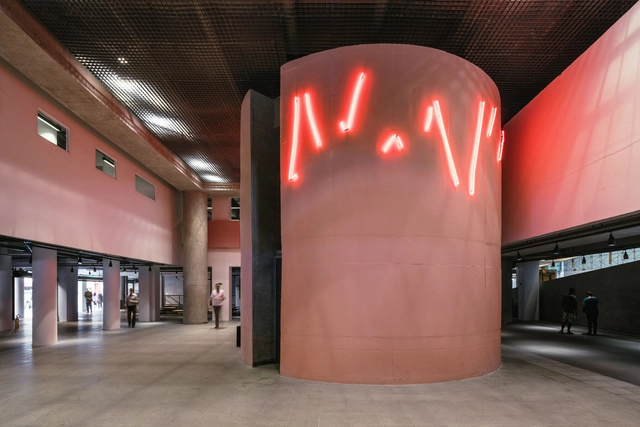
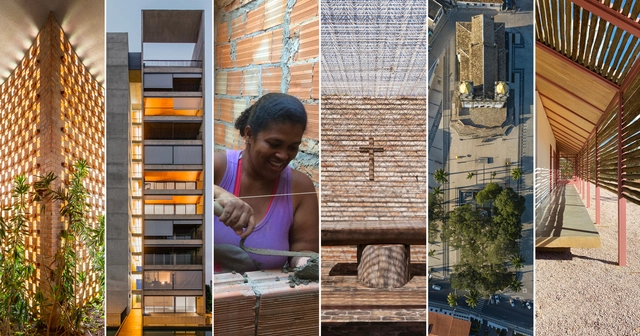
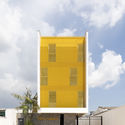
The Instituto Tomie Ohtake and AkzoNobel have announced the 13 projects selected for the seventh edition of the Instituto Tomie Ohtake AkzoNobel Architecture Prize. The finalists include works located in Amazonas, Bahia, Ceará, Goiás, Minas Gerais, Rio de Janeiro, Santa Catarina, São Paulo, and King George Island in Antarctica. The selection was made by a jury comprising architects Diego Mauro, Elisabete França, Fernando Túlio, Juliana Braga, and Pedro Varella.
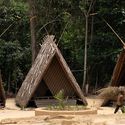
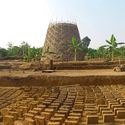
Earth, straw, and wood are some of the construction materials used by a rural community in the Republic of Cameroon. Beyond being low-cost, the project's main asset is its respect for the local landscape, building homes in harmony with their surroundings.
Called Warka Village, the hamlet is based on vernacular architecture. This means traditional construction techniques and locally available materials, such as stone, bamboo, and natural fibers, are used.
Warsaw, Poland, has become the second city to receive public art projects that, in addition to beautifying the landscape, clean the air. Painted by local artists, the massive mural uses special, sun-activated pigments capable of filtering the air.
The mural was produced with titanium dioxide, which attracts pollutants and transforms them into harmless nitrates thanks to a sun-activated chemical process. Through this process, the artwork can purify its surrounding air, an action equivalent to the work of 720 trees.
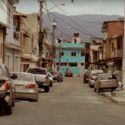
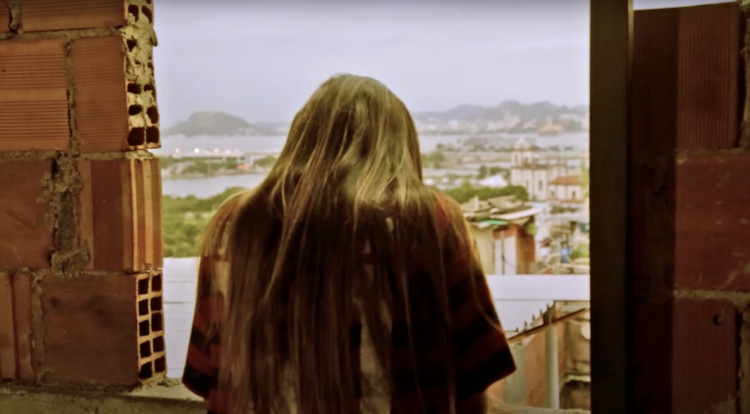
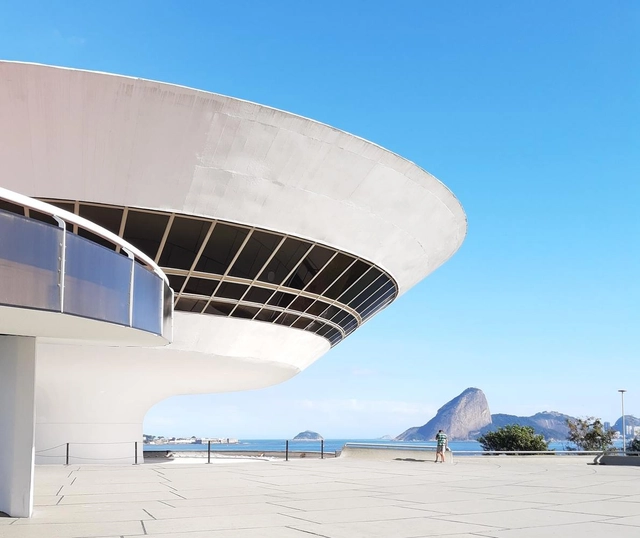
Dia a dia is a three-part mid-length film miniseries developed by the Urban Policy Commission (CPU) of CAU/RJ. Each episode is dedicated to one of the three pillars proposed within the theme of the right to the city—sanitation, mobility, and housing—through the perspectives and daily lives of three women living in completely different areas of Rio de Janeiro: Realengo, Barra da Tijuca, and the Santo Amaro community (Catete). The first episode, which premiered on August 21 and addresses housing, is available online.
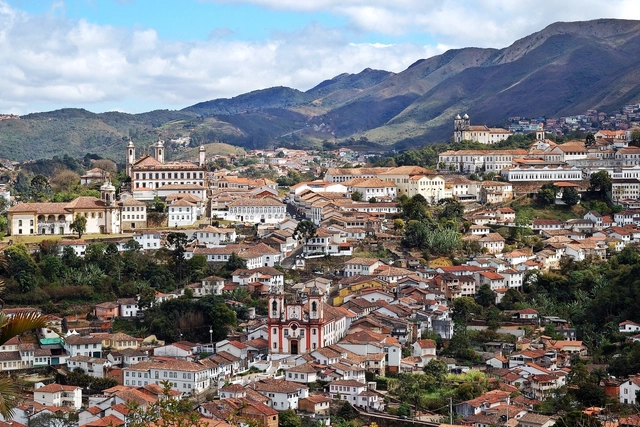
Ouro Preto, Minas Gerais. Photo by Rosino, Flickr. Licensed under CC BY-SA 2.0
In August, the city of Ouro Preto, in Minas Gerais, signed a public-private partnership for a "smart city" project, setting in motion plans to become Brazil's first historic smart city. The contract entails an investment of R$ 10 million and establishes an administrative concession for the Ouro Luz consortium to operate Ouro Preto's public lighting network and telecommunications infrastructure for 25 years.
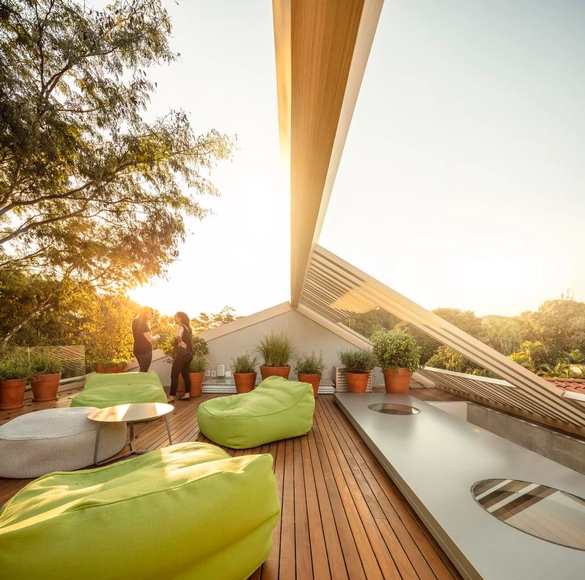
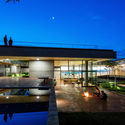
When imagining a building's roof being put to use, single-family homes are rarely the first thing that comes to mind. Utilizing the top level of a building is not always considered or prioritized; as a result, the opportunity to create spaces for contemplation and gathering—which foster a stronger connection to the outdoors and the climate—is often missed. Here, we gather 13 examples of terraces in Brazilian houses that demonstrate how this space can be utilized, regardless of its size.
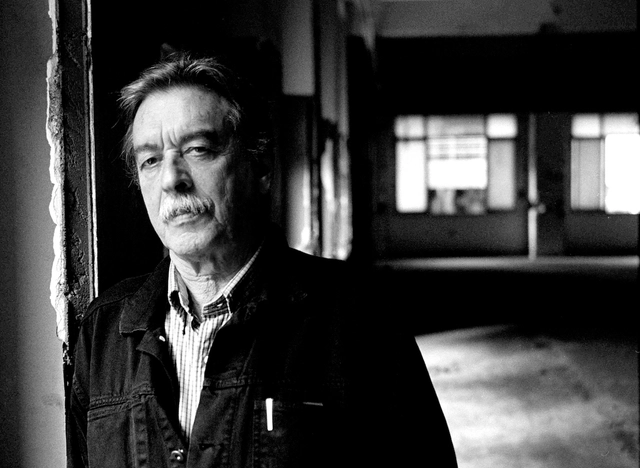
Last week, Paulo Mendes da Rocha announced the donation of his entire project archive to the Casa da Arquitectura, a Portuguese institution based in Matosinhos dedicated to preserving and exhibiting architectural collections. The news was published at the time by ArchDaily and caused a stir among Brazilian architects, educators, researchers, and institutions—especially the FAUUSP, which expressed regret over Rocha's decision.
Downtown São Paulo will receive a statue honoring Joaquim Pinto de Oliveira, an enslaved Black 18th-century architect known as Tebas. The announcement was made yesterday, September 10, by Mayor Bruno Covas at the São Paulo City Council.
(Image: Diego Herculano / Folhapress, via Futuro do Morar - Contrastes report)
What does the home of the future hold for us? And for whom will it become a reality? These questions served as the guiding principles for The Future of Living - Contrasts. With a keen eye on identifying the emerging movements that shape how we will live tomorrow, the research team at the Istituto Europeo di Design used the world during the COVID-19 pandemic as their primary backdrop. Drawing from this context, rather than simply discussing housing trends, the researchers address the challenges that must be resolved to make these trends a reality for everyone, rather than a mere set of forecasts that segregate rather than create opportunities.
Following the donation of Paulo Mendes da Rocha's complete archive to the Casa da Arquitectura in Portugal, a major debate arose in Brazil, with many expressing regret over seeing the physical documentation of his intellectual and built work leave the country. Through an open letter released today, Nuno Sampaio, Executive Director of the Casa da Arquitectura, proposes institutional collaboration protocols with Brazilian entities.
Remonte, projeto premiado com menção honrosa. Image Cortesia de Instituto Tomie Ohtake
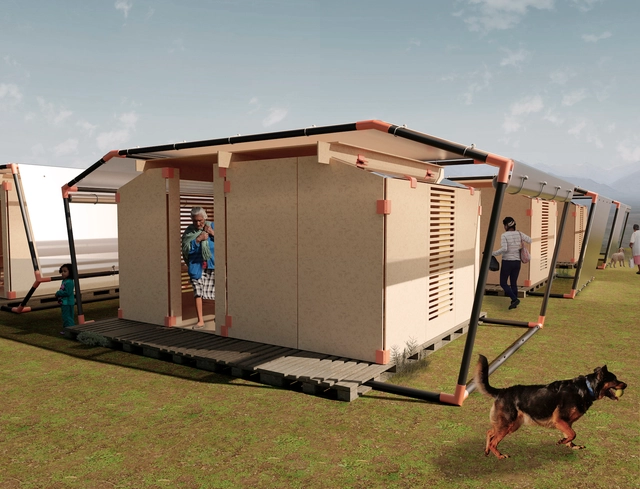
The winners of the 2nd Tomie Ohtake Institute Leroy Merlin Design Award have been announced. Originally scheduled to take place in person at the Tomie Ohtake Institute alongside an exhibition of the projects, the awards were instead announced via video due to the novel coronavirus pandemic.
The donation of Paulo Mendes da Rocha's archive to Casa da Arquitectura, an institution based in Matosinhos, Portugal, has sparked intense debate among architects and academics since its announcement early last week. Both opposing and supportive opinions were widely shared on social media and news outlets, and an institutional collaboration agreement between FAUUSP and Casa da Arquitectura was even proposed.
In light of the debate surrounding the preservation of architecture and urbanism collections in Brazil, IABsp published an open letter calling for a national network of archives. Read the full letter below:
Launched last month, the Fortaleza Mais Verde program aims to create a network of micro-parks in the capital of Ceará and implement tree-lined bicycle corridors. Execution of the plan began in August.
"The purpose of the proposal is to preserve, secure, and progressively expand the green cover of the City of Fortaleza, making these areas usable for the population to enjoy," said the city's mayor, Roberto Cláudio. "We have several landscaping and urban planning initiatives underway. We expect to receive suggestions regarding this new pilot project. We want to ensure it is implemented and made irreversible," he added.
Casa dos Cajueiros / Terra Capobianco + Galeria Arquitetos - Image Courtesy of the 7th Saint-Gobain Architecture Award-Sustainable Habitat
In its 7th edition, the Saint-Gobain Architecture-Sustainable Habitat Award seeks projects and buildings that offer comfort and innovative solutions while preserving the environment and promoting sustainability within the Brazilian construction industry.
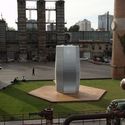
To maintain the flow of reliable information about Covid-19, facilitate hand hygiene for users, and pay tribute to the victims of the pandemic, the city of São Paulo has installed a series of multipurpose urban fixtures called “Totens Urbanos – Memorial Pró-Saúde”.
The project came to fruition following a meeting between architect Leonardo Fernandes Dias—whose design proposal won the popular vote in the international Coronavirus Design Competition by the GoDesignClass platform—and the organizers of the Rede Nacional de Apoio às Famílias e Vítimas da Covid (National Support Network for Families and Victims of Covid), an independent, voluntary civil society initiative providing specialized support. Temporary and emergency-focused in nature, the series of totems will occupy 17 high-traffic locations across the city until November.
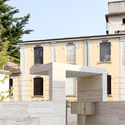
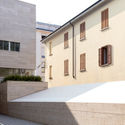
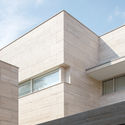
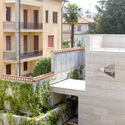
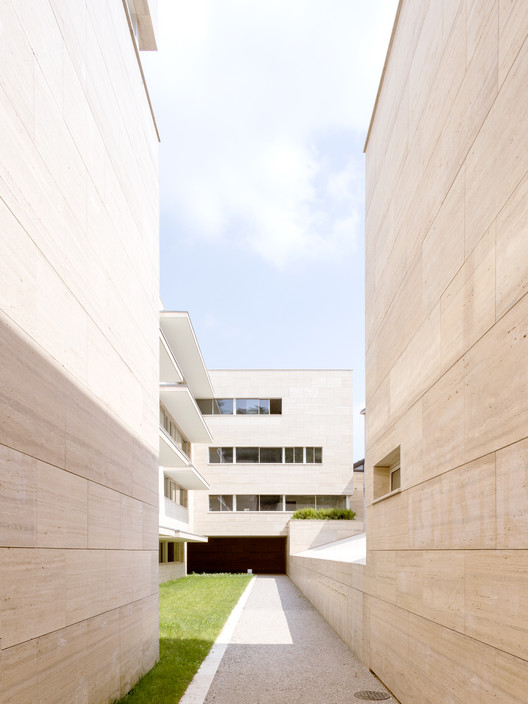
Situated on a suburban lot in Gallarate, in Italy's Lombardy region, the latest project by Álvaro Siza rises in two travertine marble blocks: a 20-unit residential complex developed in partnership with the Portuguese firm COR Arquitectos. Facing the busy Via Roma and the quiet Via Postporta, the development reinterprets two local typologies—the Lombard courtyard and the isolated villa—in a play of volumes that recalls the geometries of another Siza masterpiece, the Porto School of Architecture.
Monument honoring the victims of Covid-19. Photo: Courtesy of the artist
The first monument to the victims of the novel coronavirus in Brazil has been inaugurated. Named In-finito, the memorial was installed at the Penitência Cemetery and Crematorium, in Rio de Janeiro's port area, designed by architect Crisa Santos, of the collective of the same name.
The initiative came from the architect herself, who developed the project with the goal of donating it to public and private cemeteries, as well as municipalities, companies, or other institutions wishing to pay tribute to Covid-19 victims anywhere in the country.


.jpg?1597324648 "Cohab © Coletivo Coletores")





















.jpg?1600699528 "Binder. Image Cortesia de Instituto Tomie Ohtake")



.jpg?1600719151&format=webp&width=640&height=580)
.jpg?1600719268 "© Gabriel Kiss")
.jpg?1600719212 "© Gabriel Kiss")
.jpg?1600719242 "© Gabriel Kiss")
.jpg?1600719255 "© Gabriel Kiss")
.jpg?1600719151)