
Earth, straw, and wood are some of the construction materials used by a rural community in the Republic of Cameroon. Beyond being low-cost, the project's main asset is its respect for the local landscape, building homes in harmony with their surroundings.
Called Warka Village, the hamlet is based on vernacular architecture. This means traditional construction techniques and locally available materials, such as stone, bamboo, and natural fibers, are used.
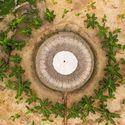
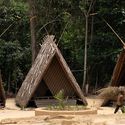

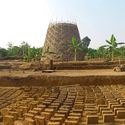


Utilizing resources from the immediate environment where the building is constructed reduces waste, minimizes transportation impact, and causes less disruption to the surrounding environment.
The project is led by the organization WarkaWater, founded by Italian architect Arturo Vittori, which became famous for developing towers capable of transforming water vapor into drinking water. The system was designed for underserved regions.

The village will serve as a community for local artisans. The site will house seven bioconstruction homes inspired by vernacular dwellings, but with a higher standard of hygiene and comfort. It will also feature dry toilets, which require no water or electricity, as well as a modular edible garden to provide fresh food for the residents.

Water-harvesting towers that extract moisture from the air are also a key component. Two Warka towers will be installed; while capacity will depend on weather conditions, the goal is to distribute 40 to 80 liters (10 to 20 gallons) of drinking water daily.

This is not a new invention, but ancient knowledge that we have lost. Looking back, various cultures have adopted different strategies to collect water from the air sustainably,
stated architect Arturo Vittori in an interview with designboom. The project appears to be a testing ground for several of his firm's ecological designs.

Under construction for 18 months, about 30 people are already living on site. Completion is scheduled for 2022.
Via CicloVivo.
This article was written by Marcia Sousa. The translation is powered by AI.


