The Ministry of Cultures, Arts, and Heritage, through its architecture department, has launched an open call for ideas for the Chilean Pavilion at the 18th Venice Architecture Biennale, which will take place in Italy from May 20 to November 26, 2023.
Chile has a rich and vast heritage architecture, which is gradually gaining relevance through different initiatives that seek to renovate these buildings to give them a second life. The buildings and infrastructures were in disrepair, disused, or damaged, but have great architectural value, being an important contribution to the reconstruction of the history of Chilean cities.
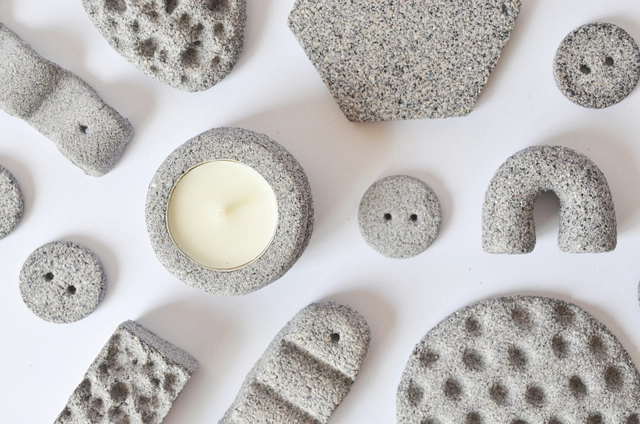
Calcáreo is a research and development project that seeks to transfer knowledge on creating with biomaterials made from mollusk waste, which is abundant in Chile's mussel farming industry. The project is led by Carolina Pacheco, an Integrated Designer from UC. Through experimentation with open-source recipes for a biocompound made of ground shells and bound with an alginate solution—a polysaccharide derived from brown algae—the project has succeeded in composing a biomaterial with a texture, appearance, and properties similar to those of ceramic. Its use remains experimental, and the prototypes follow circular economy principles, dissolving upon contact with water to reintegrate into the ecosystem.
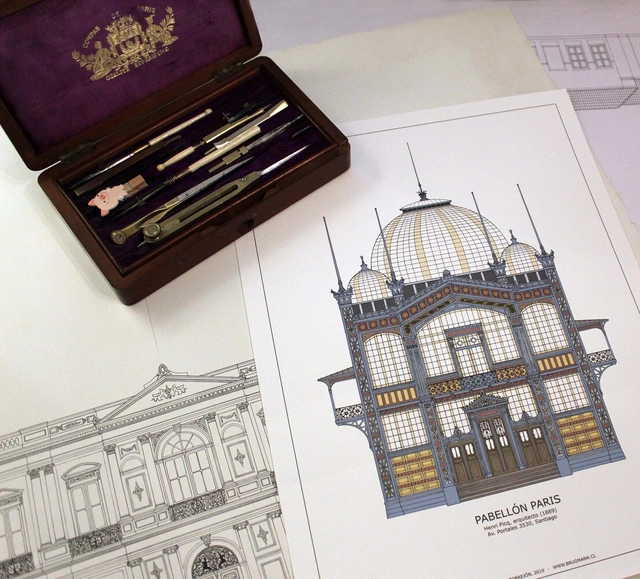
Patrimonio Ilustrado is a Chilean digital and analog project created by Mario Rojas Torrejón (holding a degree in Cultural Heritage Conservation and serving as Director of the Cultural Heritage Corporation of Chile) alongside Fernando Imas of Estudio Brugmann (a practice dedicated to the research, conservation, documentation, and dissemination of Chilean heritage). Within this framework, Rojas developed this subtle, precise illustration project that recalls traditional architectural drawing techniques to highlight the facades of prominent architectural works in Chile.
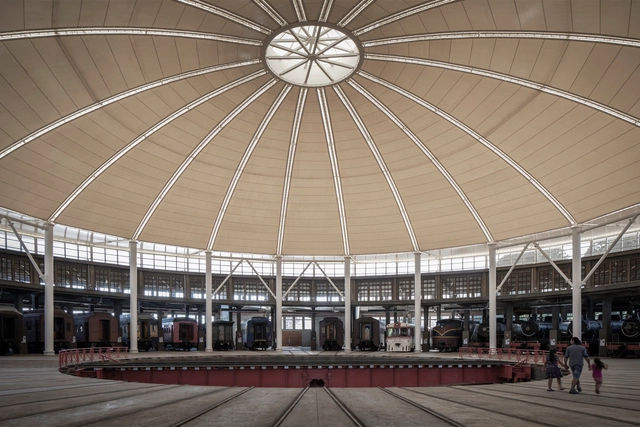
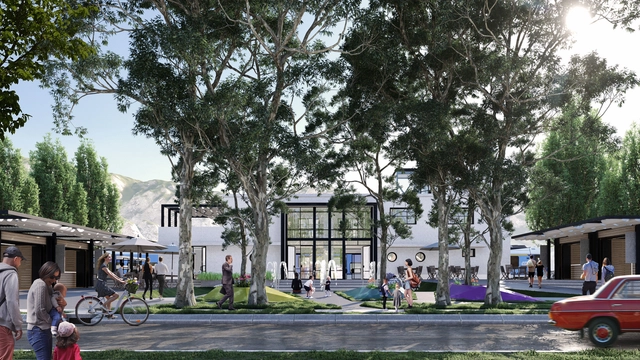
In 2020, Trenzando launched the “Ideas for the Rehabilitation of Railway Stations” competition, designed as an opportunity to showcase the richness of this heritage, which includes 170 stations connected to the country's railway network. The open call received around 100 proposals for the rehabilitation of the San Rosendo and Yumbel stations in the Biobío Region, Rungue in the Metropolitan Region, and Ocoa in the Valparaíso Region.
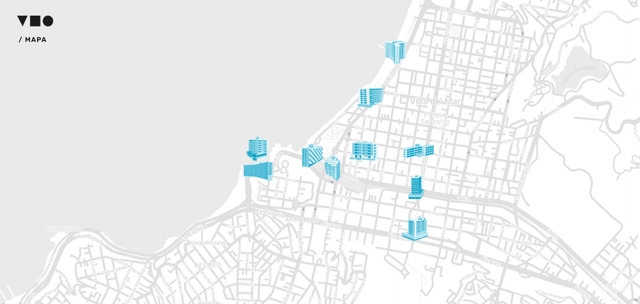
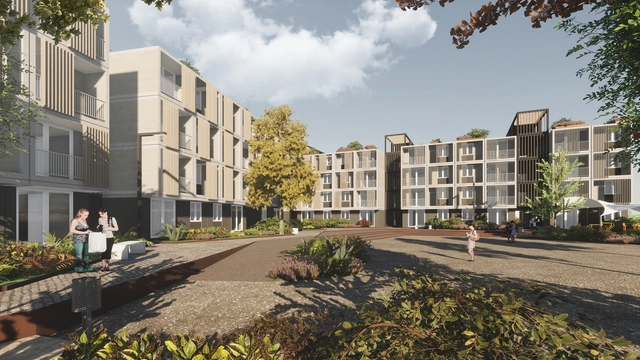
Viña del Mar Moderna is an investigation into the modern architecture that took root in the 1950s and 1960s in the city of Viña del Mar, Chile. Developed by Karla Silva, a designer from UVM, alongside historian Daniel Briones, the research surveys 10 residential buildings constructed as part of the resort city's urban planning. The result of this project is an engaging publication accessible via a digital platform and an open-access book, both presenting historical analysis and context of Latin America, Chile, and the Modern Movement.
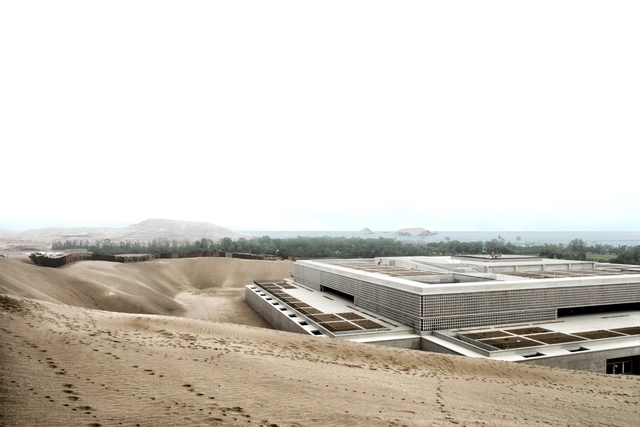
Museo Nacional de Perú (MUNA) /Autores: María Alexia León Angell, Lucho Antonio Marcial Kuehne. Image Cortesía de CAP Consejo Nacional y CAP Regional Cusco
After a four-year hiatus due to the pandemic, the Peruvian Architecture Biennial resumed, organized by the Architects' Association of Peru (CAP) based in the Cusco region. Held during the month of October, the biennial focused on the theme "Building the Heritage of the Future," addressing the social responsibility of architects regarding the legacy being built for future generations.
Last September, Corporación Ciudades alongside Fundación Mi Parque presented the guide "Water Efficiency in Green Spaces: Best Practices," aiming to provide concrete examples and solutions for maintaining parks, plazas, and gardens within Chile's current water context. The guide is an interactive document covering three major areas: Design and Maintenance Initiatives; Educational and Public Awareness Strategies; and Regulatory and Planning Strategies. You can access more information and download the guide for free at the following link.
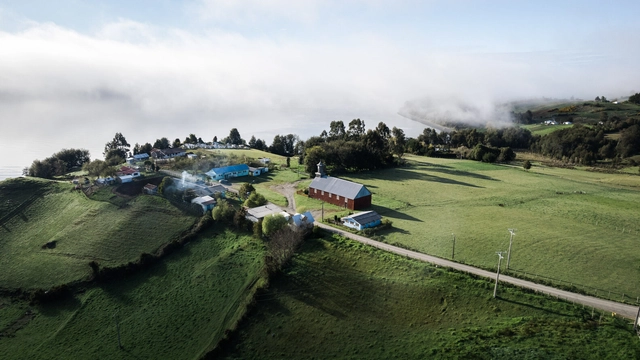
Buildings hold stories, but those who built them are the ones who tell them. Mañungo, a Chilote carpenter, narrates through his notebooks the cultural, identity-defining, and architectural history of 12 rural communities in the archipelago of Chiloé. Through ethnographic research, the study reveals the attributes and qualities of the churches belonging to these territories and their connection to the lives of their inhabitants.
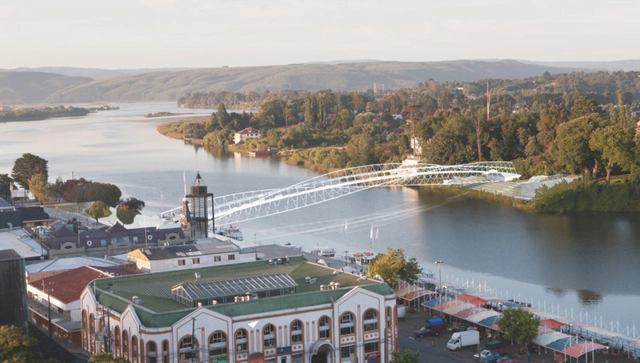
In October 2022, Fundación Patrimonio Sustentable, alongside the Downtown Valdivia Trade Association and Sercotec Los Ríos Region, launched the Barrio Cochrane Guide: Heritage and Commerce of Valdivia. This publication highlights the heritage, human, and architectural value of the neighborhood, featuring stories of local businesses, historic trades, and iconic buildings in the area.
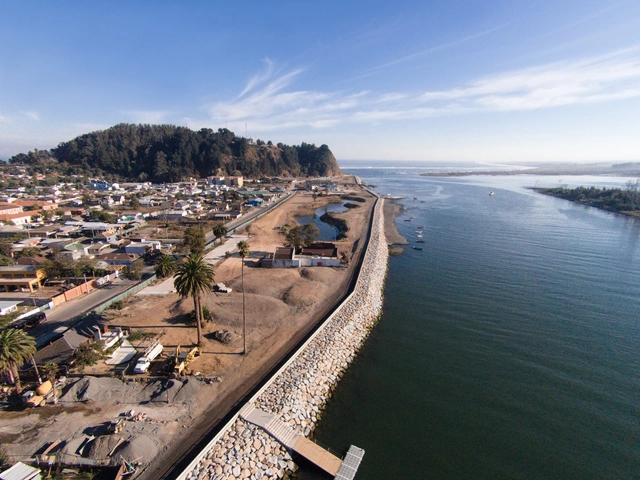
Earthquakes, tsunamis, mudslides, and wildfires are just some of the natural disasters that Chile has experienced throughout its history. Every November 5, the UN-declared World Tsunami Awareness Day is observed to promote a global culture of preparedness and awareness around this issue. Following the 27F earthquake and tsunami in 2010, Chile had to maximize its efforts to improve its emergency management and construction regulations, streamline reconstruction plans, and place greater emphasis on the strategic planning of its cities, given the country's vast number of coastal urban settlements. This opened up new possibilities for waterfronts. Below, we invite you to reflect on the future of the urban image of Chile's coastlines through the example set by the city of Constitución.
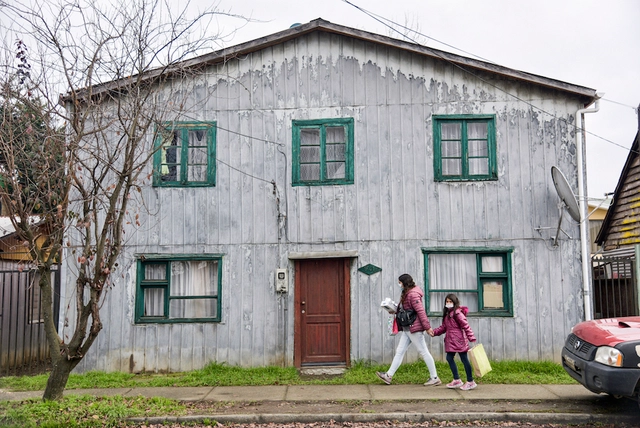
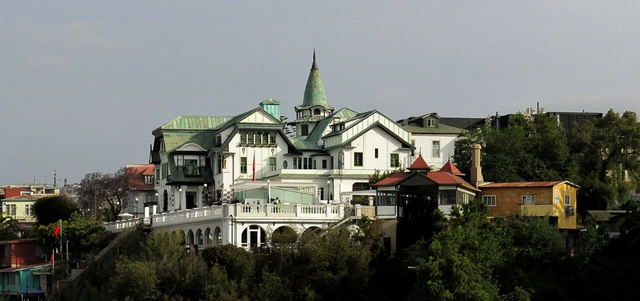
We often walk through the city without knowing the value of the buildings around us. In Chile, there is an architectural multiculturalism that has molded the cities with buildings that, to this day, are awarded a heritage title and are not recognized as such by the inhabitants and visitors.
The Mapocho Vivo Foundation was formally established in 2020 on the initiative of Joaquín Moure, an agricultural technician and muralist, who since 2019 had been captivated by the flora and fauna he found in the river when everyone else believed it to be lifeless, waste-filled water. Today, the project has established itself as an organization that maintains cleanliness, protects, and plans the future of the 110-kilometer biological corridor spanning 16 municipalities of Santiago de Chile, operating under the understanding that architecture must embrace natural ecosystems to integrate them into urban systems.
Within the framework of the 36th edition of the CAP Competition—held annually since 1986—Chilean schools of architecture were invited to propose and explore steel-based designs responding to the theme "Industry, Innovation, and Cultural Infrastructure." This theme aligns with the United Nations (UN) 2030 Agenda for Sustainable Development Goals (SDGs). The organizers challenged participants to study steel deeply, seeking a higher level of knowledge and understanding of the material as both an architectural and structural element.
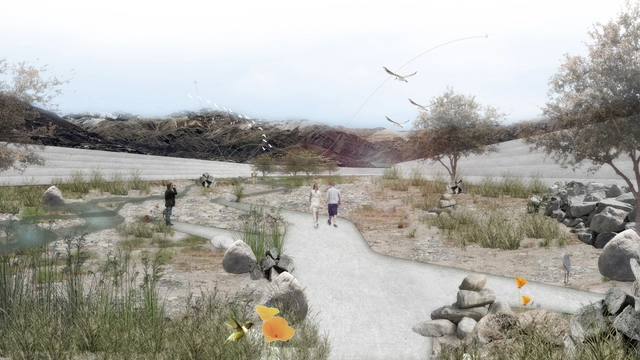
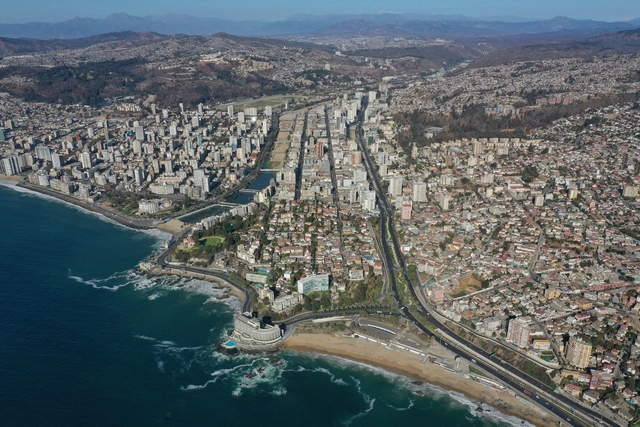
To restore urban watercourses and wetlands, balance the local ecosystem, and improve the quality of life for residents, the mayor of Viña del Mar, Macarena Ripamonti, presented the project "Viña del Mar Estuary: Floodable Urban Park" at the World Summit of Local and Regional Leaders, held from October 10 to 14, 2022, in Daejeon, South Korea.
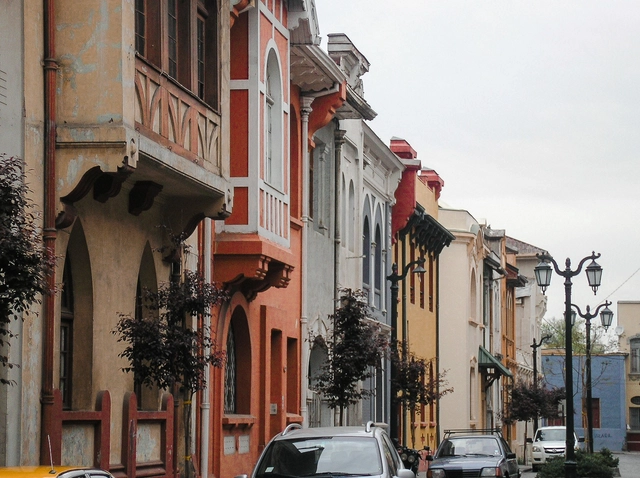
The British magazine Time Out has selected Barrio Yungay in Santiago, Chile, as one of the most attractive neighborhoods in the world. The neighborhood was selected under the Time Out Index survey, where respondents from different countries answered the question "What is the most attractive place in your city at the moment?" and was ranked ninth out of a list of 51 neighborhoods, including Colonia Americana in Guadalajara, Shimokitazawa in Tokyo and Cours Julien in Marseille.
Castro Abierto is the architecture, landscape, and heritage festival of the city of Castro, Chiloé. The event will take place from October 19 to 23, 2022, featuring various activities such as talks and tours centered on local architecture and culture. These itineraries will visit different architectural works, islands, and neighborhoods in the area, highlighting contemporary projects like Hotel Estancia, Casa Barco, and Casa Muelle. Other featured activities include a cooking class by Lorna Muñoz, a scholar of Chilote cuisine; an afternoon of illustration with the Ilustra Chiloé collective; a visit to the Quilquico Rural School; and the opening of the MAM Chiloé Museum of Modern Art, among many others that can be found on their website. Finally, a key highlight is the opening of the exhibition “Imaginarios Archipelágicos” (Archipelagic Imaginaries), which the organizing team invites us to discover in more detail below.