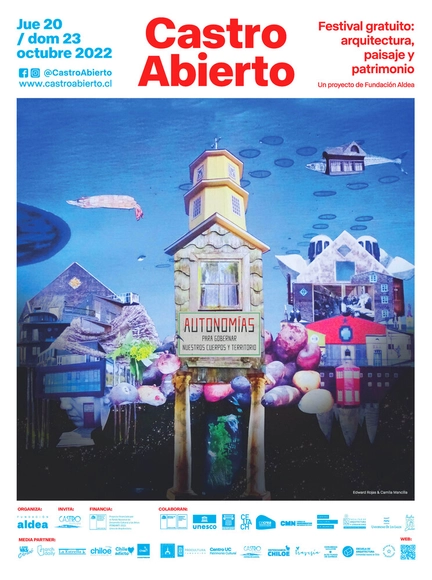
Castro Abierto is an architecture, landscape, and heritage festival that aims to highlight local construction culture, its contemporary expressions, and the memories embedded in the urban and rural archipelago landscape of the Castro commune. This initiative is organized by Fundación Aldea and funded by the National Fondart, under its architecture festival category.
The artistic work of the prominent Chilean architect Alberto Cruz (1917–2013), recipient of the National Architecture Prize in 1975, will be exhibited at the AA Gallery of the London-based Architectural Association. The exhibition will run from November 11 to December 10, 2022, and will showcase the graphic work of the architect and academic under the title “Observation, Act, and Form.”
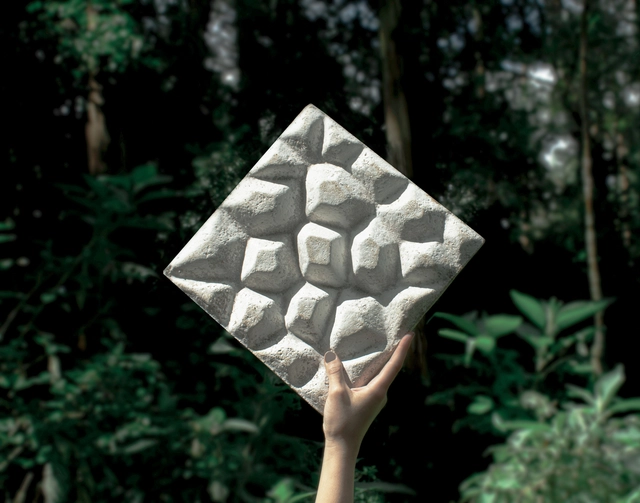
From fungi to architecture: this is how the team at Mushbio introduces their decorative cladding panel inspired by the Andes. Manufactured using parametric design, the panel is made from mushroom mycelium. Beyond contributing to cultural identity by mirroring the topography of the Ecuadorian and Latin American landscape, it offers thermo-acoustic properties, lightness, and a unique aesthetic, bringing nature into interior spaces.
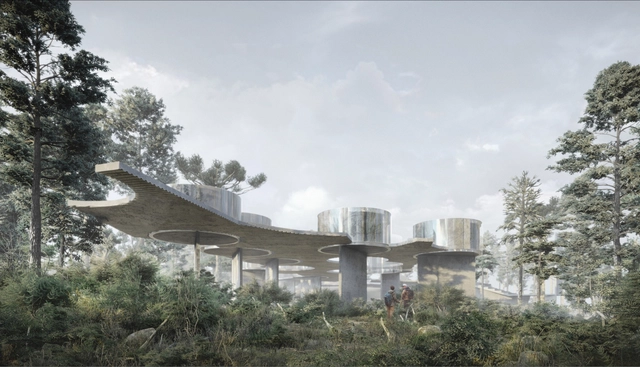
The Solo Houses project has just announced the incorporation of the Venta d'Aubert Winery in Crete, Spain, and the construction of a hotel designed by Chilean architect Smiljan Radic. Solo Hotel will become the centerpiece of the community and a catalyst for tourism and cultural activities around the project.
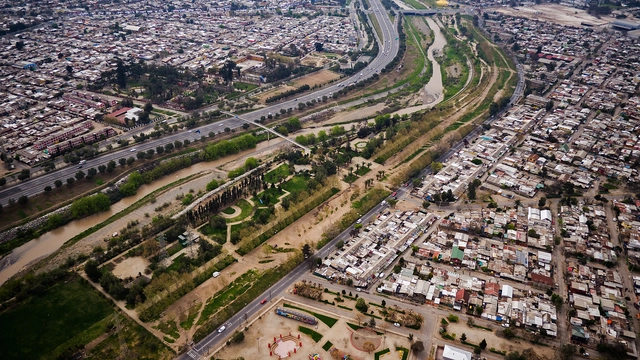
On Thursday, September 14, the first stage of the Mapocho Río Park was inaugurated in Santiago. Designed by the Ministry of Housing and Urbanism, the project is one of the most significant urban works in the Metropolitan Region, spanning a total of 52 hectares and 9 kilometers in length.
The concept of social housing in Chile began to emerge in the late 19th century, driven by population growth following rural-to-urban migration. At the time, people lived primarily in conventillos (tenements) and ranchos (shacks) under precarious living conditions. Facing a severe housing deficit, Chile took its first state measure in 1906 with the “Workers' Housing Law” (Ley de habitaciones obreras). Over the years, this policy framework evolved, leading to the creation of the Ministry of Housing and Urbanism (MINVU) in 1965, followed by the Housing and Urbanization Service (SERVIU) around 1980—institutions that continue to manage housing policy to this day.
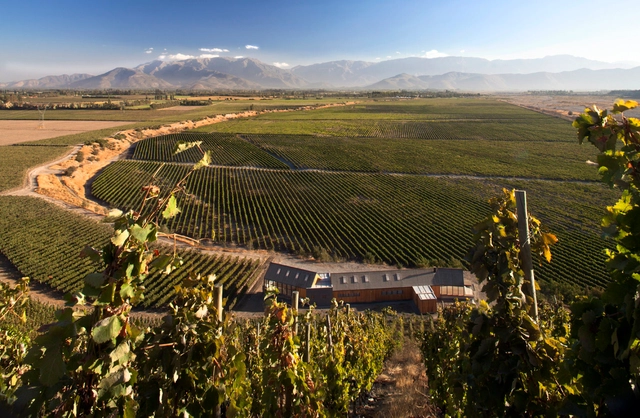
Chilean valleys and their development around winemaking are a cultural heritage that currently lacks recognition, according to Pablo Lacoste, the historian leading the initiative to highlight the heritage dimension of Chile's vineyards and designate them as a UNESCO World Heritage Site.
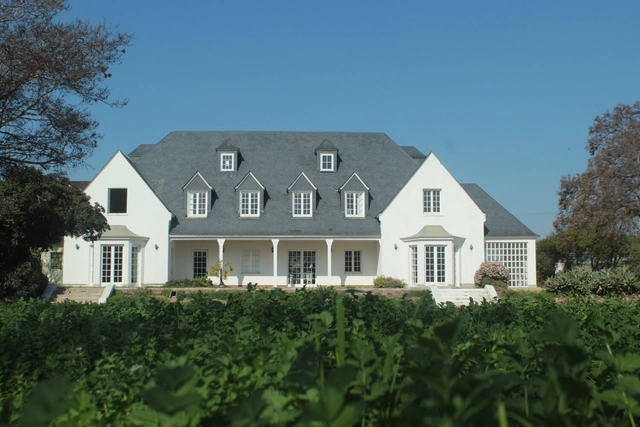
In 2016, in the commune of Limache in Chile's Valparaíso region, tunnels connecting to various parts of the city—including the CCU brewery—were discovered beneath a hatch in the gardens of the landmark Eastman Mansion. Prompted by uncertainty over why they were built, an investigation was launched, with the findings behind the project's origins finally revealed in 2021.
The CA Awards and Honors are among the most prestigious recognitions for architects in Chile, honoring 12 registered members for their work and contribution to the country's architectural field. Coinciding with the closing of Architecture Month and the commemoration of the 80th anniversary of the Colegio de Arquitectos de Chile, the award ceremony will take place on Thursday, August 25, at 6:00 PM. The event will also be broadcast via FB Live and on the YouTube channel of the Colegio de Arquitectos.
Residencias Remotas is an initiative created by the Architecture program of the Campus Creativo in conjunction with the Community Engagement department of the Universidad Andrés Bello. This interdisciplinary, transdisciplinary, and multidisciplinary project aims to open up a space for reflection on contemporary and pressing issues.
The city of Concepción in Chile will become South America's first “lab city.” The City Science Biobío program is a partnership between the Massachusetts Institute of Technology (MIT Media Lab), the Regional Government of Biobío, Corporación Ciudades, and the Chilean Chamber of Construction (CChC). These institutions will work in collaboration with local universities, municipalities, and civic organizations. MIT professionals will also visit the area to support the studies driven by the program.