Romullo Baratto is an architect with a PhD from FAUUSP and Managing Editor of ArchDaily. He previously coordinated the editorial team of the 11th São Paulo Architecture Biennial and served as Managing Editor of ArchDaily Brasil, where he led the platform to win the FNA Award—the first time the honor was granted to a media outlet. He collaborated on the editing of the book "Concrete Jungle", published by gestalten, and has curated architecture exhibitions in Brazil, Chile, Denmark, and Italy, as well as delivered lectures and moderated debates in Spain, the United States, and Portugal. His doctoral thesis investigates the urban landscapes of São Paulo through cinema. His work spans academic research and editorial practice, communicating architecture through texts, interviews, lectures, curatorship, and photography. Follow him on Instagram @romullobf.
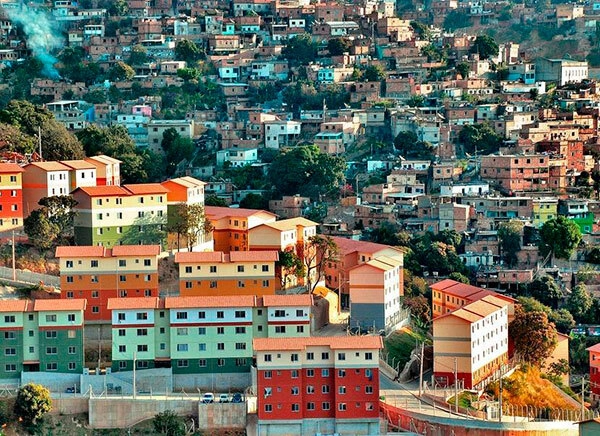
CAU Brazil has launched two public calls for institutional support aimed at selecting civil society organizations (CSOs) interested in carrying out two major initiatives to promote architecture and urbanism. Over R$ 1 million will be allocated to cultural projects and technical assistance for social interest housing (ATHIS).
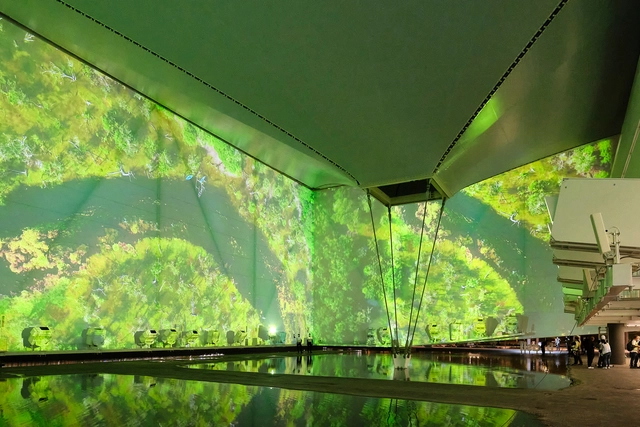
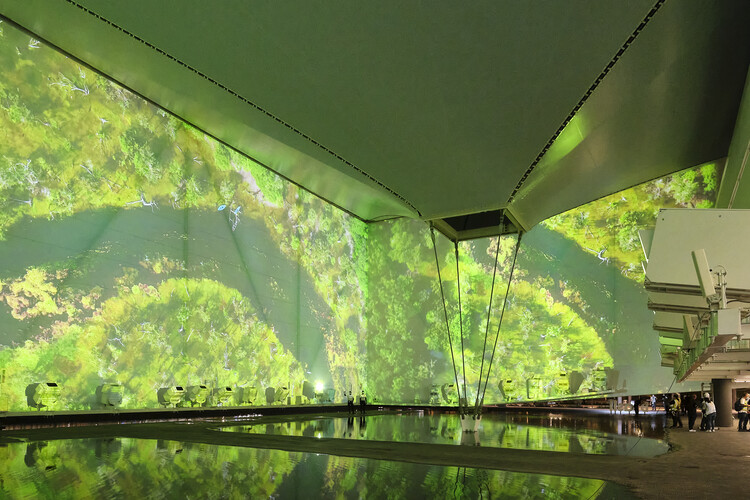
Designed by JPG.ARQ, MMBB Arquitetos, and Ben-Avid, the Brazil Pavilion at Expo 2020 Dubai offers a sensory experience that connects visitors of the World Expo with Brazilian biomes and cultural heritage.
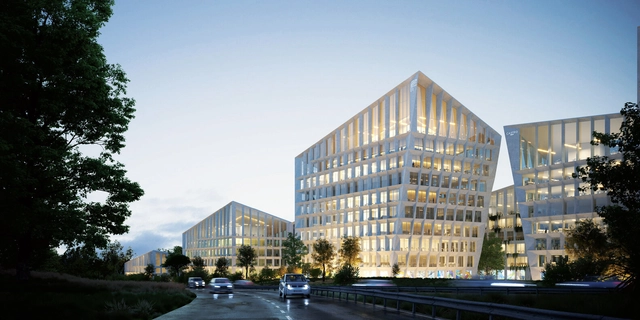
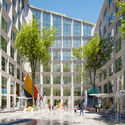
Matosinhos, in northern Portugal, will host the newest project by BIG, the Danish firm led by Bjarke Ingels. Titled Fuse Valley, the project is a mixed-use corporate complex located near the city, dedicated to Farfetch, a global luxury fashion platform, and the Castro Group, a real estate development and construction company.
Promoting the concept of a "sustainable" development that will pave the way for a "future tech valley" to emerge in Matosinhos over the next four years, the companies highlight that more than 80% of the outdoor spaces will be "fully open to the community, in total harmony and respect for the surrounding environment."
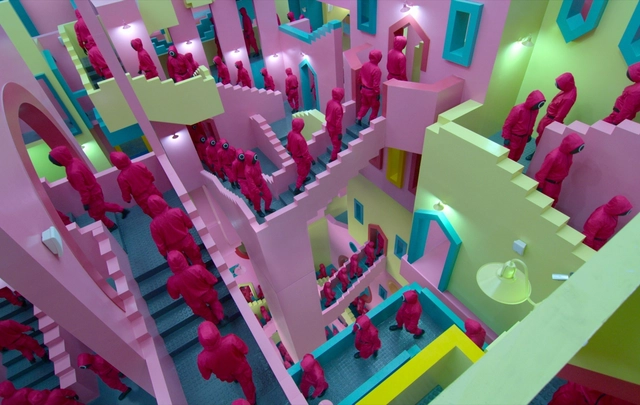
Maze-like hallway. Screenshot from the series. Courtesy of Netflix
People die in Squid Game. Lots of people. But while violence is one of the most appealing ingredients for the success (or failure) of a television show, that's not the only reason the series has become so popular worldwide. Pop culture, mesmerizing scenarios, and a plot full of social metaphors all contribute to this.
Available for streaming since September 2021, the Netflix series Squid Game “will definitely be our biggest non-English language show in the world, for sure,” and has “a very good chance it’s going to be our biggest show ever,” according to Ted Sarandos, the platform's co-CEO and Head of Content. The survivor thriller by director Hwang Dong-hyuk tells the story of a group of 456 people who are deeply in debt competing to win 45.6 billion won (around €33 million, $38 million) in prize money.
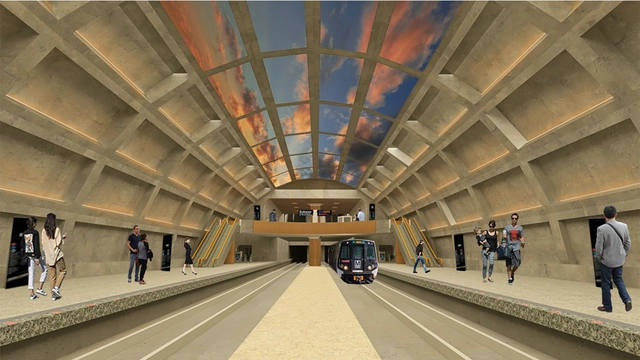
Concordia University and the University of Montreal, both in Canada, organized an international student competition challenging participants to reimagine the public transit experience in a post-pandemic metropolis. The competition aimed to stimulate discussion around new public transit experiences that could improve urban resilience.
Among the more than eighty entries received, the organizers sought to identify those that best addressed the theme through new narratives associated with public transit in a (post-)pandemic context, design proposals promoting public transit ridership, and design principles fostering new experiences in public transportation systems.
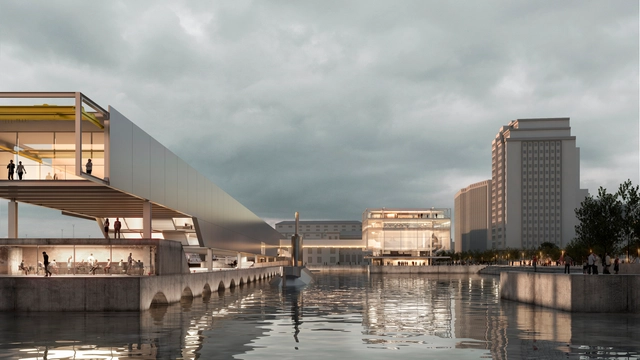
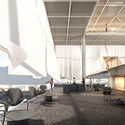
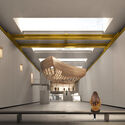
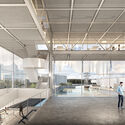
Organized by the Cultural Department of the Abrigo do Marinheiro (DCAMN), in partnership with the Brazilian Navy and the Rio de Janeiro Department of the Institute of Architects of Brazil (IAB/RJ), the national competition for the Maritime Museum of Brazil was won by the team comprising the offices messina | rivas (São Paulo, Brazil) and Ben-Avid (Córdoba, Argentina). The binational group presented a project that seeks to "reclaim proximity to the water and what it can represent as a common space amidst difference." Explore the proposal below.
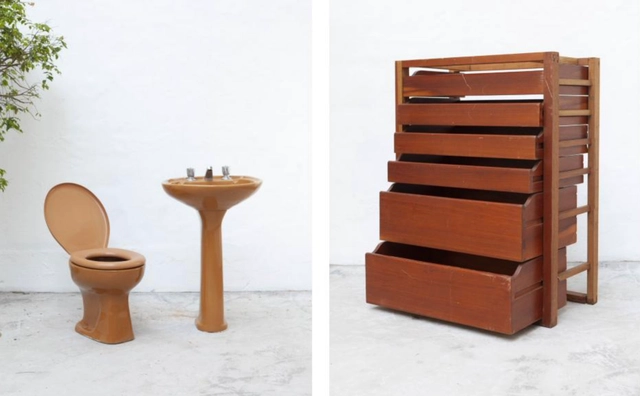
Responsible for a large share of atmospheric carbon emissions, the construction industry strictly follows a linear path that begins with the extraction of natural resources, moves through building construction, and ends with eventual demolition—or, in some cases, adaptation to other uses. Seeking to challenge this system by transforming it into a circular process, RUÍNA, a São Paulo-based firm founded by architects Julia Peres and Victoria Braga, has launched a catalog of construction materials salvaged from demolitions.
The results of the National Wood Architecture Award - PNAM’21 have been announced. In its sixth edition, the award recognized a winning project and two honorable mentions in “Sustainability and Circular Economy” and “Material Typology.” The main prize was awarded to Casa no Castanheiro, designed by architect João Mendes Ribeiro, located in Valeflor.
Every year on August 19th, we celebrate World Photography Day. This year, to encourage our readers who are passionate about this art, we published an open call inviting people – both amateur and professional photographers – to submit their images of architecture and the city.
We received over 400 photographs of buildings, interiors, and public spaces in various locations and contexts, captured by more than 130 participants from all over the world, including India, Brazil, Pakistan, Mozambique, Italy, and the United States. Our editorial team pre-selected 50 photographs and then voted on the 25 most compelling images. Here is the selection, listed in alphabetical order by the names of the authors.
His mother’s deep interest in architecture, a childhood in São Paulo, classes at FAU-USP, his closeness to Ernest Mange, his first projects, his teaching experience, and the development of his own repertoire. In this episode of the Betoneira Podcast, architect Marcos Acayaba recalls pivotal moments of his training and career, such as the Milan House (1972-1975).
Since before the first industrial revolution, sociologists, historians, and urban planners have been addressing the relationship between the city and the countryside, but this debate has become more pressing nowadays with the spread of megacities, typically with a population of more than 10 million people. With more and more people living in urban areas, it is imperative to think of solutions for food production within cities, thereby making cities more independent from rural areas, which have historically been responsible for the supply of food to the entire planet.
The idea that cities will become self-sufficient in food production in the near future is both unrealistic and naive. Nevertheless, small initiatives such as urban gardens, either at home or public gardens run by the community, might be a good starting point for a much bigger change in the future. Or perhaps they simply represent a desire to return to one's roots and achieve a slightly slower lifestyle.
Planting trees is one of the simplest and most effective ways to combat climate change, and many companies use tree planting to offset carbon emissions. However, when taking this approach, it is essential to ensure that the trees planted will effectively store sufficient amounts of carbon.
Planting location is a key factor. Trees must be planted where they can live for decades and properly absorb carbon from the air.
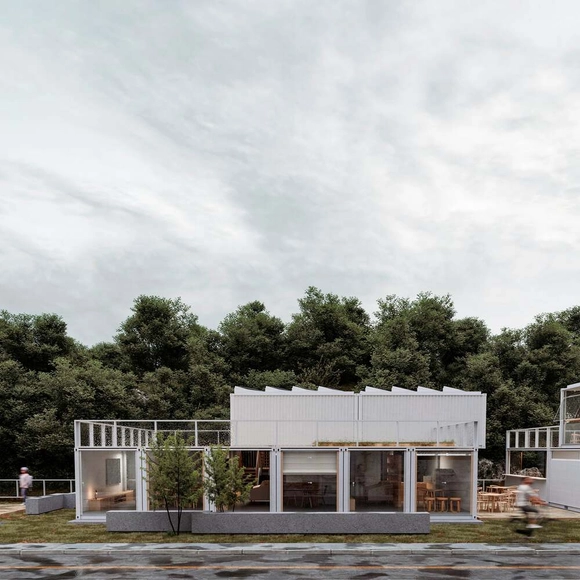
Brazilian student Luan Fontes, from the University of Porto in Portugal, has won the national competition Healthy Home, Healthy Citywith a modular project made of shipping containers. Organized by the Council of Architecture and Urbanism of Rio Grande do Sul (CAU/RS) in partnership with UN-Habitat and Minimum, the competition sought the best architectural and urban solutions for innovations or improvements across different scales and living spaces in urban areas, aiming to foster quality of life in cities following the new reality imposed on society by the pandemic.
Conceived from the collection of the MAXXI museum in Rome, the traveling exhibition of At Home, at Garagem Sul, Centro Cultural de Belém in Lisbon, is complemented by Portuguese examples, expanding the interpretations and meanings of the presented materials. The exhibition ranges from the small scale of the shelter to the large scale of collective housing, revealing hybrid and complex experiences that bear witness to new ways of relating the individual and the community.
The Saint-Gobain Group and the Brazilian Association of Architecture Offices (AsBEA) have announced the winners of the 8th edition of the Saint-Gobain AsBEA Architecture Award. The accolade celebrates projects that offer comfort and innovative solutions while simultaneously preserving the environment and promoting sustainability within the Brazilian construction industry.
Divided into two categories, professional and academic, the award recognized more than twenty projects across subcategories that included commercial, residential, and institutional architecture, thermal comfort, sustainability, and innovation, among others. See the winners below.
Fachada Sul. Image Cortesia de UNA Barbara e Valentim
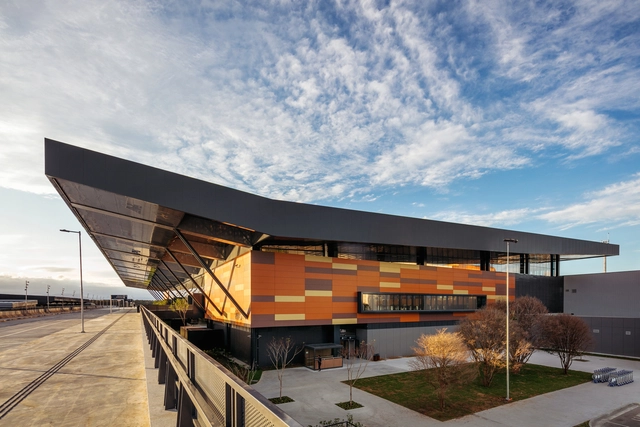
In its 8th edition, the Saint-Gobain AsBEA Architecture Award announced the winners of its 2021 cycle, and the Sesc Parque Dom Pedro II project, developed by UNA Arquitetos under the coordination of Fernanda Barbara and Fabio Valentim—currently partners at UNA Barbara e Valentim—won in three categories. It secured first place in the Professional Category – Institutional Project, the Sustainability Highlight award, and the "Roberto Claudio dos Santos Aflalo" Highlight of the Year award.
The Galeria da Cidade is hosting the exhibition Artacho Jurado no Desenho da Cidade, which highlights the self-taught architect who designed and built landmarks of modern São Paulo, such as the Bretagne, Cinderela, and Louvre buildings, among others. The public opening is on Saturday, September 4, marking the 114th anniversary of his birth.
Rejecting the rigid tenets of mid-century modernism, Jurado developed a unique style characterized by refined details, vibrant colors, and generous spaces and programs, almost always opening the ground floors of his buildings to the city. His expressive design language led critic Décio Pignatari to compare him to the Catalan architect Antoni Gaudí.
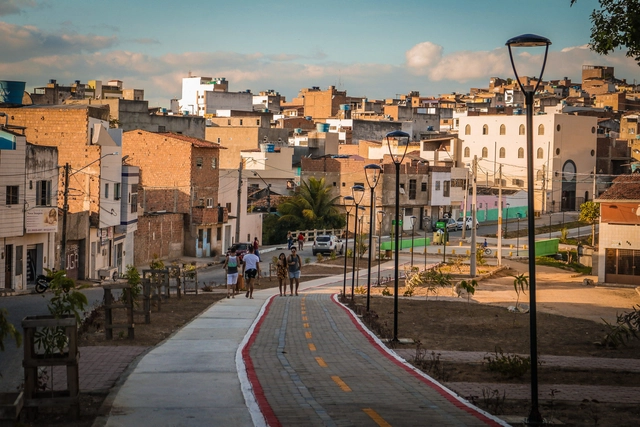
Planning and implementing projects to prioritize active travel has been a requirement in Brazilian cities since 2012, under the National Urban Mobility Policy. Walking is the most significant mode of transport in urban life, accounting for 39% of daily trips in Brazilian cities. Furthermore, walkable cities are more sustainable, resilient, healthy, social, and democratic.
To this end, the Walkable City Award, organized by SampaPé! with support from ITDP Brasil and Walk 21, sought to discover and recognize public sector projects and initiatives implemented in recent years to prioritize walking. Its inaugural edition received 28 eligible projects from 16 different cities across 10 states and the Federal District, representing every region of the country except the North. All submissions are featured on a map of public walkability initiatives available on the Award website to inspire future projects.