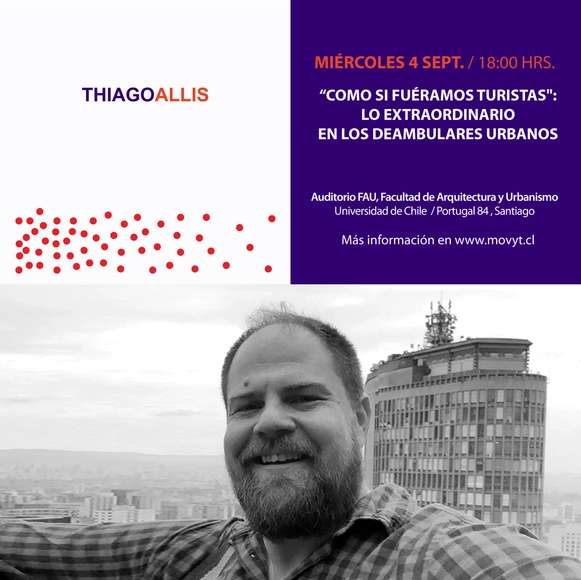
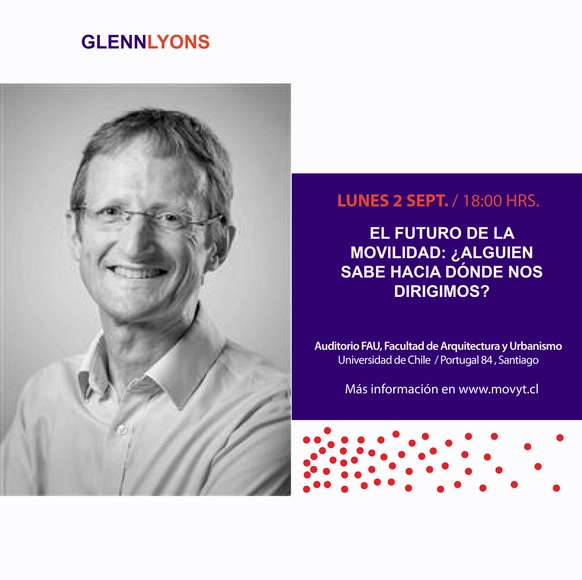
The Millennium Nucleus for Mobilities and Territories (MOVYT) invites all interested parties to attend its public masterclasses, which will be delivered by international guests as part of an international course held at the Faculty of Architecture and Urbanism of the University of Chile from September 2 to 5.
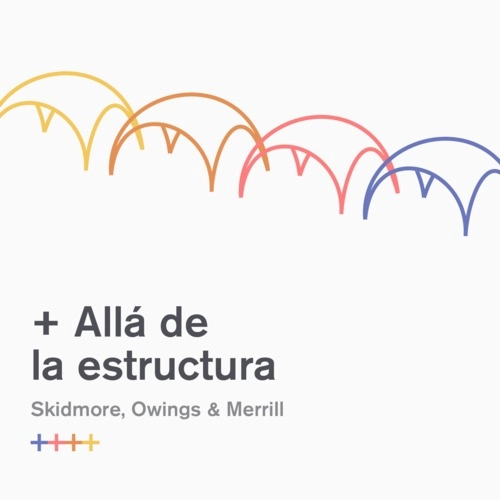
Organized by SOM and the Fundación Arquitectura COAM, this exhibition explores the work of SOM’s structural engineering team, its integration with architectural design, and the ideas behind some of the world’s most significant projects.
On April 11, the Modular installation opens at the Museo de Arte Contemporáneo (Forestal branch). The project emerges from academic research inspired by the principles of liquid architecture and the creation of an articulated geometry device designed to explore the dynamic relationships between sound, space, time, and event.
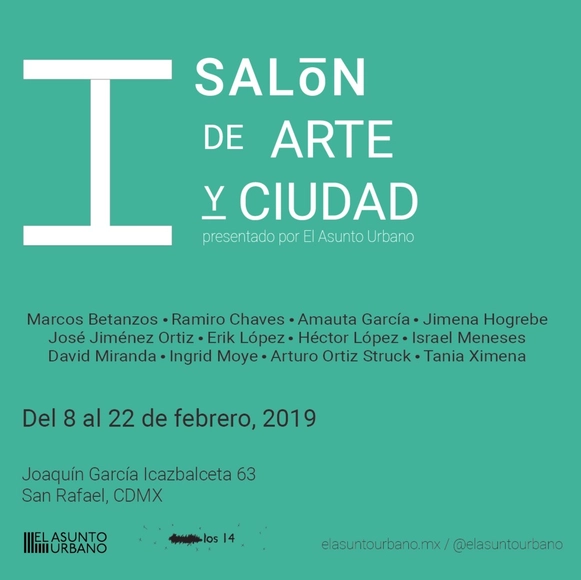
The First Art and City Salon is a project by El Asunto Urbano that brings together artists and architects whose practice is closely linked to both fields: architects creating artworks and artists using architecture as part of their language.
A presentation of the work of the architecture firm Adamo-Faiden (Argentina) through a conversation with Sebastián Adamo, whose office divides its focus between teaching, research, and professional practice.
The Millennium Nucleus on Mobility and Territories (MOVYT) invites all interested parties to attend its keynote lectures, which are open to the public. These lectures will be delivered by international guests as part of an international course held at the Faculty of Architecture and Urbanism of the University of Chile, from September 2 to 5, at 6:00 PM.
As part of the [+] with [-] Lecture Series organized by the Final Integrated Project Chair, and for the first time in Argentina—in alignment with our academic philosophy—we are premiering the award-winning documentary 'Doing More with Less' at UM FADAU. The film was directed by Katerina Kliwadenko (Chile, 1985) and Mario Novas (Spain, 1977) in collaboration with the Ecuadorian architecture firm Al Borde.
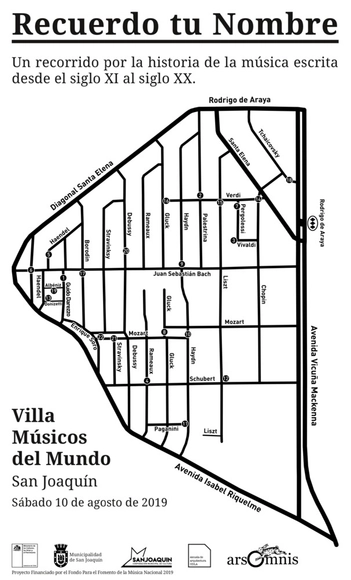
"Recuerdo tu nombre" is a large-scale concert held at Villa Músicos del Mundo in the San Joaquín commune of Santiago. The concert aims to strengthen the bonds between community members and their daily environment, offering an opportunity to learn about the history of an artistic discipline while advancing the development of a personal language in the construction of a musical event.
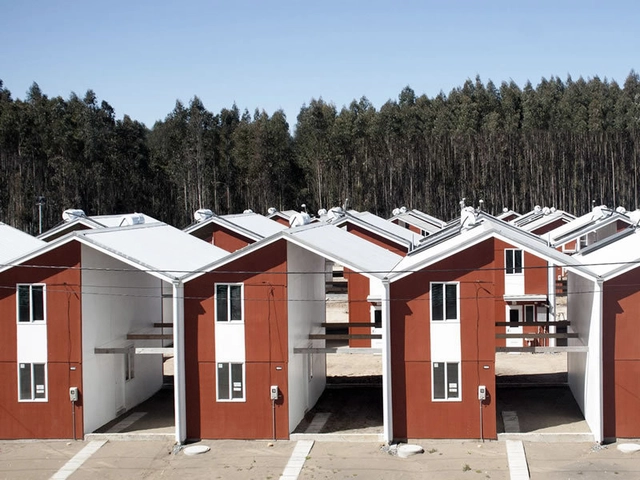
Architect Juan Ignacio Cerda, a partner at ELEMENTAL, will present the housing projects of ELEMENTAL, an architecture firm led by Alejandro Aravena and also comprising Gonzalo Arteaga, Juan Cerda, Víctor Oddó, and Diego Torres.
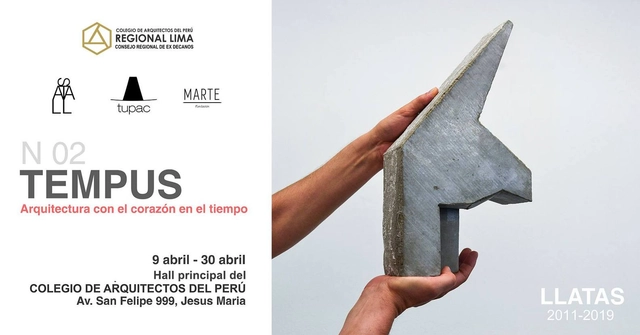
“To make is to think”—a phrase we have taken from Richard Sennett’s book The Craftsman—summarizes our working system across the various projects developed for this exhibition. Architecture takes time; constructing a project can take years. It is these almost infinite moments that allow the architect to rethink their work, evolve it, sometimes contradict it, and at other times, perfect it. When we speak of architecture and ask ourselves what it is, we can recall the words of one of the great masters, Mies van der Rohe, who reminds us that “Architecture starts when you put together two bricks, carefully.” In other words, architecture begins with placing one brick next to another, but the detail lies in doing so with care.
The School of Architecture at Universidad Finis Terrae hosts monthly "Atraviesos Urbanos" (Urban Crossings), thematic tours of Santiago led by architects. This edition, titled "Paseo Bulnes: Tracing Our Civic History," will be led by architect Andrés Echeverría.
Dichotomies of Power is an exhibition by the firm Dellekamp/Schleich, contextualized within a historical moment of change in Mexico. Part of the Abierto Mexicano de Diseño 2020 program, this exhibition invites visitors to use their interpretive skills to immerse themselves in three dimensions of the representation of power: the real, the symbolic, and the imagined.
Consulting firms are required to have a minimum technical team that enables them to meet the specified deliverables and experience parameters outlined in the Request for Expressions of Interest.
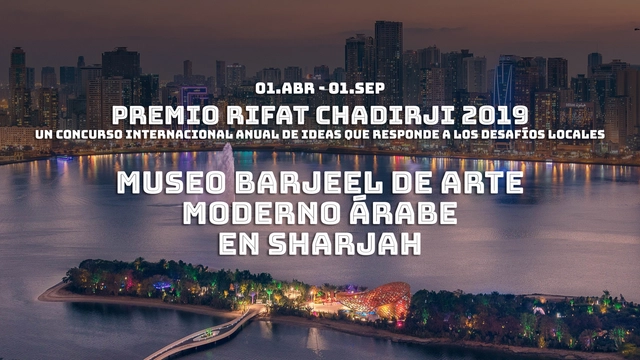
Participants are invited to design an architectural and cultural landmark to house the Barjeel collection and represent modern art, architecture, and design in the Arab world.
Archstorming is collaborating on this new competition with His Hands On Africa ("HHOA"), a non-profit organization founded in 2016 that aims to address the lack of dental services in developing countries. The chosen location is Rwanda, a small country in the heart of Africa.
The Contemporary Architecture Foundation announces the third edition of the #Entreplanos urban audiovisual competition, using this highly participatory activity to prepare for the celebration of World Town Planning Day, which will take place in November.
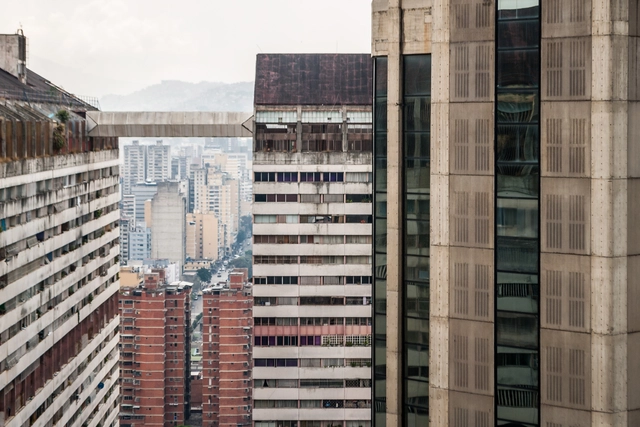
Photograph by Josbel Chacón. One of the four selected for the first exhibition.
The Biennial of Latin American Architecture (BAL) began in 2008 with the goal of identifying the most recent and notable examples of new architecture in Latin America, creating a forum to strengthen ties on both sides of the ocean, bridge distances, and establish a firm, solid counterpoint to the Anglo-Saxon world.
.jpg?1554391487&format=webp&width=640&height=580)

![Lecture Series [+] with [-]: 'Doing More with Less' documentary - Featured Image](https://snoopy.archdaily.com/images/archdaily/media/images/5d11/2a14/284d/d1e4/1700/0285/slideshow/open-uri20190624-31906-144clm1.jpg?1561405958&format=webp&width=640&height=580)