This year, we celebrate the 60th anniversary of our Colombian Biennial of Architecture and Urbanism, which has established itself as a landmark event in the architectural world.
This year, we celebrate the 60th anniversary of our Colombian Biennial of Architecture and Urbanism, which has established itself as a landmark event in the architectural world.

Perhaps the most immediate point of contact with our designed world, furniture has long provided fertile ground for micro-architectural icon-making, material experimentation and technological innovation. The latest tranche of Global Design Agenda expert insights – as part of our Furniture Design Week, which starts on 4 April – sees fêted designers Sebastian Herkner and Alfredo Häberli, as well as architectural grandee Benedetta Tagliabue and interiors specialist Katy Ghahremani from Make Architects, discuss the meaning, method and magic of furniture design and specification.

As the hospitality sector begins to reemerge after the global pandemic, fresh thinking, new strategies and innovation will be key – and all on show at HD Expo + Conference in Las Vegas, 26 to 28 April.
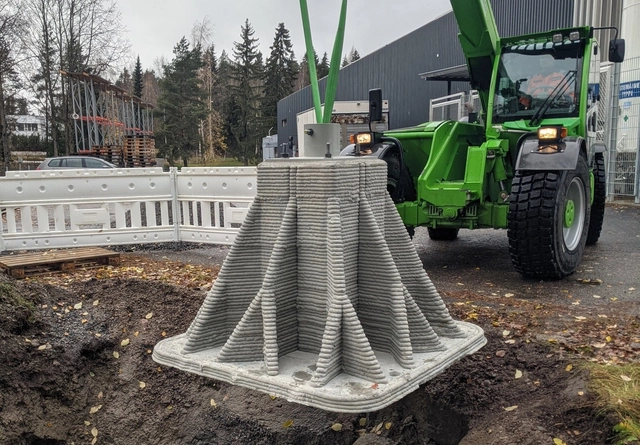
After water, concrete is the second most-consumed material on the planet and its production is substantially growing, expected to increase from 4.4 billion tons, reaching production up to 5.5 billion tons by 2050. Unfortunately, this comes at a huge environmental cost, accounting for almost eight percent of the global carbon emissions. With this estimated expected growth, stakeholders in the construction industry must work on integrating sustainable building materials and innovative processes.

IED Rio Opens the Doors to Its New Headquarters at Casa D'Italia

The Fundação Bienal will launch the essay collection Bienal de São Paulo desde 1951 on March 31 at the Ciccillo Mattarazzo Pavilion. This publication commemorates the 70th anniversary of the Bienal de São Paulo, reached in 2021, and the 60th anniversary of the Fundação Bienal, celebrated this year. Participation is free and open to the public.

PREMISE

The aim of this competition is to encourage students to brainstorm design solutions for issues that plague the world and mankind. The problem can be of any nature ranging from design problems to environmental problems. You have no constraints as to what you can design or redesign, it can be a product, a building, a space, a neighborhood, a city, or even a new type of technology.
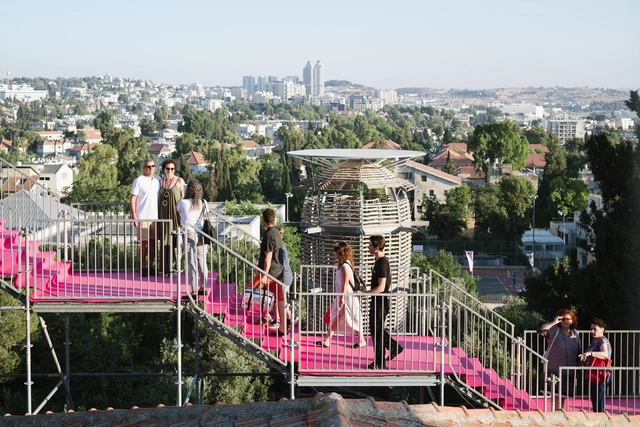
The eleventh Israeli edition and sixth international edition of Jerusalem Design Week (JDW) takes place in Jerusalem’s historic Hansen House from 23rd–30th June 2022. Welcoming more than 40,000 visitors, JDW is Israel’s foremost public design event. At Hansen House, 200 Israeli and international designers will participate in over 40 events, exhibitions, and installations. Moreover, JDW will see new collaborations with leading local and international partners. With design centred around a yearly theme, JDW encourages non-commercial works and a cross-disciplinary approach in targeting new formats for exhibitions, performances, and events.
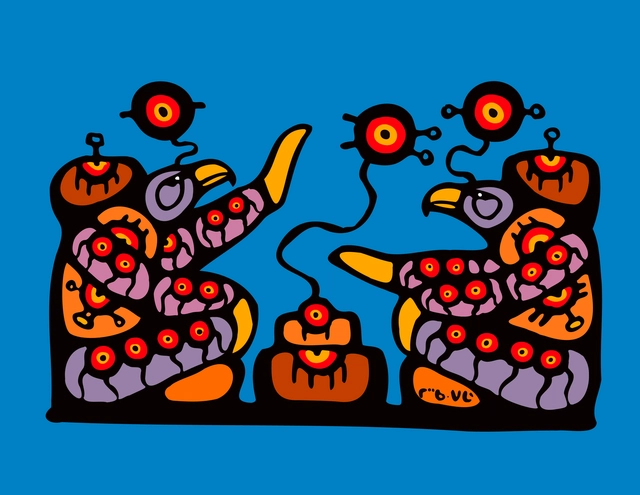
Facing the horizon, the meeting point of earth and sky, we navigate new ways and explore new perspectives.

The NextGen International Taskforce is a collaboration between IE School of Architecture & Design and CPA NextGen, bringing together international talent to exchange ideas on the real-estate industry and built environment. This group of NextGen professionals typically gathers on a bi-monthly basis to address topics such as sustainability, inclusivity, technology, cities and wellbeing.
These conversations look at the future of cities and how to build a better future for people and businesses. In this edition, held on January 25th, 2022, a group of 12 professionals came together to discuss the topic of sustainable mobility, also touching on the future of remote work and its impact on housing.
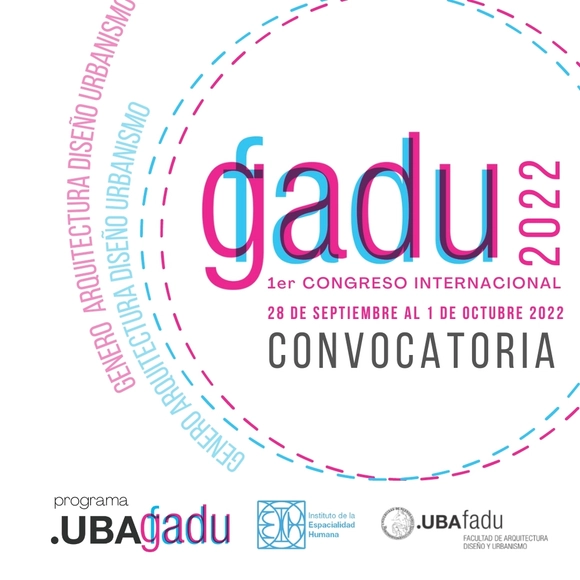
The 1st International GADU Congress: Gender, Architecture, Design, and Urbanism will take place from September 28 to October 1, 2022, in a hybrid format—both virtual and in-person—at the Faculty of Architecture, Design, and Urbanism of the University of Buenos Aires, Argentina.

Ensuring that a project's construction team is working with the most up-to-date information is critical to its success; but this is not an easy task. Document management workflows are often disconnected or disjointed due to manual administrative processes and disparate systems. As a result, poor document management can result in schedule delays, quality issues, expensive rework, budget overruns, and litigation.

cove. tool's core mission is to fight climate change by helping architects, engineers, contractors, and developers use data-driven design through automation and cost optimization. Creating a competition premise that called attention to this critical issue was important. With the recently published landmark Intergovernmental Panel on Climate Change's (IPCC) 2021 report that warned of increased extreme heatwaves, droughts, and flooding, as well as a key temperature limit on track to be broken in just over a decade, it further highlighted the urgency. As climate change intensifies, housing stability will be increasingly under threat. These two inextricably linked issues had the potential to spark innovative ideas from the international design community and community-at-large. With the sizeable grand prize of $50k, the goal was to solicit entries from all over the world and help facilitate more conversations about carbon positive, affordable housing that could be replicated in multiple neighborhoods, cities, and countries. Sustainability and affordability are often two topics that are at odds. However, this competition proved that there are creative solutions to complex problems.
The Paris Agreement is an international treaty on climate change. Adopted by 196 countries in Paris on December 12, 2015, it entered into force on November 4, 2016. Its goal is to limit global warming to well below 2 degrees Celsius—preferably 1.5 degrees—compared to pre-industrial levels. To achieve this long-term temperature goal, countries aim to peak greenhouse gas emissions as soon as possible to achieve a climate-neutral planet by mid-century. This entails reducing domestic greenhouse gas emissions by at least 40% by 2030 relative to 1990 levels.
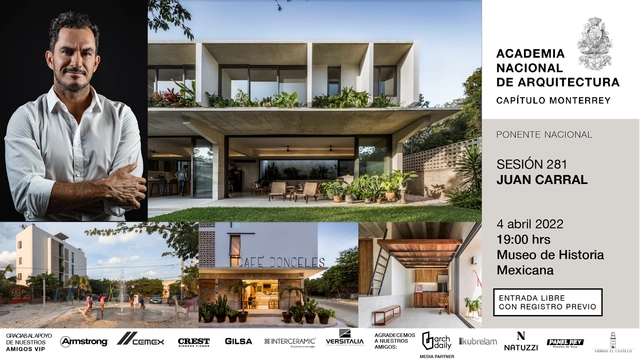
After two years of using the Zoom format, we are pleased to return to the in-person sessions of the National Academy of Architecture, Monterrey Chapter, at the Museo de Historia Mexicana, which we have traditionally held on the first Monday of every month since 1995. On this occasion, our guest speaker is architect Juan Carral O'Gorman, who is visiting us from Quintana Roo.
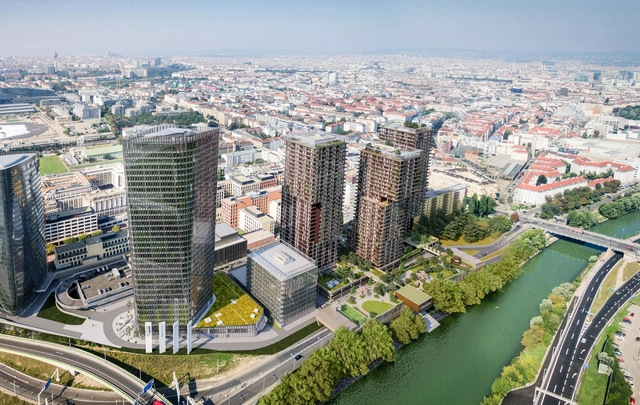
Climate change, the scarcity of resources, and urbanisation are hot topics in the building and construction industry. In this context, the importance of sustainability cannot be overemphasised: almost 40% of global CO2 emissions and 36% of global energy usage is associated with building and construction. These figures clearly illustrate the increasing need for more sustainable solutions in the industry.
Companies that play an active role in the building industry have a responsibility to pave the way toward a more sustainable future. This is why partners like Uponor, one of the leading international providers of solutions that move water for buildings and infrastructure, strive to help customers in Europe to choose the perfect solutions for greener building designs.
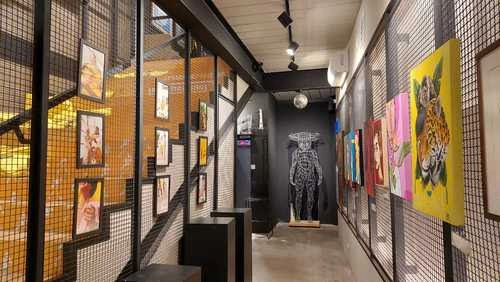
Through March 31, ZIV Gallery is hosting Expo ZIV Mulheres, with activities taking place at Beco do Batman and the Istituto Europeo di Design (IED) São Paulo, located in Higienópolis. The art exhibition brings together works by Brazilian artists and Afghan photographers. Throughout March, ZIV is also hosting a series of discussion circles covering topics such as violence against women, gender and identity, and the challenges faced by women.