
NATIONAL PUBLIC ARCHITECTURE AND URBANISM COMPETITION FOR ATHIS SANITARY UNIT LAUNCHED
NATIONAL PUBLIC ARCHITECTURE AND URBANISM COMPETITION FOR ATHIS SANITARY UNIT LAUNCHED

The call for entries for the 2020 CAU/RJ Grandjean de Montigny Grand Prize is now available! This year's winner will be awarded a study trip to a Latin American country, in addition to R$ 7,000 for expenses. The authors of the projects placed 2nd and 3rd will receive R$ 5,000 and R$ 3,000, respectively, for study trips. The results will be announced at the Architect and Urban Planner Day celebration on December 15. Due to the COVID-19 pandemic, the event will be held online and streamed live on the CAU/RJ YouTube channel. Further details regarding the program will be released soon.
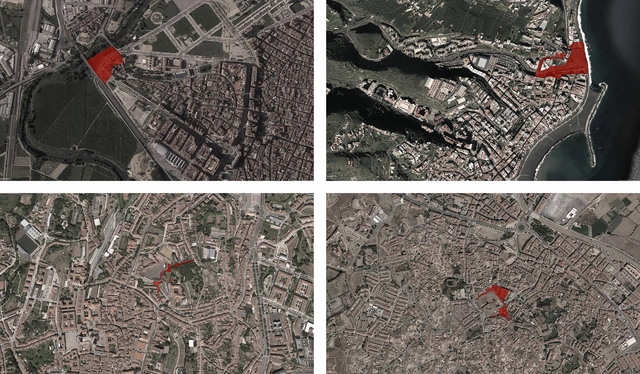
The Richard H. Driehaus Architecture Competition is an international contest aimed at promoting the practice of architecture and urbanism that preserves and continues local traditions, contributing to the creation of a more beautiful, coherent, sustainable, and socially inclusive urban structure.
The year 2020 will remain a landmark in history and in our collective memory. Everything changed and continues to change; the pandemic revealed our fragility and vulnerability in a globalized world, where it took only a few months for COVID-19 to spread across much of the globe, upending the economies and politics of even the world's greatest powers.
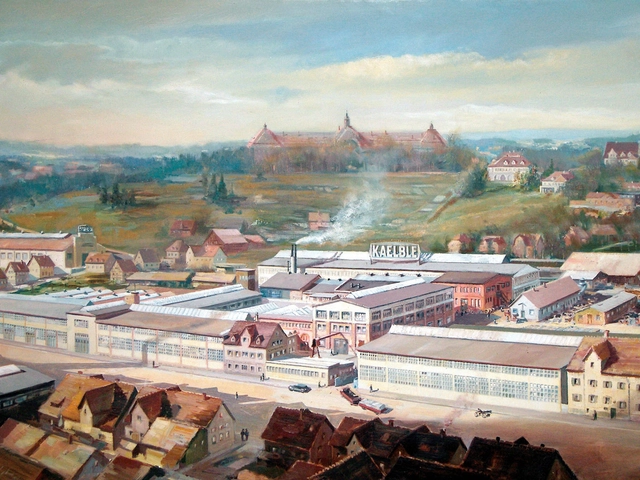
The 2027 International Building Exhibition celebrates the centennial of the Weißenhof Estate in Stuttgart. Much like its predecessor—the famous exhibition orchestrated by Mies van der Rohe, which brought together masters of the Bauhaus and the European Modern Movement—IBA'27 will present a selection of projects and buildings across the Stuttgart urban region in 2027. These works will test new strategies and concepts, advancing the vision outlined in our project quality standards.
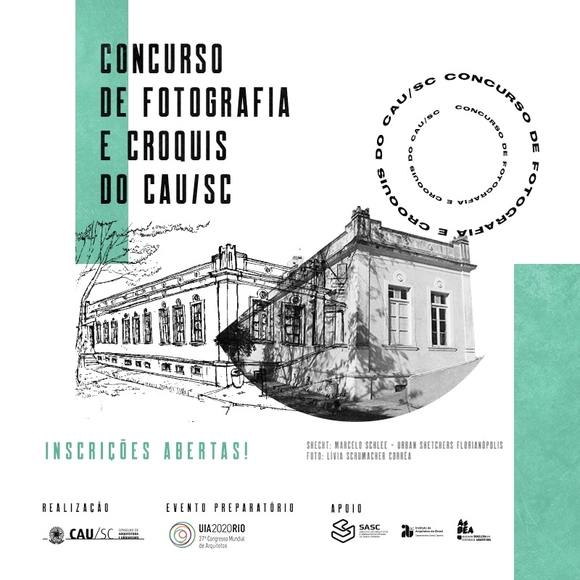
The competition aims to encourage a documentary and artistic perspective on architecture in Santa Catarina and will offer cash prizes to the top entries.

Revista MAPA is an annual publication edited by the Latin American Coordinator of Architecture Students (CLEA). The magazine serves as a platform for promoting and disseminating criticism and socio-spatial analysis of the diverse realities across Latin America, featuring contributions from students and professionals.

The goal of the competition is to design a one- or two-story prototype that acts as a sculptural element within its environment. It should be adaptable to beaches, parks, and plazas, serving as a landmark and safety point for tourists in major cities worldwide, while adding value to both natural and urban settings.
Ideasforward is an international competition platform that aims to connect ideas from different areas of society to help transform cities and make them increasingly self-sufficient, efficient, and ecological.
Submissions are now open for issue 10 of Projectare: Revista de Arquitetura e Urbanismo. Following the migration to the UFPel Journal Portal (https://periodicos.ufpel.edu.br/ojs2/), this will be the first issue of the magazine edited and published via the Open Journal Systems platform.
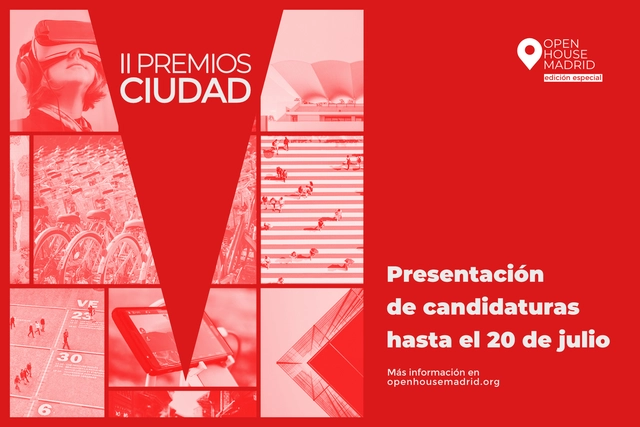
Open House Madrid announces the 2nd edition of the City Awards, which recognize the most innovative, social, and engaged proposals that will shape the future of cities.
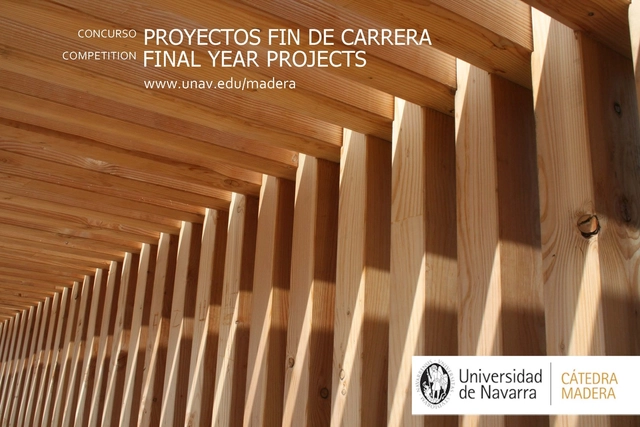
The 8th edition of the Timber Chair Final Degree Project (PFC) Competition awards the final degree project that, through its quality, innovation, originality, or creativity, highlights the use of timber and sustainability in an architectural project.

The competition calls for the conceptualization of a floating housing prototype (FLOATING HOUSE) that functions as an independent unit. Through its design, it should be capable of forming a cluster of 10 units, adding value to the natural environment. The site is located on the Caribbean coast, on the island of Holbox, Mexico.

V!21 | WE HAVE NEVER BEEN SO DIGITAL CALL FOR PAPERS
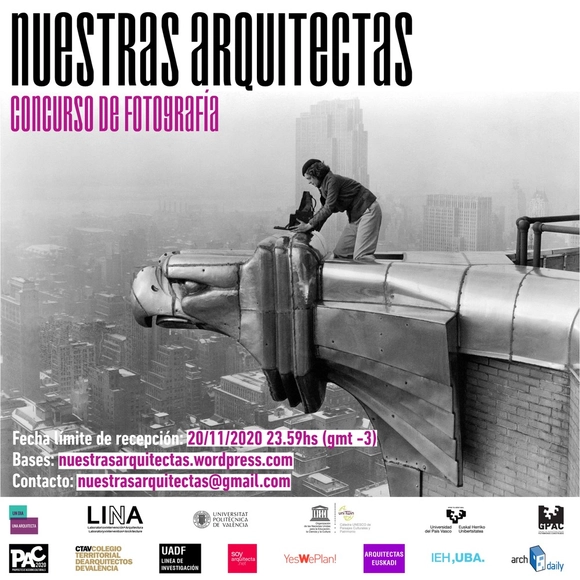
Through this photography competition, Nuestras Arquitectas aims to focus and refocus on images that have been hidden or overshadowed, restoring the recognition and prominence that architects deserve.

Registration is now open for the ‘Ir e Vir’ ideas competition, a contest for architecture students across Brazil that aims to investigate the impact of the pandemic on our collective imagination and its repercussions on the practice of the contemporary city through architectural projects.

The Quechua Architecture Competition (Q.A.C.) invites all participants to take part in a new challenge: to develop and present a project that explores diverse fields of thought and design. This time, the challenge is "CUICOCHA Mirador."
These are small creative challenges that we will launch regularly. We are talking about projects, illustration, photography, sketches, design, video, or other media, all of which share architecture as a common thread. Here, you will test all your skills and discover some you didn't know you had! It’s your time!