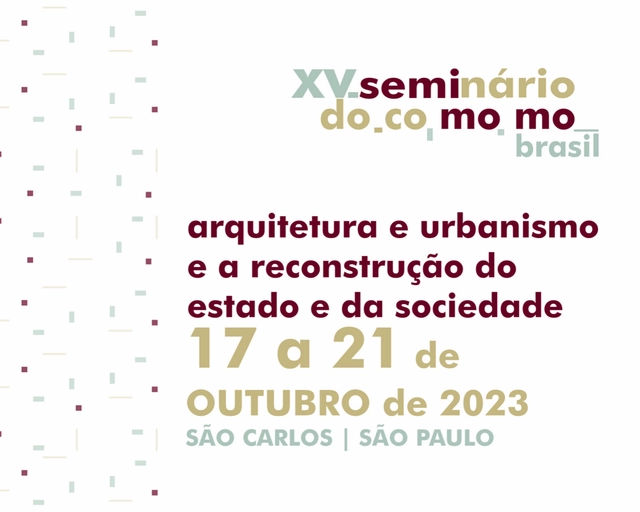
XV DOCOMOMO BRAZIL SEMINAR
ARCHITECTURE AND URBANISM AND THE RECONSTRUCTION OF THE STATE AND SOCIETY
XV DOCOMOMO BRAZIL SEMINAR
ARCHITECTURE AND URBANISM AND THE RECONSTRUCTION OF THE STATE AND SOCIETY
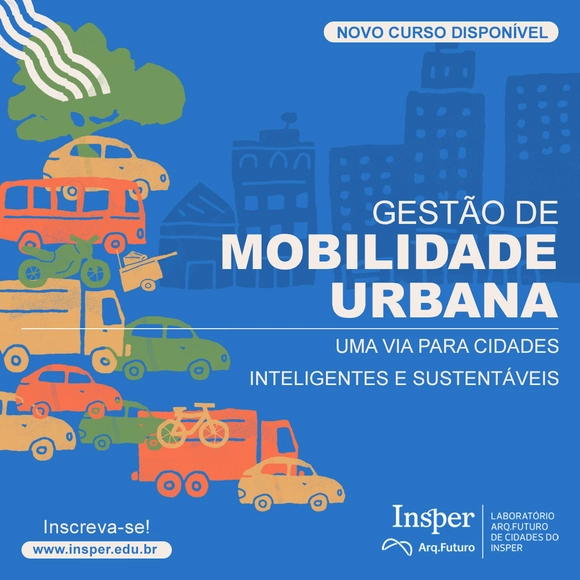
São Paulo, 2023 – Registration is now open for the course "Urban Mobility Management – A Path to Smart and Sustainable Cities," offered by the Arq.Futuro Cities Laboratory at Insper, which will take place throughout August and early September. The eight sessions aim to deepen knowledge of urban mobility dynamics, a central theme in policy discussions aimed at ensuring a better quality of life for inhabitants. Commuting alternatives shape the urban experience for everyone—enabling, hindering, or even inhibiting access to and the right to the city.
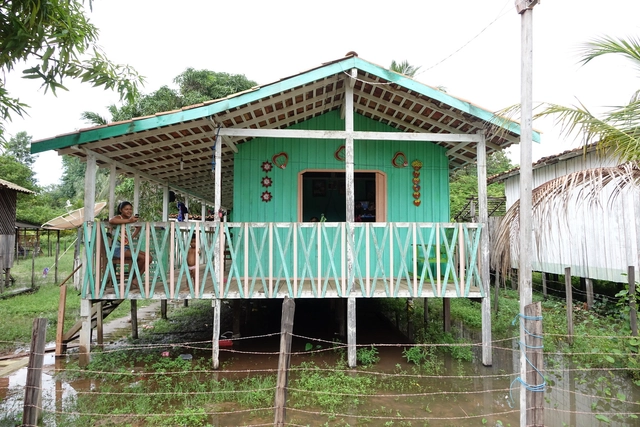
Sponsored by the Ministry of Culture and the Instituto Cultural Vale, the Museu A CASA do Objeto Brasileiro and Alcantarino Design are presenting the exhibition "Caboclos da Amazônia: arquitetura, design e música" from September 30 to January 7, 2024, at the institution's headquarters located at 1216 Rua Pedroso de Moraes, in Pinheiros, São Paulo.
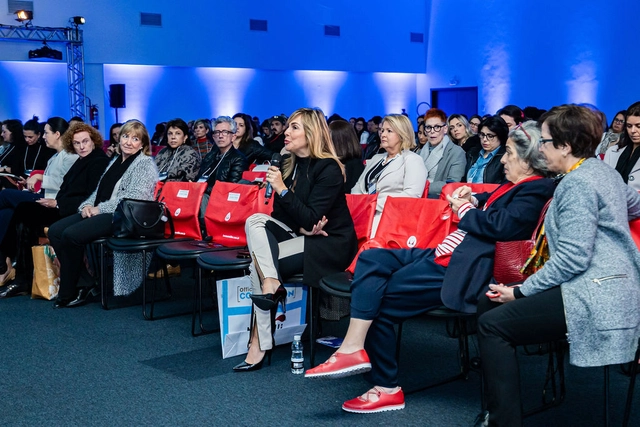
ABD CONAD—the National Congress of Interior Design—will bring together professionals from across the country for an event focused on professional development and relevant industry discussions. The event will take place on August 3rd and 4th, from 10:00 AM to 6:00 PM, at the WTC Events Center, located within the D&D Shopping complex in São Paulo.
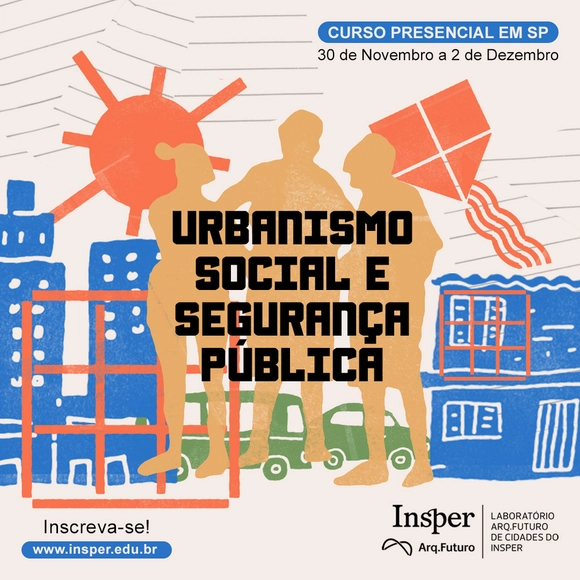
Arq.Futuro Cities Laboratory launches course on public security in Brazil

The 9th Seminar of the CNPq Research Group "Representations: Imaginary and Technology" will bring together researchers affiliated with the group to discuss ongoing and recently completed projects, focusing on the epistemological and methodological aspects relevant to these investigations. Featuring short presentations in thematic panels, workshops, book launches, and immersions in the RITe Study Groups, the seminar will be held primarily in person from December 11 to 15, 2023, at the Caetano Fraccaroli Sculpture and Form Research Atelier, located at 1560 Professor Almeida Prado Street, Cidade Universitária, São Paulo, Brazil.
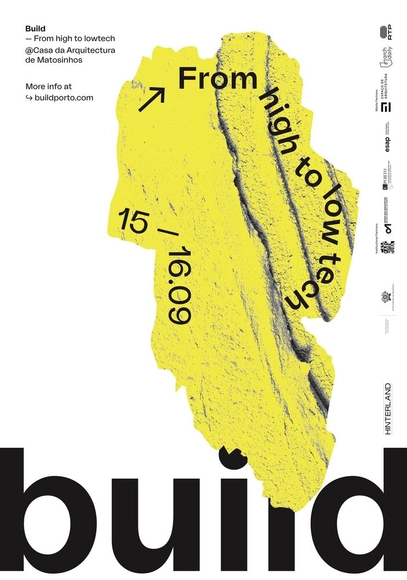
The Build: from high to low tech event returns for its second edition at the Casa da Arquitectura in Matosinhos, Porto.
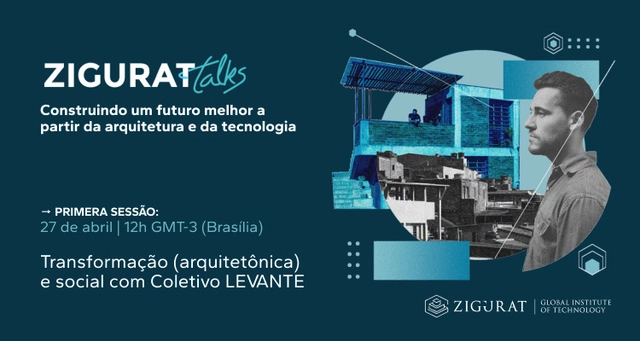
Architects and builders can create environments and spaces that improve people's quality of life, in alignment with the UN Sustainable Development Goals, particularly SDG 11. Furthermore, technology can be a powerful ally, offering innovative resources such as 3D modeling, BIM, virtual and augmented reality, sensing, and the Internet of Things. Do not miss the opportunity to learn more about this topic at our ZIGURAT Talks event on the architecture of the future!
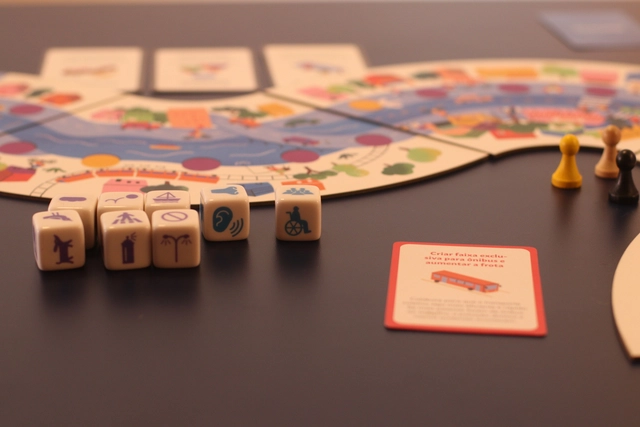
Trilhas Urbanas, a board game featuring innovative urban solutions, launches on Catarse

Held on May 25 and 26, the 2nd Experimental Construction Site Seminar in Architecture and Urbanism was promoted by LEMC Canteiro Experimental, the PET Canteiro Experimental e Comunidades group, and GEPARQ (Research Group of PROARQ/UFRJ). The seminar aims to present pedagogical practices in experimental construction sites and research and outreach projects that engage with hands-on construction, as well as the experiences of professors and professional architects and urban planners who currently incorporate construction experiences into their professional practice within social architecture.
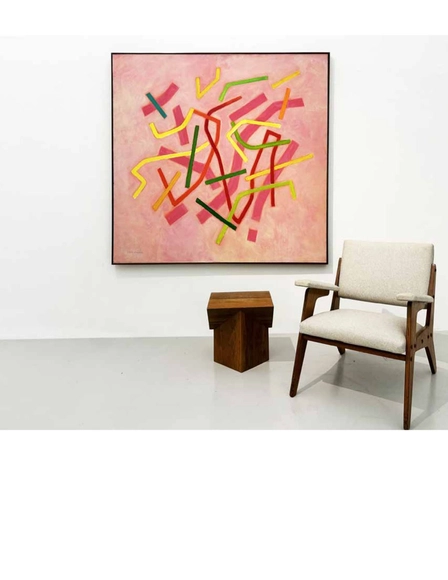
For the second time at Frieze Masters—one of the most exclusive and significant global events—Galeria MaPa, founded by Marcelo Palotta, arrives with a heightened sense of responsibility. During the gallery's previous participation, the program earned MaPa the title of best curatorial project from the prestigious portal Art News.
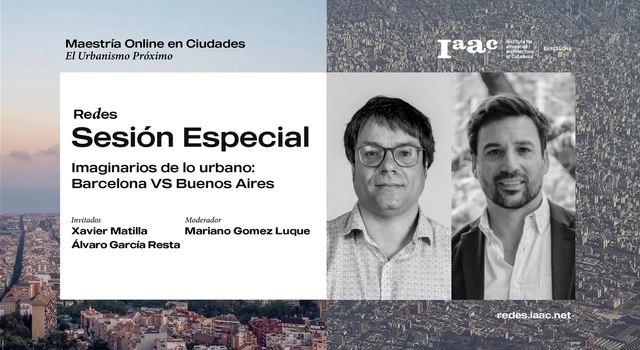
Join us for the Special Session of Redes | Palabras Cruzadas en Iberoamérica on Monday, February 20, 2023, at 7:00 PM CET.

Angel Diversidade, an agency established to foster the inclusion of people with disabilities in the audiovisual market, will officially launch on November 28. Held in celebration of the International Day of Persons with Disabilities on December 3, the launch features the 1st Meeting on the Inclusion of People with Disabilities in the Audiovisual Job Market, organized in partnership with the Inclusion of Persons with Disabilities Committee of the Grupo Mulheres do Brasil.
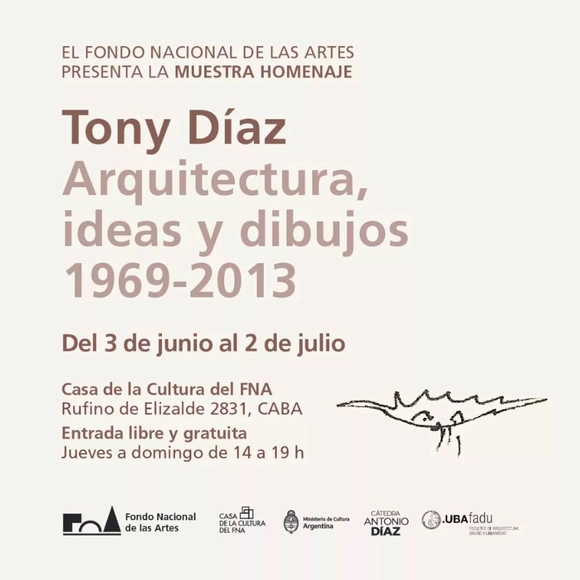
On Saturday, June 3, the exhibition "Homage to Tony Díaz: Architecture, Ideas, and Drawings (1969-2013)" opens to the public at the FNA Cultural Center.

ArchiSummit, the premier annual international architecture event in Portugal, will take place at the Casa da Arquitectura in Matosinhos-Porto on July 5, 6, and 7.

The congress aims to showcase the possibilities that products and technologies currently available in the construction market, along with global trends, offer to architectural design. It is aimed at architects, engineers, consultants, manufacturers, architectural glass processors, suppliers for the enclosure industry, and representatives of construction companies. Over its twelve previous editions, SISTECCER has established itself as a meeting point for experts from both the country and abroad to expand knowledge on building envelope technologies.
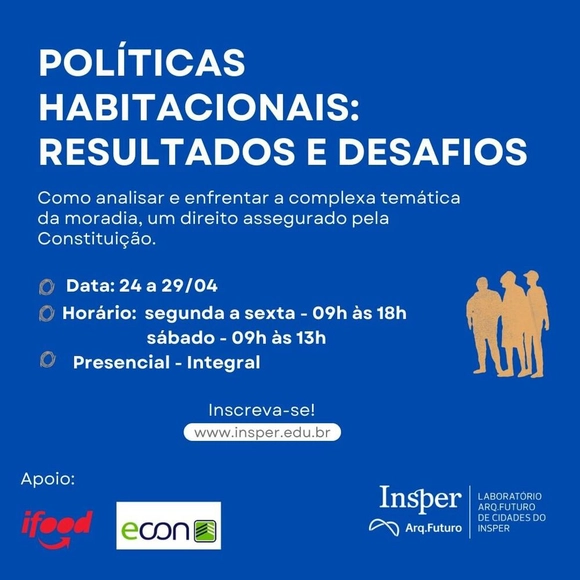
São Paulo, 2023 – Insper, through the Arq.Futuro Cities Laboratory, has opened registration for the first cohort of its in-person course, "Housing Policies: Challenges and Results," which begins on April 24.

MEMORY TALKS EP10