With the rapid urbanization of our cities, animals that once called these environments home have been displaced, forced to seek refuge elsewhere.
Birds are perhaps among the species hardest hit by urban growth, as they are drawn during flight by stimuli like artificial light and wind currents—both of which can be radically altered by how a city is built and laid out.
Much has been said about the power of artificial intelligence and how its rise could transform the architectural profession. This topic has already been explored in previous articles here.
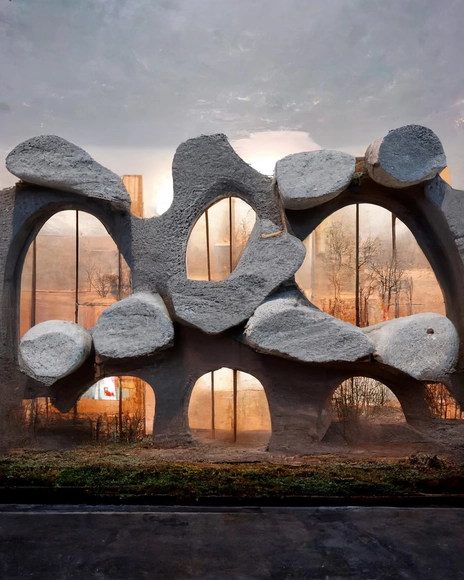
The primary tool causing concern among industry experts is DALL-E, a machine learning-based software that generates images from text prompts entered by the user. Other platforms offer similar capabilities, such as Midjourney and Stable Diffusion.
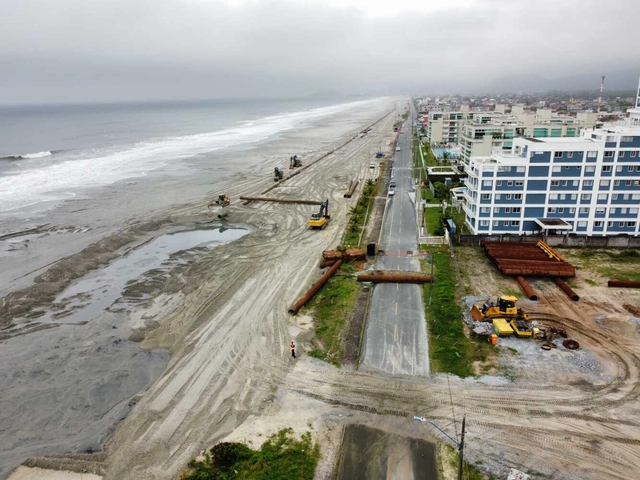
Works in Balneário Camboriú. Source: Balneário City Hall (Reproduction)
Brazil is currently the sixth country in the world most affected by climate disasters, according to the United Nations. The primary issues are waterlogging and flooding, as they bring windstorms, landslides, and flash floods. One in three disasters in Brazil falls into this category — with more than 10,000 official occurrences recorded between 1991 and 2010.
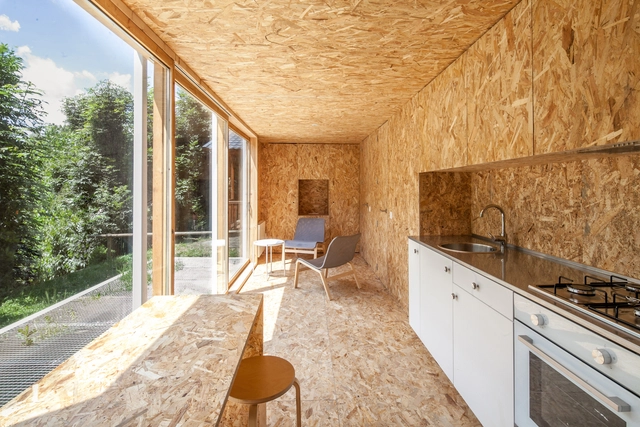
In interior design – and many other design disciplines – it is much easier to be unsustainable. Buying or developing custom solutions for a room often requires less time and research than purchasing second-hand materials or concern for waste flow and the circular economy.
But the construction and decoration industry can no longer afford the luxury of ignoring the environmental impacts caused by their activities.
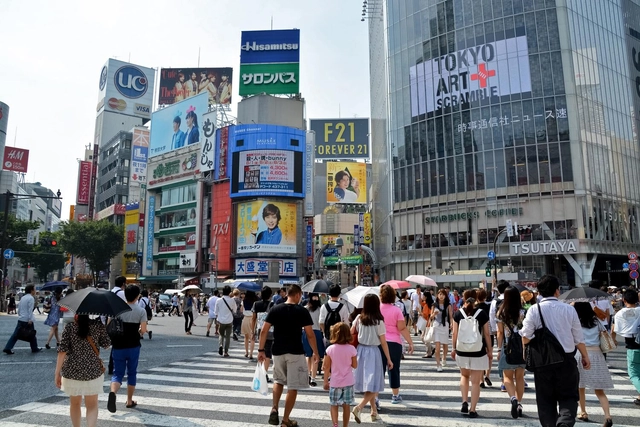
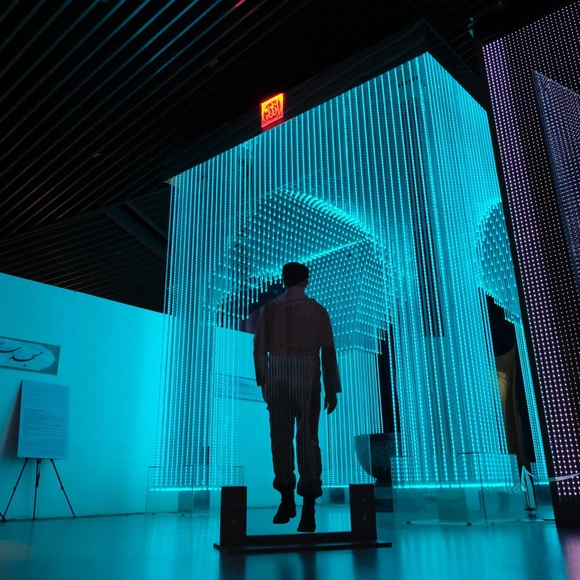
Sensory urbanism is a form of investigation of how non-visual information defines a city's character and affects its livability. Using methods that range from sound tracks and smell maps, wearables and virtual reality, researchers in this area have introduced other senses to urban centers.
YouTube is the social network with the highest number of monthly active users—around 2 billion, nearly double that of Instagram. As a search engine, it ranks second, behind only Google. It comes as no surprise, then, that the fashion, music, and beauty industries have embraced the platform with open arms. By contrast, design and architecture have lagged behind.
Generation Z comprises people born after 1995. They grew along with the popularization of the internet and interact with the world by integrating all forms of available technology.
The diversity of available media, the speed in information traffic, the interactivity in the virtual environment and the daily use of these technological assets common today, influence the behavior of individuals of this generation, inspiring versatility, agility and curiosity.
Have you ever thought that practically all the cities in the world, since the dawn of humanity, were and continue to be created and designed by men? From urban design to building projects, from public transport to chairs – women have not been part of the process of creating everything around us.
Driven by Gen Z's preference for access over ownership, the secondhand market is beginning to see significant growth worldwide.
This includes the secondhand furniture market, which, in addition to giving a second life to items destined for landfills, helps reduce industrial CO2 emissions—manufacturing and shipping a single piece of furniture emits about 90kg of CO2, equivalent to a one-hour flight on a Boeing 747.
In the book Design of Childhood, architect and researcher Alexandra Lange states that children were considered nonpersons throughout almost the entire history of ancient and modern architecture, being excluded from the process of creating urban and interior spaces. This process has caused and is still causing several problems when children reach adulthood, since these children grew up being constantly watched by fear of movement and the eyes of adults.
Over the past 60 years, architects and engineers have surrendered to industrial construction solutions, with buildings designed to be built faster and faster and at very low cost.
Over the past 60 years, architects and engineers have surrendered to industrial construction solutions, with buildings designed to be built faster and faster and at very low cost. As a more standardized and cheaper international approach to building emerged throughout the 20th century, many professionals abandoned the vernacular traditions of their ancestral cultures, which were developed over thousands of years, to fight the climatic extremes of different regions.
Imagine explaining to someone 25 years ago what the professions of social media manager, uber driver, or drone operator are all about in 2020. Technology combined with population demands, resource scarcity, urbanization and other factors have created a number of new jobs and radically changed others. Research claims that 65% of children entering elementary school today will end up working in jobs that don't yet exist.
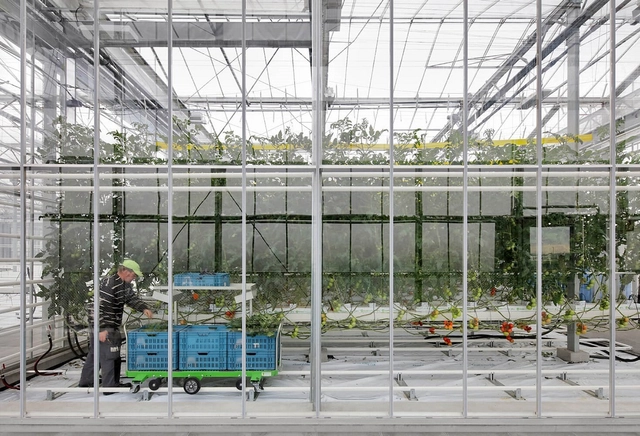
Do you know what urban farms are? Have you ever thought about growing your own food at home in your garden or in specialized freezers? Transporting food for consumption in cities is one of the major environmental (and financial) pollution problems in the world today.
Clearly, graphic designers are not architects, but collaborative projects between these two fields of knowledge, which intersect in their details, can work well.
Creative industry as a sector has evolved, and many people are now in new fields. If you're collaborating, you can move quickly and we've covered that here. The trend is to be collaborative, and very different from 25 years ago, when you should be a graphic designer alone doing layout and paper weights or an architect isolated in an office running autocad.
Have you ever heard of neuroarchitecture? What would spaces look like if architects designed buildings based on the emotions, healing and happiness of the user? Hospitals that help with patient recovery, schools that encourage creativity, work environments that make you more focused…
This is neuroarchitecture: designing efficient environments based not only on technical parameters of legislation, ergonomics and environmental comfort, but also on subjective indices such as emotion, happiness and well-being.
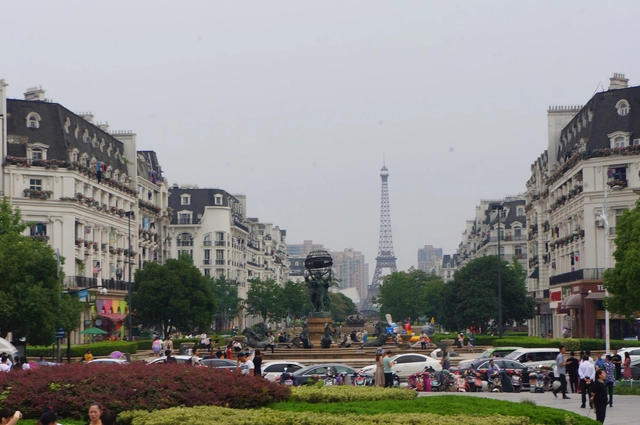
Chinese Champs-Élysées, named Xiangxie Road. Image by MNXANL, via Wikipedia. Licença CC BY-SA 4.0
CopyCat is the act of emulating something that's already been created and using it in a different context. Copycats can exist in music, arts and design; but they are not exactly a design inspiration or a style reference, but rather a literal copy with almost no modification of the original work.
In architecture, it is as if you were inspired by an emblematic work from another space-time and placed it somewhere unconnected with the original roots of the work-style.
Design Justice is a branch of architecture and design focused on redesigning cities, products, services and environments with historic reparations in mind.
The term emerged about 7 years ago when debates and dialogues about inclusion and diversity in spaces started to get stronger, creating movements that fought for the rights of people who had their roots and choices denied in society.
Since the emergence of the design profession, boosted in the Industrial Revolution with the increasing production of objects and the desire of a middle class eager to consume; designers, interior decorators and architects are known as professionals who create spaces and products to beautify the world.