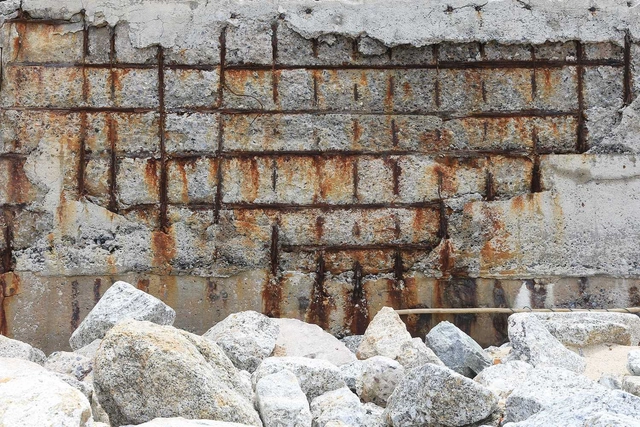
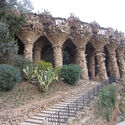
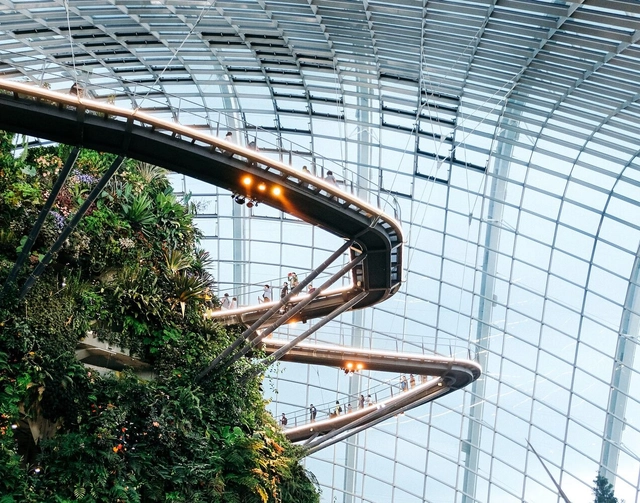
Reinforced concrete with exposed rebar. Image via Shutterstock
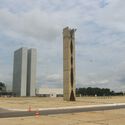
Reinforced concrete is the most widely used building material in the world. In Brazil, the nation's greatest architectural icon, Oscar Niemeyer, was passionate about the material, claiming it was the only one capable of giving shape to his sinuous curves.
Builders love concrete, making it the most widely used construction material in the world–but the production of the cement used in most concrete accounts for 8% of global greenhouse gas emissions.
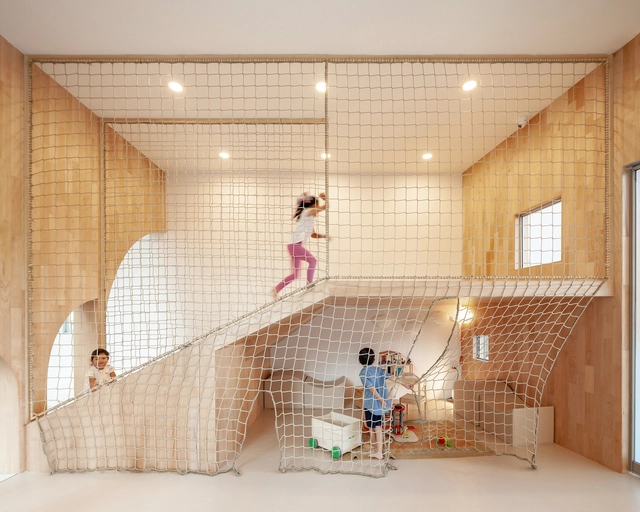
Whether or not they grow up to be architects, the fundamental skills that drive design and architecture can offer immense benefits to our children. The way children grow up to think, behave, solve problems, and create can be immeasurably enhanced by teaching them to think like architects from an early age.
YouTube is the social network with the highest number of monthly active users—around 2 billion, nearly double that of Instagram. As a search engine, it ranks second, behind only Google. It comes as no surprise, then, that the fashion, music, and beauty industries have embraced the platform with open arms. By contrast, design and architecture have lagged behind.
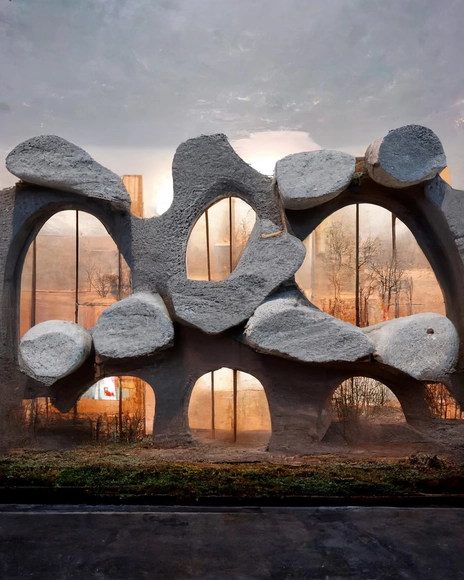
Much has been said about the power of artificial intelligence and how its rise could transform the architectural profession. This topic has already been explored in previous articles here.
The primary tool causing concern among industry experts is DALL-E, a machine learning-based software that generates images from text prompts entered by the user. Other platforms offer similar capabilities, such as Midjourney and Stable Diffusion.
With the rapid urbanization of our cities, animals that once called these environments home have been displaced, forced to seek refuge elsewhere.
Birds are perhaps among the species hardest hit by urban growth, as they are drawn during flight by stimuli like artificial light and wind currents—both of which can be radically altered by how a city is built and laid out.
Iris Barrel is a designer born in Queens, the only child of a Russian mother and an American father who owned a mirror company. She studied art at the University of Wisconsin and began her career at WWD, a benchmark publication in the fashion industry.
In 1948, alongside her husband, Carl Apfel, she founded a successful textile brand that was even featured in the White House decor during the administrations of nine US presidents. Although they sold the company in 1992, the couple continued working for the brand for another 13 years—until 2005. Iris Apfel was fully retired from the interior design industry when, at 84, she was invited by Harold Koda—curator of the Met’s Costume Institute—to exhibit her collection of clothing and accessories.
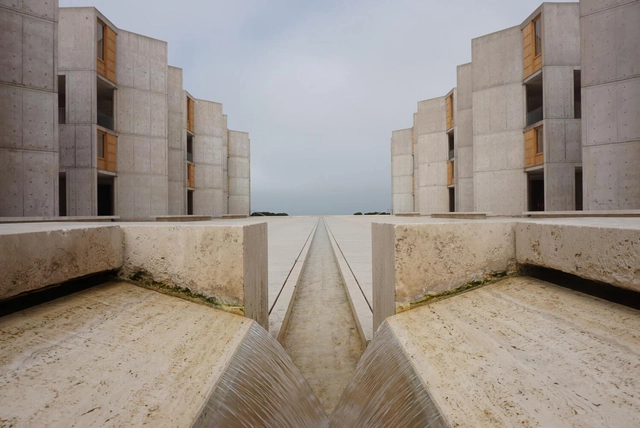
Salk Institute, by Louis Kahn. Photo by Adam Bignell, via Unsplash
Some buildings have stood the test of time. After centuries or even millennia, they remain structurally sound, revered as living testaments to history and human innovation. Some are still in use today, many lifetimes after their original designers passed away.
These buildings, whether by design or accident, were built to last—a concept that is increasingly relevant today. Building construction and operations account for a concerning share of carbon dioxide emissions. The embodied carbon resulting from building material production and construction makes up about 11% of all global carbon emissions. According to a new book on long-life buildings, designing structures to stand much longer—and to survive the various twists and turns that come with an extended lifespan—is a new imperative for architects.
In the past, people mapped out their careers in a highly linear fashion. You planned to study architecture, went to university, secured a job at a prominent firm, and, over several years, worked your way up to partner.
Yet things do not always go as planned. Perhaps you graduated with an architecture degree but could not secure the salary you envisioned. Or perhaps you join a major firm only to be laid off after a year or two due to declining profits and rising overhead. You might even become an architect, only to realize a few years later that it is not your passion. What then? This is where non-linear careers come into play.
Architecture is a business. Whether architects openly admit it or not, running an architecture firm works just like any other company. Businesses—and their founders, leaders, and stakeholders—are influenced by real-world economic forces. You cannot make payroll on a love of the work.
In our current economic system, businesses must prioritize profitability to pay their employees a living wage, operate sustainably and ethically, and continue offering their services.
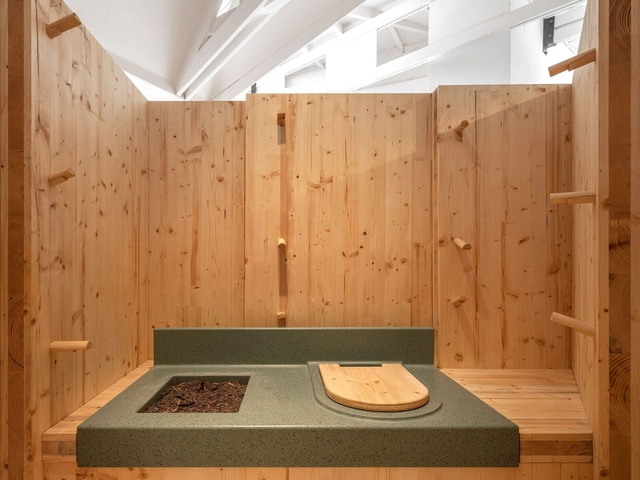
The Huussi toilet in the Finland pavilion at the 2023 Venice Architecture Biennale disposes of waste without water. Photograph by Ugo Carmeni
Although there are records of latrines dating back to 3100 BCE, the first flush toilet was invented in 1596 by Englishman John Harington. He produced two units: one for himself and another for Queen Elizabeth I.
The idea did not catch on at the time, and it was only in 1775 that Scotsman Alexander Cumming patented the modern toilet, designed to connect to a sewage system. In 1885, another Englishman, Thomas Twyford, created the first porcelain toilet, replacing the wooden models that preceded it.
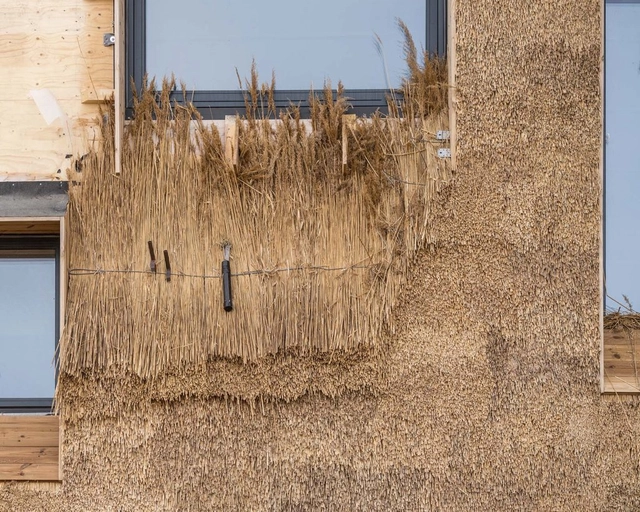
The practice of building with straw has existed since the dawn of civilization. Given the devastating impacts of contemporary construction methods, could straw be a viable, biogenic alternative to today's building materials?
Evidence suggests that straw and reed have been used in construction for over 10,000 years. Since then, the Industrial Revolution has completely transformed building practices, introducing the mass production of steel, glass, and, not least, concrete.
Designers and architects are looking to the future, challenged to think about how to create safe, functional, and comfortable environments. From more open floor plans to materials that help mitigate the spread of disease, professionals are looking ahead, considering what gives us room to breathe and live together.
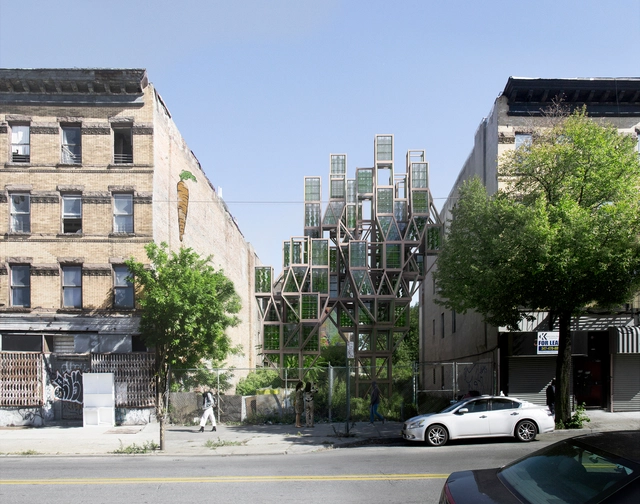
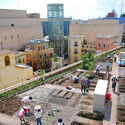
Framlab creates modular vertical urban farms on the streets of Brooklyn. Image courtesy of Framlab
We are living in a state of emergency. Since the dawn of industrialization, we have rushed through our planet's finite resources as if they were limitless, depleting and destabilizing the very ecosystems we depend on for our sustenance, economy, food, health, and quality of life.
In just 50 years, we have lost more than half of the world's wildlife. Currently, the Earth is on track to warm beyond 1.5 degrees Celsius, which scientists warn is a hard planetary boundary for existing ecosystems. This is a “code red for humanity,” as described in the IPCC Sixth Assessment Report. Continuing on our current path will mean irreversibly damaging the very conditions that sustain life on this planet.
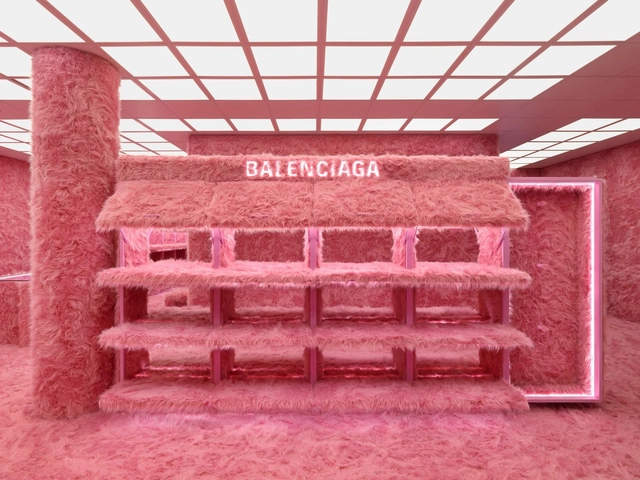
Balenciaga's Le Cagole pop-up in London. Image courtesy of Balenciaga
As physical and digital commerce increasingly merge, designers and architects are creating shopping experiences that bridge the gap between physical and online spaces. We are beginning to witness the dawn of a new retail landscape that skillfully overlays disruptive digital behaviors with new aesthetics.
Collage made with a photo by Marek Levák (via Unsplash) and an illustration by @meltedvideos
While design has become increasingly professionalized over the years, design literacy and visual thinking—the ability to understand and interpret visual resources—are becoming non-negotiable in many workplaces, even for those who do not consider themselves designers.
Visual thinking is the tool of processing information visually, using the emotional and creative parts of the brain to organize data intuitively and simultaneously through drawings, graphics, and strong aesthetic clarity and color theory.
We can define green technology as a set of instruments that enable sustainable production. This means managing product lifecycles more responsibly, always striving for minimal environmental impact.
The production stages span from raw material extraction, manufacturing, and distribution, to end-use and disposal. Consequently, the entire lifecycle can benefit from the application of green technologies, which help reduce environmental impact by using natural resources in a sustainable and conscious manner.
What comes to mind when you think of technology? Of all the words that pop into your head, "ancient" probably isn't one of them. We tend to think of technology as something that belongs to the future.
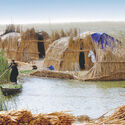
In a world where high-tech solutions are virtually synonymous with development, Julia Watson has taken the opposite approach. The New York-based Australian designer has spent much of her career traveling to indigenous communities in the most remote parts of the world—from Benin to Iraq—to study how we can apply their ancient innovations to our planet's contemporary environment.
In June 2023, the planet experienced its hottest month on record. In Iran, the heat index reached a staggering 66.7 degrees Celsius, pushing the boundaries of human endurance. This alarming trend is not an anomaly. It is a stark reminder that temperatures will continue to rise as climate change intensifies.
Scientists are linking the rise to human-induced climate change and the El Niño phenomenon. Additionally, the natural warming of Pacific Ocean waters is being further intensified by global warming.