HAUS

BROWSE ALL FROM THIS AUTHOR HERE

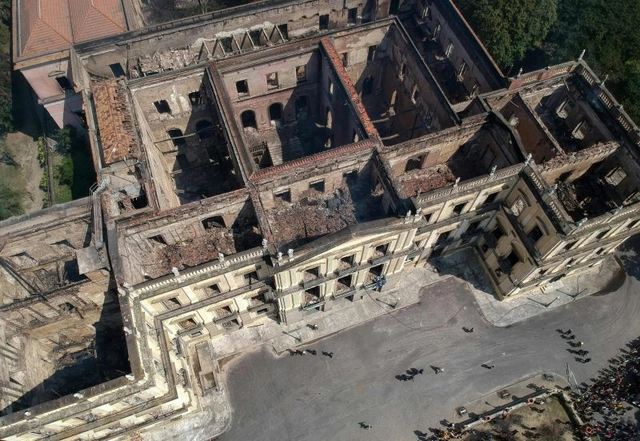
Improvised electrical wiring caused the fire at the National Museum

Federal Police experts found strong evidence that a series of makeshift connections in the electrical wiring caused the fire that swept through the National Museum eight months ago, keeping its doors closed ever since.

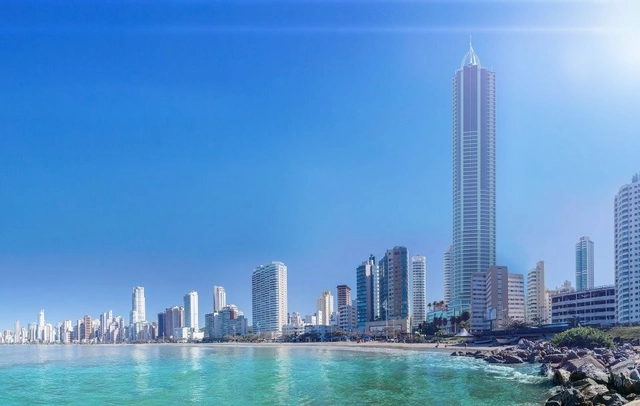
The country's tallest residential building is completed in Balneário Camboriú

Balneário Camboriú is the city with the highest concentration of buildings among the tallest in Brazil. Most of them, however, are still under construction, making the Infinity Coast Tower—inaugurated on the 14th of this month—the country's first completed residential building to be included on this list.

Dubrovnik, the medieval city that invented quarantine

Subscriber Access | 

The medieval city of Dubrovnik, in Croatia, boasts many distinctions. Surrounded by ancient walls and a sea of azure waters that enchant visitors, during the Middle Ages it was the only city-state with enough prominence to rival Venice.

Another lesser-known aspect is that the Pearl of the Adriatic, as this Croatian city is known, was the first known European municipality to implement a smart quarantine and to build isolation spaces to combat the major diseases that plagued humanity. This is what archaeologist Ante Milošević and physician Ana Bakija-Konsuo assert in their book "Lazaretto in Dubrovnik: Beginning of Quarantine Regulation in Europe."

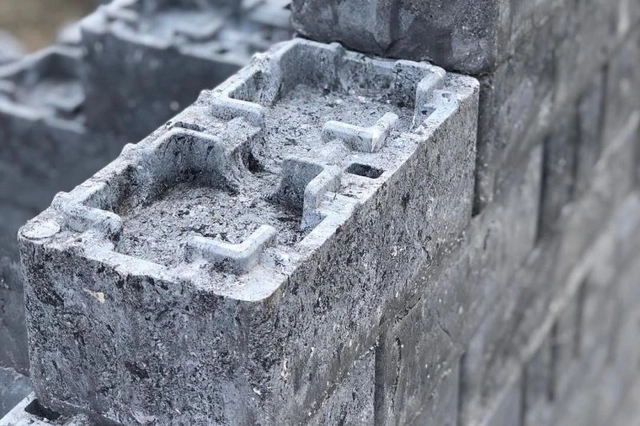
Oktoberfest will transform plastic cups used during the festival into bricks for community gardens

One of the most traditional festivals in Brazil's South region, Oktoberfest has launched a sustainability-focused initiative. In addition to serving thousands of liters of draft beer, the event's 2018 edition will support the environment by transforming plastic cups used during the 19-day festival into bricks and furniture for community gardens.

Dubbed "Oktober Consciente" (Conscious Oktoberfest), the initiative was created by the Instituto Gigantes da Ecologia (IGE), a non-profit civil association based in Blumenau, Santa Catarina. The project aims to raise awareness and promote environmental best practices among attendees of what is considered one of the largest German festivals in the world.

São Paulo's railway stations fall into ruin, and the Federal Government may be forced to restore the properties

At the height of the railways in the mid-20th century, the state of São Paulo had around 500 railway stations. With the end of long-distance passenger train services during the 1980s and early 1990s, much of this heritage was abandoned, and those structures that escaped looting and vandalism eventually collapsed due to a lack of maintenance. Today, fewer than 50% of these stations remain standing, according to the Brazilian Association of Railway Preservation (ABPF).

Modular Apartment in Shanghai Features Rooms That Fit Together Like Lego

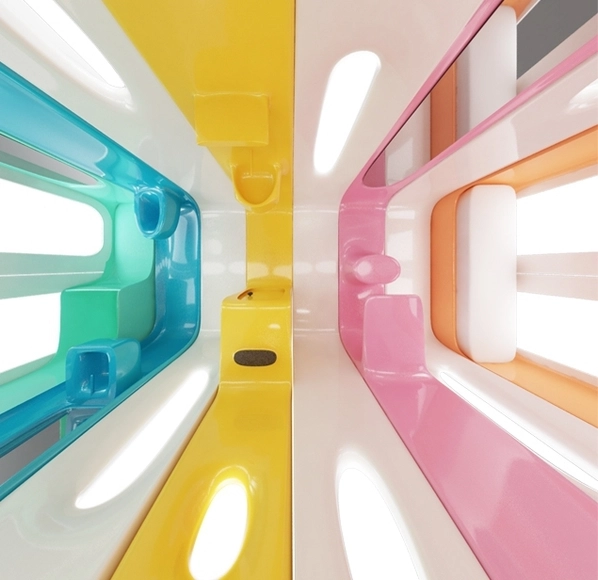
Among the various housing solutions—ranging from half-houses to 3D-printed homes—a new sustainable option stands out for its Lego-like assembly. Named “Slice,” the apartment designed by Iranian architect Nasim Sehat features identical, functional modules that lock together based on the user's needs.

The modules are configured as a shower, toilet, kitchen, office, and bedroom, along with an empty module to buffer functions, totaling eight “rooms.” Sehat—who is based in Shanghai and developed the concept by observing local urban habits—proposes that these Slices be booked online.
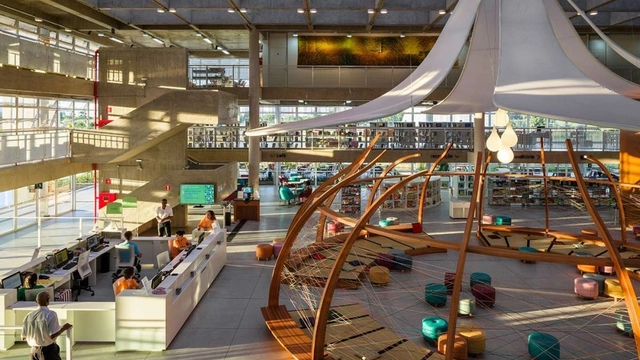
Built on a former landfill, Brazilian library is in the running for the world's best library award.

The Villa-Lobos Park Library (BVL), in the western zone of São Paulo, is one of five finalists for the best public library award from the International Federation of Library Associations and Institutions (IFLA), the industry's most prominent international organization. The Villa-Lobos Park Library was built on the site of a former open-air landfill. The revitalization of the area led to the creation of a free-entry, open-access reading space, modeled after the São Paulo Library in Youth Park (Parque da Juventude), which has also competed for another international award.

Project plans to install QR codes on historic buildings in Curitiba with details about the works

A project by the Federal University of Technology - Paraná (UTFPR) is cataloging the historical heritage of Curitiba and making all the information available on the website Arquivo Arquitetura. The portal is being gradually updated with all the research conducted since 2011 by more than 560 students, led by architects Giceli Portela and Iaskara Florenzano. In the near future, the goal is to install QR codes on tiles in front of all the buildings, allowing people to access the complete history of each building in real time.

11 Brazilian UNESCO World Heritage Sites That Every Architect Must Visit

Subscriber Access | 

On August 17th, Brazil celebrated its National Heritage Day. Created in 1998 to honor the historian and first president of IPHAN (National Historic and Artistic Heritage Institute), Rodrigo Melo Franco de Andrade, who would have turned 100 years old. This date aims to reinforce the recognition and appreciation of the country’s cultural heritage.

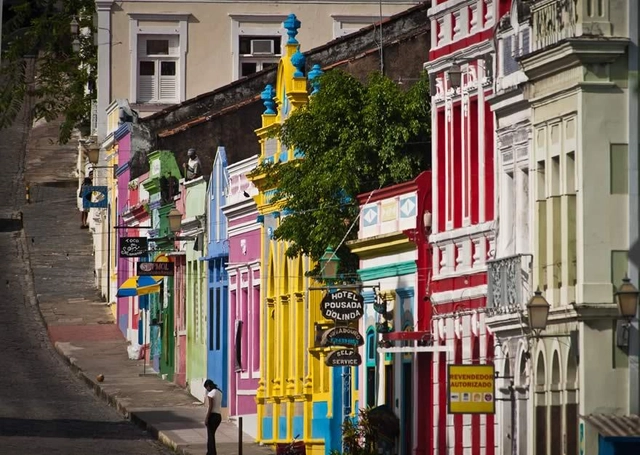
These Are the 5 Most Colorful Cities in the Americas

Subscriber Access | 

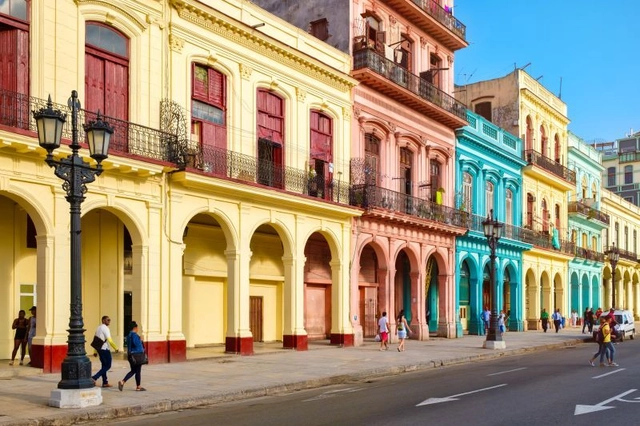
The grays of concrete and pollution are not the only representation of cities and towns in the Americas. As perfect postcard material, many cities in the new world express the vibrancy of the people and places through color. HAUS, ArchDaily's partner, has selected five of these cities, which show us how color can bring light to the day-to-day life of cities.

Solar Squared: A Glass Block That Generates Electricity

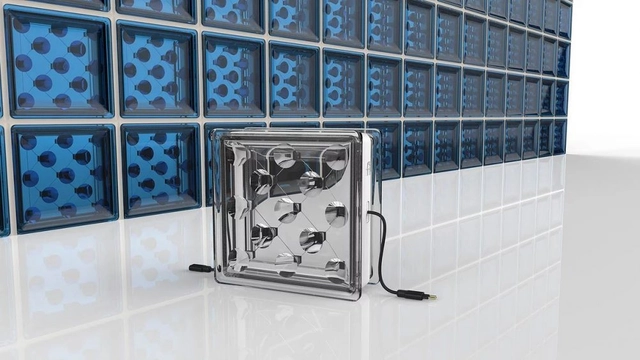
Renewable energy experts from the University of Exeter in England have developed a glass block with built-in solar cells. The idea is that with the spread of technology, it is possible to build a house or a whole building's facade using blocks that generate energy.

The product has been named Solar Squared, tests done at the university have shown that they guarantee thermal insulation and allow natural light to enter the building.