Following the first lessons Thinking in Lines and Drawing the World, OSS (Office for Strategic Space), together with Professor Justo Isasi, Chair of Architectural Design at ETSAM (Technical Superior School of Architecture of Madrid, UPM), presents the third drawn lecture: "Stories in Lines."
Articles
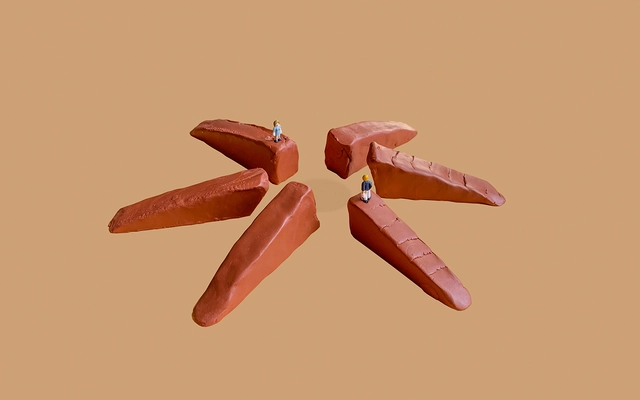
Drawn Lectures by Professor Justo Isasi: 'Stories in Lines'
https://www.archdaily.com/1124276/drawn-lectures-by-professor-justo-isasi-stories-in-linesFabian Dejtiar
The Power of the Void: 4 Residential Courtyards That Are More Than Just Outdoor Spaces
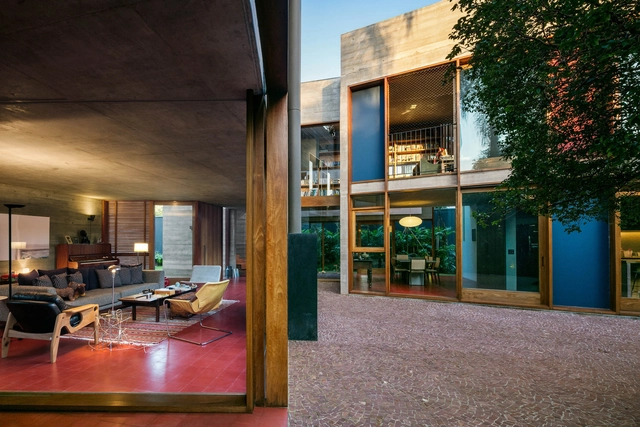
The courtyard is an essential architectural element in many cultures. In Brazil, examples can be found both in historic buildings of Portuguese influence and in modern architecture of the last century. While its use is frequently associated with bioclimatic benefits—improving natural ventilation and daylighting in interior spaces—it can represent much more than that. The void it creates, a subtraction from the built volume, can establish unexpected geometric and visual relationships and foster cross-dialogues between different parts of the building.
https://www.archdaily.com/1124280/the-power-of-the-void-4-residential-courtyards-that-are-more-than-just-outdoor-spacesRomullo Baratto
Offices and Workspaces in Colombia: Examples of Architecture in Plan
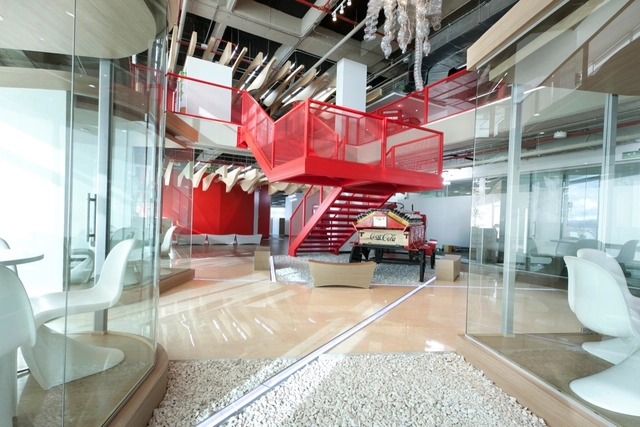
Even as work arrangements, schedules, and environments become increasingly fluid, dedicated office buildings remain a fixture of zoning plans in most cities.
https://www.archdaily.com/1124287/offices-and-workspaces-in-colombia-examples-of-architecture-in-planSantiago Baraya
Decolonial practice: other ways of designing are possible
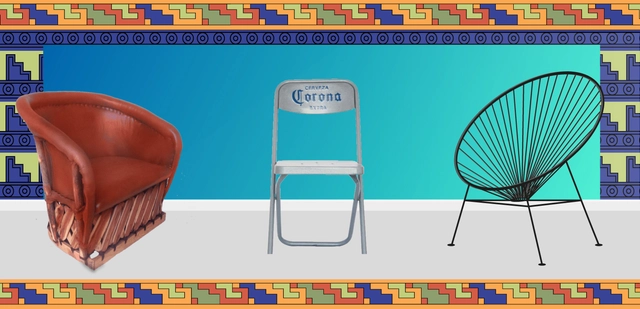
This article is part of a collaboration with the website coolhuntermx, and was originally published under the title "Decolonial Practice in Design."
If you have not read “Decolonizing Design: Towards an Inclusive Practice” by Ashby Solano, I recommend starting there to engage with a discussion that is gaining increasing resonance—though still not enough—across various design circles. But what exactly is decolonial thinking in design? Can we believe in the decolonization of design in Mexico and Latin America when its professionalization was established under the dogma of Eurocentric thought? In other words, we were taught what correct design is, what good design is, and what deserved to be professionalized.
https://www.archdaily.com/1124329/decolonial-practice-other-ways-of-designing-are-possibleCristina Cruz
Reversible Architecture in Japan: The Houses of Shirakawa-go

This article by Paula Jaén Caparrós and Enrique Azpilicueta Astarloa was originally published in the 7th issue of rita magazine under the title "Reversible Architectures of Japan: The Houses of Shirakawa-go" as part of a joint publishing collaboration. The following text invites reflection on the design and construction principles found in these traditional Japanese houses, which could be recovered and applied to contemporary proposals that integrate disassembly, recovery, and relocation of the entire built object as key elements of sustainable architectural design.

https://www.archdaily.com/1124330/reversible-architecture-in-japan-the-houses-of-shirakawa-goPaula Jaén Caparrós y Enrique Azpilicueta Astarloa
How did European building traditions filter into South American train stations?

In contemporary train stations, architectural pursuits associated with innovation and modernity tend to predominate. We often glorify designs with clean lines and gleaming glass buildings that showcase advancements in technology and engineering. Yet, classicism and styles that endure the passage of time—with their solid materials and sculptural details—possess a certain allure. Within their familiar forms, defined by order and symmetry, lies something that allows us to connect with the past.
https://www.archdaily.com/1124320/how-did-european-building-traditions-filter-into-south-american-train-stationsKristen Klepac
Architecture in Mexico: Projects to Understand the Territory of Tulum
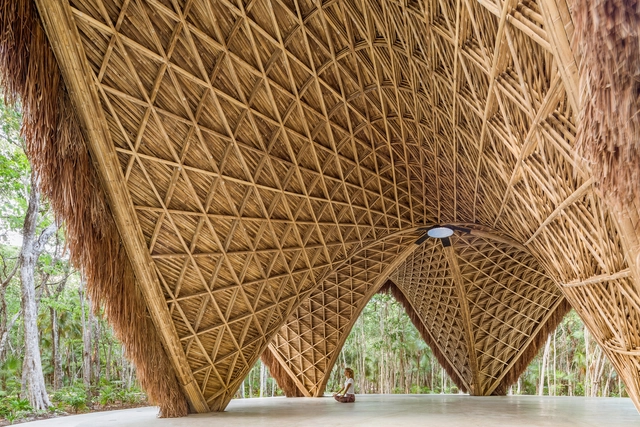


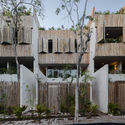
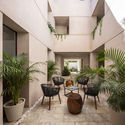

Tulum is a region located in southeastern Mexico, within the geographic boundaries of the state of Quintana Roo. Situated along the Caribbean coast, it forms part of the Riviera Maya. Historically, Tulum was a walled city, which is the origin of its name—meaning "wall" in Mayan, a term coined when the settlement was already in ruins.
https://www.archdaily.com/1124316/architecture-in-mexico-projects-to-understand-the-territory-of-tulumMónica Arellano
Architecture in Mexico: Projects to Understand the Territory of Guanajuato
.jpg?1599092292&format=webp&width=640&height=580)
.jpg?1599092292)
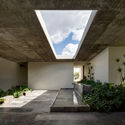
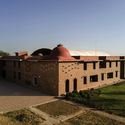
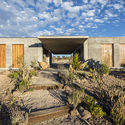
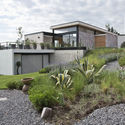
The state of Guanajuato is located in the north-central region of Mexico, bordering the states of Zacatecas, San Luis Potosí, Querétaro, Michoacán, and Jalisco. Covering an area of 30,607 km², it is one of the country's most populous regions. Its most prominent municipalities include León, Irapuato, Celaya, Salamanca, and San Miguel de Allende. The latter, designated a UNESCO World Heritage Site in 2008, is characterized by its Baroque and Spanish architecture. Additionally, this city is home to the Parroquia de San Miguel Arcángel, built from the region's characteristic pink cantera stone.
https://www.archdaily.com/1124310/architecture-in-mexico-projects-to-understand-the-territory-of-guanajuatoMónica Arellano
Rural Wooden Houses in Colombia
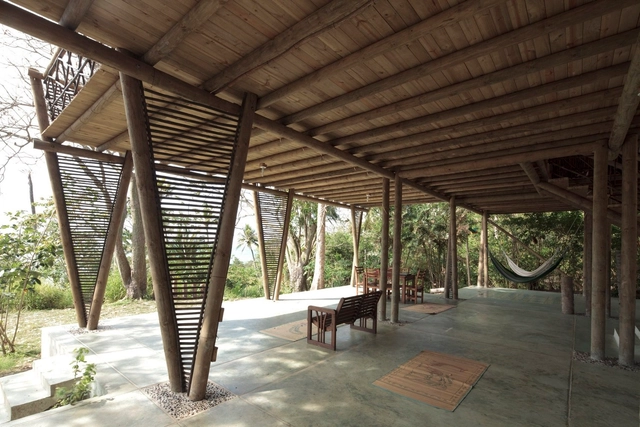
Wood is a noble material that has been used in construction since time immemorial, across all regions of the world where it is available. Although this material can be applied to almost any use, we have focused this article specifically on residential projects previously published on our site and located in Colombia.
https://www.archdaily.com/1124312/rural-wooden-houses-in-colombiaSantiago Baraya
Exposed Materials: Trend or Necessity?
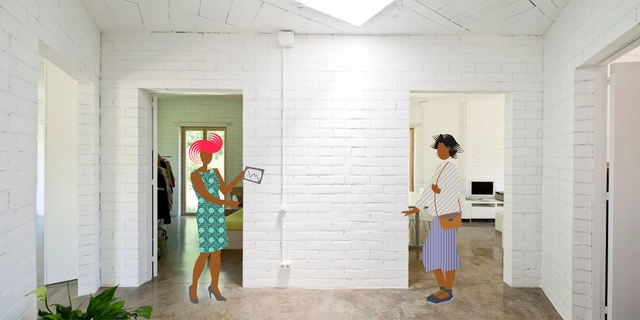
Have you ever had to convince your friends or family that an exposed brick wall can be more appealing than a plastered, white-painted one? Or that exposed building systems can offer significant advantages when it comes to maintenance? Do we connect better with a smooth backdrop for hanging art than with the textures of exposed materials?
https://www.archdaily.com/1124314/exposed-materials-trend-or-necessityFabian Dejtiar
Architecture in Mexico: Projects to Understand the Territory of Tepoztlán
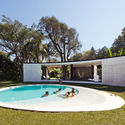

Tepoztlán is a region located in the state of Morelos, in the south-central part of the country, bordered by the states of Guerrero, Puebla, the State of Mexico, and Mexico City. Spanning an area of 242.646 square kilometers, it is one of the 111 Pueblos Mágicos (Magical Towns) designated to boost tourism by highlighting the unique attributes of each destination.
https://www.archdaily.com/1124315/architecture-in-mexico-projects-to-understand-the-territory-of-tepoztlanMónica Arellano
The best graduation projects in Central America and the Caribbean completed in 2019. Submit yours!
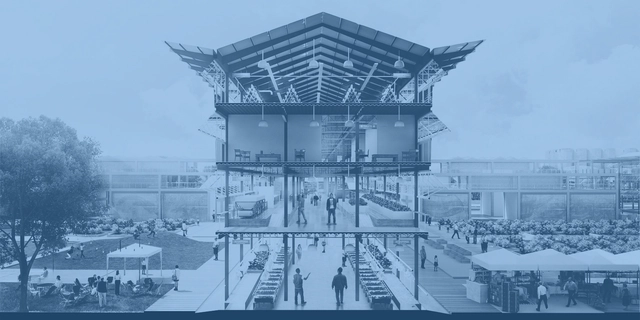
We believe that the creative output of universities in Central America and the Caribbean is immense yet often overlooked. Therefore, we feel it is essential to launch a call for submissions to showcase the best graduation projects coming out of these institutions.
Academic proposals can be profound intellectual and critical works. This call aims to prevent them from remaining tucked away, gathering dust on shelves, and losing the opportunity to spark real change in our cities and in how we live and think.
If you believe your 2019 graduation project is compelling enough to be featured on our site, and that your hard work deserves recognition from the wider community, do not hesitate to submit it using the form at the end of this article.
https://www.archdaily.com/1124327/the-best-graduation-projects-in-central-america-and-the-caribbean-completed-in-2019-submit-yoursFabian Dejtiar
The 118 Selected Projects for the XXVII Colombian Biennial of Architecture and Urbanism
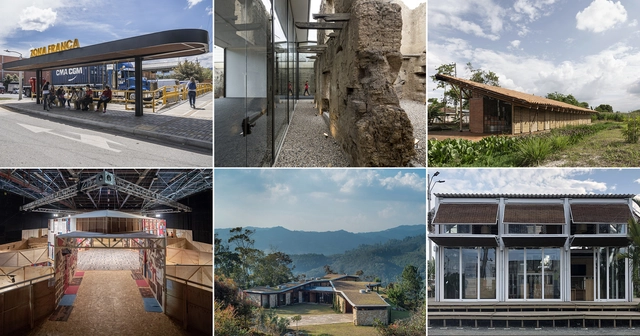
Colombia's most prestigious architectural event has announced the results of this year's selection. The Colombian Society of Architects (SCA) has nominated 118 entries across 9 distinct categories for the XXVII Colombian Biennial of Architecture and Urbanism: Interior and Ephemeral Architecture, Urban Design and Landscape, Publications and Dissemination, Social Habitat, Heritage Intervention, Research and Criticism, Urban and Territorial Planning, Architectural Design, and Single-Family, Duplex, or Triplex Housing. The jury, comprising Enrique Norten, Adib Cure, Gloria Serna, Hernando Vargas Caicedo, Ricardo Navarrete, Hildelgard Vásquez, Alberto Saldarriaga, Gilma Mosquera, and Doris Tarchopulos, will select a winner for each category, from which the National Architecture Prize will be awarded.
https://www.archdaily.com/1124198/the-118-selected-projects-for-the-xxvii-colombian-biennial-of-architecture-and-urbanismSantiago Baraya
27 Architecture Office Visits at Open House Madrid 2020
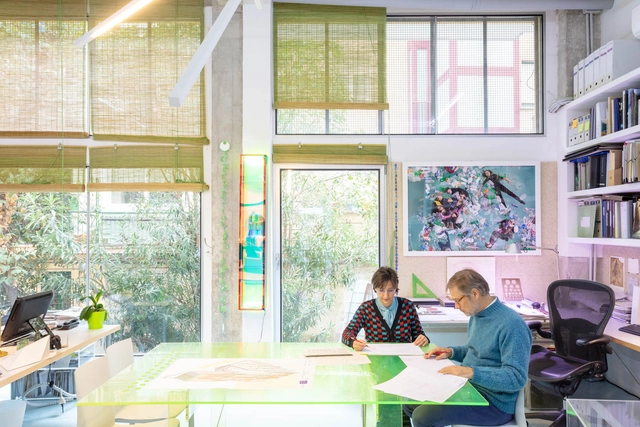
The sixth edition of the international architecture and city festival Open House Madrid was held from September 25 to 27, featuring a special edition organized to comply with necessary health measures and ensure the safety of all participants. The event offered visits to 27 renowned architecture studios across the city—some in virtual formats, others in person, and some in both.
https://www.archdaily.com/1124217/27-architecture-office-visits-at-open-house-madrid-2020ArchDaily Team
May 1968, the Torres del Parque Rise in Bogotá: A Conversation About the Inner Workings of Rogelio Salmona's Project
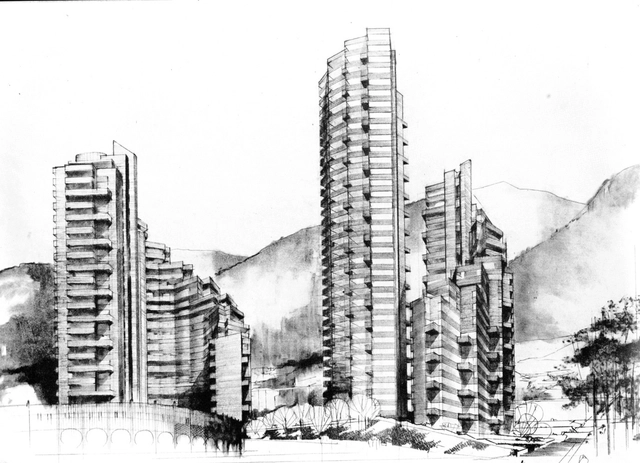

This interview by Tatiana Urrea Uyabán (Universidad Nacional de Colombia) with Colombian architect Urbano Ripoll was originally published in issue 24 of Dearq journal on 01/01/2019 under the title "May '68, the Torres del Parque Rise in Bogotá: A Conversation on the Inner Workings of Rogelio Salmona's Project" (https://doi.org/10.18389/dearq25.2019.08) and is part of a joint dissemination partnership.
https://www.archdaily.com/1124214/may-1968-the-torres-del-parque-rise-in-bogota-a-conversation-about-the-inner-workings-of-rogelio-salmonas-projectTatiana Urrea Uyabán
China's Urbanization: Social Control and Economic Freedom
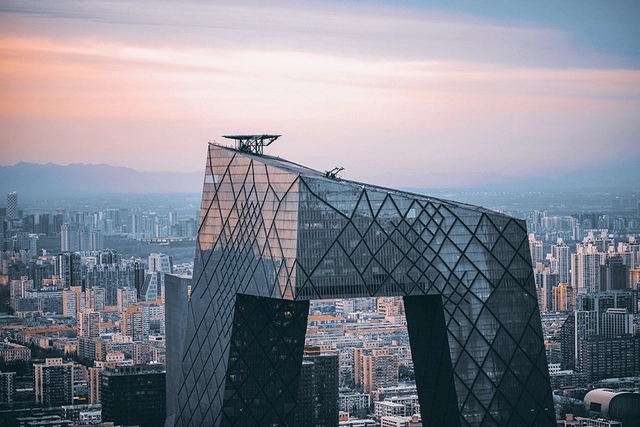
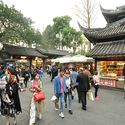
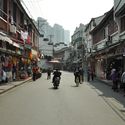
Hundreds of towers repeat across a hazy horizon. Traditional buildings crumble, while others have been rebuilt into tourist shops. Colorful Lamborghinis share sluggish traffic with old taxis, laborers' tricycles, and executives riding yellow bikes from Ofo, the world's largest dockless bike-sharing company. Some pedestrians wear masks to filter the polluted air, others carry shopping bags, others spit on the ground or walk the streets in pajamas. Street vendors are extremely rare, in contrast to the police and military personnel seen on almost every corner.

https://www.archdaily.com/1124220/chinas-urbanization-social-control-and-economic-freedomAnthony Ling
What will a city like Bogota be like after another historic pandemic?
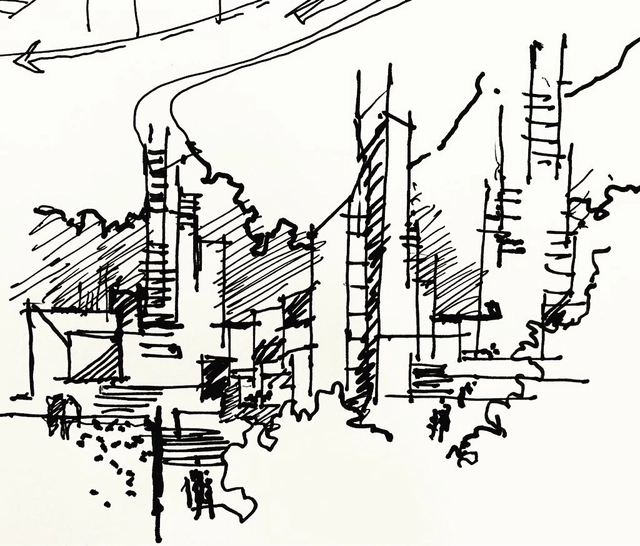
The city belongs to everyone; it is a reflection of who we are as a society. That is why we must care for it—because it is ours! We have a civic commitment.
(Civic, from the Latin civis / City, citizen, from the Latin civitas)
https://www.archdaily.com/1124227/what-will-a-city-like-bogota-be-like-after-another-historic-pandemicMauricio Rojas
The cooperative housing experience in Uruguay: a brief historical overview
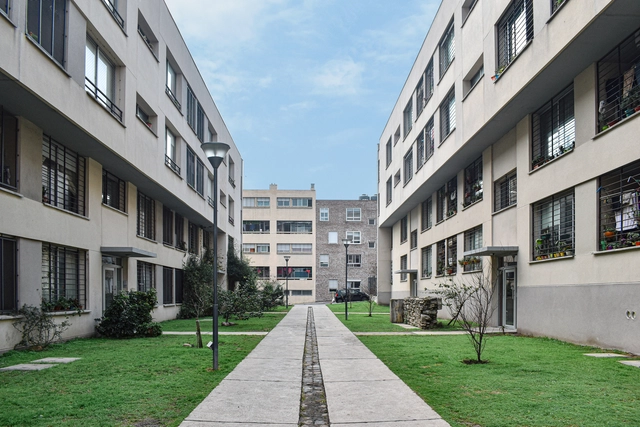
Team 10 and the 3 Pioneers: First Generation – Housing cooperatives in Uruguay are currently the country's most prominent form of cooperativism, though by no means the only one. This model transcends housing, having gained significant momentum in the first half of the twentieth century. For instance, Montevideo's transit company (CUTCSA) began operating as a cooperative in 1937. Specifically, while 843 cooperatives were registered in 1989, by 2017 this number had risen to 3,665 cooperatives across various sectors.
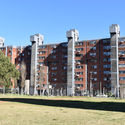
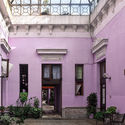
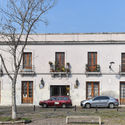
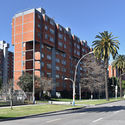

https://www.archdaily.com/1124215/the-cooperative-housing-experience-in-uruguay-a-brief-historical-overviewBianca Araujo Santos
How wars shaped our cities
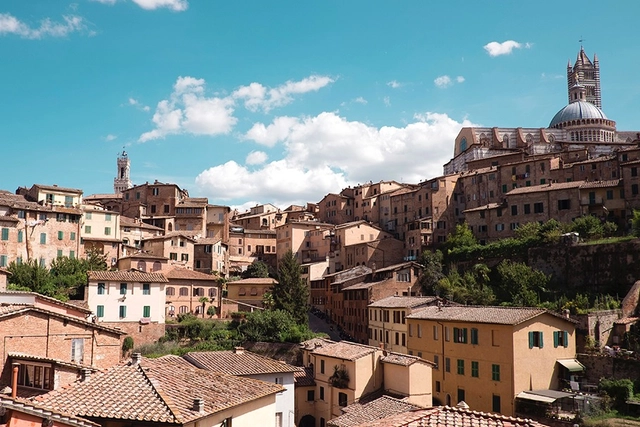
When we were still nomads, we fought our first battles with sticks and stones. The reasons for aggression against members of our own species can vary, ranging from securing resources and territory to seeking revenge or even power. Battles between different tribes have accompanied human evolution on Earth. Ever since the creation of cities, warfare and the combat equipment of each era have been important factors to consider in the planning of urban centers.
https://www.archdaily.com/1124208/how-wars-shaped-our-citiesPaulo Sa Vale
Architecture to Rethink Colombia's Independence
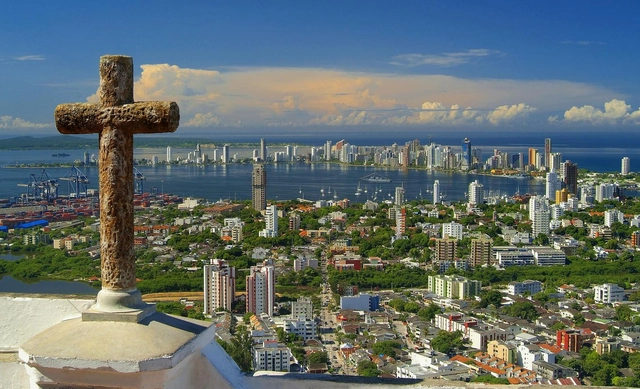
July 20th marks the date when Colombia celebrates its independence from Spanish rule. Two centuries later, the very idea of independence remains debatable. Although the Colombian republic is constitutionally independent, colonial legacies continue to structurally dominate society today.
https://www.archdaily.com/1124210/architecture-to-rethink-colombias-independenceSantiago Baraya
Ernesto N. Rogers and the "Preesistenza Ambientale" at the National Art Schools of Havana
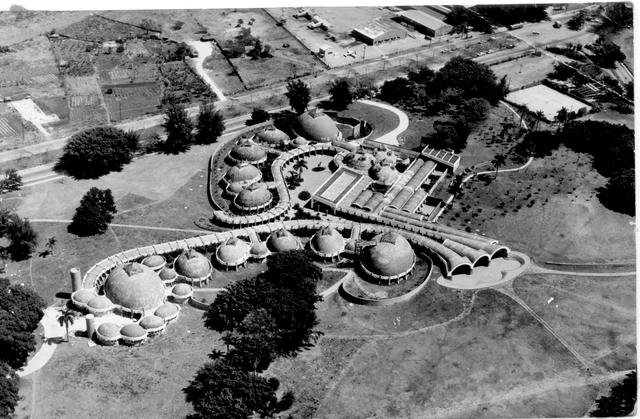
This article by María José Pizarro and Óscar Rueda was originally published in the 3rd issue of rita journal under the title "Ernesto N. Rogers y la 'Preesistenza Ambientale' en las Escuelas Nacionales de Arte de La Habana" and is part of a joint collaborative dissemination effort. The present text seeks to delve into the influence of Rogers' theoretical corpus on three of his outstanding students: Ricardo Porro, Vittorio Garatti, and Roberto Gottardi, and how this thinking informed the design of their first and most significant work: the National Art Schools of Havana.
https://www.archdaily.com/1124203/ernesto-n-rogers-and-the-preesistenza-ambientale-at-the-national-art-schools-of-havanaMaría José Pizarro y Óscar Rueda
Ecatepec de Morelos: Fragments of the Periphery in Mexico City by Zaickz Moz
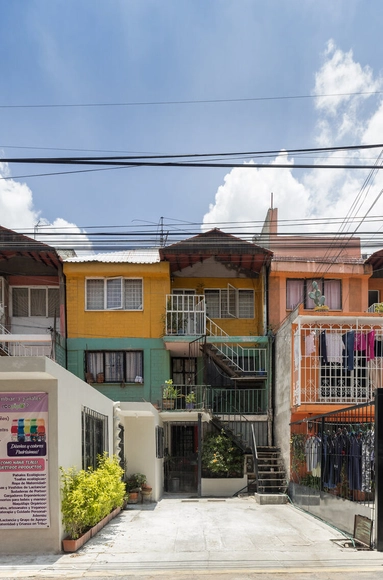
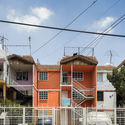
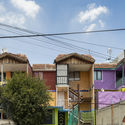
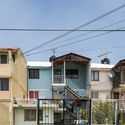
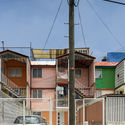

Periferia: Ecatepec de Morelos is a project by emerging photographer Zaickz Moz created to document the transformation of Mexico City's edges, while drawing attention to the aesthetics emerging in areas like Chalco, Nezahualcóyotl, and Naucalpan. Projects such as Soy de Azteca have focused on these forgotten territories, seeking to redefine the expressions of community and identity within Mexico City's periphery—a region that is increasingly blurred and constantly spilling over its geographic boundaries.
https://www.archdaily.com/1124204/ecatepec-de-morelos-fragments-of-the-periphery-in-mexico-city-by-zaickz-mozMónica Arellano
Architects from Mérida reflect on their experience during the COVID-19 pandemic
.jpg?1601431851 "© Taller Estilo Arquitectura")
.jpg?1601431998 "© Estudio 360")

On Friday, September 25, the first Digital Event organized by ArchDaily took place, sponsored by Crest and Panel Rey for the Mérida-based architectural community. During the event, David Basulto (founder of ArchDaily) and Vanessa Vielma (Director of ArchDaily Mexico) gave a talk on the platform's history and shared relevant data specific to this context.
https://www.archdaily.com/1124299/architects-from-merida-reflect-on-their-experience-during-the-covid-19-pandemicMónica Arellano
The 10 most influential projects on the @archdailymx Instagram account
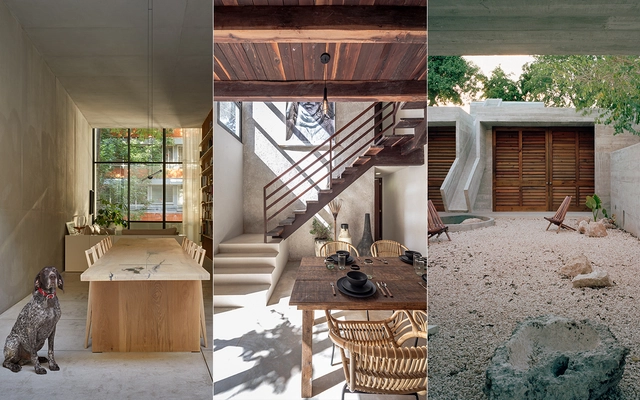
In a year defined by physical distancing, social media has taken on an even greater role in how we connect and stay informed. Our Instagram accounts have surpassed all previous reach records, bringing our audience the very best of what we publish on our website: projects, articles, interviews, and news from the architectural world, inspiring new ideas and tools for a better future for our cities.
https://www.archdaily.com/1124236/the-10-most-influential-projects-on-the-at-archdailymx-instagram-accountMónica Arellano