Placas de Yeso Cartón Gyplac. Image Cortesía de Etex Chile
Inadequate living conditions in a building trigger discomfort and even physical pathologies in humans. Scientific experiments have shown that a lack of concentration and even everyday accidents are influenced by both high and low indoor temperatures. And while thermal sensitivity varies from person to person—depending on their clothing, gender, habits, and age—the basic principles behind thermal comfort are universal. Thermal comfort is primarily determined by air temperature and humidity. In this regard, the human body seeks to maintain a near-constant core temperature of 37°C, continuously exchanging heat with the environment.
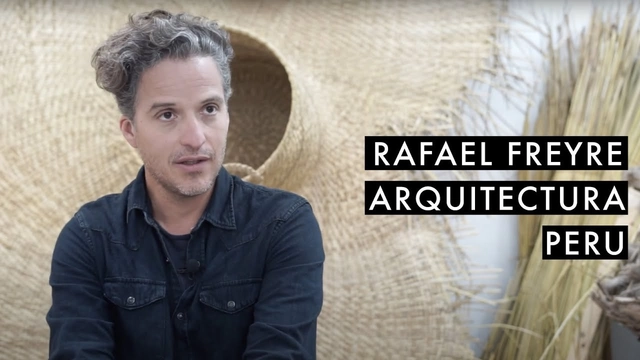
Archivo de Ideas Recibidas is an interdisciplinary research and dissemination project that seeks to document and connect the ideas of contributors to the contemporary creative ecosystem through art, design, and architecture. It is built on conversations between the team and various creators, delving into themes related to memory, academia, cultural context, key influences, and working methodologies.
Heritage Day at the Association of Architects of Chile
Designated a National Monument in 2010, the National Headquarters of the Chilean Association of Architects (Colegio de Arquitectos de Chile) is a 1920 masterpiece by the prominent architect Luciano Kulczewski García. This Art Nouveau icon originally comprised two residences, each featuring a grand double-height hall illuminated by large windows, with five commercial spaces on the first floor.
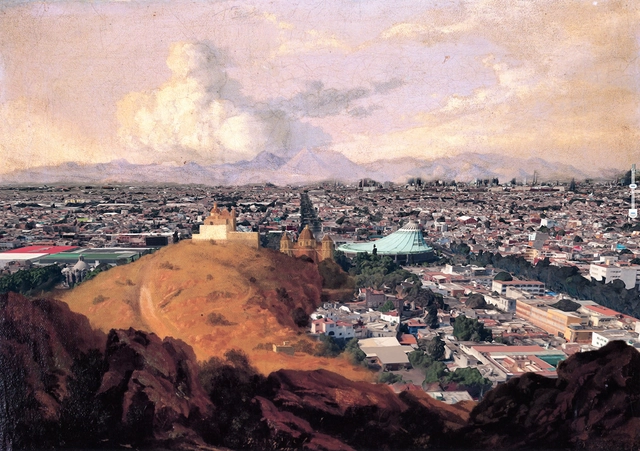
The history of painting in Mexico has a deep legacy that extends far beyond oil on canvas, as some of its most prominent figures found diverse intersections with other disciplines to develop their capacity to observe—and, above all, to construct scenes that told a specific story of their time and context. Numerous figures have elevated Mexico's reputation, positioning it as one of the countries with the greatest cultural and artistic wealth, including Frida Kahlo, Diego Rivera, Rufino Tamayo, Dr. Atl, Emilia Ortíz, and Mathias Goeritz, among others.
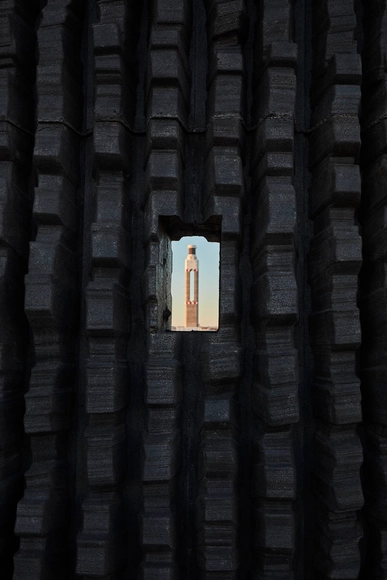
The team at ruta 4 taller and architect Gregorio Ballén present the following research resulting from their undergraduate thesis at Pontificia Universidad Javeriana, with the goal of addressing the current environmental, social, economic, and political crisis. It is an investigation into new ways of co-creating architecture by including actors external to the discipline, and proposes experimentation in the co-design of spatial artifacts created in collaboration with animal species such as the silkworm.
https://www.archdaily.com/1128530/silkworms-the-future-of-sustainable-construction-in-colombiaJuliana Lopez y Gregorio Ballen
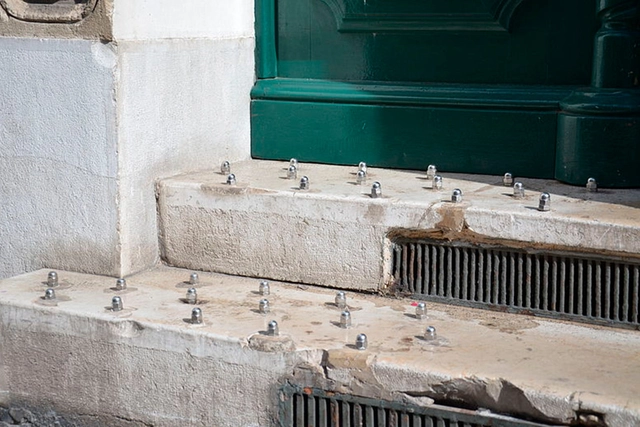
Benches with dividers and uncomfortable shapes, sharp stones under overpasses, fences surrounding plazas and gardens, walls with metal spikes, buildings without awnings or with timed water drippers, electric fences, and barbed wire. The elements and materials used to deter people from public spaces are numerous, ultimately shaping how individuals experience cities and interact with one another. Hostile architecture—a term encompassing all barriers and urban designs that seem to say “don’t make yourself at home,” as reporter Winnie Hu of The New York Times defines it—is part of the reality in most cities worldwide, sparking growing debate over the impact of these measures, particularly on social media.
https://www.archdaily.com/1128536/hostile-architecture-when-cities-are-not-for-everyoneSomos Cidade
While the work of Mexican architect Luis Barragán is globally recognized and studied for its invaluable commitment to the architecture of his time and context—and, above all, built upon deeply harmonious and poetic foundations that connect with a deeply personal quest in "cosmic solitude, with Mexico as the temporary home he lovingly accepts," as the Pritzker Prize Jury described it when honoring him in 1980—until recently (and even before the launch of the Barragan Foundation website), understanding the full spectrum of Barragán's place in architectural history was somewhat difficult, as several of his works have remained private (or difficult to access) for years.
In 1792, sitting United States President George Washington organized a competition to design the presidential residence. The winning proposal, submitted by architect James Hoban, shaped the neoclassical mansion we know today as the White House, cementing its place in the American collective imagination.
Since ArchDaily launched its recruitment services, we have received job submissions from architecture practices of all scales—ranging from private design institutes and independent studios to international design teams—spanning the north and south of China, including Beijing, Shanghai, and Shenzhen. Below is a curated selection of openings from four firms. Active across diverse architectural fields with their unique design languages, they are looking for talented architects to join their teams.
https://www.archdaily.com/1128539/jobs-of-the-week-studio-zhu-pei-lacime-architects-ruff-design-fchaMilly Mo
This week, we feature job openings at two Shanghai-based design firms: ARIZON Design and atelier tao+c. Specializing in different scales and themes, both practices are active across various architectural sectors and are looking to recruit like-minded architects to join their teams.
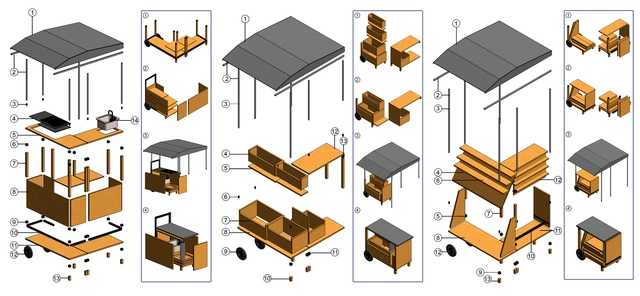
Pablo Salazar shares his research project titled "Commercial Stand Design in the La Floresta Neighborhood, Quito, Ecuador." The study addresses key issues such as the urban-scale environmental footprint of this activity, solar radiation, wind, and heliographic analysis, alongside the design and material specifications of four commercial stand models.
What is a render? Is it merely an image to win competitions and clients? Or is it an effective tool for a building's development?
We asked our readers, "What are the limits of rendering in architectural design?" and the volume of responses was immense. After reviewing and compiling all the feedback received from construction professionals, students, and architecture enthusiasts alike, there is a clear consensus: rendering should be viewed not just as a sales tool, but as a key element for design verification.
Choosing high-performance BIM software is key to developing efficient projects by automating tasks that traditionally consumed time in conventional design workflows—such as documentation, calculations, analyses, and other repetitive processes.
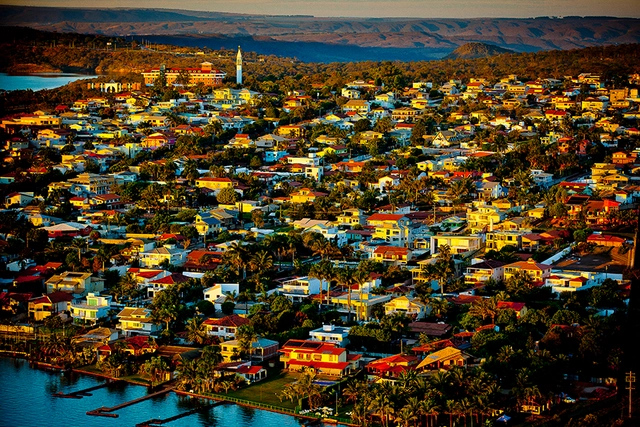
At the time of writing this article, Brazil is facing the most severe humanitarian crisis in its history—not merely a “health crisis,” as is commonly described. By April 30, 2021, the COVID-19 pandemic had claimed 411,854 lives in the country, and only in recent days has the moving average of deaths begun to cool down once again—after reaching a peak of 3,125 in April.
Epidemiologists, microbiologists, and infectious disease specialists note that the impact of the pandemic on Brazilian cities is highly idiosyncratic: each has unique conditions to consider before we can attempt any generalizations. Furthermore, underreporting is estimated to be high (with actual cases potentially being ten times higher), a figure that also varies from city to city. Nevertheless, with these caveats in mind, what does the overall picture reveal?
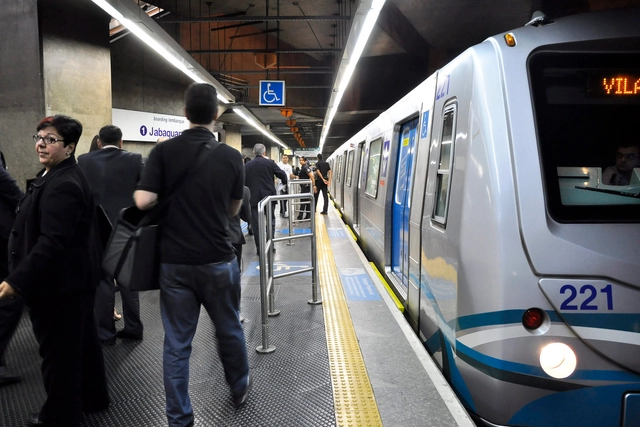
“How much does a subway line cost?” is a question frequently asked when discussing high-capacity rapid transit solutions for Brazilian cities. However, the cost of implementing rail projects varies enormously across different global geographies.
For example, a rail line in New York costs about twenty times more per kilometer than one in Seoul, reaching a budget of $6.4 billion for a segment of just 2.6 kilometers in the second phase of the Second Avenue Subway in northern Manhattan. Geographical factors, or even the high built density of the American metropolis, are insufficient to explain such a massive disparity in construction costs.
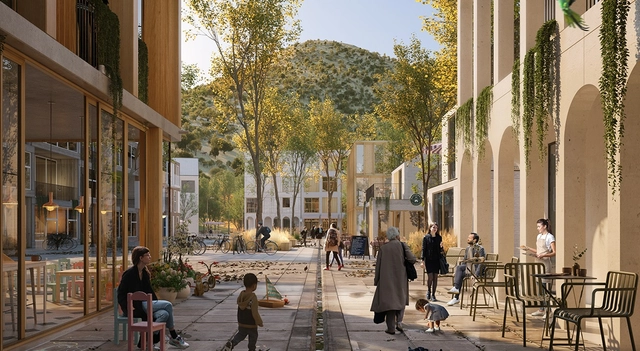
The following publication by Gehl titled 'Masterplan Framework with ecology at its heart' is an interesting case study in Huechuraba, Chile. In it, the team consisting of David Sim, Esben Neander Kristensen, Alexander Spitzer, and Tamara Kalantajevska showcase their work in the region through the creation of a specific framework for an urban master plan that puts ecology at its heart:
"Albañilas, construyendo sin patrones" (Women Masons, Building Without Bosses) is a short documentary released on May 5, 2021, produced by the Front of Organizations in Struggle #FOL. Active in more than ten Argentine provinces, the film gathers the deeply personal testimonies of Brenda, Natalia, Claudia, Isabel, Nora, Ana, and Moni, who share how they took up the bricklaying trade to construct the #FOL community hall.
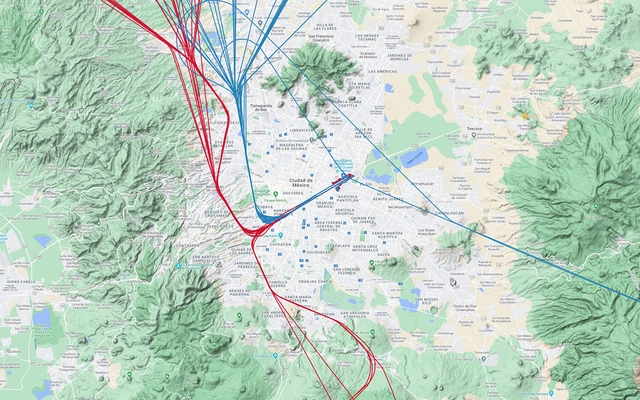
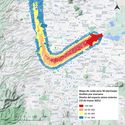
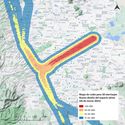
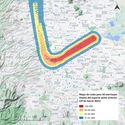
On Thursday, March 25, the agency that provides air navigation services in Mexican airspace (SENEAM) announced the implementation of the first phase of the Mexico City Airspace Redesign. Listed benefits of this redesign include reductions in flight times, operational delays, and fuel consumption, although the primary driver behind it is to integrate the future Felipe Ángeles International Airport in Santa Lucía into the capital's airspace. From day one, areas that previously did not experience aircraft noise from arrivals at the Mexico City International Airport (AICM) began to notice the effects of the redesign. How significant is the noise impact of this airspace redesign for the population of the capital's metropolitan area?
CLOU architects is an award-winning international design studio specializing in architecture, interiors, and landscape design. CLOU's diverse design team is comprised of approximately 65 creative talents from around the world.
https://www.archdaily.com/1128551/shanghai-and-beijing-jobs-clou-architects-senior-architect-senior-interior-designer-senior-business-development-vfx-artistMilly Mo
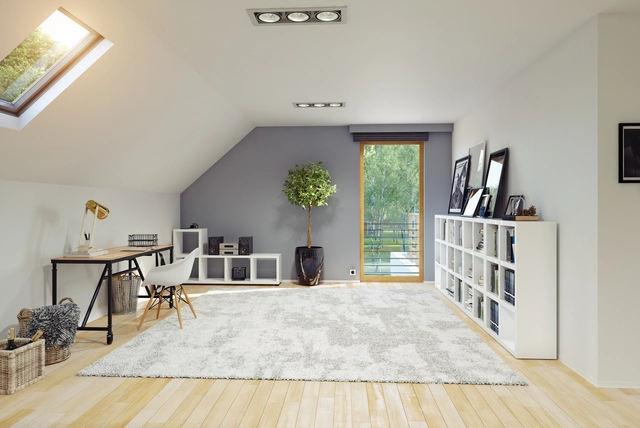
How do we design spaces that are healthy for both our minds and our bodies? That is the core question we will address this March by exploring our monthly theme, “Well-Being in Interior Spaces.”
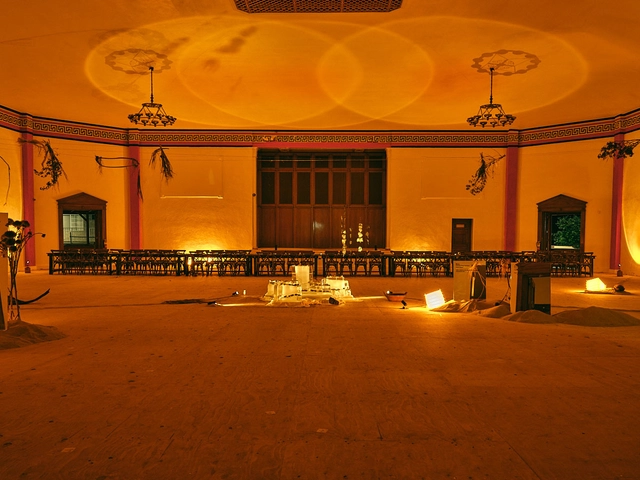
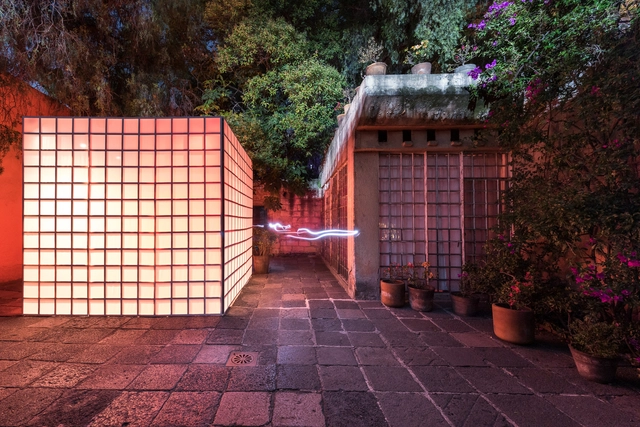
As part of a collaborative project created by creative women, "Ostras & Burbujas" emerged—an event that took place on August 28 at Cucina, Mexico City. This event was conceived around the idea of creating an immersive space that plays with visual perception, featuring lighting design and control by Paola Jose, founder of SOMBRA, powered by Lutron - Ketra technology. By altering the atmosphere through light, this was paired with a culinary experience led by chef Montserrat Garza, who brought together taste, smell, and touch through a multi-course dinner paired by Cavanegra Natural Wine Club.






















_12.59.20.jpg?1623089088&format=webp&width=640&height=580)