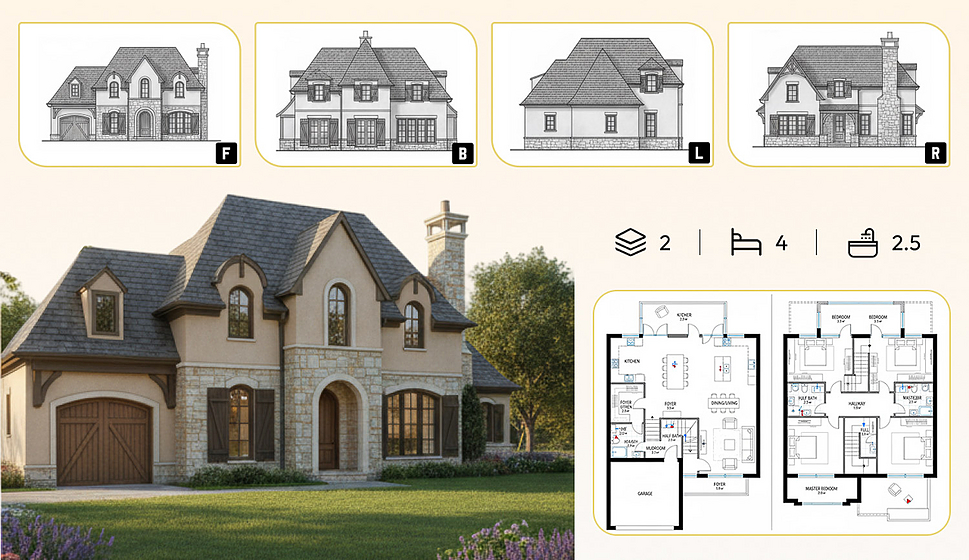
This guide covers a workflow that moves from project parameters to generated floor plans, 3D perspective views, exterior design exploration, and site context visualization, using AI tools in place of preliminary CAD and rendering work.
This guide covers a workflow that moves from project parameters to generated floor plans, 3D perspective views, exterior design exploration, and site context visualization, using AI tools in place of preliminary CAD and rendering work.
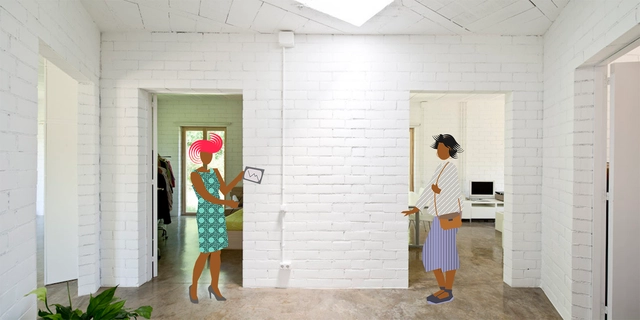
Have you ever had to convince your friends or family that an exposed brick wall can be more interesting than a plastered surface painted white? Or that exposed building systems can offer major advantages when it comes to maintenance? These are recurring scenarios in the professional lives of architects and design firms.
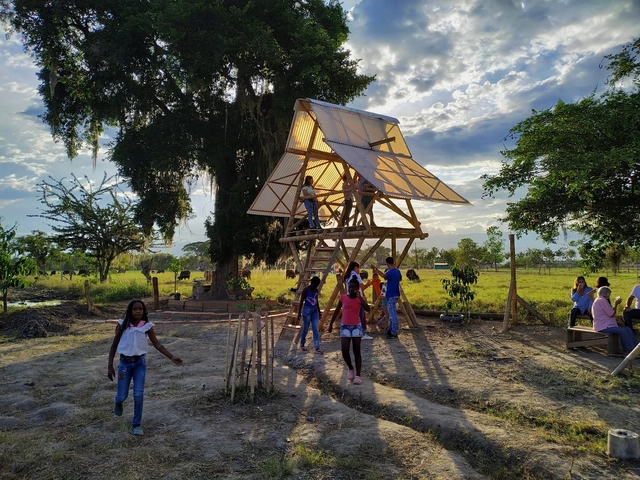
At a time when we only have room for immediate priorities, many designers in our discipline work detached from the actual context where their projects will be built. Yet, some still dedicate the time and passion to experience these realities firsthand and build hand-in-hand with the users.
_13.46.17.jpg?1606762006&format=webp&width=640&height=580)
The Post_Arq student collective of the Leopoldo Rother Architecture Museum at the National University of Colombia shared with us the interview series titled "Siete Imaginarios, Siete Arquitectos" (Seven Imaginaries, Seven Architects). The interviewees include prominent figures such as Sebastián Serna, Santiago Pradilla, Leonardo Álvarez Yepes, and Lorenzo Castro, among others.
Below, you can explore the interviews conducted with these renowned figures of the Colombian architectural scene, several of whom were winners or received honorable mentions at the XXVII BICAU.
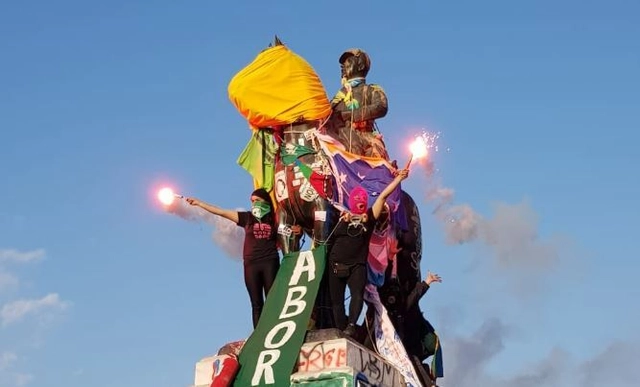
For over 80 days of protest, our streets and buildings have been covered daily in slogans, posters, illustrations, and an endless array of visual material referencing the social demands of a country that claims to have awakened from a 30-year slumber. Meanwhile, public monuments throughout Chile are being tagged, altered, destroyed, or removed from their original sites, becoming a primary target for protesters—or, as the newspaper El Mercurio1 puts it, for “vandals.”

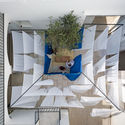
Vacío is a temporary intervention that seeks to redefine the boundaries and experience of the space in which it is located. It is crucial to understand the environmental impact of ephemeral projects.
To construct this void, we used four floating curtains made of repurposed sheets of paper collected from other architecture firms, bathed in indigo to erase the drawings, texts, and prints of their previous life.
The installation's lightness allows the airflow to constantly reshape the defined geometry of the prism. Inside, the space mutates and interacts with visitors, almost compelling them to move as the floating sheets seem to breathe.
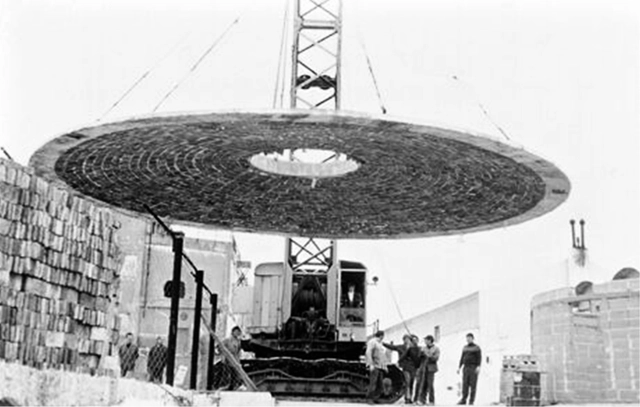
This article by Julián García Muñoz and María de los Ángeles Beltrán Fernández was originally published in the second issue of rita magazine under the title "La prefabricación de bóvedas de ladrillo: Una utopía latinoamericana" and is part of a joint publishing collaboration. The following is an overview of the history of these prefabricated vaults, aiming to reclaim their value.

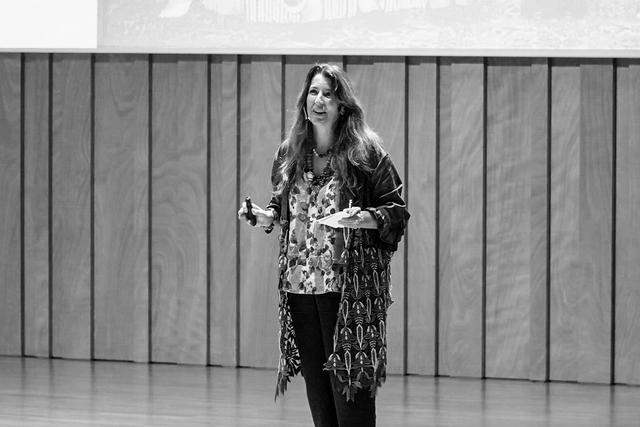
“Architects, not Architecture” has decided to open its archive to help us navigate the global lockdown, serving as a source of inspiration and entertainment for the architectural community. It features a selection of the best talks from their 35 past events, previously unreleased to the public—including Tatiana Bilbao, Peter Cook, Richard Rogers, Massimiliano Fuksas, Kim Herforth Nielsen, Ben van Berkel, Anupama Kundoo, Sadie Morgan, Dan Stubbergaard, Manuelle Gautrand, and Kjetil Thorsen.
Each week, ArchDaily will share one of the full talks that “Architects, not Architecture” is publishing daily on its website as part of its "new event": Home Edition 2020 (www.architectsnotarchitecture.com).
As an exclusive, Plataforma Arquitectura is presenting one of the talks in Spanish. Below is the presentation by architect Benedetta Tagliabue.

Last week we announced the 15 finalist projects for the Building of the Year 2020 award (Obra del Año), which since 2008 has celebrated the best built architecture in Latin America and Spain, calling on our expert jury—that is, you, the readers—to choose your favorite completed buildings.
Today, the day has come to announce the winners of ODA2020.
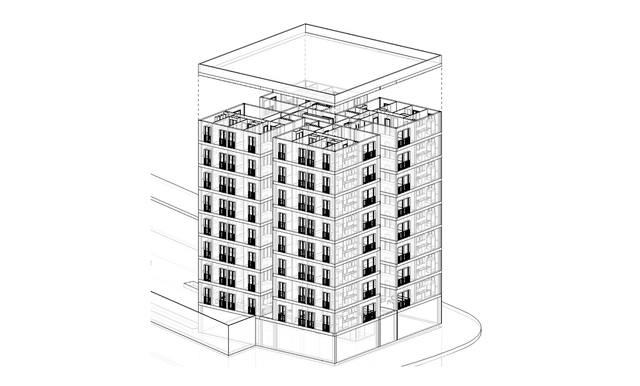
We have often heard about BIM (Building Information Modeling) and the wide range of opportunities it brings to the AEC (Architecture, Engineering, and Construction) industry. But how are these BIM models structured? This article explains the components of these models and their characteristics based on a BIM Standard, while addressing the importance of BIM Catalogs and BIM Libraries.
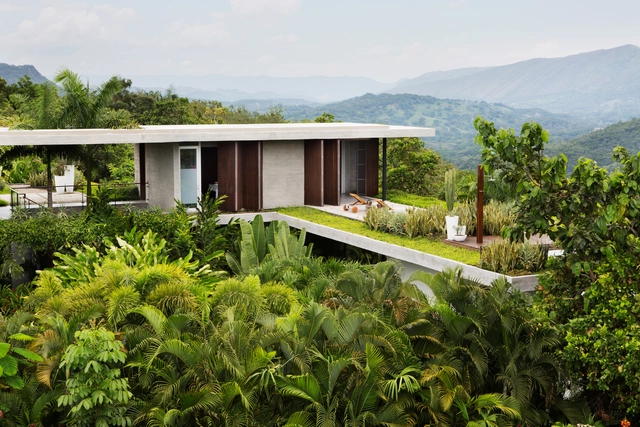
Colombia boasts an immense variety of thermal zones that create breathtaking landscapes and dreamlike natural environments. Its flora and fauna vary distinctly depending on region, altitude, and humidity. For architectural practices designing Colombian homes, the natural context is a constant source of inspiration, ranging from incorporating vegetation as interior architectural elements to framing nearby landscapes. When designing spatial perception—whether from within or without—nature is an undeniable component of these projects.

Medellín-based firm Taller Síntesis shares the following article emphasizing the importance of recognizing the rural built environment—which accounts for most of the country's territory but not most of its architectural practice—in order to raise awareness of how architecture is directed and recognized in Colombia. Read on below.
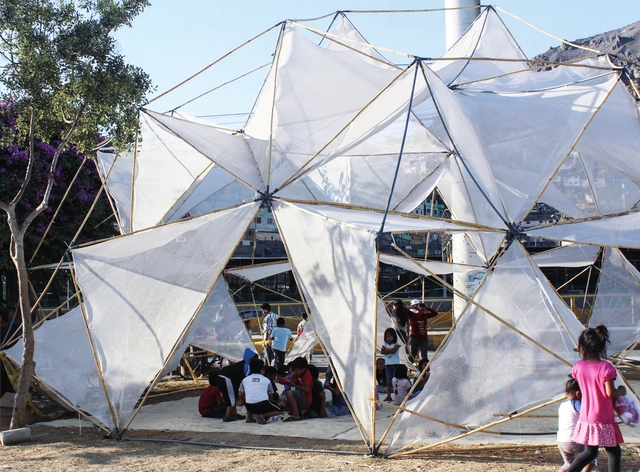
1:1 Proyectos sobre los territorios del Perú is a book by Peter Seinfeld and Felipe Ferrer that summarizes their students' work over more than seven years.
.jpg?1591226080&format=webp&width=640&height=580)

In a conversation for the third edition of Revista CLEA—an annual publication of the Latin American Coordinator of Architecture Students (CLEA)—Ecuadorian architect María Augusta Hermida explores the capacity to decolonize spaces and cities today.
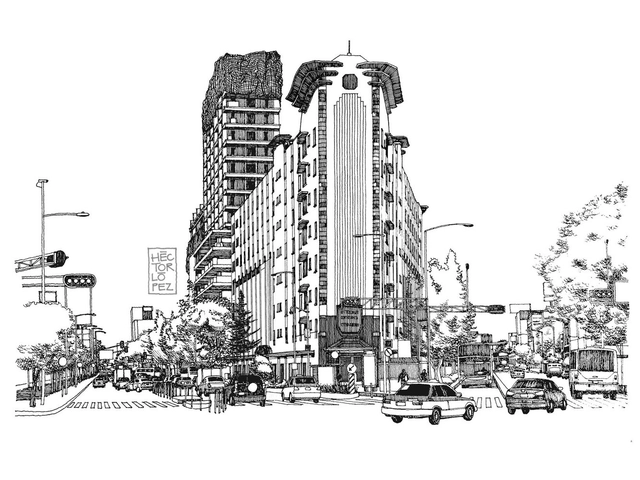
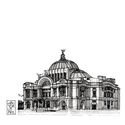
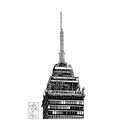
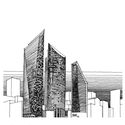
Croquis CDMX is an initiative led by Héctor López, founded eight years ago to foster and strengthen the connections between the eye, the brain, and the hand. The project seeks to portray life in Mexico City through freehand sketches. While architectural education is geared toward training professionals to design and construct buildings, Héctor—who studied at the Faculty of Architecture of the National Autonomous University of Mexico—views university education as “the axis of all elements: I already knew how to draw, and in school I became interested in construction, history, and theory. That was where drawing became disciplined. I would encourage students to draw, regardless of whether they think they can or not, because you discover things that you don't understand when drawing with software.”

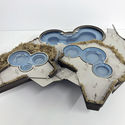
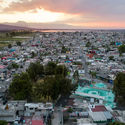
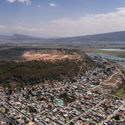
At the same rate that the real estate development industry aggressively intervened in the most favorable areas of the city valley—backed by state approvals and concessions, supported by massive banking resources, and employing top individual talent trained at public universities—popular settlement neighborhoods grew proportionally across complex topographies, receiving minimal institutional support, completely devoid of financial backing, and with negligible, residual, if not non-existent, technical assistance.
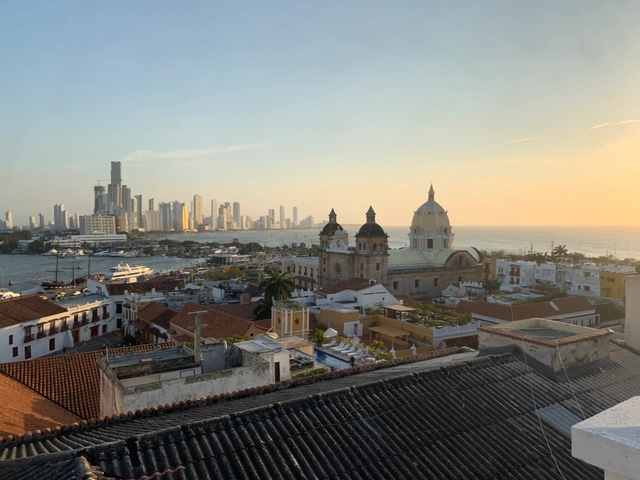
When we visit an urban destination—or perhaps a rural one as well—can we truly say we know it? A brief vacation in a tourist destination might give us an impression of what a place "is." However, this is a far cry from reality, as tourism has always manipulated the impression left on visitors, obscuring the actual lived experience of the place.
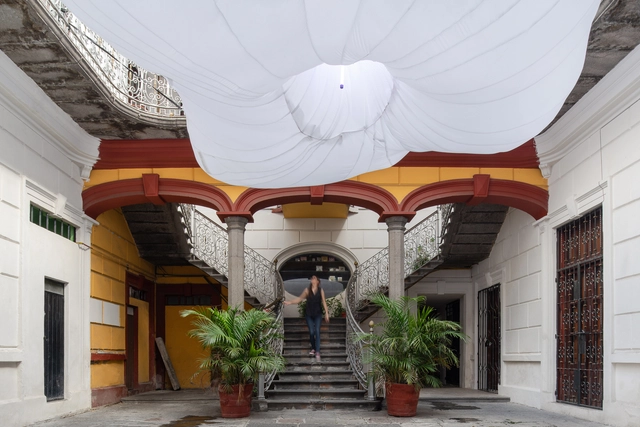
The city of Puebla, located in the central highlands of Mexico, is particularly well-known for its street layout and its predominantly Baroque architecture. A UNESCO World Heritage Site since 1987, it hosts a broad cultural dynamic centered on the preservation of built heritage and its appreciation from afar, as if it were a museum piece. Consequently, on our daily commutes, we notice the monumentality of its facades, while most often overlooking what lies behind the large wooden doors: what we have called “the heart of the Poblano home.”
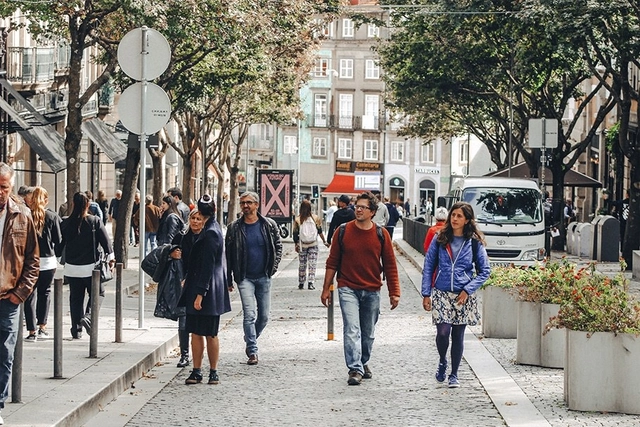
Street safety goes far beyond policing and lighting. While these factors may be important in certain contexts, community engagement and building social capital are key to making cities safer. “Feeling safe is crucial for people to embrace urban space,” says Jan Gehl.
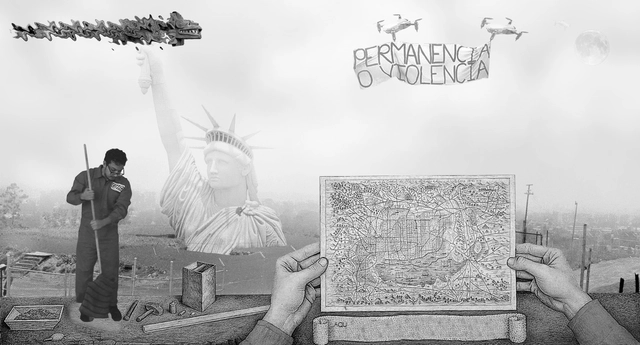
As part of an initiative by ArchDaily and the Abierto Mexicano de Diseño, a call for entries was launched this year, inviting architects, urban planners, landscape designers, industrial designers, graphic designers, floral designers, and any creative discipline that understands public space as a place for fostering collaborative encounters in cities. Published in September, the call sought unpublished or previously published projects in the form of written essays, research papers, visual essays, lectures, or other digital communication formats that offered a personal or collective reflection aligned with the theme 'Public Space.'
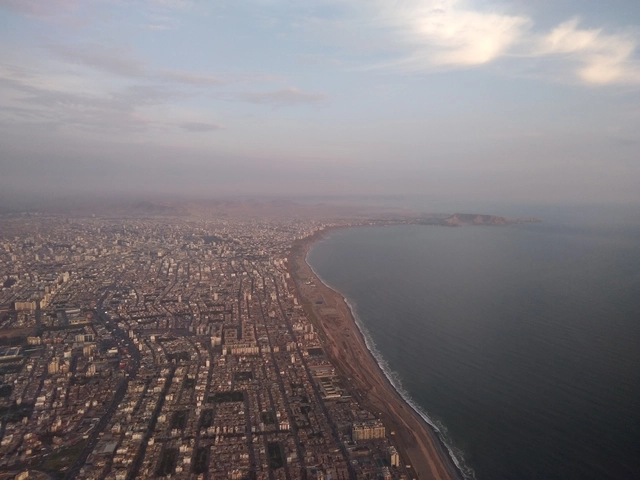
After the state of emergency, nothing will return to the way it was. At that point, public and private spaces will routinely be occupied in ways that prevent transmission of a still-active virus. However, just as this situation has forced us to recognize our deficient healthcare system, it has also revealed how inadequate the spaces we inhabit often are.

When reality demands complex and unprecedented answers from us, one of the most interesting methods to find them is biomimicry, which consists of asking nature questions in search of inspiration. In this light, it is worth asking: how does nature deal with emergency situations where an organism's behavior must be quickly modified?
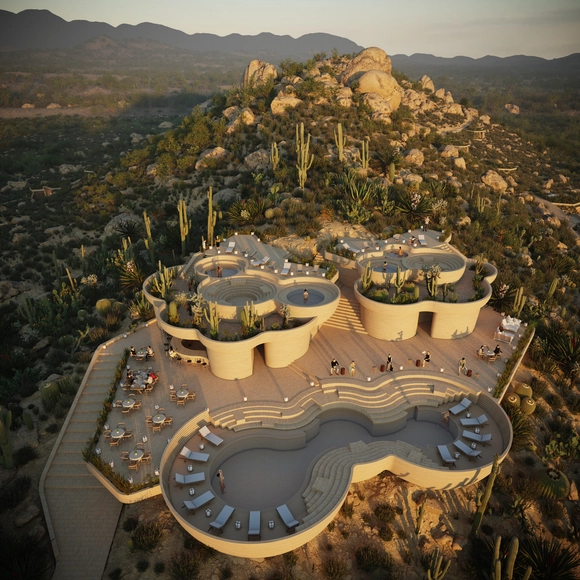
Rojkind Arquitectos + AmasA Estudio present a new project on a site named "Tres Cerritos" in Valle de Guadalupe, part of the wine route in the Francisco Zarco district of Ensenada, Baja California. The project arises from an understanding of nature's value and its historical use as a sanctuary and refuge, creating a hospitality concept that reconnects the visitor with the environment.
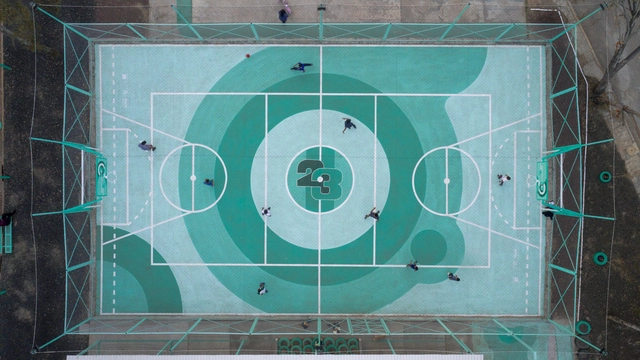
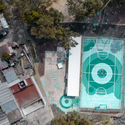
The “Xico-Parque Sur 23” project by the Mexican firm All Arquitectura grew out of the success of “Cancha La Doce,” which was developed in collaboration with love.fútbol and sponsored by the Pincus Family Foundation. Drawing on insights gained from previous projects on-site, the design and research process built upon an existing understanding of local needs and opportunities.
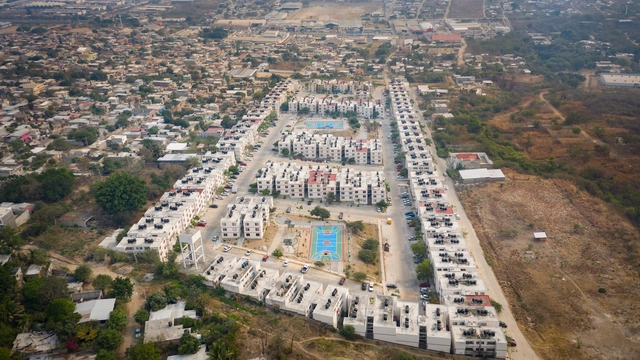
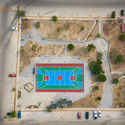
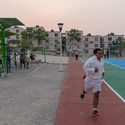
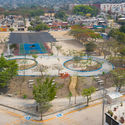
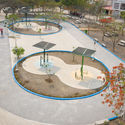
As part of an initiative by Infonavit to drive the recovery of three neighborhood parks in the city of Tuxtla Gutiérrez, Chiapas—“San Juan,” “Las Torres,” and “Canteras”—these housing developments lacked efficient infrastructure, resulting in a deteriorated urban image, high crime rates, and a complete lack of community ownership over public spaces. In response, T+E Arquitectos and Fracciona Arquitectura joined forces to transform these spaces, addressing the distinct requirements of each site.

Palma_Vacío-8.jpg?1607984631 "© Luis Young")