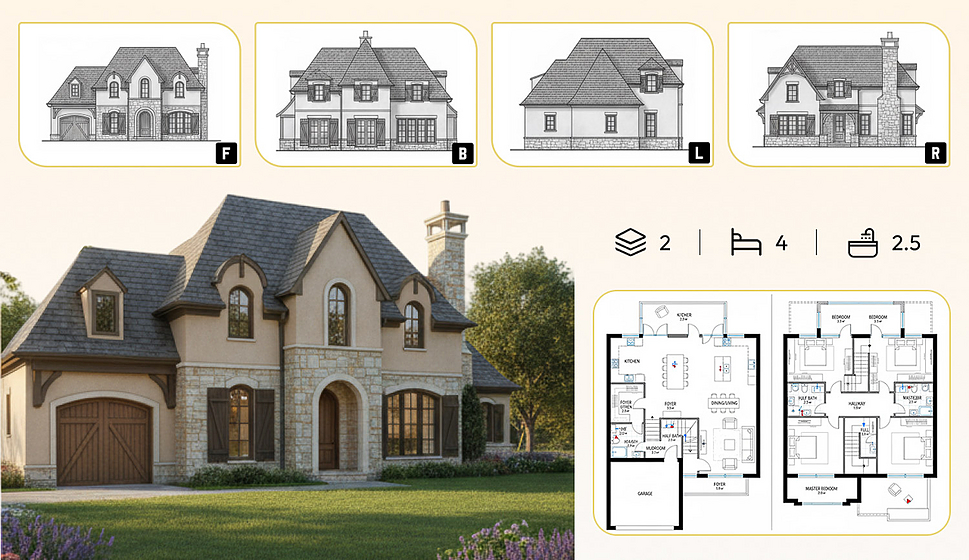
This guide covers a workflow that moves from project parameters to generated floor plans, 3D perspective views, exterior design exploration, and site context visualization, using AI tools in place of preliminary CAD and rendering work.
This guide covers a workflow that moves from project parameters to generated floor plans, 3D perspective views, exterior design exploration, and site context visualization, using AI tools in place of preliminary CAD and rendering work.
According to data released by the United Nations (UN, 2017), the global population has reached 7.6 billion, with more than half (54%) living in urban areas. In Brazil, according to data from the Brazilian Institute of Geography and Statistics (IBGE, 2010), 84.4% of the population lives in cities.
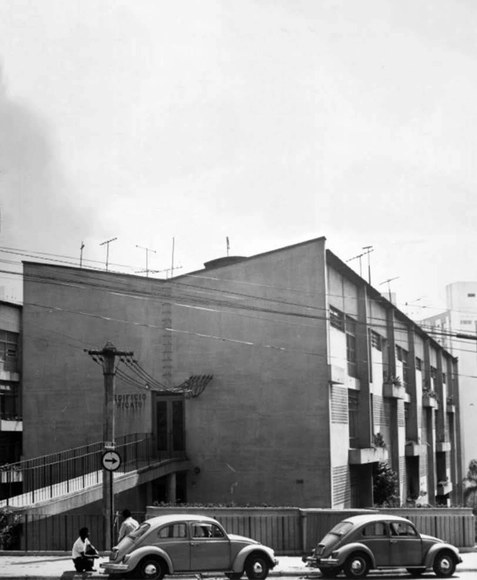

Conceived as a large-scale residential development in an expansion zone of São Paulo, the Jardim Ana Rosa Residential Complex began its subdivision design in 1950, in the Vila Mariana neighborhood, facing Largo Ana Rosa. The development, carried out by the Banco Hipotecário Lar Brasileiro, featured the participation of several prominent São Paulo architects of the time, such as Abelardo de Souza, Plínio Croce, Roberto Aflalo, and Salvador Cândia. In its initial version, the project planned for a few buildings bordering Vergueiro Avenue, with most of the area designated for single-family homes.

The work of the Catalan firm Barozzi Veiga is explored through the tension between tradition and invention in architecture in this article by João Paulo Rapagão, published in partnership with AMAG.
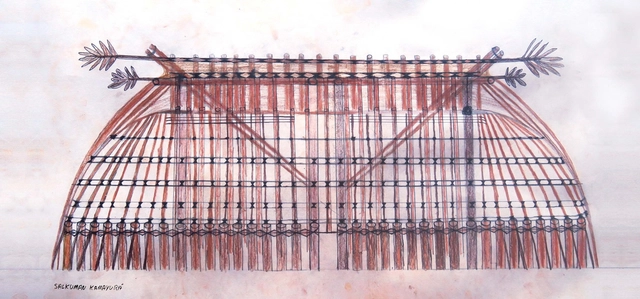
In July 2019, the habita-cidade Platform [1] organized the "Ways of Dwelling: Traditional Architectures" Travel-Workshop, which brought students and professors to the Ypawu Village in Kamayurá territory, in the Upper Xingu. The general objective of the "Ways of Dwelling" Travel-Workshops is to foster constructive reflection on the diverse forms of human habitat across the planet. This year, responding to a request from Kamayurá master builders to produce a manual on local architecture, the Travel-Workshop was designed so that the visiting group could support this important endeavor. The idea for the Kamayurá Architecture Manual was first proposed by Kanawayuri L. Marcello Kamaiurá (a local leader) to architect Clarissa Morgenroth (a graduate of Escola da Cidade) and theater director Cibele Forjaz. Escola da Cidade was then invited to join the project, which was taken on by the habita-cidade Platform, an initiative linked to the *lato sensu* postgraduate program "Housing and City."


The Master Plan is the basic instrument for defining a municipality's development model. It establishes guidelines and strategies for executing plans, programs, and projects, seeking to emphasize public participation as well as economic, social, and environmental sustainability. Yet, its influence on the city goes far beyond what is commonly imagined: it ultimately dictates the volume and form of every new building.
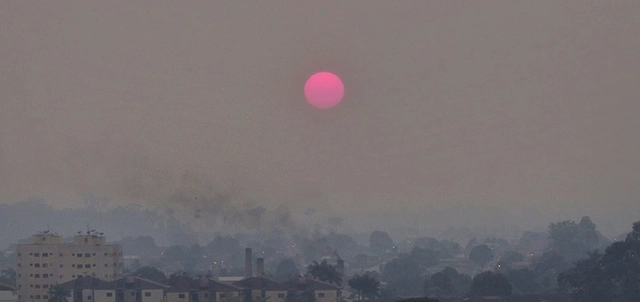
Since the beginning of the month, thousands of fire outbreaks have been recorded in Brazil's northern states, spreading through Acre, Rondônia, Mato Grosso, and Mato Grosso do Sul, and reaching the triple border of Brazil, Bolivia, and Paraguay. According to the National Institute for Space Research (INPE), the country is experiencing its worst wave of wildfires in five years.
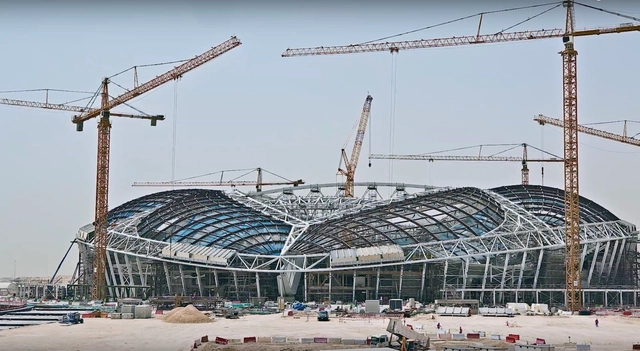

The year is 2010. As the first Arab country selected to host the 2022 FIFA World Cup, Qatar is already ramping up its preparations to host this highly anticipated and costly event 12 years down the line. Extensive construction and reconstruction efforts are being launched, targeting not only the facilities directly demanded by FIFA, but also, more broadly, the urban infrastructure systems of the country's major cities.

When driving alongside a bike lane, it is hard to escape comments like “it’s always empty,” “it takes away space from cars,” or “businesses lose customers.” But is there any truth to these claims? Here are some of the most common myths about bike lanes – and the reality behind them.
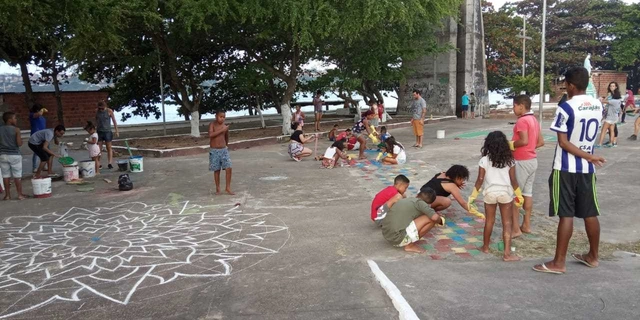
As a result of three months of training in local engagement within the pioneering COURB Ambassadors Program, mobilizers from various Brazilian cities promoted actions in their territories. Aiming for the collaborative construction of inclusive cities, the Articulation Journey—a highly collaborative effort—took place between August and September and featured three types of actions: roundtables, territorial interventions, and collective proposals. The ambassadors mapped and engaged more than 150 institutions in the program, including city halls, universities, collectives, businesses, and organizations.
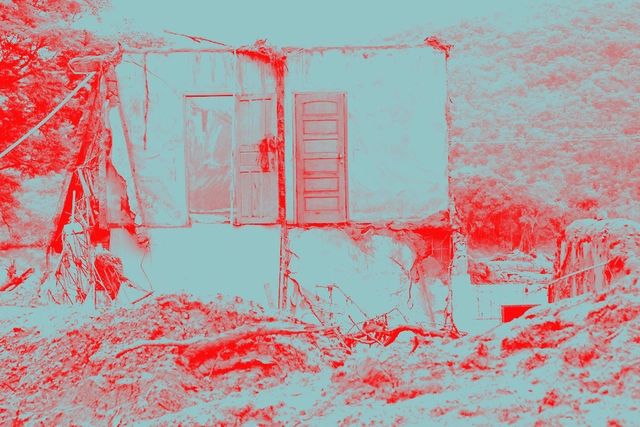
Economic and urban processes are known to drive major modifications in the urban structure. In light of the events of January 25, 2019, with the collapse of the Brumadinho dam, it is clear that environmental negligence by major mining corporations also has the power to produce profound consequences and alter the ways in which people inhabit and utilize the territory.
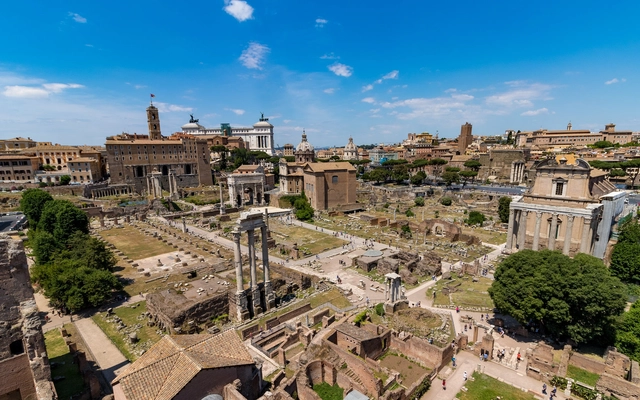
Metropolis is a word derived from the Greek metropolis, a combination of meter (mother or womb) and polis (city). Thus, the metropolis is the mother city, the most important within a context where several interconnected cities depend on one another to fully function. In most cases, metropolises feature conurbations of multiple urban clusters.
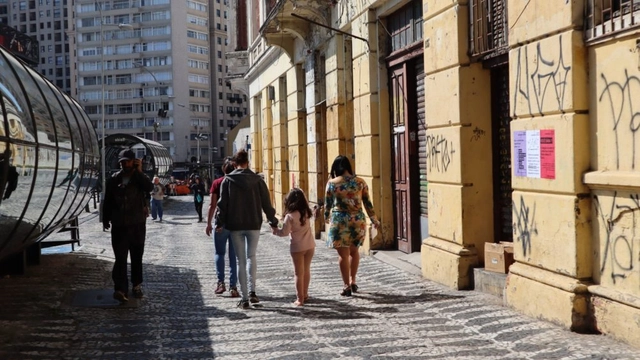
Have you already crossed the street out of fear today? As a woman, what is your greatest fear when walking down the street? How would you feel safer? With the goal of reflecting on how we can plan more egalitarian cities for everyone, the firm amb ateliê, in partnership with architects Fernanda Linero and Beatriz Teixeira, launched this initiative across various neighborhoods in Curitiba. The project ci.da.de; substantivo feminino (city; feminine noun) is part of the 3rd Biennial Architecture Exhibition for Curitiba.
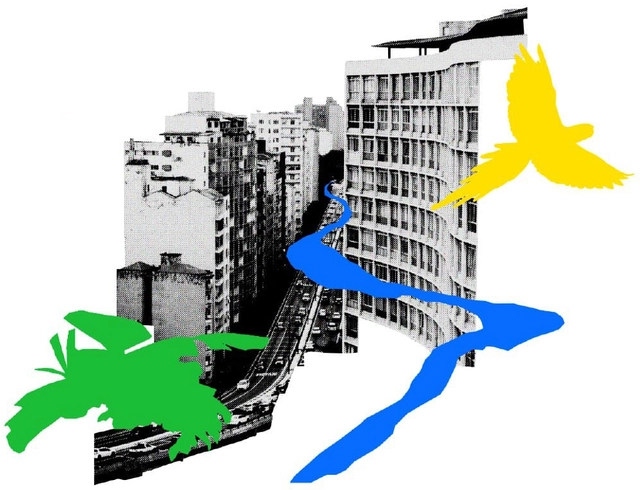
In May of this year, *The Guardian* recommended in its style guide that journalists and contributors heighten their language when discussing climate change or global warming. Now, the British newspaper announced, it is a climate crisis, emergency, or climate breakdown.
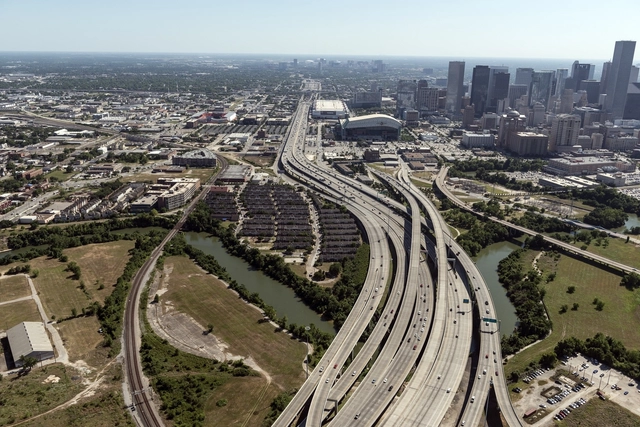
While conventional American urbanism is known to drive excessive sprawl, it is worth remembering that, ultimately, the true extent of a city's horizontal expansion lies far beyond the reach of urban planning controls.
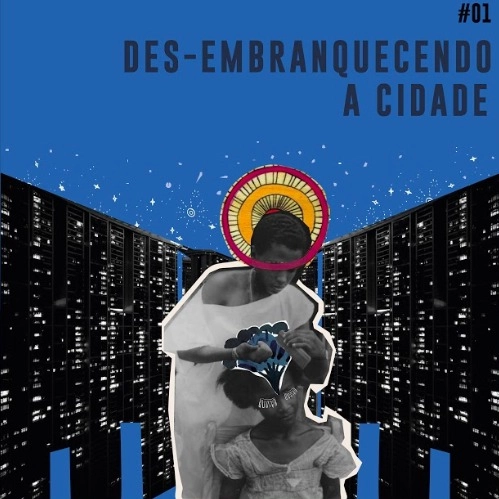
The “De-whitening the City” Podcast is a space invented from the desire of five Black women residing in Salvador, São Paulo, Rio de Janeiro, and Belo Horizonte to circumvent geographic distance in order to foster and celebrate connection. Emmily Leandro, Gabriela Gaia, Luciana Mayrink, Malu de Barros, and Natalia Alves make up the Terra Preta collective, giving shape and voice to this exercise in creating a shared virtual territory—both a political and aesthetic commitment—now made public for the first time.
_(Custom).jpg?1559915700&format=webp&width=640&height=580)
C40 Cities, a global coalition of cities, launched a competition to select the best solutions for transforming underutilized urban spaces into resilient, carbon-neutral developments. Named Reinventing Cities, the competition selected 15 innovative ideas poised to "reinvent" the future of cities.

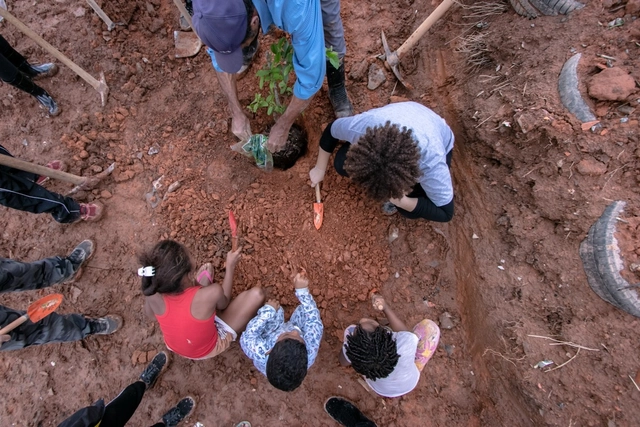
From revitalizing degraded green spaces to hosting collaborative games, events, and workshops, there are numerous volunteer initiatives capable of transforming a city's landscape and the lives of its residents.
In addition to serving as vital forms of social participation, community collectives and volunteer-driven initiatives facilitate dialogue between public authorities and local communities. This collaboration yields numerous benefits, particularly in reshaping how we interact with our cities.
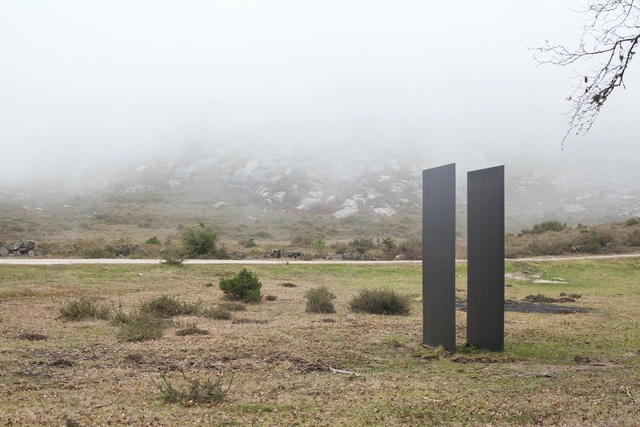
The Alto Minho region in northern Portugal had its landscape transformed by a series of site-specific artistic interventions that were part of the DESENCAMINHARTE program. The initiative aimed to promote artistic creation in the region through a collaborative network designed to foster recognition of its local identity.
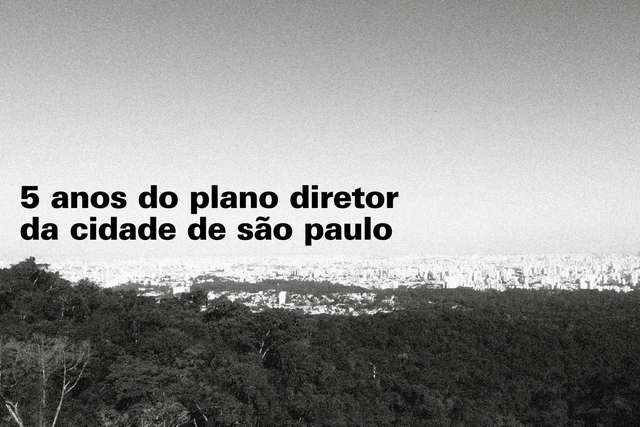
Five years ago, São Paulo approved its Master Plan, a social pact to transform the city by 2029. While a significant portion of the planned actions have been carried out or are currently underway, just as many remain on paper. Assessing this period is essential to achieving the ultimate goal of this entire process: improving the quality of life for its residents, especially those who need it most.

The formal configuration of open space systems in Brazilian cities—whether qualified or not—derives a significant contribution from private developments, since public urban planning and design have historically been the exception.
Architects and urban planners evaluated the services offered by CAU/BR and the state-level CAU/UFs. Out of nine services analyzed by the professionals, seven received an average score above 7 on a scale of zero to 10. These and other findings are part of the CAU Evaluation Survey conducted by the Datafolha Institute in May. The study interviewed 1,500 architects and urban planners and 500 architecture and urban planning firms by telephone to assess the effectiveness of the Council's communication channels with professionals and society, as well as to gather information to support initiatives ensuring access to the entity's information.
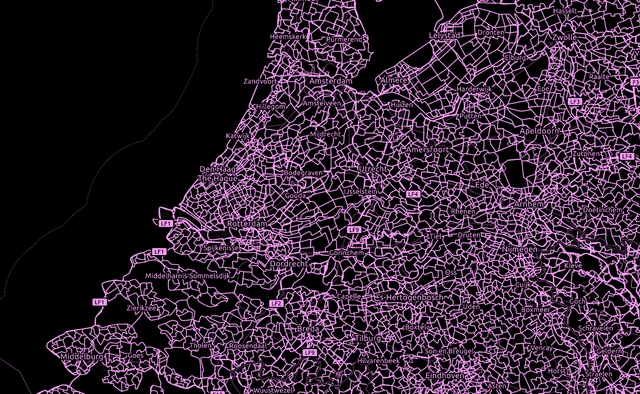
For some time now, cycling infrastructure planning has become a priority for several countries around the world seeking to seriously mitigate the challenges of rapid urbanization. In this regard, it is worth looking at which countries are expanding their cycling networks and understanding the development patterns established for each of them. OpenCycleMap is a project that makes it possible to clearly identify these countries and analyze their networks in great detail.
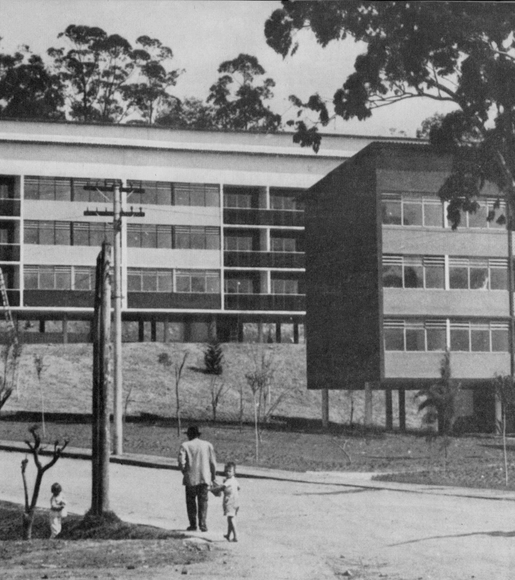
After studying civil engineering at the Escola de Minas de Ouro Preto, Carlos Frederico Ferreira returned to his native city of Rio de Janeiro and enrolled in the Escola Nacional de Belas Artes, graduating in architecture in 1935. In 1939, he was hired by the IAPI as an engineer-architect and soon rose to the position of head of the institute's Engineering Department. By 1943, having overseen the partial completion of the first major housing development, the Conjunto Residencial Operário in Realengo, he was able to begin expanding the model to other locations. The designs for Vila Guiomar in Santo André and Piratininga in Osasco, as well as the apartment building and IAPI Regional Office headquarters in Recife—all designed by him—demonstrate how, through his position, he sought to shape the direction of the institute's future developments.
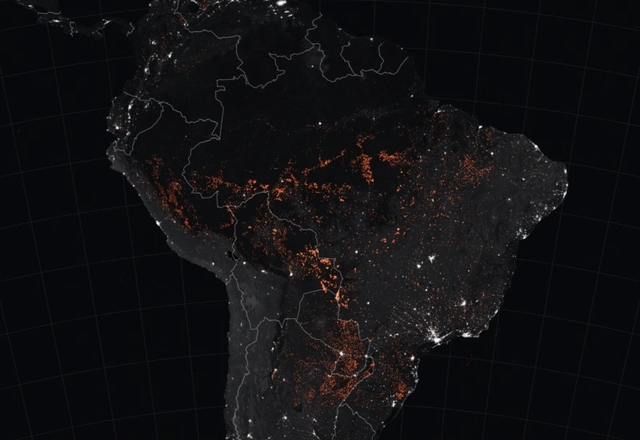
Over the past week, thousands of active fires in the Brazilian Amazon captured global attention in the press and on social media, where the hashtag #PrayForAmazonia was mentioned more than 150,000 times in a single day. But what can satellite data tell us about what is actually happening in Brazil's forests?