This guide covers a workflow that moves from project parameters to generated floor plans, 3D perspective views, exterior design exploration, and site context visualization, using AI tools in place of preliminary CAD and rendering work.
This guide covers a workflow that moves from project parameters to generated floor plans, 3D perspective views, exterior design exploration, and site context visualization, using AI tools in place of preliminary CAD and rendering work.
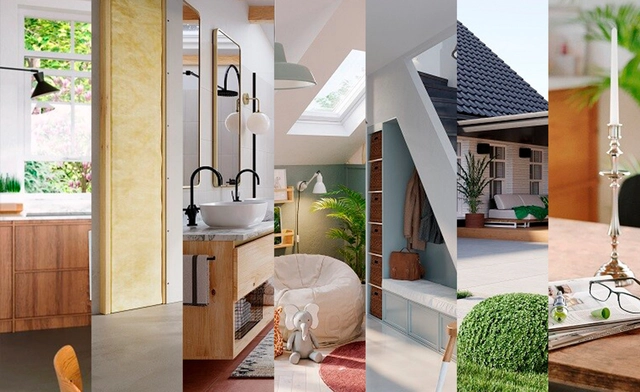
Architecture is a complex and diverse discipline with multiple approaches and perspectives. Throughout history, numerous studies, theories, and treatises have emerged focusing on different architectural expressions. Vitruvius's treatise *De Architectura* is one of the oldest and most influential in the field, proposing that architecture is based on three fundamental principles: beauty, firmness, and utility. For a work to be considered truly architectural, there must be a balance between these three components. Moreover, other approaches, such as the five points of modern architecture, and more recent research, like Supra Order, enrich contemporary architectural theory.
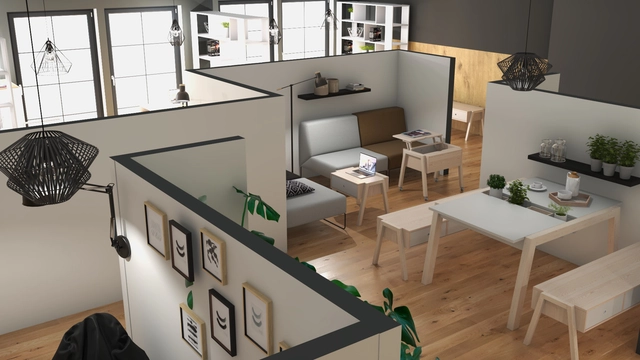
Designing a new apartment or renovating an existing one is always a major challenge. To simplify what is typically a long and complex project, the VOXBOX software, developed by experts from the VOX brand, helps visualize the design of a future home quickly and efficiently. Unlike other interior design programs, VOXBOX does not require specialized knowledge in architecture or design, as it utilizes an intuitive and user-friendly interface.
Available to everyone on the web, this digital tool allows users to quickly design a bedroom, living room, apartment, or an entire house. In addition, users can visit VOX showrooms, where their team of interior designers offers guidance for designing specific spaces. As an architect, you can also meet with your clients at VOX showrooms to show them their future interiors in virtual reality and present material and furniture board samples.
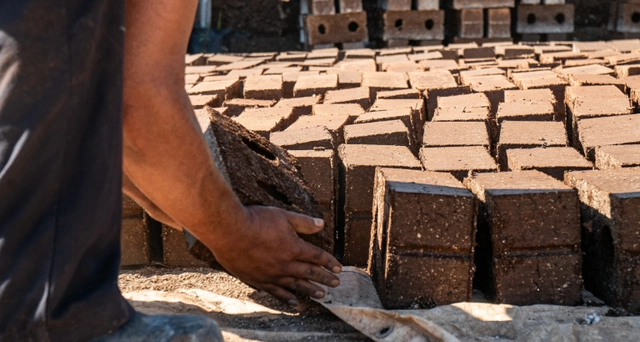
Paradise beaches can quickly lose their appeal for tourists when invaded by sargassum, a brown algae of the genus *Sargassum C. Agardh* distributed across tropical and subtropical oceans. In Mexico's Riviera Maya, this seaweed was once considered a major problem. However, Omar de Jesús Vazquez Sánchez saw it as a raw material for homebuilding—transforming sargassum into sustainable bricks.
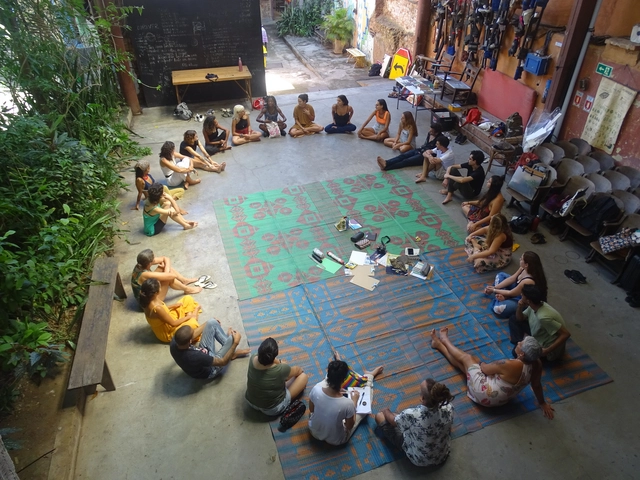
Floresta Cidade is an extension program, research, and teaching initiative at the Faculty of Architecture and Urbanism of UFRJ. Initiated in 2020 and coordinated by Professor Iazana Guizzo, the program addresses urban life in Rio de Janeiro through the lens of the Anthropocene and the displacement of the anthropocentric perspective, aiming to foster the exchange of knowledge around dwelling in the metropolis. Transdisciplinarity across various fields of knowledge, along with sensibilities connected to the forest that have been historically silenced, pave the way to shift conventional ways of thinking.
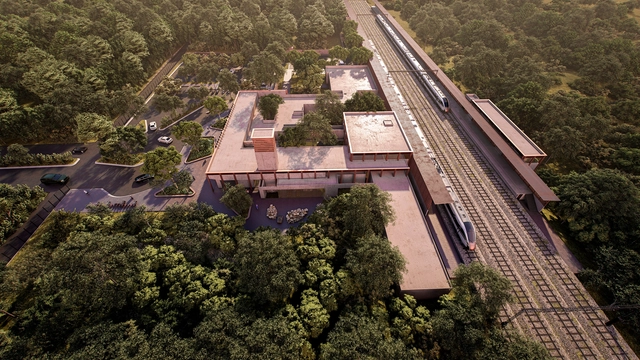
The Tren Maya is an infrastructure project currently being developed by the Mexican government in the country's southeast, involving the construction of approximately 1,525 km of railway lines that will span the states of Tabasco, Chiapas, Campeche, Yucatán, and Quintana Roo. It will offer three types of services: passenger, tourist, and freight trains. The route comprises seven sections: Section 1 runs from Palenque to Escárcega (228 km); Section 2 from Escárcega to Calkiní (235 km); Section 3 from Calkiní to Izamal (172 km); Section 4 from Izamal to Cancún (239 km); Section 5 from Cancún to Tulum (121 km); Section 6 from Tulum to Chetumal (254 km); and Section 7 from Chetumal to Escárcega (287 km).
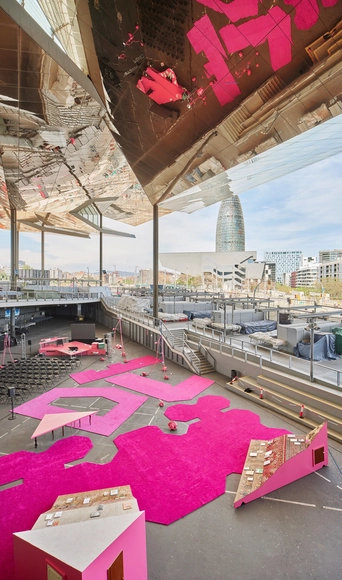
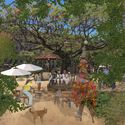
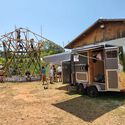
As part of the second Model: Barcelona Architectures Festival, local architecture firm H3o Architects—led by Adrià Orriols, Joan Gener, and Miquel Ruiz—presented the temporary installation “Nomad Assembly". As one of the five installations featured in this festival curated by Eva Franch i Gilabert and co-organized by the Barcelona City Council and the Mies van der Rohe Foundation, the project was developed to its full materialization in the public space beneath the canopy of the Mercat dels Encants, serving as the main stage for the event.
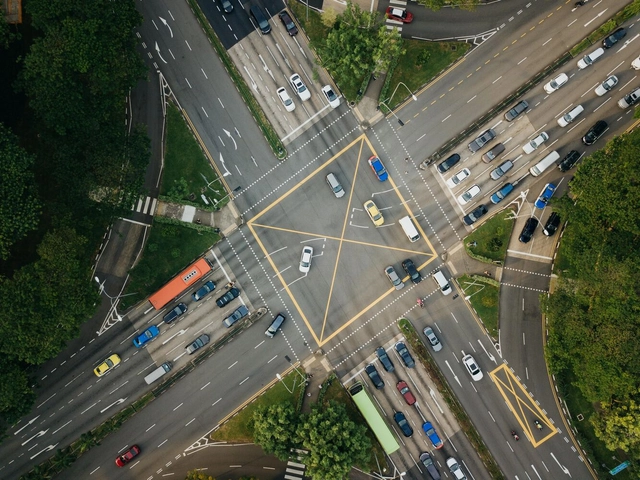
Cities worldwide can save thousands of lives every year through fairly simple measures: traffic calming and speed management. Readjusting vehicle speed limits on urban roads is one of the key initiatives highlighted by the UN and the WHO to help countries meet the target of halving traffic deaths and serious injuries by 2030.
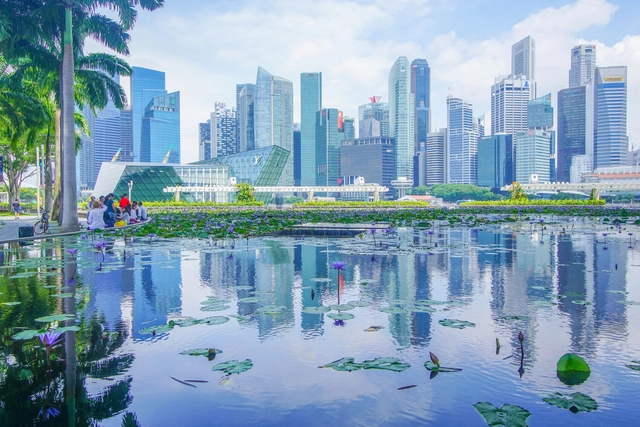
Singapore, China, Dubai (United Arab Emirates), London (England), Toronto (Canada), Hong Kong, New York (USA), and Paris (France) are examples of locations that have been verticalizing more intensely in recent years, adopting a series of measures to curb urban sprawl while seeking to meet the demand for more housing and infrastructure. Consequently, these regions have seen a growing number of skyscrapers—or tall buildings, as they are also called—being constructed in their neighborhoods, including central and historic areas.


As part of an initiative by the Federation of Associations of Architects of the Mexican Republic, a national competition was launched to design an affordable housing prototype in Los Pirules, Celaya, Guanajuato. The Municipal Housing Institute of Celaya (IMUVI) currently holds a land reserve in the northeast of the municipality, where it plans to develop a social housing complex. In collaboration with FCARM, they launched this competition to spark architectural reflection on the potential of social housing and the city. The prototype had to adapt to the post-2022 economic reality and living patterns, focusing on providing constructive alternatives and solutions responsive to the housing complex's urban, sociocultural, and environmental context.
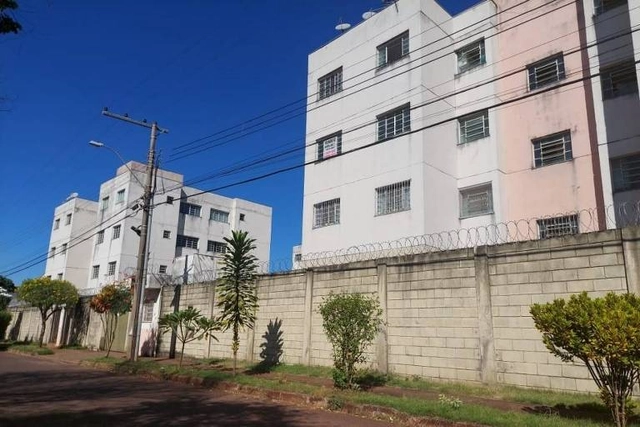
According to recent data, Brazil's housing deficit stands at 5.876 million households: 5.044 million in urban areas and 832,000 in rural areas. In percentage terms, this figure corresponds to 8.1% of the country's total stock of private, permanent, and improvised dwellings. Aiming to address, either fully or partially, this massive social debt, the Minha Casa Minha Vida (MCMV) program, launched in 2009, began offering affordable housing to low-income families.
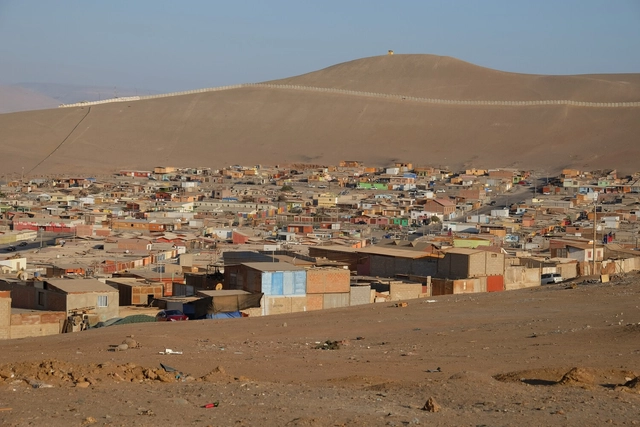
This article by Mónica Bustos Peñafiel was originally published in issue 113 of ARQ magazine. It reflects on the Emergency Housing Plan, tracing the history of the deficit and the challenges posed by the various government plans designed to address it.

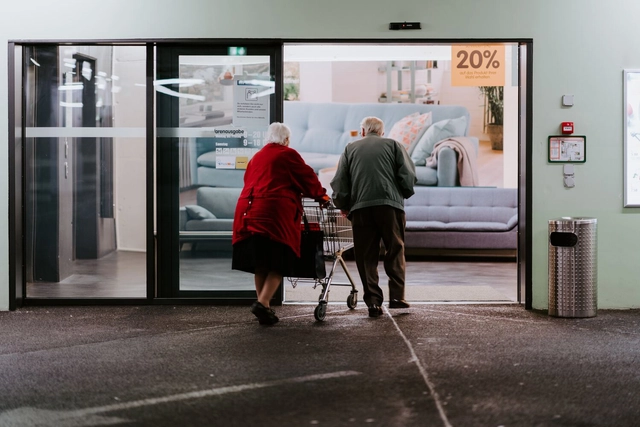
The satisfaction of living longer is closely tied to opportunities to lead an active life, stay engaged, and feel integrated into society. To this end, the built environment must support these goals through flexible structures that adapt gradually to users' needs, regardless of age.
The real estate sector is beginning to realize the immense potential of architecture focused on health quality and increased human life expectancy. As we look to the future of real estate, we can expect a smarter use of technology, along with innovations and new metrics to establish a better understanding of well-being and its relationship with both the natural and built environments. This quality standard will drive an exponential increase in sales by making properties flexible and adaptable throughout the different stages of their residents' lives.
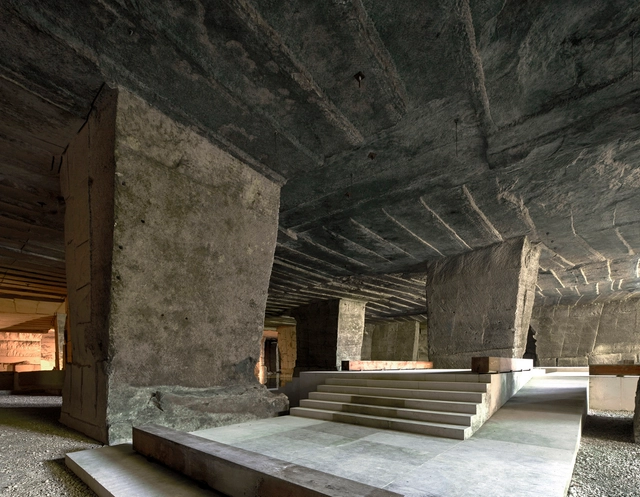
We present a challenge: building with less water. The construction process consumes a massive amount of water resources, and it is time to rethink how we can reduce this environmental impact.
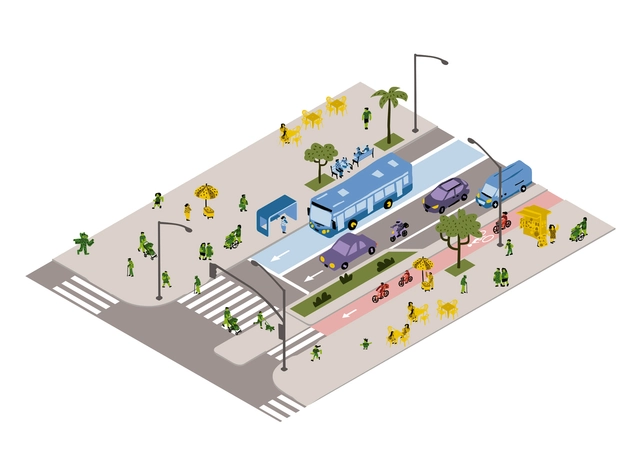
The Recife Street Design Manual (MDR) emerges as a significant milestone in the city's urban mobility planning and design, focusing on active and collective modes of transportation. Developed as an integral part of the Recife Mobility Plan, which was approved in 2021, it represents an innovative approach to street circulation, establishing new design parameters that benefit all users. With its goal of promoting broad, safe, efficient, sustainable, resilient, and democratic access to the city, the manual seeks to transform how we think about and design streets.
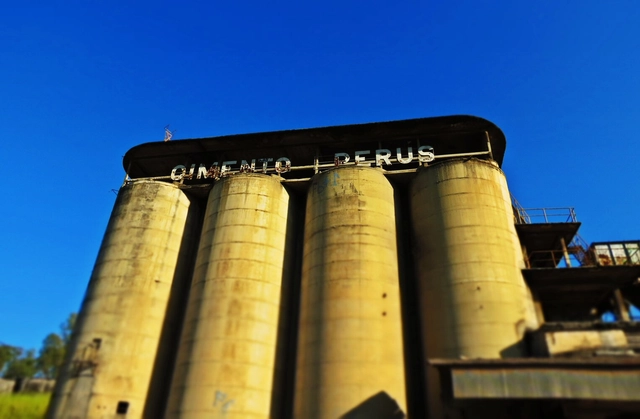
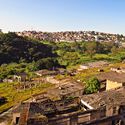
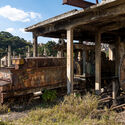
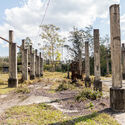
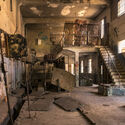
Nearly one hundred thousand square meters make up the site of one of Brazil's most important industrial heritage landmarks. Opened in 1926 by a Canadian group, the Perus Portland Cement Factory in São Paulo was crucial to the region's growth, leaving a legacy that goes far beyond its architectural remains.

According to data released by the CAU/DF in 2022, more than 82% of the Brazilian urban territory grows informally and through self-construction—a vibrant phenomenon manifested across the country. By "self-construction," we refer to a popular architecture, vividly expressed by people freely building their own homes.
While this scenario showcases a rich building culture, with creative solutions, technologies, and adaptations to local resources and contexts that involve valuable knowledge, it also reveals a high level of housing precariousness. Unsanitary environments and a lack of basic infrastructure expose residents to numerous hazards.
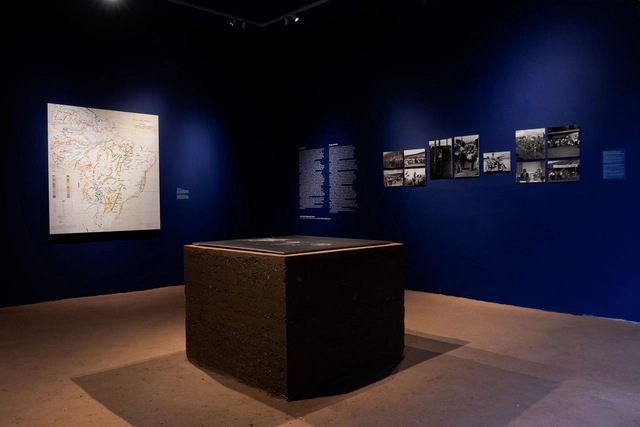
Earth is the title of Brazil's contribution to the Venice Architecture Biennale 2023, an exhibition curated by Gabriela de Matos and Paulo Tavares occupying the spaces of the Brazilian Pavilion at the Giardini. Divided into two galleries, the exhibition challenges the canons of modern architecture while seeking alternatives for a decolonized and decarbonized future in invisibilized ancestral narratives. Earth is the first Brazilian pavilion to be recognized with the highest award of the Venice Architecture Biennale, the Golden Lion.
In an effort to expand access to the content exhibited in Venice, we present here the texts and images of the first gallery, titled Decolonizing the Canon. The second gallery, Places of Origin, Archaeologies of the Future, can be viewed here. ArchDaily wishes to thank the Fundação Bienal de São Paulo, which generously provided the material from the Earth pavilion for this publication.
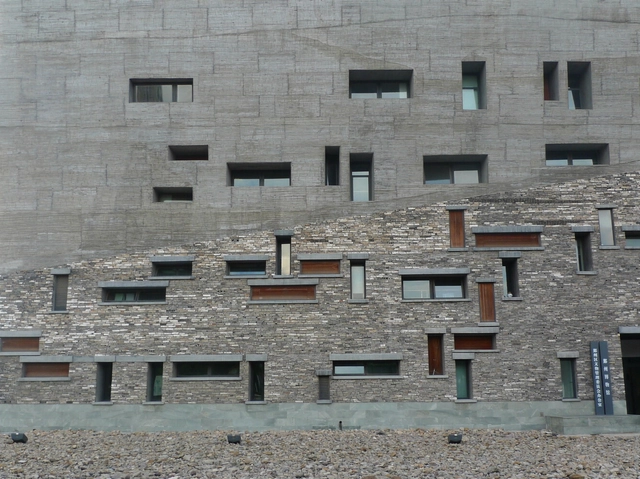
Urban mining seeks to explore and recover valuable resources found within the waste discarded in cities. While traditional mining extracts raw materials directly from the earth, this concept focuses on those hidden within products discarded by the population, such as plastic, glass, and ferrous and non-ferrous metals (iron, gold, silver, aluminum, copper, etc.) that can be reused by industry.
Simply put, while traditional mining focuses on virgin minerals, urban mining recycles and recirculates these materials from items returned by consumers after use. When disposed of improperly (in regular trash or the environment), they can end up in open landfills or dumps, harming flora, fauna, and human health.
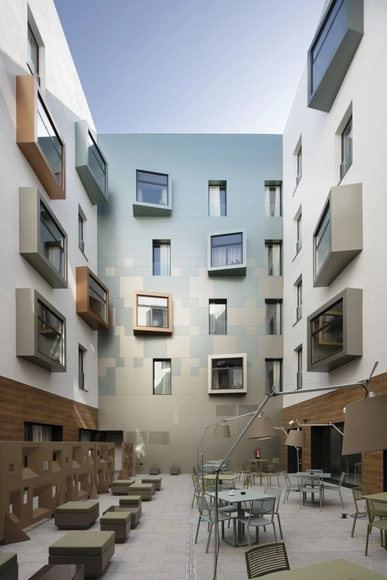
Doors and windows have undergone few changes since their original conception. They are elements designed to meet the basic human need for sunlight, air circulation in enclosed spaces, and ease of movement, all to ensure comfortable living. Consequently, their role in daily life is both constant and crucial. Although their primary function remains unchanged, doors and windows as architectural components continue to serve the role of separating spaces while allowing the entry of light, objects, and landscapes—largely maintaining their original structure. However, significant progress has been made in their manufacturing materials and the technical performance they offer.
In today's context, minimalism has emerged as a trend focused on simplifying down to the essentials, leaving its mark on contemporary architecture, including modern windows and doors. This streamlined approach, characterized by the elimination of elements unnecessary for proper functioning, has become prominent across various countries. In line with this trend, Strugal window and door systems have made significant strides in the construction of architectural elements through technological development in manufacturing processes and new product design. These advancements are reflected in various applications across facades and interior courtyards using sliding windows and doors.
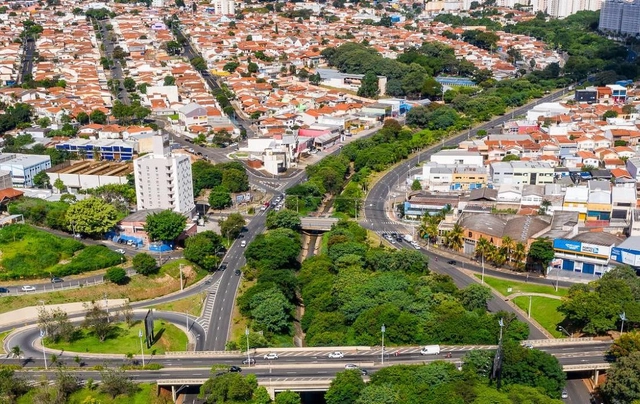
Campinas has revised its environmental plans, formalizing nature-based solutions (NBS) as a central component of the municipality's environmental policies, actions, and goals. Enacted by municipal decree, this revision strengthens the city's commitment to climate adaptation, resilience, and a long-term vision, while prioritizing sustainable, equitable, and inclusive urban development.
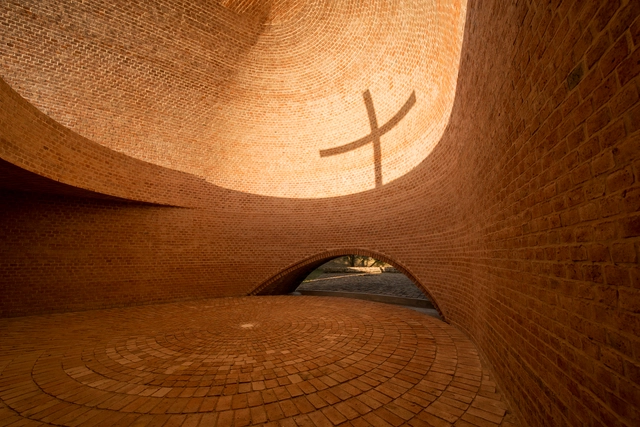
On two specific days of the year, June 21 and December 21, if you look up at the sky, you will notice that the sun seems to stand still at its northernmost or southernmost limit before completing its daily path and reversing direction. This impression of a stationary sun led to the event being named the "solstice," derived from the Latin words 'sol' and 'sistere', meaning to stand still. It occurs when the sun reaches its northernmost or southernmost diurnal arc relative to the Equator; thus, two solstices occur annually, marking the beginning of winter and summer in the respective hemispheres.
Historically, this moment has held immense significance for various cultures, marking holidays, rituals, festivals, and ceremonies that, in turn, are tied to religion, agriculture, and fertility. Recognizing the importance of these rituals for cultural heritage and ancient traditions, the UN established June 21 as the International Day of the Celebration of the Solstice to foster mutual respect between different cultures.
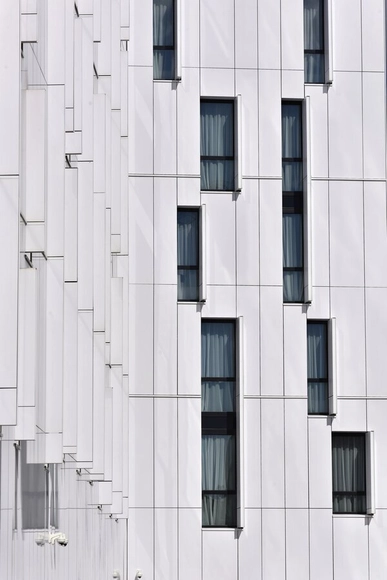
When it comes to facades, there are numerous options to consider to define both the appearance and the message a building seeks to convey. While glazed surfaces bring sophistication and evoke corporate environments, exposed concrete offers sobriety, and wood lends warmth, few materials are as versatile for facades as HPL (high-pressure laminate). With a wide range of dimensions, colors, and textures, these panels easily adapt to different architectural styles, opening up endless creative possibilities.

Architecture is a business. Whether architects openly admit it or not, running an architecture firm works just like any other company. Businesses—and their founders, leaders, and stakeholders—are influenced by real-world economic forces. You cannot make payroll on a love of the work.
In our current economic system, businesses must prioritize profitability to pay their employees a living wage, operate sustainably and ethically, and continue offering their services.
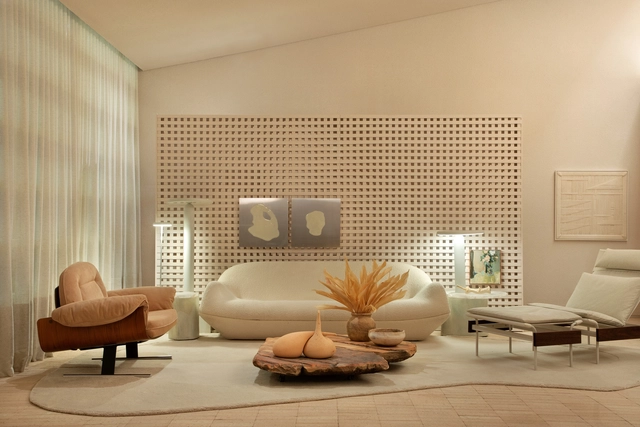
The sensitivity in selecting new firms and the focus on accessibility and sustainability alone place the latest editions of CASACOR among the architecture events that demand close attention. However, this year's theme, “Corpo & Morada” (Body & Home), goes a step further, showing how the event remains attuned to the profession's emerging and provocative themes.