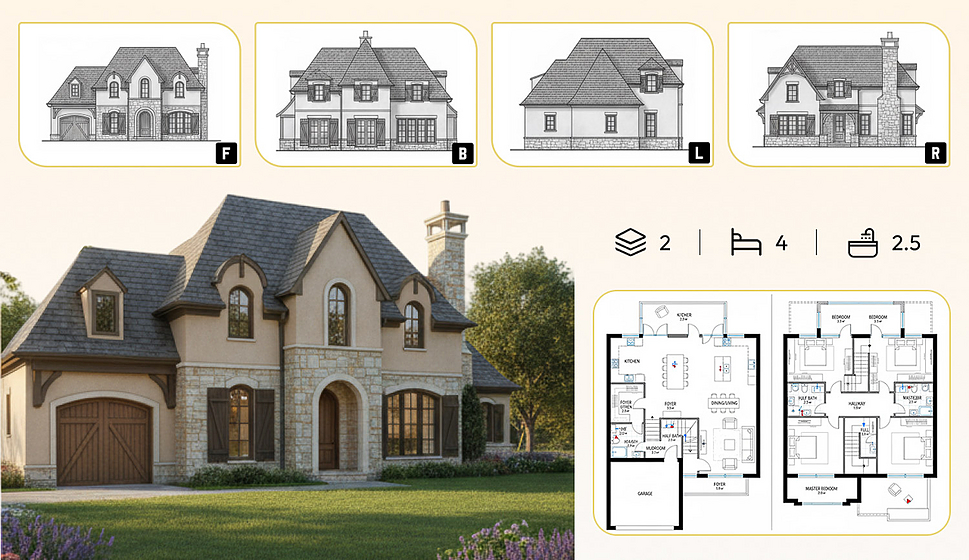
This guide covers a workflow that moves from project parameters to generated floor plans, 3D perspective views, exterior design exploration, and site context visualization, using AI tools in place of preliminary CAD and rendering work.
This guide covers a workflow that moves from project parameters to generated floor plans, 3D perspective views, exterior design exploration, and site context visualization, using AI tools in place of preliminary CAD and rendering work.
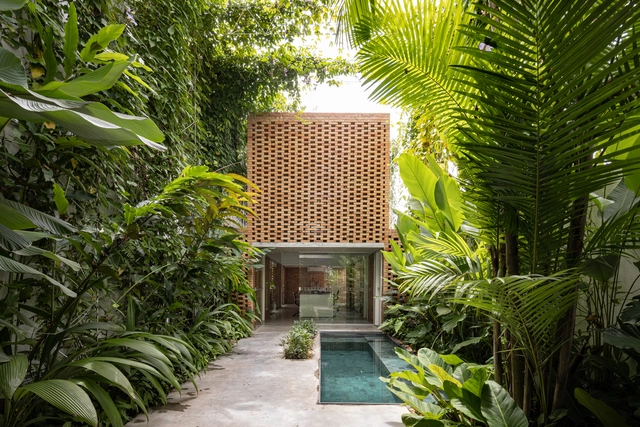
As 2022 draws to a close, it is time to look back at the most memorable moments of the past year. This time, we highlight the most-liked photographs on the ArchDaily Brasil Instagram account.
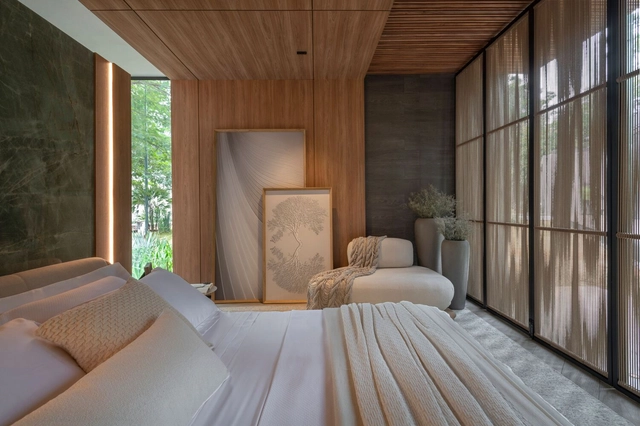
The bedroom is one of the most intimate spaces in a home. It is where we rest and escape our daily routines to recharge. Many view the bedroom as a sanctuary, a sacred space of intimacy and care. Beyond a comfortable bed, the room can be styled with elements that foster rest, leisure, and retreat.
While comfort is highly subjective, general design principles can help guide your decisions to create the best possible bedroom layout. Beyond large windows with breathtaking views, you can transform a bedroom simply by changing the layout and the type of bed, adding decorative or functional objects, or even incorporating other zones, such as a home office or a TV area. Below, we explore some ideas on how to transform and style your bedroom.
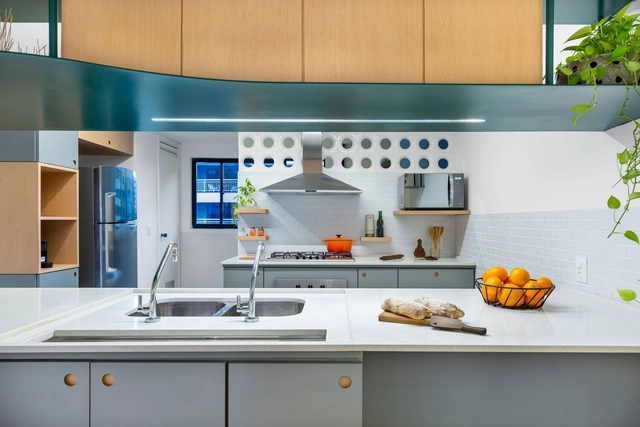
We are used to looking at architecture as large objects situated within the urban fabric or natural landscape, establishing new relationships with their surroundings. However, our daily lives also unfold inside these buildings as we enter, occupy, and interact with them. Consequently, we establish relationships with the built environment immediately around us. Architecture must therefore address the macro scale—such as climate and neighborhood context—while simultaneously attending to the micro scale of finishes, textures, and colors.
Numerous details shape the experience of a building's residents and users; when carefully explored, they elevate the quality of the project and stimulate the senses. These details can be structural, aesthetic, or functional.
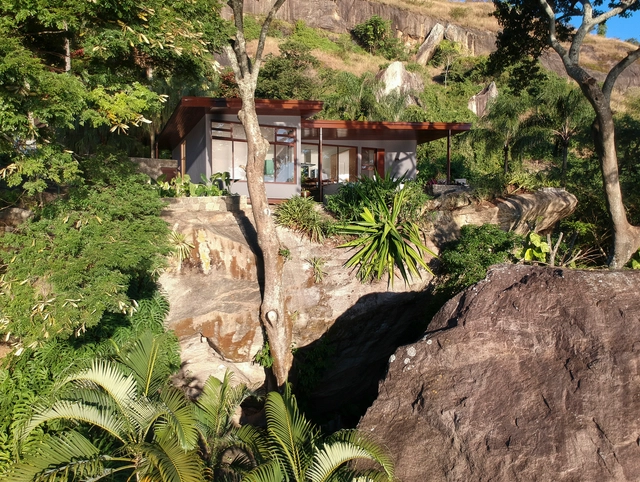
Italian architect Vittorio Gregotti frequently asserted that “creating the place” is the primordial architectural act, its very origin, since simply placing a stone on the ground already marks the beginning of the “modifications” that will transform a site into architecture. Driven by this urge for transformation, we see ideas materialize into relationships and concepts that often bring the genius loci to the fore through a phenomenological approach, establishing an intimate connection between architecture and context, redefining places, and reaffirming the human connection to the world.
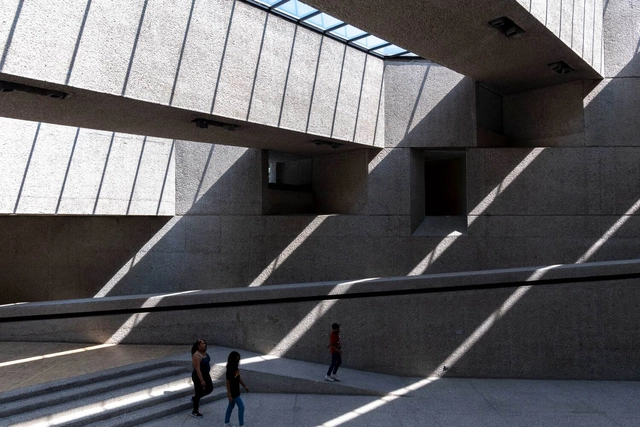
'Escenas de museos' is a photographic project that seeks to capture scenes that unfold naturally within the diverse museums of Mexico City, where the intersection of architecture, subject, and time projects both our reality and parallel worlds. The objective is to document, through a photographic series, a spontaneous and reflective look at the relationship between museum visitors and the museum itself, presenting it not merely as an architectural object, but as a space that catalyzes memories.
'Domingos Libro' is an outreach project presented by Carmelo Rodríguez of Enorme Studio, delving into forgotten architectural publications—books and magazines from the 1960s, 70s, and 80s that harbor the most fascinating backstories.
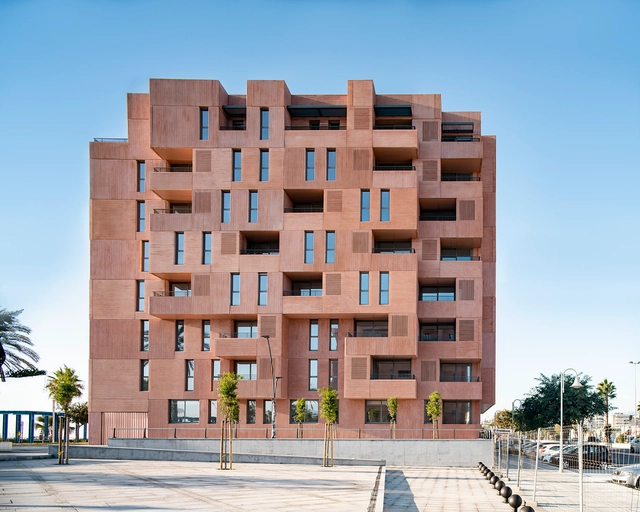
Known as building envelope surfaces that define and condition spaces, enclosures play a key role in architecture. In response to the need to ventilate, heat, and provide maximum comfort inside the home, enclosure systems have evolved in both composition and functionality. Along with closing and opening spaces, their primary function today is to act as a barrier between the interior and exterior, responding to climatic variations and providing thermal comfort to building occupants.
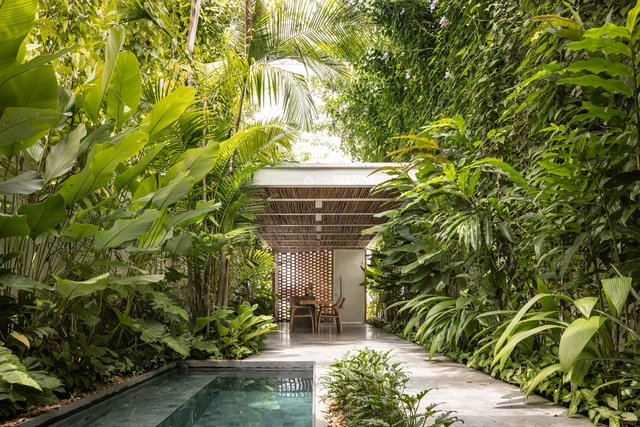
Creating a landscape that dialogues with architecture through natural elements that shape the space. Bringing together different textures, materials, and species. Harmonizing the rhythm of nature with that of construction. Many phrases could attempt to summarize landscape design, which, guided by its drawings, references, and concepts, is fundamental not only for enhancing the beauty of a place, but also its comfort and quality.

Iris Barrel is a designer born in Queens, the only child of a Russian mother and an American father who owned a mirror company. She studied art at the University of Wisconsin and began her career at WWD, a benchmark publication in the fashion industry.
In 1948, alongside her husband, Carl Apfel, she founded a successful textile brand that was even featured in the White House decor during the administrations of nine US presidents. Although they sold the company in 1992, the couple continued working for the brand for another 13 years—until 2005. Iris Apfel was fully retired from the interior design industry when, at 84, she was invited by Harold Koda—curator of the Met’s Costume Institute—to exhibit her collection of clothing and accessories.
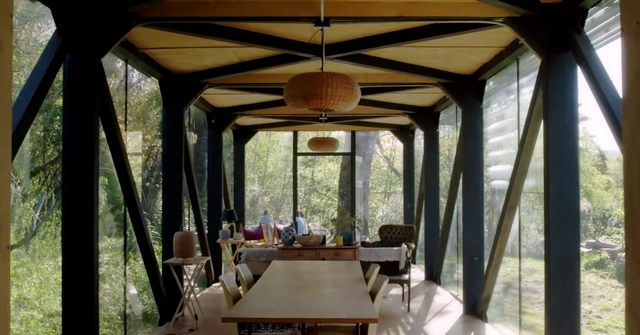
'Los Ríos Territorio Arquitectura' is a program that seeks to highlight the value of architecture in Chile's XIV Region, while bringing visibility to the work of the territory's architects through three short films featuring interviews with 15 professionals across 22 different locations.
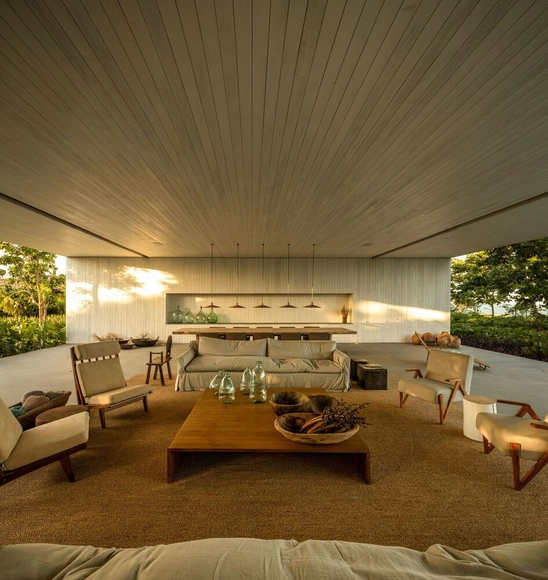
Furniture is essential to enhancing the quality of residential interiors. The choice of colors, textures, and materials applied to each design is crucial to a successful spatial composition. Whether through a curated selection of furniture or a standalone piece that takes center stage, each item helps shape the spaces and the circulation flow of a project.
I am a software engineer (commonly called a programmer). Creating software involves many different roles. Different companies have different roles and different names for them, but it typically involves software engineers, product managers, and UX (user experience) designers.
Each role has its own strengths and its own responsibilities. Product managers identify user needs and dictate what we should build. UX designers determine the look and feel of the product — the layout, different screens, copy, images, branding, etc. Software engineers handle the actual implementation: they solve the technical problems required to build the product.
The architecture, engineering, construction, and operations (AECO) sector plays a highly significant role in global energy consumption and CO2 emissions, accounting for approximately 40% of the total. In Brazil, buildings (residential, commercial, and public) consume roughly 50% of all supplied electricity, while the cement, metal, and ceramic industries account for about 10% of the country's final energy consumption. Compounding this, the country faces a severe housing deficit of over 6 million homes, alongside a well-documented infrastructure deficit that must be addressed in the coming years.
For architects and urban planners, perhaps the most difficult part of the city development process is dealing with the political strategies used in issues that, to us, should be purely a matter of urban planning. In the past, we imagined that cities were created and transformed solely through the architect's design, even though we knew that multiple forces have always been at play. In the case of Inhoaíba, located in the West Zone of Rio de Janeiro, the forces beyond architects and urban planners are, unfortunately, far more present than we would like, which has prompted me to write this piece.
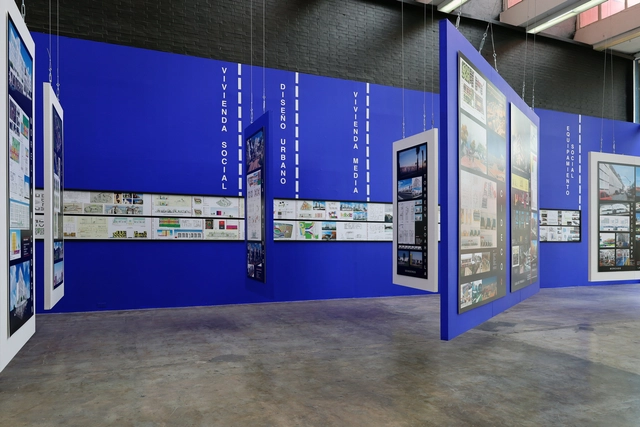
On Wednesday, January 18, 2023, at 7:00 PM, the exhibition "Sara Topelson: Architecture and Life in Diversity" opened at the María Luisa Dehesa Gómez Farías Gallery of the Faculty of Architecture of the National Autonomous University of Mexico (UNAM). The event marked the culmination of the 2022 Federico E. Mariscal Extraordinary Chair, which celebrates the outstanding career of architect Sara Topelson.
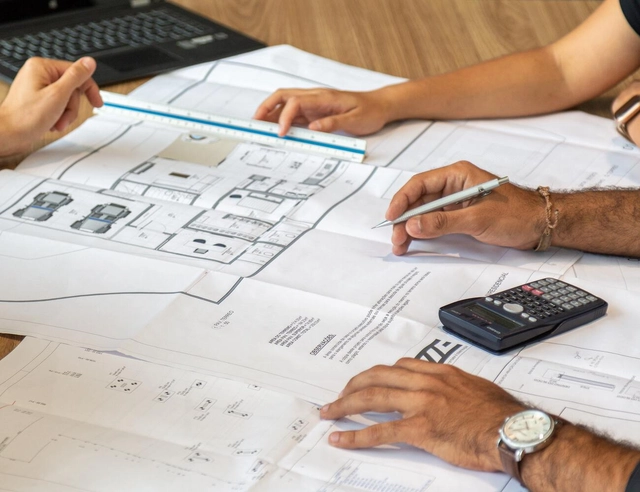
Within the scope of construction, a budget is a technical planning tool that forecasts project expenses, combining materials, labor, monthly overhead, and indirect costs. Nevertheless, many risk starting a build without a detailed budget, often falling into the traps of an unplanned project—which is invariably more expensive and time-consuming than anticipated.
In civil construction, a budget is a document that outlines all the services to be executed during the project, totaling the necessary materials and required labor. In addition, the budget can factor in fixed monthly operational costs, such as utilities, or include an extra percentage for contingencies.
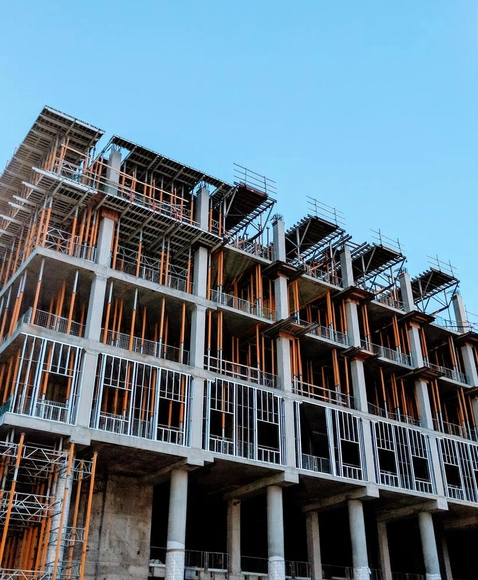
Structural design is predicated on ensuring the stability of a proposed building based on the chosen materials and construction techniques. To do so, calculations must account for different types of loads, such as the self-weight of the materials, the building's use, and its occupancy patterns, which are classified as either variable or permanent.

Marta Elena Campos Newman is one of the first female architects to graduate from the school of architecture at the Universidad Iberoamericana in Mexico City. From early in her career, she specialized in interior architecture, building a professional legacy that continues to bear fruit today. Furthermore, throughout her career she has collaborated with Mexico's most prominent architecture firms of the second half of the 20th century, while her work as a professor at UNAM's Faculty of Architecture has allowed her to shape entire generations of architecture professionals.

The built environment has historically served humans as a mechanism of environmental control. Through our intellectual capacities and ability to organize, we have used buildings to actively influence and terraform the immediate context in which they are inserted, often treating geography, water, and ecosystems as resources to be extracted and managed. However, more and more, architecture is transitioning from exploiting physical and biological matter to actively collaborating with it. This shift demands that architects explore how buildings and their materials grow, transform, decay, and persist beyond human timelines. This thinking also serves as a starting point for the profession to reflect on how it influences the natural world, as well as the non-human species around it, creating networks and connections between humans, buildings, living organisms, and natural environments.
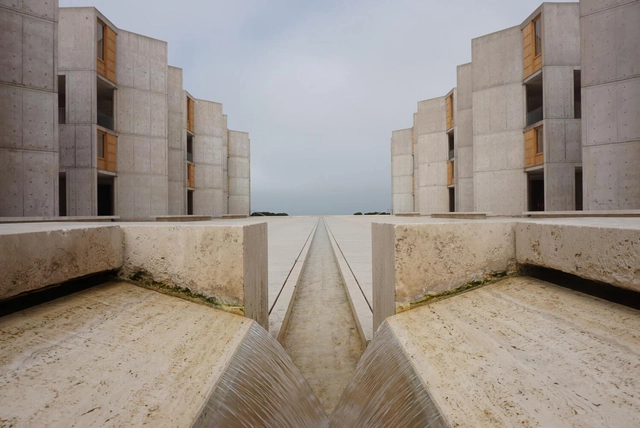
Some buildings have stood the test of time. After centuries or even millennia, they remain structurally sound, revered as living testaments to history and human innovation. Some are still in use today, many lifetimes after their original designers passed away.
These buildings, whether by design or accident, were built to last—a concept that is increasingly relevant today. Building construction and operations account for a concerning share of carbon dioxide emissions. The embodied carbon resulting from building material production and construction makes up about 11% of all global carbon emissions. According to a new book on long-life buildings, designing structures to stand much longer—and to survive the various twists and turns that come with an extended lifespan—is a new imperative for architects.

When monitoring the outcomes of a newly built plaza in Porto Alegre, one data point stood out: after playing children, the main users of the space were women caring for them. Set in a vulnerable area of the city, this situation highlights an activity often ignored by urban planning: caregiving.
The monitoring project in Loteamento Santa Terezinha aimed to assess the profile of the users, their perception of the space and its amenities (recently upgraded by several organizations), and the surrounding school routes. Conducted by WRI Brasil in partnership with the Volkswagen Group Foundation, the study showed that children represent 89% of the plaza's users, and that adult women frequent the plaza 4.5 times more than men—usually accompanying the children.

Much has happened since countries met in Paris in 2015 and established an agreement to combat climate change. To date, more than 196 countries have ratified or otherwise joined the Paris Climate Agreement, representing more than 96% of global greenhouse gas emissions. Alongside this, 57 countries—including the United States, Japan, Canada, Germany, and Mexico—have also developed long-term plans to decarbonize their economies.
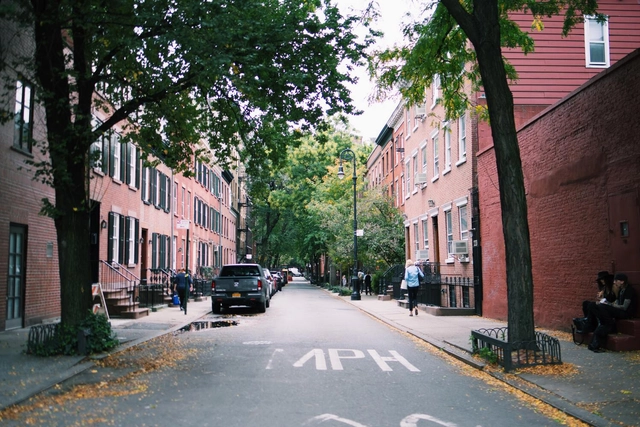
A recent article by law professor Richard Schragger invokes the book The Death and Life of Great American Cities, by Jane Jacobs, in defense of zoning. Schragger writes that, according to Jacobs, city neighborhoods flourish due to the “diversity of land uses in space” and zoning must protect these neighborhoods' qualities through “zoning for diversity,” which requires “limiting development, controlling density, and preserving historic structures.”
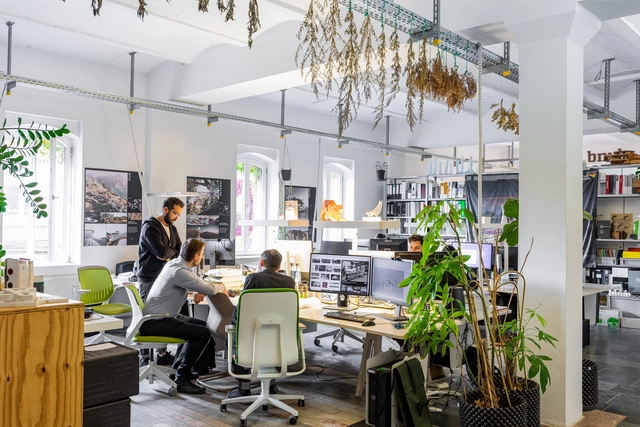
In the past, people mapped out their careers in a highly linear fashion. You planned to study architecture, went to university, secured a job at a prominent firm, and, over several years, worked your way up to partner.
Yet things do not always go as planned. Perhaps you graduated with an architecture degree but could not secure the salary you envisioned. Or perhaps you join a major firm only to be laid off after a year or two due to declining profits and rising overhead. You might even become an architect, only to realize a few years later that it is not your passion. What then? This is where non-linear careers come into play.