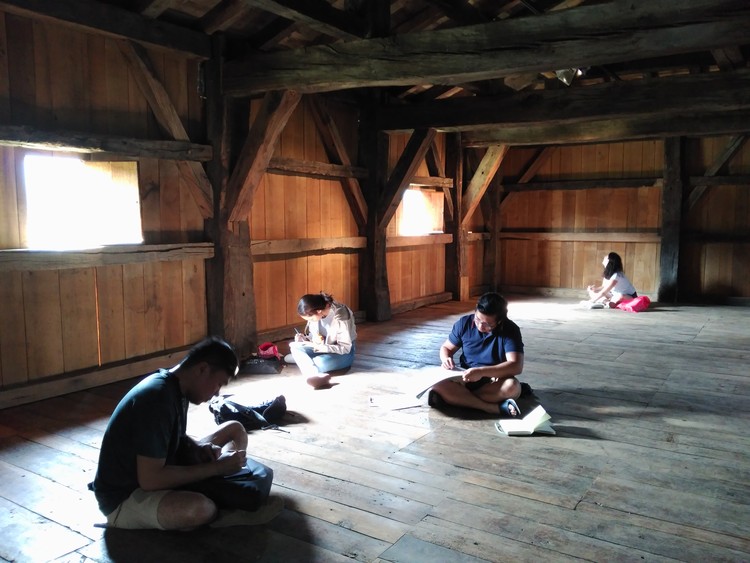
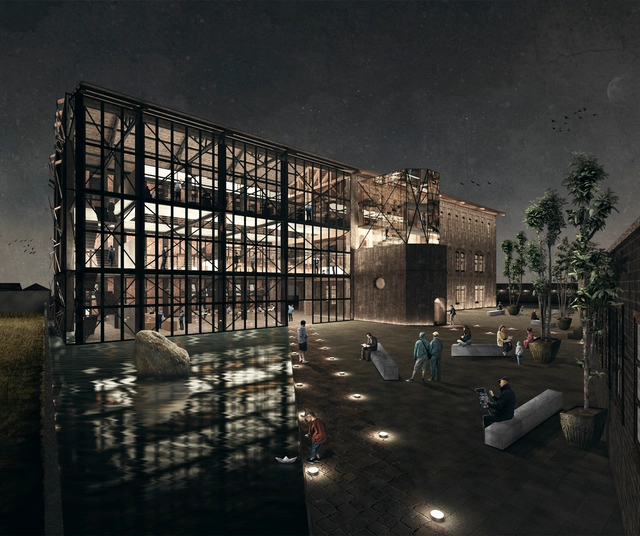
Bogotá is well-known for its diverse public markets, which not only host the sale of meat, grains, fruits, and vegetables, but also serve as spatial representations of Colombian culture.
These traditional establishments have grown alongside the city's population, undergoing significant spatial transformations over time. For locals, they remain the essential place for grocery shopping, while for tourists, they are major attractions offering a sensory exploration of Colombia's diverse flavors, aromas, and textures.
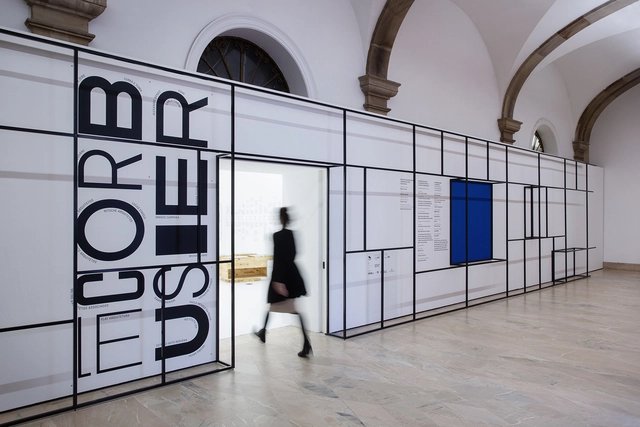
Opened last Saturday (16) at the Museu da Casa Brasileira in São Paulo, the exhibition “Experimenting Le Corbusier – Contemporary interpretations of modernism”—curated by Pierre Colnet and Hadrien Lelong of design publisher Cremme, with exhibition design by the São Paulo-based office MNMA Studio—seeks to foster a reflection on the implications of the Franco-Swiss architect's work for the architectural, urban, ideological, and social development of Brazilian modernism.
Featuring 20 guest artists—architects, designers, and visual artists—who developed various works and research based on the canons of the architect's work, the exhibition seeks to operate through the “transdisciplinarity of art,” as noted by Mariana Schmidt, the partner-architect responsible for the exhibition design.
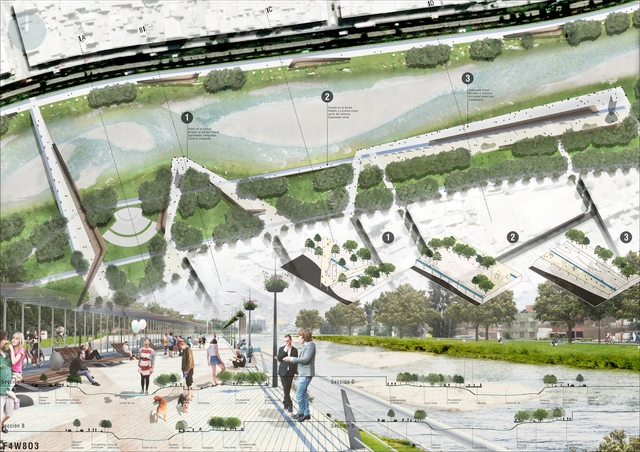
The city of Lima and the Rímac River seem to be at odds, despite the river crossing (and nourishing) the city from east to west. This is why we highlight the word “friendship” as an added value for addressing this issue: a way of understanding this relationship with the solidity and integration it deserves. This is the premise of the project presented here, which we have retrieved from our archives to bring to light. As summer begins and the El Niño phenomenon approaches, bringing inevitable rising water levels to the Rímac, it is impossible not to recall the mudslides (huaycos) that caused disaster a year ago. Little to nothing has been done to address this disconnect between the city and the river; thus, let us take a fresh look.
Most architects tend to begin explaining their projects by pointing to the entrance. "You enter here," they usually say. As if nothing had happened or existed before entering. As if the user's life, or that of the building itself, began at that very threshold which many assume separates the exterior from the interior. A strange conception of time.
Enric Miralles made an interesting observation regarding this: it is not about entering, but about accessing—something that will also be marginalized later. We must assume that in architecture, accessing means "to enter a place or pass into it," as the dictionary explains. Yet we also find other, more compelling interpretations, such as "to gain access to a superior situation, condition, or degree; to attain it," which imbue the act of accessing with meaning and time.
Casa Huechuraba. Image Cortesía de Encargos Comunes
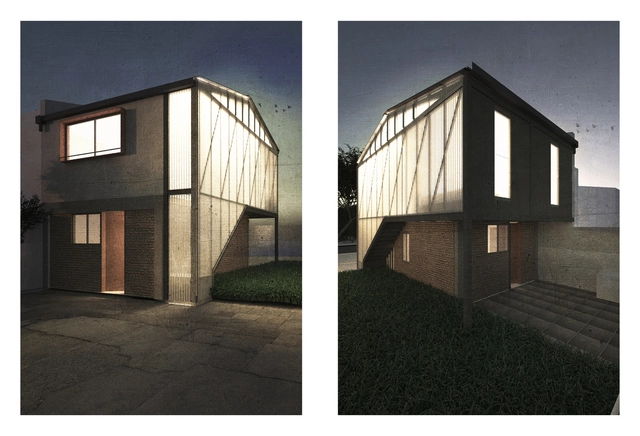
The Chilean firm TALLER25 has launched the first edition of the des_VINCULADOS workshop in Santiago. This project-based academic initiative addresses an emerging theme in Chilean practice: middle-class architecture. To this end, students were assigned a specific design intervention—extension, renovation, or new construction—and a budget estimated by the original clients: five middle-class families living in Santiago's inner ring and periphery.
"Currently, projects built for the vast majority of the country's population tend to be the result of architectural practice treated as a mere commercial service, rather than an opportunity to contribute to the discipline, improve the users' quality of life, or build a more equitable context," explain Fabiola González, Yair Estay, and Jessica Torres, the organizers of the workshop, which is part of the Encargos Comunes academic research project.
In partnership with the Department of Architecture of the Faculty of Architecture and Urbanism at the University of Chile, and with ArchDaily as a media partner, the first edition of the workshop involved 43 students from across Santiago. They developed the following proposals after a series of sessions that included a panel discussion and five thematic sessions: practice, regulations, budget and construction, and market.
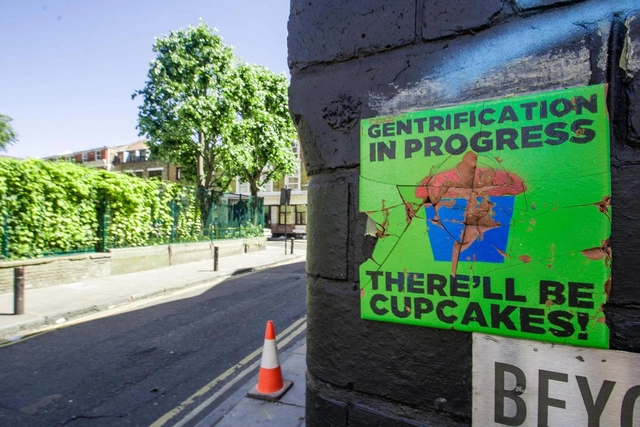
Gentrification is not only a timely topic, but a widespread concern. Today, it might make more sense to speak of touristification, or perhaps the phenomenon itself has evolved. Nevertheless, the term gentrification can broadly encompass all these concepts related to the displacement of a neighborhood's "original" inhabitants, who are replaced by residents with higher purchasing power or by vacation rentals.
This is an issue that interests people from all walks of life, not just professionals in urban planning or architecture. It draws the attention of citizens who, like myself, set out to find explanations or try to gather clues about what the future may hold under this trend.
From my perspective as an engineer—but above all as a Madrid resident—I decided to research the data published by the City Council on the city's commercial premises to see if it was possible to draw any conclusions on the matter. The purpose of this study was purely exploratory, conducted without any external commission. I had no preconceived hypothesis or goal beyond identifying certain neighborhoods as gentrified; the analysis simply grew from there, keeping all possibilities open.
https://www.archdaily.com/1114102/how-gentrified-is-your-neighborhood-luis-nadal-explores-the-case-of-madridLuis Nadal
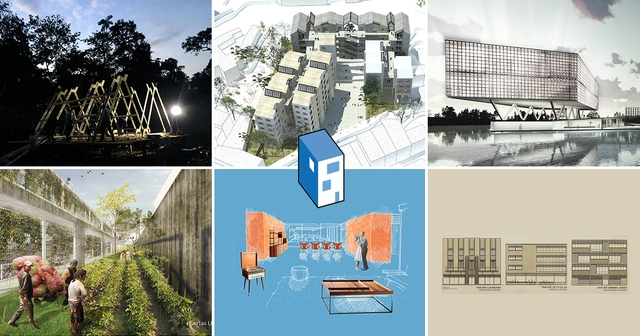
In September, we launched the third edition of our open call in Colombia, inviting architects to submit their graduation thesis projects (as final degree projects are known there). In this edition, the call received 94 submissions from more than 10 cities and 22 universities across the country, representing a 34% increase in proposals compared to 2017.
Following a thorough evaluation, six graduation theses were selected as winners by our editorial jury (Fabián Dejtiar, Mónica Arellano, José Tomás Franco and Nicolás Valencia). Built works, historical research, and master plans make up our selection: from a rural residential prototype to a comprehensive study of the Edificio de Renta (rental building), a popular residential format in Bogotá between the 1940s and 1970s.
Additionally, for the first time we included a high-level external jury tasked with selecting the Grand Winner2018. The jury comprised Lina Toro (Madrid), Carlos Cano (OPUS, Medellín), and Jorge Noreña (Ruta 4, Pereira). "While architecture requires rigor, dedication, and communication skills, it also demands strengthening connections with urbanism and landscape, as well as with professions that make transformative ideas viable," Cano commented during the jury's evaluation.
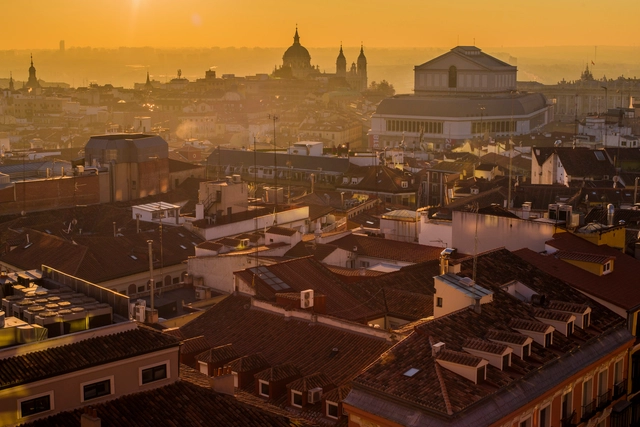
According to the Madrid City Council, the proportion of homes dedicated to tourist use in the Spanish capital is 0.54%. However, this figure rises to 6% in the Centro district, meaning that 23 times more tourists overnight in this area than in Madrid's other 20 districts combined.
To address this, last January the Governing Board of the City of Madrid approved the drafting of a Special Plan for the Regulation of Tourism in the City of Madrid (PEOTMad), alongside a one-year moratorium on licensing for all forms of tourist accommodation in properties currently used as residential housing across all neighborhoods in the Centro district.
https://www.archdaily.com/1114094/madrid-seeks-to-prevent-its-touristification-with-a-plan-that-will-eliminate-95-percent-of-tourist-apartmentsJavier García Librero
Prompted by the invitation of the upcoming OH! Stgo 2018—taking place this September 8 and 9—architect Sebastián Gray uses striking data to launch a reflection on the challenges facing contemporary Santiago. For this edition, various figures were called upon to think about the city currently being built, the role that individuals and communities assume in this construction, the major urban issues of the past year, and the challenges projected for the future.
The video captures conversations that reflect the life and dynamics of our cities today. Other participants include architect Jorge Lobos, who addresses current migration processes and how they shape the urban landscape; journalist Soledad Onetto, who highlights the high costs affecting residents; and Paola Jirón, who delves into mobility systems, among others.
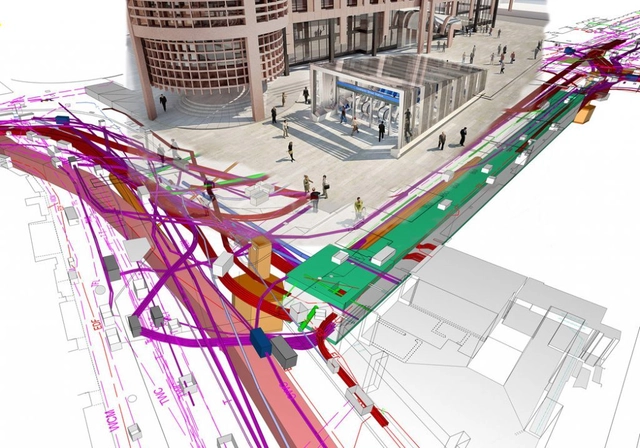
Architecture and urban planning is a field that constantly evolves in tandem with technological advancements. This is true for heavy machinery used in construction, building materials, and design tools alike. Today, this evolution is closely tied to BIM technology.
BIM stands for Building Information Modeling. It is a workflow that gathers, through digital tools, all information regarding the construction of a building.
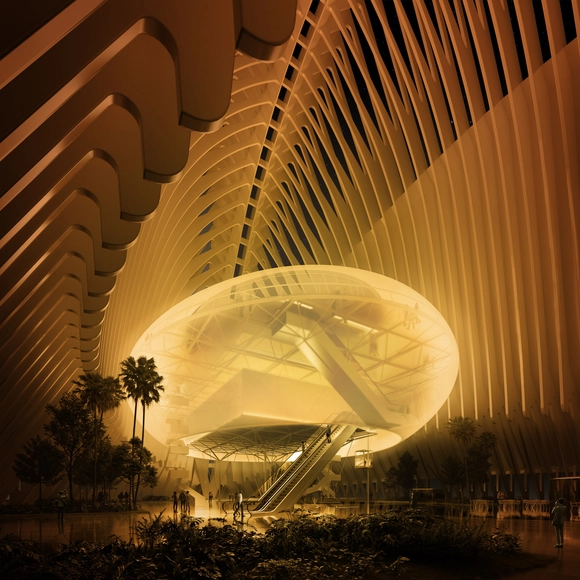
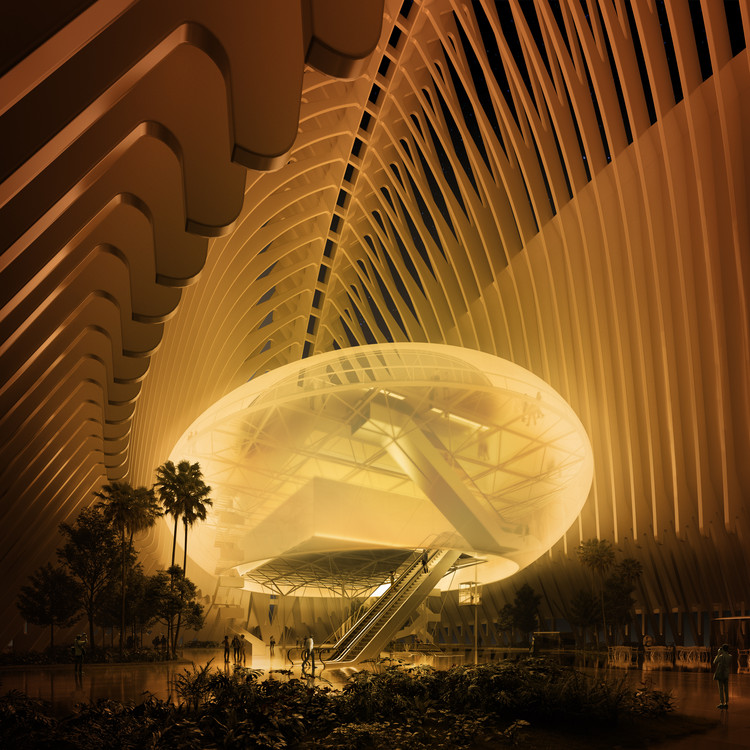
A few days ago, the “la Caixa” Banking Foundation presented the design for CaixaForum Valencia, a project led by Enric Ruiz-Geli and his studio Cloud 9. The foundation's ninth cultural venue in Spain will be located inside the Ágora in the City of Arts and Sciences, designed by Santiago Calatrava.
CaixaForum Valencia will have an area of 6,500 square meters, housing two exhibition halls, a 300-seat auditorium, two multipurpose classrooms, a bar-restaurant, a bookstore, and a family and educational space called CaixaForum Familia, as well as reception areas, offices, storage, and technical zones.
On this occasion, we present the proposal by MIAS Architects, a firm led by Josep Miàs and one of the nine offices invited by the foundation to participate in the competition. “The new CaixaForum [must] actively engage with the Ágora building, establishing a relationship that is not only volumetric but also perceptual,” the architects explain.
RDP House and El Carrizal House. Daniel Moreno + Sebastián Calero. Image
Architect Rafael Pina Lupiáñez, writing for the ARKRIT Collective, reflects on the single-family house as an experimental manifesto of the modern architect—a space where the designer's theories, trends, and concerns materialize through a close, collaborative relationship with the client. By comparing two houses built in Quito, Ecuador, by architects Daniel Moreno and Sebastián Calero, this article illustrates how housing can serve as the perfect stage to unify design experience, client participation, environmental awareness, the reuse of waste materials, and other contemporary ethical approaches.
Vista de un espacio colectivo en la actualidad. Image Cortesía de Ninoska Nazor
Here, the ARKRIT Collective presents three hypotheses that stabilize and support the potential liberal logic behind the Quinta Monroy project by the firm ELEMENTAL, in light of the current reality of this social housing complex fifteen years after its construction—a reality that begs the question: did this project succeed in addressing inequality in Chile?
https://www.archdaily.com/1113963/inequality-is-elemental-ideological-conjectures-for-a-critique-of-quinta-monroyFabián B. Di Giammarino
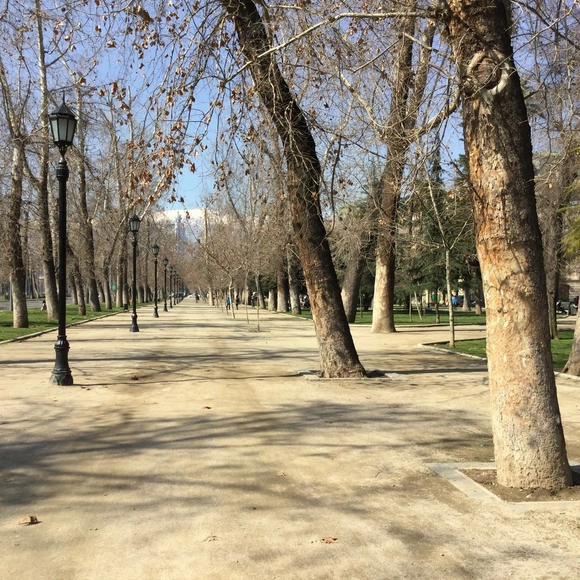
Paseo de Plátanos Orientales. Image Cortesía de Cynthia Marimán Ramos - Roberto Astete
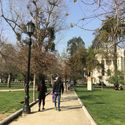
Established in 1900 following a 19-hectare afforestation effort spearheaded by the Ministry of Public Works and the Intendency of Santiago, Parque Forestal is located on the northern edge of the city's historic center, making it one of Santiago's first linear parks.
Designed by French landscape architect George Dubois, the project revitalized the surrounding urban edges, successfully integrating the Mapocho River and its previously chaotic banks, while providing the city with a new green lung for urban recreation.
Opened in August 2017 and setting attendance records, Sesc 24 de Maio—the second-to-last branch of the network to open, succeeded by Sesc Avenida Paulista—was designed by Paulo Mendes da Rocha in partnership with the office MMBB Arquitetos, who retrofitted a former department store, remodeling its interior spaces within the existing structure and creating a new central structure to support the rooftop swimming pool.
From the Fundación Arquia Blog, architect Raúl García García invites us to explore the creative process of Álvaro Siza—one of the leading figures of 20th and early 21st-century architecture—through his sketches.
https://www.archdaily.com/1113968/alvaro-siza-the-draftsman-of-dreamsRaúl García García
As the annual graduation season arrives worldwide, we recognize that among the various ways to learn architecture, nothing is more direct than a hands-on design-build project. It offers a firsthand look at how different materials form structures, how those structures respond to compression and tension, and how the process of construction shapes the final outcome. In recent years, architecture schools have increasingly embraced opportunities for students to build, producing work that ranges from small-scale temporary interventions and pavilions to permanent structures, each with its own unique character.
To demonstrate that exceptional architecture can emerge from an educational environment, ArchDaily has issued an open call for student work for four consecutive years, inviting submissions of student-built projects completed over the past year. ArchDaily’s four localized platforms—English, Chinese, Spanish, and Portuguese—are now accepting submissions for our fourth annual selection of the "Best Student Design-Build Projects," which will be featured and shared with our global audience.
https://www.archdaily.com/1113969/global-call-outstanding-student-build-projectsJoanna Wong
Following the election, the new government has already begun to announce several changes to its ministries. Among these is the elimination of the Ministry of Cities. In an effort to prompt discussion and prevent this dissolution, a petition has been organized and can be signed here.
Fotografia de Gustavo Neves da Rocha Filho (1954). Image Cortesia de IAB - SP
The IAB played a key initial role in consolidating the profession of architects and urban planners as an autonomous activity from engineering back in the 1940s and 1950s. It was organized as a representative institution, a voluntary association of architects, and a platform for the field's public policies. This applied both to guiding legitimate practices concerning the built environment, the landscape, and the city, and to educating both architects and society about an activity so fundamental to citizenship. Action across these diverse areas began with support for the regulation of architecture as a profession in Brazil (the creation of Crea/Confea in 1933), followed by the organization of the 1945 congress, and, in the case of São Paulo, support for the founding of the Faculty of Architecture and Urban Planning of the University of São Paulo (FAUUSP) in 1948.
Pontificia Universidad Católica de Chile [Flickr]: Lo Contador, CC BY-SA 2.0. ImageFaculty of Architecture, Design and Urban Studies of the Pontificia Universidad Católica de Chile
América Economía magazine has published its most recent ranking of Chilean universities, just a few months ahead of the upcoming 2019 higher education admission process. In addition to the general evaluation—in which the Universidad de Chile remains in first place for the fourth consecutive year—the publication features the specific ranking of the 16 "most in-demand or highly regarded and prestigious" programs in Chile, including Architecture.
With our commitment to providing the most comprehensive information for university applicants, in this article we share the ranking of the best universities to study Architecture in Chile. This list includes technical data on average admission scores, faculty specialization levels, annual tuition costs and variations, and first-year post-graduation employability rates, among other key metrics.
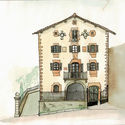
Dibujo en Torre de Donamaría. Image Cortesía de Premio Rafael Manzano
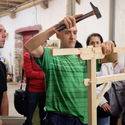
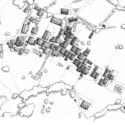
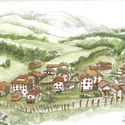
Organized by INTBAU and the Rafael Manzano Prize for New Traditional Architecture, the most recent edition of the Summer School of Traditional Architecture focused its work on the Baztan Valley (Navarre, Spain). The program studied traditional construction, architecture, and urban planning to produce a manual for conservation and new traditional construction in the area. In addition, hand drawing and building surveys were the primary activities carried out by the participating students.
Although the scope of work extended to the entire Baztan Valley, the bulk of the study was carried out in Amaiur, the town that hosted the group during those two weeks. Articulated around the branch of the Camino de Santiago that passes through it, the town's urban layout is structured almost as a linear development. Along this axis, the richness, diversity, and versatility of its architectural tradition unfold, presenting a showcase of solutions from different eras that have adapted to multiple trends and functions without ever losing their essence. Accordingly, the study examined the architecture of the town center in its entirety, from fine details to the broader urban structure.
After analyzing 94 projects by undergraduate students from 20 architecture schools across 8 regions in Chile, the jury of the 2018 Arquitectura Caliente Competition has announced the winning projects of its latest edition.
These projects span the entire country and encompass diverse typologies, ranging from urban planning to student housing, as well as landscape designs and structural emergency initiatives.
Below, we present the award-winning third-year projects:
ARCA / Belén Salvatierra. Image Cortesía de Arquitectura Caliente
After reviewing 94 undergraduate student projects from 20 architecture schools across 8 regions of Chile, the jury of the Concurso Arquitectura Caliente 2018 has announced the winning projects of its latest edition.
The submissions span the entire country and cover diverse typologies, ranging from urban planning and student housing to landscape designs and structural emergency initiatives.
Below, we present the award-winning second-year projects:
Porcelain tile is a ceramic material composed of clay and other rock minerals, characterized by negligible water absorption. In other words, a ceramic material can be classified as porcelain tile if its water absorption rate is below 0.5%. Manufactured from a finely atomized mixture of clays, feldspars, feldspathic sands, and sometimes kaolin, phyllites, and coloring additives, porcelain tile can be installed on interior and exterior surfaces, including floors, walls, facades, and, in some cases, ceilings.
Its high resistance to wear and breakage, minimal maintenance, and vast diversity of finishes, colors, and formats make it an excellent material for use throughout almost an entire architectural project, from furniture to exterior cladding. Below, find everything you need to know to incorporate porcelain tile into your designs, based on the comprehensive information shared by CHC.




_(2).jpg?1527044734&format=webp&width=640&height=580)






_(1).jpg?1539273048&format=webp&width=640&height=580)