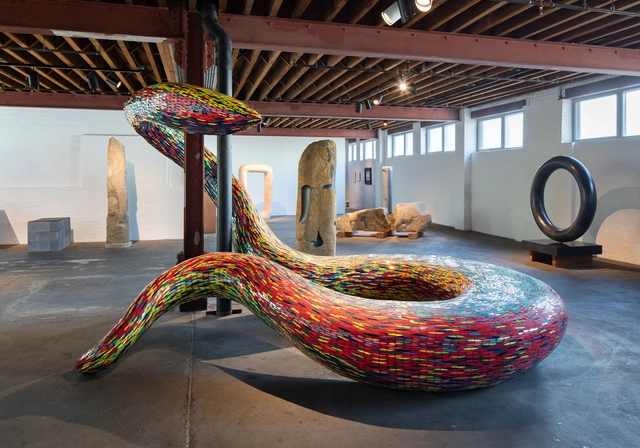
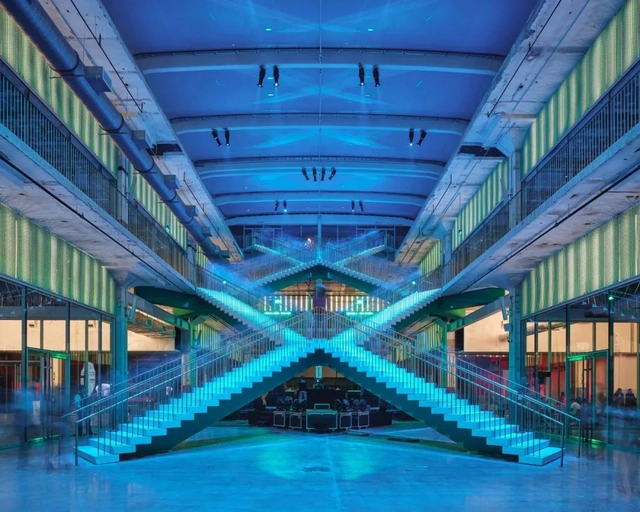
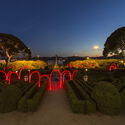
Celebrating its 35th anniversary, this edition of CasaCor brings together projects by 68 renowned professionals spread across more than 10,000 square meters inside a landmark of São Paulo modernism, the Conjunto Nacional. Under the theme “Particular Infinite,” this year's exhibition focuses on the accumulation of time, on the stories already told and those we tell about ourselves. In this universe of ways of inhabiting the world, and of the traces we leave around us—from finger marks on the walls to the dust we carry on the soles of our shoes—we are always searching for something that is ours alone, inexhaustibly our own.
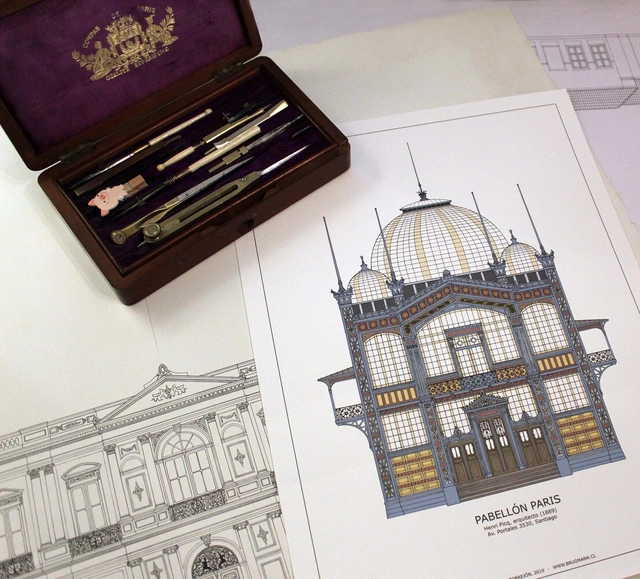
Patrimonio Ilustrado is a Chilean digital and analog project created by Mario Rojas Torrejón (holding a degree in Cultural Heritage Conservation and serving as Director of the Cultural Heritage Corporation of Chile) alongside Fernando Imas of Estudio Brugmann (a practice dedicated to the research, conservation, documentation, and dissemination of Chilean heritage). Within this framework, Rojas developed this subtle, precise illustration project that recalls traditional architectural drawing techniques to highlight the facades of prominent architectural works in Chile.
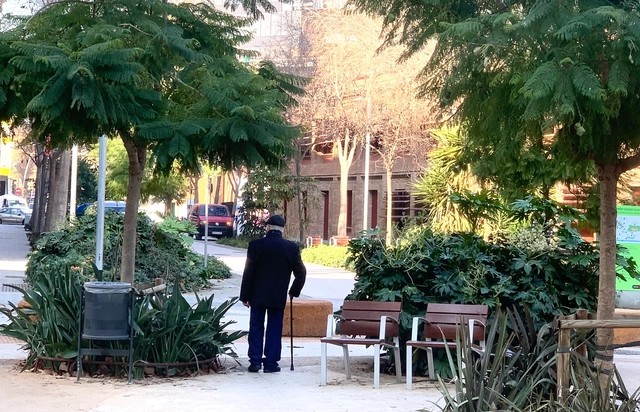
CityMakers is working with ArchDaily to publish a series of articles, conversations, and interviews with the various actors in urban co-production behind the CityMakers Barcelona Lab 2022, an event taking place from November 14 to 18. For this edition, Víctor Torres, an architect with a Master's in Territorial Planning and Environmental Management from the University of Barcelona, presents his article "Renaturalizing the City from the Smallest Scale: The Neighborhood."
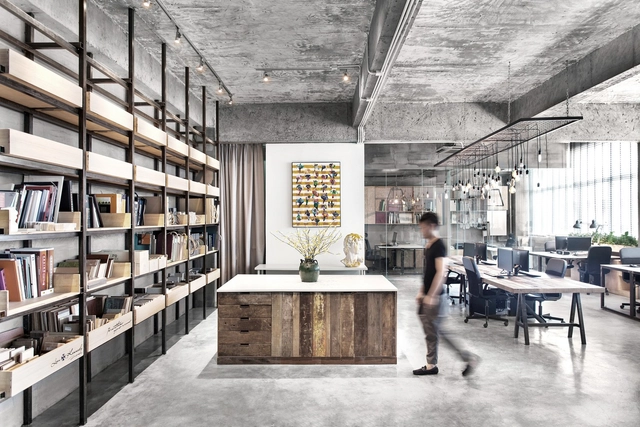
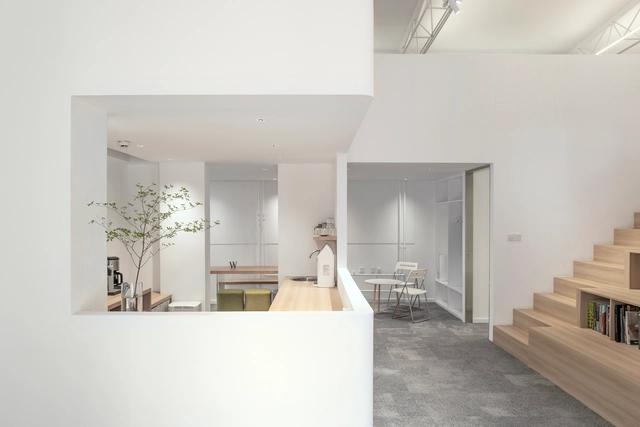
SUPERTOMATO is a service-oriented company specializing in workplace design. With a client-centric approach, we deliver forward-looking, sustainable, and highly effective workspace solutions.
By constantly exploring how people work, SUPERTOMATO aims to design office environments that embody corporate brand culture. We believe such workspaces not only inspire and enhance productivity but also foster physical and mental well-being.
SUPERTOMATO helps clients optimize their workspace investments, delivering value through strategic design that seamlessly integrates aesthetics and functionality.
Beyond participating in the design of the Xiong'an Citizen Service Center—a national-level project in China—our team has built a diverse portfolio of active projects spanning Hong Kong, the United States, and India.
SUPERTOMATO constantly finds new momentum through self-reflection:
In these unprecedented times, uncertainty about the future runs deep. The Covid-19 pandemic is not over, the effects of climate change are already being felt everywhere, and many around the world continue to suffer from inequality. And this is just the big picture, to say nothing of how these issues interconnect. In a rapidly changing world, with stories emerging and evolving daily, which ones will have the greatest impact on people and the planet?
https://www.archdaily.com/1132642/from-discourse-to-action-6-sustainability-themes-to-watch-around-the-world-in-2022Sadof Alexander
On October 19, the exhibition 'In Praise of Caves: Organic Architecture Projects from Mexico by Carlos Lazo, Mathias Goeritz, Juan O'Gorman, and Javier Senosiain' opened in New York, spanning multiple first-floor galleries at the Noguchi Museum. This space—conceived by the Isamu Noguchi Foundation and Garden Museum, which was founded in 1985 by the category-defying artist Isamu Noguchi—brings together a selection of projects by these four artist-architects. The works explore the adaptation of natural structures to modern life, the practical and environmental benefits of subterranean living, and how humanity might reconnect with the essential joy of living in harmony with nature.
Equipo Pilares, puntales y vigas. Image Cortesía de Colegio de Arquitectos del Perú - Regional Lima
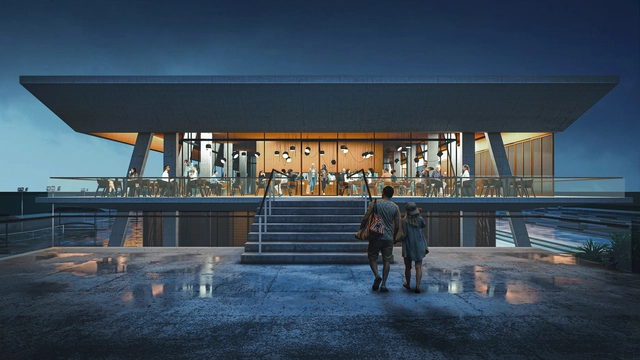
The awards ceremony for the Preliminary Design Competition for the expansion of the Country Club Villa – Chorrillos branch in Lima has taken place. The Lima Region of the Peruvian Association of Architects was invited by the institution to organize the competition, the first to be held following the guidelines of the National Competition Regulations. With 489 registered proposals, 48 formal submissions, 3 finalists, and 2 honorable mentions, the competition sought to provide the institution with design proposals for its new gym, restaurant, and service areas, in line with the club's requirements and high standards of architectural quality.
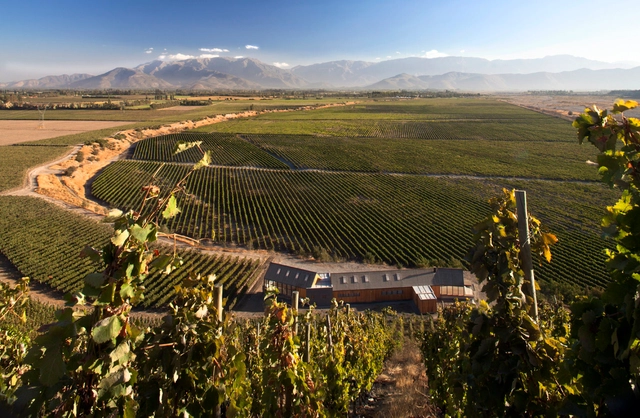
Chilean valleys and their development around winemaking are a cultural heritage that currently lacks recognition, according to Pablo Lacoste, the historian leading the initiative to highlight the heritage dimension of Chile's vineyards and designate them as a UNESCO World Heritage Site.
“Domingos Libro” is presented by Carmelo of Enorme Studio, where he delves into forgotten architectural publications, books, and architectural magazines from the 60s, 70s, and 80s, which harbor the most fascinating backstories.
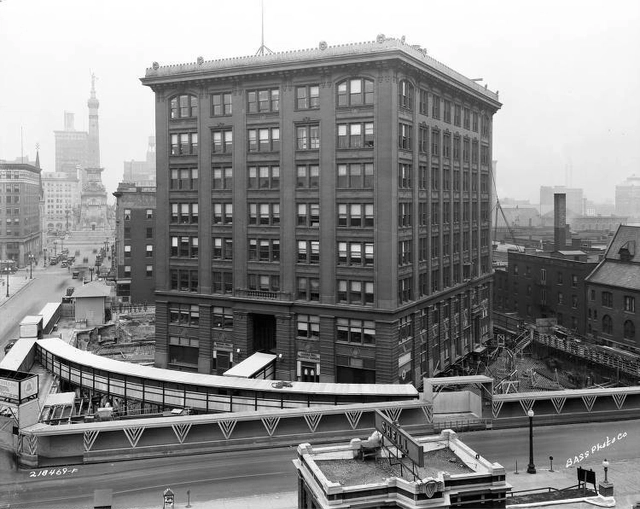
via Bass Photo Co Collection, Indiana Historical Society. Image of the Indiana Bell Building in the process of being rotated.
In November 1930, in Indiana, a monumental feat of modern engineering was completed: an engineering team moved an 11,000-ton (22-million-pound) telephone headquarters building without interrupting its operations or suspending essential utility services for the 600 employees working inside.
Against the backdrop of a global culture steeped in consumerism, every aspect of our lives is being consumed. As the physical medium of consumer behavior, commercial architecture is undeniably a vital link in this consumer society. "Insta-worthy" spaces—embodying trends, spectacle, and the culture of the gaze—are a direct manifestation of this influence. Yet, looking back at architectural history, we must also acknowledge that the rise of consumerism has largely driven architectural development. The influx of capital and the keen interest of real estate developers have, in some ways, granted architects more opportunities to realize their creative ideals within commercial projects.
Whether in cities or rural areas, "consumer architecture" functioning as public space often serves as the most prominent gathering point. To explore how to create comfortable, inviting commercial spaces, this article presents a curated collection of the best "consumer architecture" of 2021, offering design inspiration for your next project.
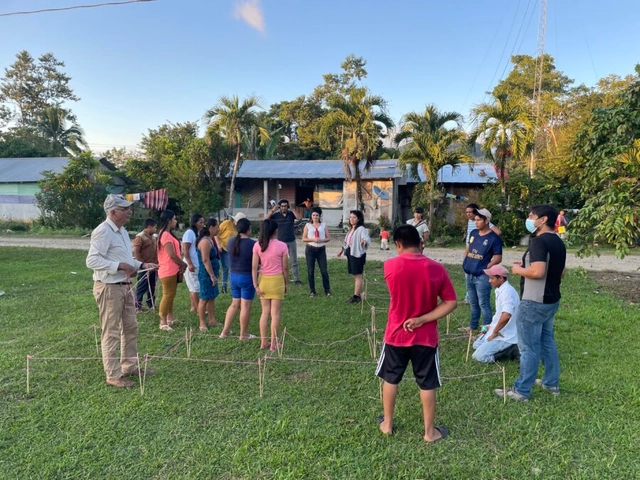
A few days ago, I had the opportunity to speak with Emilio Hernández from the Centro de Imaginación Oaxaca, one of the participants inCocina CoLaboratorio. Our conversation touched upon topics such as collective participation, the social management of habitat, altruism, racism, and many other social issues. During our chat, we addressed the nuances, highlights, and shadows surrounding welfare dependency and “aid” to communities, as well as how counterproductive and violent it can be to act from a position of privilege and top-down hierarchy.
https://www.archdaily.com/1132044/cocina-colaboratorio-social-habitat-management-in-chiapasValeria Rubio García
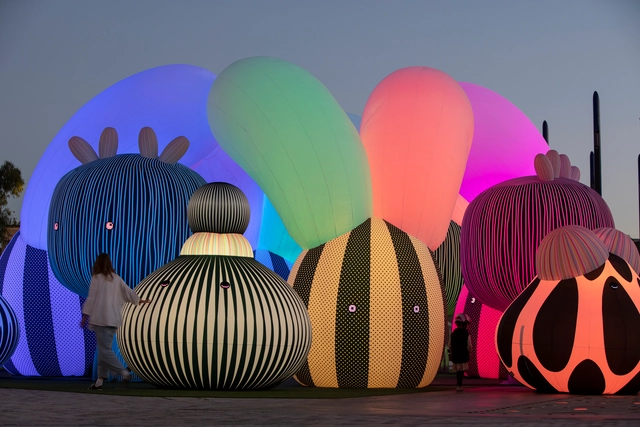
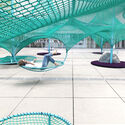
Architecture is a broad field offering diverse opportunities for practice. Increasingly, young architects are striving to carve out new paths and explore alternative professional domains. Ephemeral architecture, with its experimental and artistic nature, plays a significant role in this pursuit, prompting practitioners to observe and discuss urban, social, landscape, and environmental issues. Here, we present examples of temporary installations that highlight these concerns and transform their surroundings.
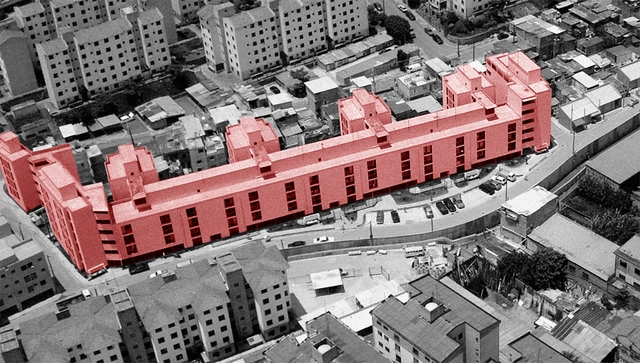
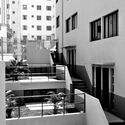
Gleba A. Photo by: Azul Serra. Collection of the Vigliecca office, edited by ArchDaily
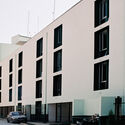
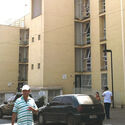
The layout of the Heliópolis neighborhood is the result of a history of informal settlements and complex urbanization. Over the last few decades, public authorities have taken varied approaches to the area, yet they have been unable to overcome the territory's informal nature, particularly regarding the complete, coordinated implementation of urban infrastructure. It was to address this context that the firm Vigliecca & Associados was invited to design the housing complexes for Glebas A and H, developed in 2004 and 2013, respectively.
https://www.archdaily.com/1131856/urbanization-of-heliopolis-the-challenges-of-intervention-in-the-informal-cityAlexandre Kok, Caio França, Gabriela Rudge, Lara Girardi, Lia Soares, Maria Clara Calixto, Marina Liesegang, Marina Saboya, Pedro Trama, Tamara Silberfeld e Valentina Kacelnik
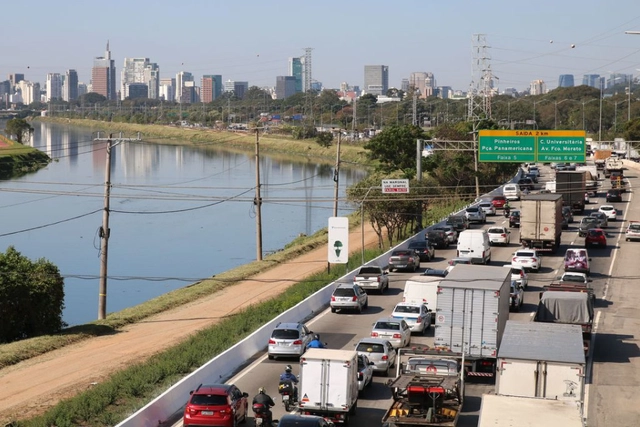
In the early twentieth century, artist Luigi Russolo presented his work “Dinamismo di une Automobile” (Dynamism of an Automobile), which depicted the power and force of automotive speed. Russolo was an enthusiast of the future and a leading voice of Futurism, an artistic avant-garde that celebrated technological development and innovation.
https://www.archdaily.com/1131875/reducing-vehicle-speeds-can-improve-trafficRuan Victor Amaral
weico is a high-profile, emerging design practice founded by a group of highly experienced architects. Its scope of work encompasses architectural design, interior design, urban planning, project programming, and engineering consultancy, with a particular focus on the cross-disciplinary integration of design with technology, industry, economics, and the humanities. Led by principal architect Sun Wei (former partner of HENN China), weico, within less than a year of its inception, has secured and undertaken projects including the T3 Headquarters, Hengli International Headquarters, Hongqi High-End Customization Center, and the Phase II consultancy for the Hong Kong University of Science and Technology (Guangzhou). It has also been shortlisted for the CGN Scientific Research Base and the Bay Area University projects, garnering significant attention within the domestic industry.
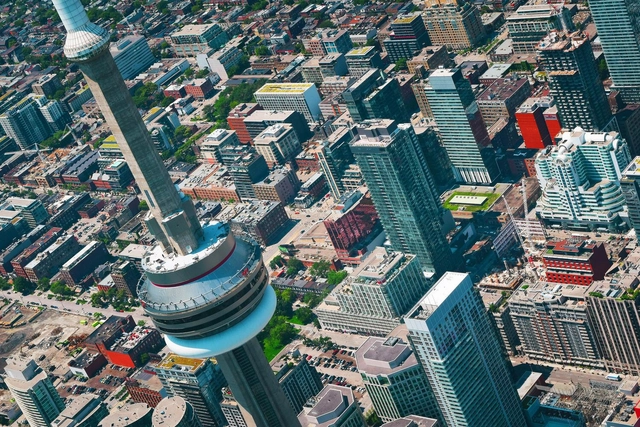
The International Solicitation for the Urban Design of the Center Area of Western China (Chongqing) Science City has officially launched! We warmly invite outstanding design teams from around the world to participate. International Solicitation for Urban Design of the Center Area of Western China (Chongqing) Science City is now open for pre-qualification! Design teams from home and abroad are welcome to participate.
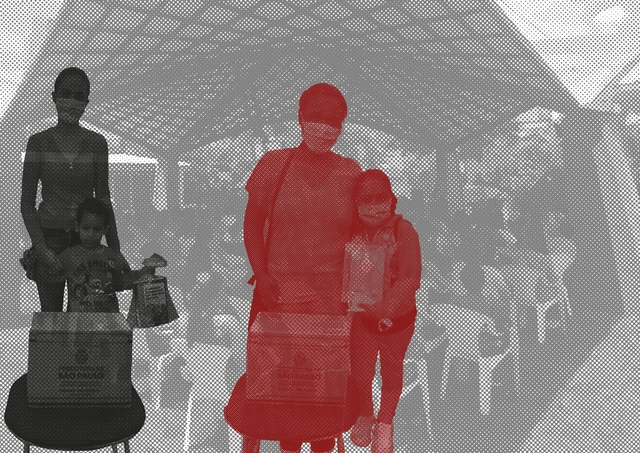
Distribution of food baskets. Collage created from images provided by MTST-Leste 1's Facebook. Own authorship
With the coronavirus pandemic, the issue of housing has taken on even greater urgency. What was already a highly relevant concern in low-income territories—where acquiring homeownership means workers are effectively recognized as integral parts of the city—gained magnitude, since the lack of minimum living conditions can be a matter of life and death, making access to adequate, well-located housing with proper infrastructure more essential than ever.
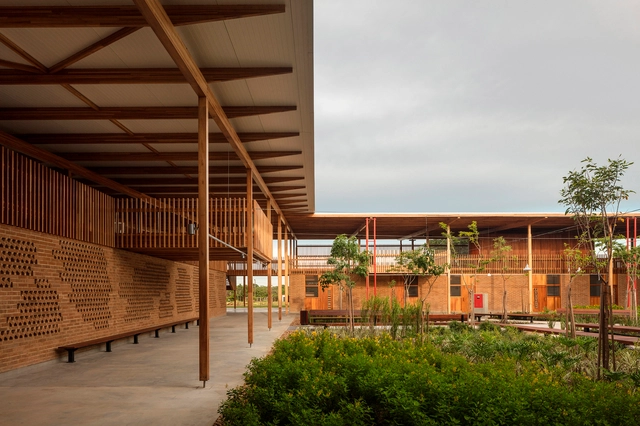
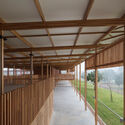
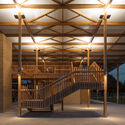
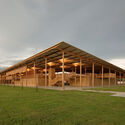
The award-winning Children Village project in Canuanã was developed by architecture firms Aleph Zero and Rosenbaum between 2016 and 2017. Located at a rural school that has been operating for nearly 40 years in Formoso do Araguaia, Tocantins, the complex serves approximately 842 boarding students. The architects were commissioned to redesign the accommodation—which consists of two identical villages, one for girls and one for boys, each designed for 270 students—and to devise an architectural solution to reorganize the students' living spaces within the school grounds.
https://www.archdaily.com/1132055/childrens-dwellings-in-canuana-an-encounter-between-vernacular-architecture-and-industrial-technologiesAlexandre Kok, Caio França, Gabriela Rudge, Lara Girardi, Lia Soares, Maria Clara Calixto, Marina Liesegang, Marina Saboya, Pedro Trama, Tamara Silberfeld e Valentina Kacelnik
It is common to find the concept of Created Land (Solo Criado) in Master Plans (PD) and Land Subdivision, Use, and Occupation Laws (LPUOS). This concept enables the implementation of certain urban planning instruments, such as the Onerous Grant of the Right to Build (OODC) and the Transfer of Development Rights (TDR). But what exactly is Created Land?
https://www.archdaily.com/1132058/what-is-created-soil-concepts-and-examples-in-the-cityAdriano Costa
Vista de parterres inclinados y mobiliario urbano propuesto para la Plazuela de Acho, como antesala a la Plaza de Toros de Acho. Image Cortesía de Equipo Río Rímac, PROLIMA
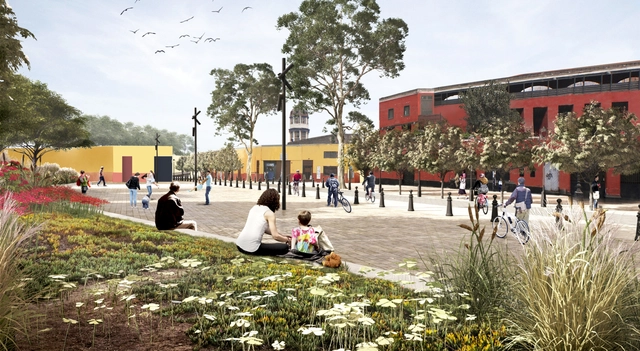
Within the context of the comprehensive recovery of the Historic Center of Lima, the Rímac River Special Landscape Project (PEPRR) is developing a proposal for the regeneration of the iconic Alameda and Plazuela de Acho. This project—together with the other 50 interventions proposed in the PEPRR master plan—aims to spark a multidimensional recovery of the riverfront and heritage environment, while simultaneously defending and strengthening the civic qualities of Lima's public spaces through a systemic approach that coordinates mobility, the urban environment, heritage, and landscape.
https://www.archdaily.com/1132068/new-alameda-and-plazuela-de-acho-in-lima-other-futures-for-the-historic-landscape-of-rimacDiego Vivas
Brazil has steadily advanced the implementation of public-private partnership initiatives. The Radar PPP platform currently monitors more than 3,400 PPP and concession projects across various sectors, compared to just 625 in 2015. While public-private partnerships typically bring to mind PPP and concession contracts for public services, they are not limited to these models. A prime example is the Business Improvement District, or simply BID.
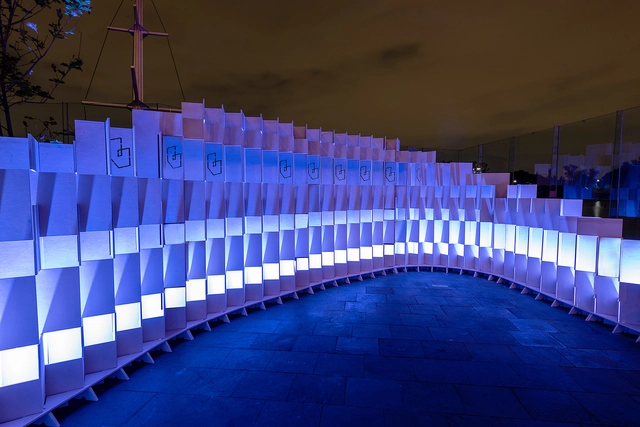
To mark the tenth anniversary of ArchDaily Mexico, Rojkind Arquitectos + Think Parametric designed an installation for the celebration held at the LAGO/ALGO Cultural Center. Located in the Second Section of Chapultepec Forest, the 810-hectare urban park is divided into four zones and home to some of Mexico's most prominent tourist landmarks.
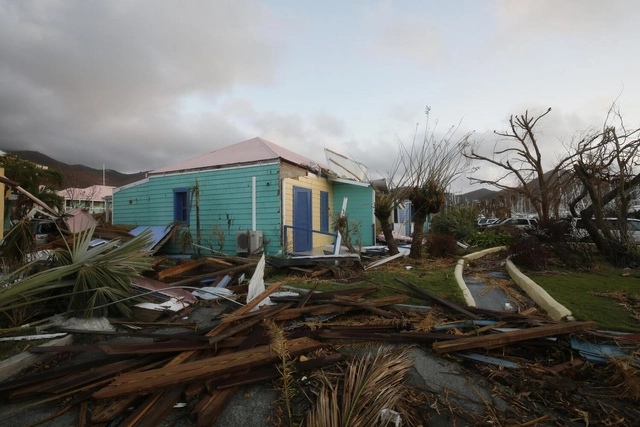
Damage caused to buildings by Hurricane Irma in Nanny Cay, on the British Virgin Island of Tortola. The Caribbean island suffered widespread damage and destruction from the passage of Irma in 2017. Photo: Russell Watkins/DFID
The planet is already 1.1°C warmer due to human-induced climate change, and millions of people are already facing the very real consequences of rising temperatures, sea level rise, more severe storms, and increasingly unpredictable rainfall. Rapidly reducing emissions is essential to limit temperature rise and ensure a safer future for everyone. Equally critical are investments to protect communities from the increasingly severe impacts that will continue to worsen over time.
https://www.archdaily.com/1132020/what-is-loss-and-damage-from-climate-changePreety Bhandari, Nathaniel Warszawski, Deirdre Cogan e Rhys Gerholdt