BEE / HOUSE / LAB, is an international design competition open to students and designers in the field of environmental design, architecture, landscape architecture, industrial design, and other related fields. The competition calls for a design of a bee house prototype that can be fabricated and deployed for field testing. Up to ten designs selected by the Design Jury will be fabricated (30 prototypes per design) and deployed (300 houses), to study their space-form-habitat performances.
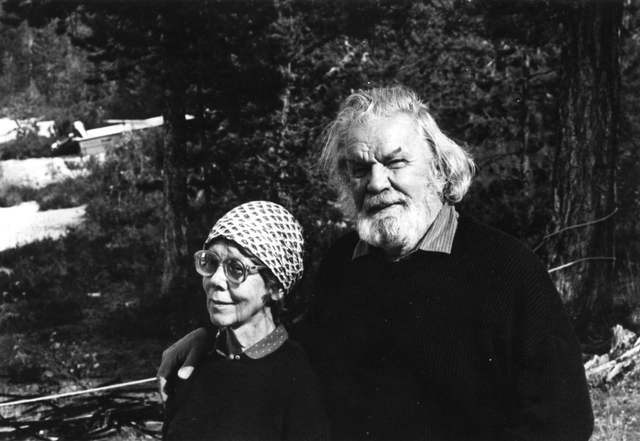
The lifework of Tapio Wirkkala and Rut Bryk has had a deep impact on the shaping of Finnish and Scandinavian design identities. The duo was open to new thoughts, easily excitable and pioneers in their field in many senses. Throughout their careers in design and teaching, Tapio Wirkkala and Rut Bryk offered new paradigms to designers, students and ordinary citizens in post-war Finland.
Chicago Sukkah Expo ’16 is a national design competition that challenges entrants to re-imagine the sukkah. The sukkah, a temporary structure that is built during the Jewish festival of Sukkot, commemorates the 40 years that Jews spent wandering the desert (Leviticus 23:42-43). The impermanence of the sukkah reminds us that many community members do not have adequate shelter and are threatened by the dangers of homelessness. We must devote attention and support those without a permanent home.
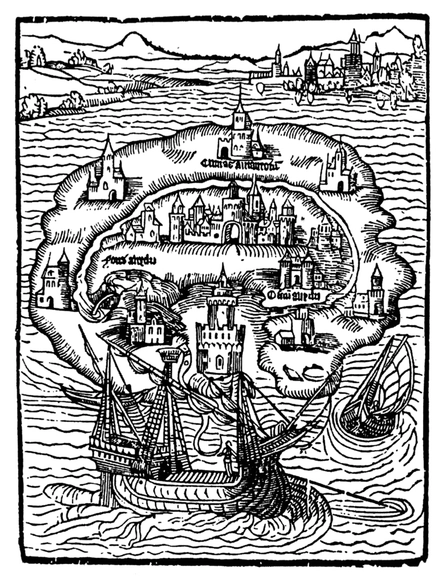
Stad en Architectuur vzw is inviting curators to apply for the curatorship of the lecture series AUDITORIUM 16/17. The latest edition of AUDITORIUM will take place from October 2016 to April 2017 in the STUK Arts Centre. Stad en Architectuur vzw centres its latest lecture series around the city of Leuven’s city-wide project ‘Utopia’ and would like to invite curators to propose a programme that treats architectural and spatial utopia.
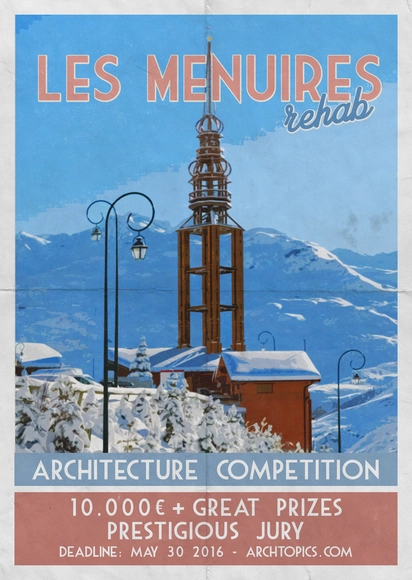
Located at 1850 m of altitude, Les Menuires is a great place for athletes as well as for families. Even though the majority of the activities are related to ski, they also have other types of activities. In the heart of Olympic Saboya, is located the ski resort Les Menuires that belongs to the zone known as the 3 valleys, the biggest ski resort in the world. Fully communicated by slopes and lifts it is accessible with a single pass: 200 lifts, 600 km of tracks, and multiple links between Les Menuires, Saint-Martin-de-Belleville, Val Thorens, La Tania and Courchavel.
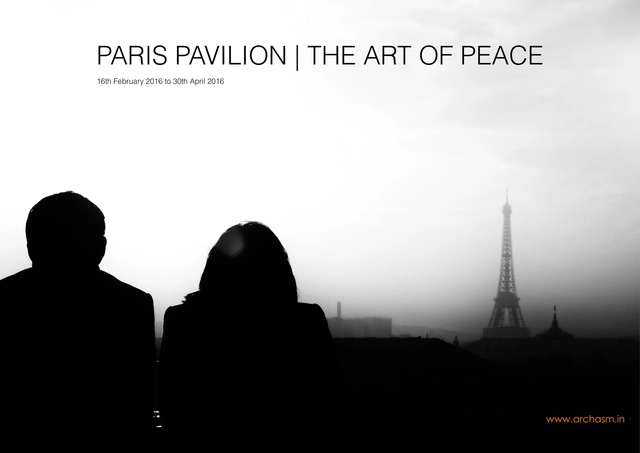
The city of Paris is rightfully termed as 'the cultural capital of the world' because of its rich and diverse ethos and character. Paris has been the artistic epicentre of the world since renaissance, inspiring many artists, philosophers, writers and architects to innovate and break the shackles of resistance. The city was home to great revolutionaries like Picasso, Miro, Modigliani, Voltaire and Corbusier. But one of the most tolerant cities of the world was shook by recent terror attacks that sent shockwaves around the world.
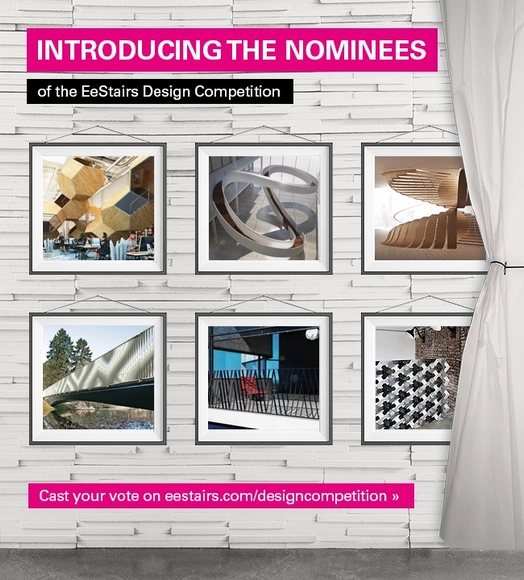
UPDATE: The shortlisted entries have been announced and public voting is open until February 15th! Cast your vote here.
International staircase design specialist, EeStairs - has launched the second edition of its Staircase Design Competition. Open to anyone who wishes to participate - the entries will be shortlisted by a panel of expert judges before the winners are decided by public vote in February 2016. In March, two cash prizes of £2,000 each, will be awarded at a prize giving ceremony.
EeStairs is on the hunt for individuals who will look beyond staircases and balustrades as functional components of architecture, but instead combine practicality and artistic imagination to create truly outstanding designs.
Alejandro Aravena's proposal for the Architecture Biennale 2016, "Reporting from the front”, invites each country to share experiences and moments of crisis that architecture has experienced in recent years. The proposal calls for a reflection on the mistakes in order to share solutions that may allow other countries to anticipate and avoid similar situations.
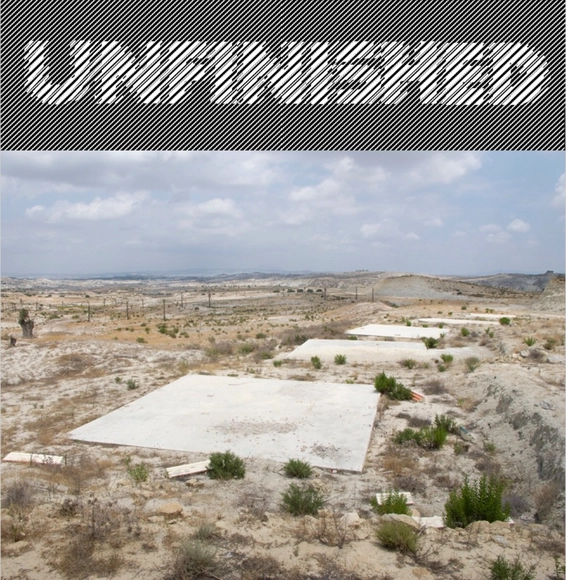
During the last period of economic growth in Spain, construction became the main driving force of the economy. Today, reality reveals us the built presence and the unfinished remains of what once was the largest edificatory enterprise in Spanish history, leaving behind a difficult situation in which to deal with partially constructed large volumes which are not consolidated.
Under the title "Unfinished", the exhibition in the Spanish Pavilion for the Venice Biennale 2016 draws attention to these unfinished architectures in order to discover virtues that can become design strategies. "Unfinished" wants to promote creative speculations about how to subvert the past condition into a positive contemporary action.
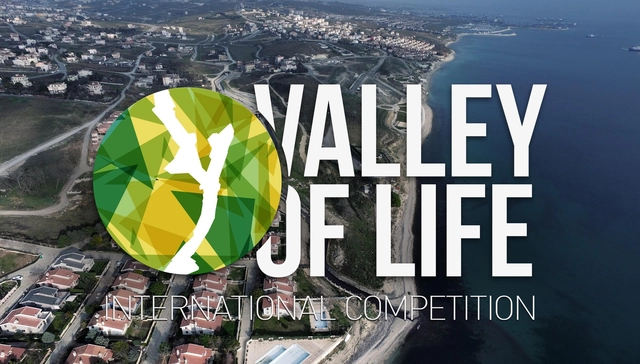
Beylikdüzü Municipality has announced “Valley of Life International Competition” in Beylikdüzü district in Istanbul. The competition is searching innovative and sustainable ideas for the development of the valley in Beylikdüzü. Competitors are invited to develop visionary concepts that focus on the whole valley and on the focal points determined. These concept descriptions should include an operational idea for the area and a description of the ecological corridor with transportation connections, bicycle routes, services, functionalities etc.
A very exciting opportunity is presented to architects and students worldwide for your work to be showcased in an international documentary film, alongside some of the greatest living architects of our current time.
We are seeking examples of architectural projects which exemplify the use of advanced and dynamic digital techniques in the process of analysis, design exploration and final outcome of a design work.
One or a combination of several computer-based tools must have been implemented in the processes of data collection/ information processing, simulation and development about the project and be evident in early stages of the design as well as the final work. We are looking for contemporary, cutting edge uses of computer technology from pre-existing or new design projects.
Following on from the success of ‘Cambodia 2015’ (awarded 3rd Top Competition of 2015 by Bustler), Eleven is excited to announce their latest architecture and idea challenge: ‘San Francisco 2016 - Tenderloin System Update’.
For this challenge, we move to California, in the beautiful city of San Francisco. The city is the USA’s most sought after real estate location and its Bay Area is today leading the way for innovative technologies and new urban models for the future. However, San Francisco is also home to the Tenderloin, one of the most distressed and dangerous neighborhoods of the USA.
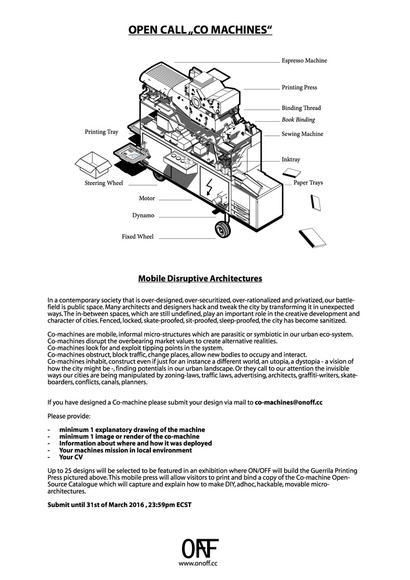
The modernist movement looked to industrial processes – factories, warehouses and silos - to enhance their designs. Their dream was to create rationalized machines for living. They thought the functional glass box could modernize everyday life. By bringing efficiency into every aspect of the city, home, and schools we would become liberated creatives and thinkers. Since then, there have been many iterations of machine-methods applied to the physical and cultural environment.
The countryside carries so much emotional weight and nostalgia through thousands of years of time. Currently, more than 100 villages disappear every day in China. On the other hand, the rise of city living standards and GDP require a more suitable tourist experience in the surviving villages. How can we combine the inheritance and preservation of villages with a countryside tourism business model? To provide a better ecosystem for lodge and inn, farm, organic agriculture and handmade crafts is the challenge that we are facing now!
A new design competition asks participants to design a facade and street presence for a new addition to the historic 1938 County Theater in Doylestown, Pennsylvania.
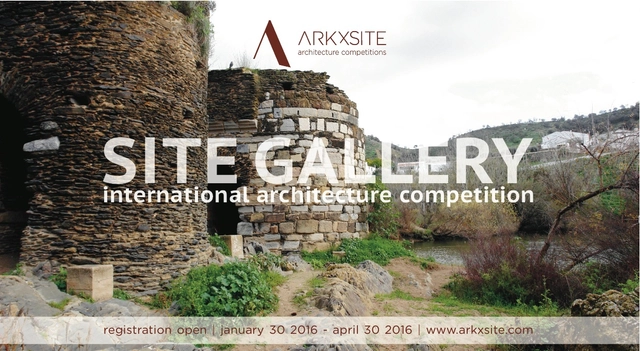
This international one-stage architecture competition invites all architecture students, young architects and young professionals with a degree in architecture studies (≤ 40 years old) to develop and submit compelling ideas for the design of a Site Gallery located near the River Tower (Torre do Rio) in the bank of the Guadiana River and adjacent to the fortified walls of the village of Mértola, Portugal.
The RIBA is excited to launch the recruitment process for the role of Creative Directorship of the 2016 ‘Guerrilla Tactics’ small practice conference. We are looking for a committed individual with an existing profile within the world of design or the built environment, with a proven track record for innovation, creativity and thought-leadership.
Founded in 1950, in the city of Talcahuano, CAP Steel is the main Chilean steelmaker, offering a variety of steel products for industrial, mining and building companies across the country. The enterprise, also known as "Siderúrgica Huachipato," forms part of the CAP Group of Enterprises, the chief producer of iron minerals and pellets along the American Pacific Coast, in addition to being the main steel producer in Chile and the most important steel manufacturer of the South Cone.
The Buckminster Fuller Institue (BFI) has issued the Call for Proposals for the 2016 Fuller Challenge. Known as “socially-responsible design’s highest award,” the Fuller Challenge invites designers, architects, planners, entrepreneurs, scientists, artists, activists, and students worldwide to submit original solutions to some of humanity’s most pressing problems.
A $100,000 prize is awarded to support the development and implementation of the winning project. In addition to the grand prize, BFI will provide further resources for finalists, semi-finalists and select entrants through its Catalyst Program.