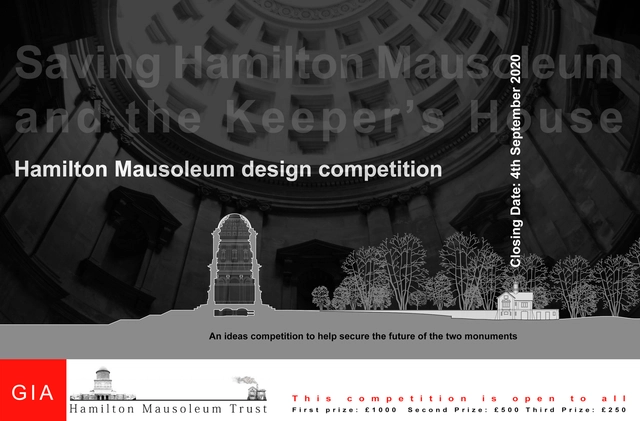
The Glasgow Institute of Architects, in collaboration with the Hamilton Mausoleum Trust, are launching an exciting design ideas competition in June 2020 for the iconic Hamilton Mausoleum and Keeper’s Lodge, located in the Low Parks in South Lanarkshire, Scotland.
Registration for the Iceland Cave Tower Architecture Competition is now open! 10,000 € in prize money! Early Bird registration deadline: JUNE 30, 2020
The caves of northern Iceland are popular tourist spots, with thermal pools, breathtaking landscape, and backdrops made famous by Game of Thrones. Grjótagjá is a collection of three caves which are located near each other and have been a popular bathing spot for locals since the 1940s.
Xilofor invites young architects under the age of 40 to rethink the kitchen as a creative case study based on how post-COVID-19 kitchen furniture could develop new spatial scenarios that will influence its design.
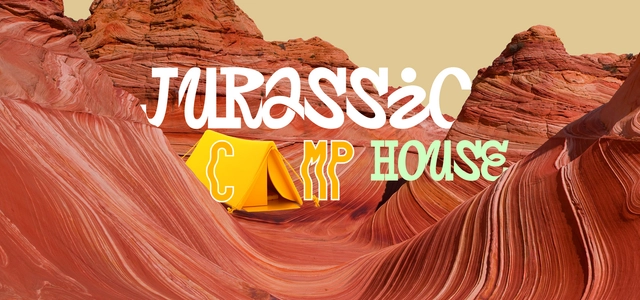
The most basic, uncontroversial manifestation of beauty is the beauty of the natural world. Nature is the canvas on which geology, climate, time and science have painted all kinds of vistas and landscapes. Most surreal and dramatic imaginations of man are found to be already existing in the natural ecosystem. The Wave is one such surreal looking sandstone rock formation on the slopes of Coyote Buttes in the Paria Canyon-Vermilion Cliffs Wilderness near the Arizona-Utah border.
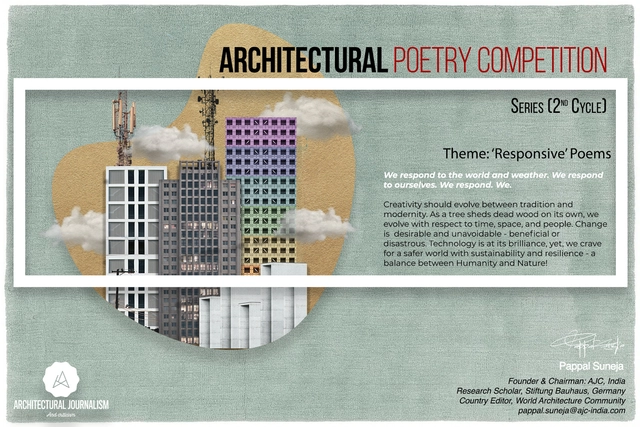
Architectural Poetry Competition Series, 2nd Cycle is the seventh initiative of the Architectural Journalism & Criticism Organization, India founded by architect Pappal Suneja to spread awareness about this subject and sow the seeds of inspiration to explore and write about Architecture and allied fields from a lyrical perspective.
“The Urban Rhetoric” is a bi-annual initiative by Innovature Research and Design Studio [IRDS] to create a platform for discussion and act as a catalyst in recreating the future of urbanism and urban development in India. We aim to do so with the help of an academic magazine with essays that inspire the agenda for future urbanism. A city is not just defined by the planners and architects that build it, but also by the users that occupy it. Thus, through this initiative, we strive to make these parallels meet by reinforcing the interactions between decision-makers and users. This prospective magazine crusading towards the agenda for future urbanism aims to provide a platform for dialogue and discussions on growth and development in Indian cities.
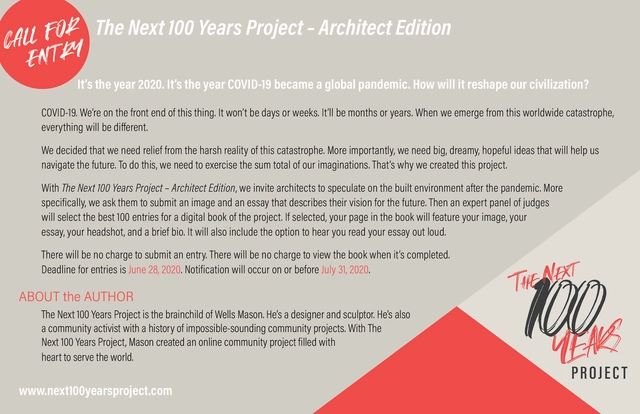
It's the year 2020. It's the year COVID-19 became a global pandemic. How will it reshape our civilization?
The Next 100 Years Project stands against racism. Because of recent events and civil unrest around the world, the deadline for submissions to the Next 100 Years Project – Architect Edition has been extended to June 28, 2020 at 11:59PM CDT. As before, the Next 100 Years Project invites architects from around the world to envision a hopeful, post-pandemic future for everyone.
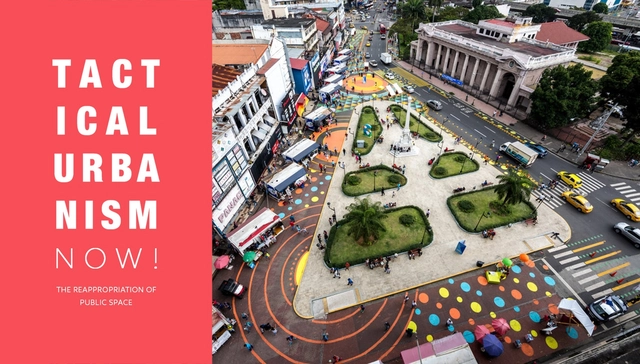
Today, the citizen's relationship with the urban context is moving towards the spreading of new practices for the re-appropriation of public spaces all over the world. It is becoming clearer nowadays, that only the city that improves the quality of life of its inhabitants is truly smart, putting the human element at the centre of every urban project.
The field of Design is defined by the areas where design process can be applied: architecture, urban space, clothing, furniture, consumer products, printed materials, digital interfaces, social structures, websites etc. But design encompasses much more than form and function. Design is not a being, but an event, it is not a thing but an impact.
Urban Chair is a design competition with the aim of developing innovative and interactive prototypes for seaters/benches/modules that can be placed in a park, street, plaza or any other kind of outdoor socio-urban zone. Urban furniture is the link between a public space and the people encapsulated within. Community seaters are the catalyst for public interaction as they create a setting for sitting, resting and other similar activities. They are responsible for drawing people together and starting the process of interaction and dialogue.
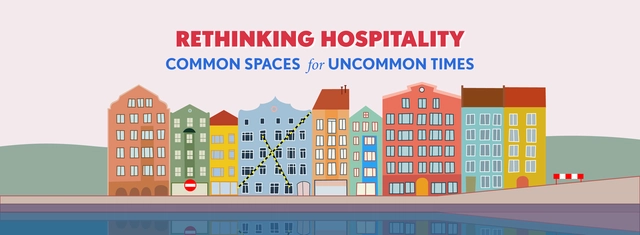
The global pandemic has put us all in difficult situations. Wherever we are, in the last weeks we have faced challenges that we had not expected. The new virus is not only a threat to our health, but it is also deeply impacting the way we work, learn and go about our lives.
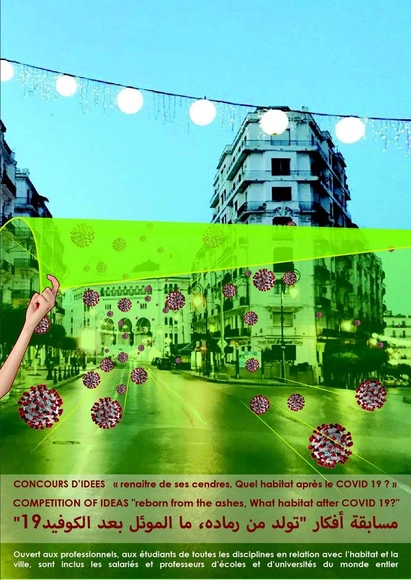
COMPETITION OF IDEAS"REBORN FROM THE ASHES, WHAT HABITAT AFTER COVID 19?”
After the crisis that has just gone through the world, several questions will have to be asked of decision-makers, in particular the conditions of confinement in very narrow dwellings and devoid of living spaces or confinements elsewhere.
Lagos: City of Water Competition - The Arc. Eddy Eguavoen Foundation - €2000 Prize Pool
The Arc. Eddy Eguavoen Foundation is a nonprofit organization that aims to build sustainable housing for communities in need across Nigeria. The foundation was officially announced on January 11th 2020, one year after the passing of Arc. Eddy Eguavoen, an accomplished Nigerian Architect.
Accelerate the City: Designing Resilient Urban Futures
Time moves slowly in architecture. While the technological, financial, transport, and commercial industries of the world evolve at an unprecedented, exponential rate, the evolution of cities themselves is not keeping pace. While everyday commodities, from phones to cars to banking systems, change before our eyes, we continue to live and work in buildings designed for a past era, and depend on urban infrastructures long past their capacities.
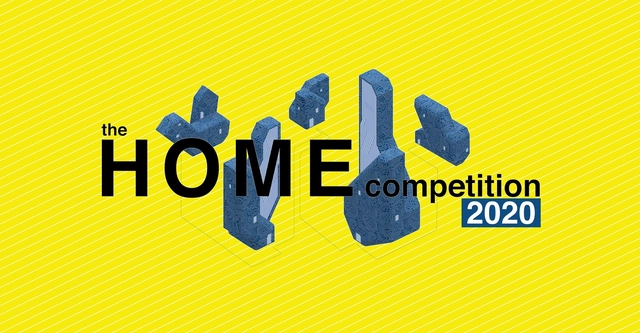
How do we define “home”? Although our ideas about home are constantly being rethought, the careful examination of “home” has recently come to our attention for architects and nonarchitects alike. Almost everyone has had to confront their perspective of “home” as they have adapted workplaces, social gatherings, fitness routines, and everyday life. We now not only internalize a home, but look at how our homes digitally connect to the rest of the world.
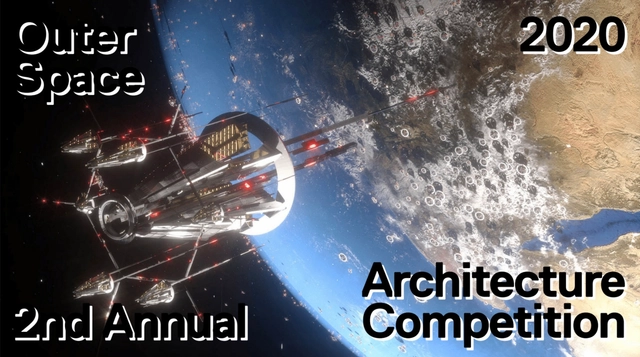
We are on the cusp of the second great age of space exploration.
Outer space has always captured the imaginations of the public. New advances in technology (including comet landings, the Orion Spacecraft, and large scale social experiments leading to exploration of Mars) mean that outer space is no longer a place only astronauts will get to experience – but something you and I can experience within our lifetimes
For a long time, the fantastical visions of space exploration have been rooted in the scifi proposals of the 50s, 60s and 70s. Ring worlds, death stars and space colonies conjure vibrant, psychedelic
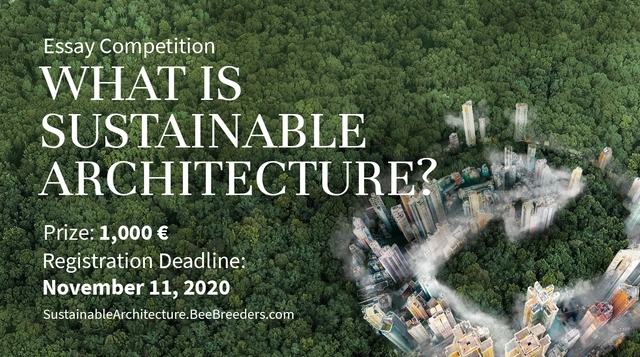
Enter the What is Sustainable Architecture architecture essay competition now! 1,000 € in prize money + publication in the book! Closing date for registration: NOVEMBER 11, 2020
There are many ways of designing environmentally-responsible and resource-efficient structures and cities, with amazing innovations and advances introduced every day. These include everything from smart homes and photovoltaic glass to centrally organized power networks, modular building, and even self-healing bio-concrete.
Architects, startups, investors, entrepreneurs, tech companies, and designers are all pioneering holistic new approaches to sustainable architecture, in which new buildings are constructed and maintained throughout their life cycles with as little negative impact on the environment as possible.
Do you have something to say about sustainable architecture?
Bee Breeders, in partnership with ARCHHIVE BOOKS, is calling for essay submissions for
Enter the Pavilion Of Humanity: First Contact Architecture Competition now! 6,000 € in prize money! Closing date for registration: NOVEMBER 10, 2020
The Earth is in a chaotic and confusing state right now, with the future of our society not entirely clear. But in a world of COVID-19 and climate change, now is the time to reflect on the positive aspects of humanity and its many great achievements.
The Pavilion Of Humanity: First Contact architecture ideas competition tasks participants with designing a structure encapsulating the best and brightest of our species in a way that, should we ever be visited by other life forms, would allow them to learn about our achievements in a single space.