For the third time since its founding in 2002, Mexico will host the Latin American Social Workshop of Architecture Students (TSL Mexico 2020). This edition is organized by the Latin American Coordinator of Architecture Students (CLEA Latin America), alongside CONEA Mexico and the Municipality of San Felipe del Progreso.
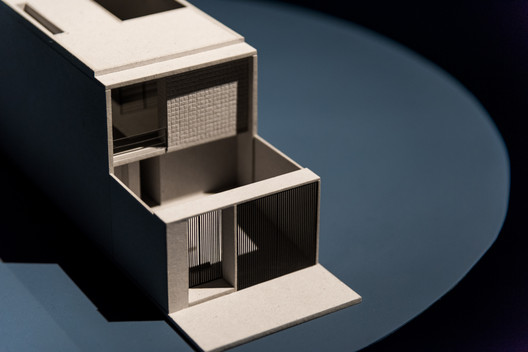
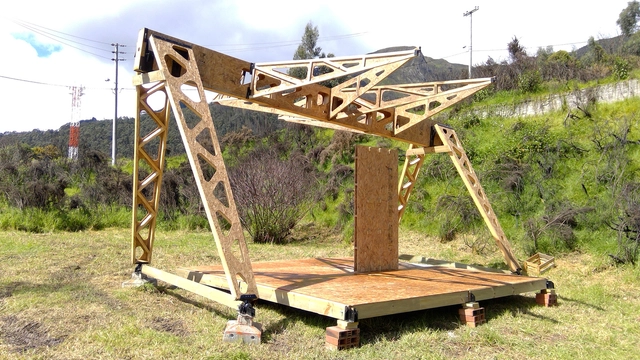
The Superintendency of Industry and Commerce has granted a utility patent for the invention "Multifunctional Self-Supporting Modular Roof System" to professors Camilo Ayala García and Christiaan Job Nieman Janssen, from the design department, and Diego Alejandro Velándia Rayo, from the architecture department, at the Faculty of Architecture and Design of the Universidad de los Andes.
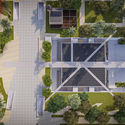
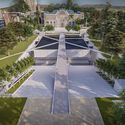
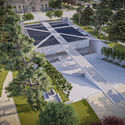
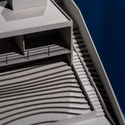
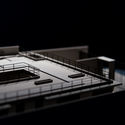
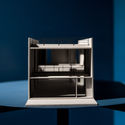
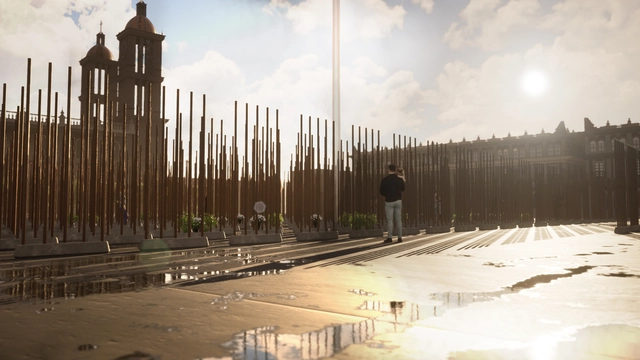
Rojkind Arquitectos has proposed a "Mourning Claim" memorial for COVID-19 victims. Led by Michel Rojkind, Arturo Ortíz Struck, and Diego Díaz Lezama, the project is envisioned for Times Square in New York and the Zócalo in Mexico City. "We claim mourning for its own sake. At the very least, we can care for them, for these architectural symbols that bear witness to our lives and the lives of others," say the authors.
https://www.archdaily.com/1123559/rojkind-arquitectos-designs-statement-of-mourning-memorial-for-covid-19-victimsArchDaily Team
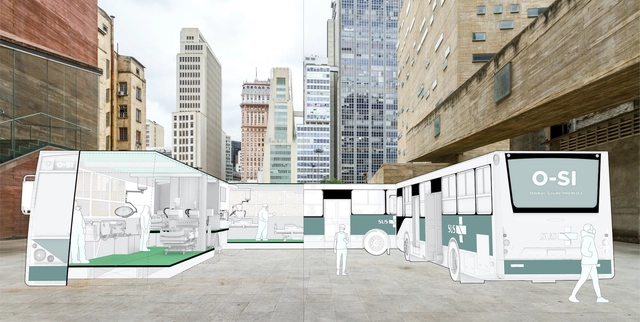
COVID-19 cases in Brazil continue to rise, overwhelming the healthcare system with patients diagnosed with the virus. Understandably, hospital visits by people suffering from other illnesses have also decreased due to fear of contracting the coronavirus. To prevent health complications among those hesitant to visit hospitals, the architects at the Brazilian studio Democratic Architects have proposed the Immediate Health Bus (O-SI), a system focused on telemedicine.
Two buildings in Brasília's Plano Piloto have received the CAU/DF Seal – Architecture of Brasília 2020, and another six will receive it in the coming days. Launched in August of this year by the Council of Architecture and Urbanism of the Federal District, the seal aims to recognize the historical value of Brasília's non-monumental buildings and their designers, as well as to promote building maintenance and conservation best practices that have preserved the architectural language of the Modern Movement.
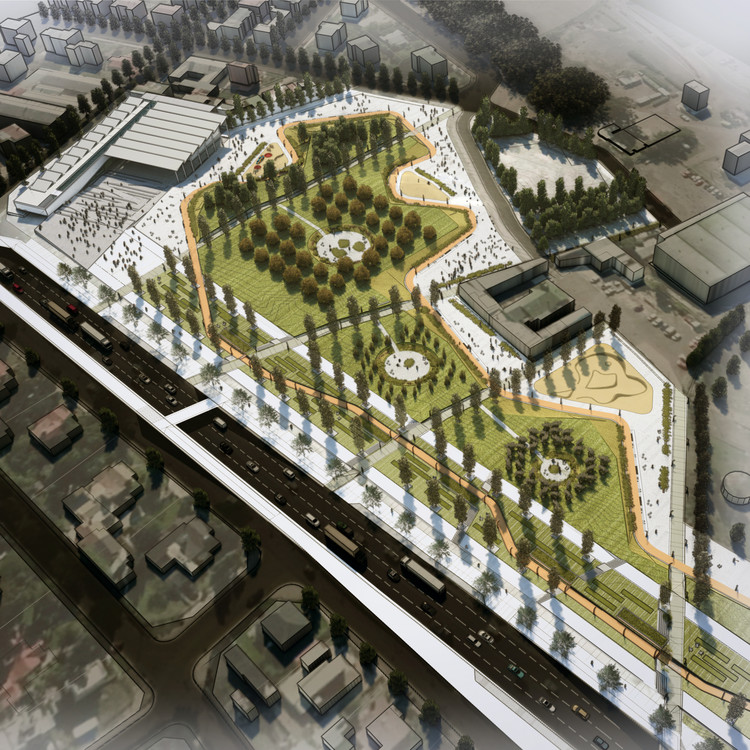
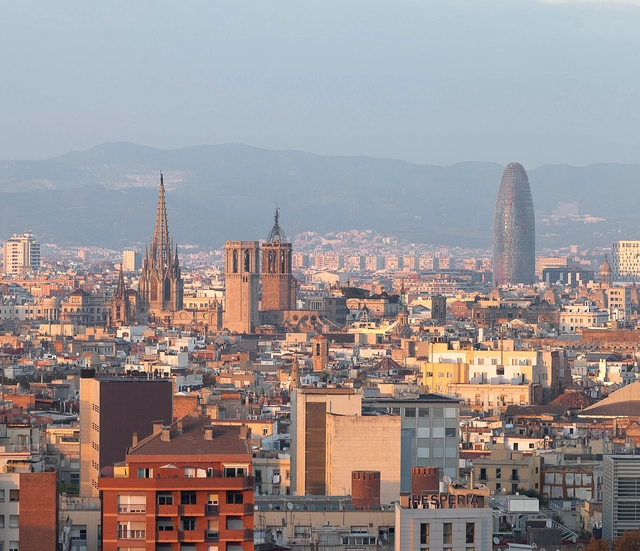
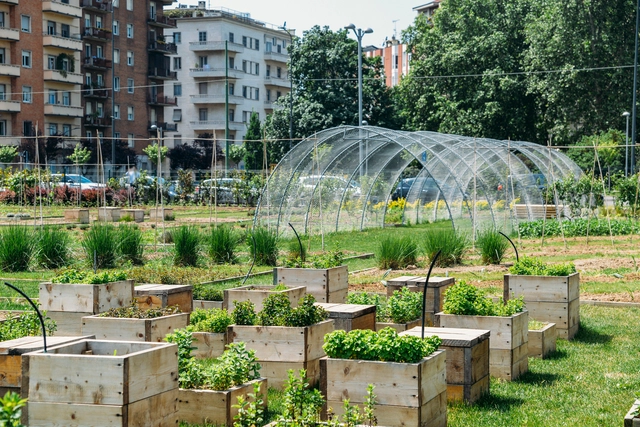
“Renaturalizing cities and gaining quality space for citizens is no longer just an interesting idea—it is a necessity,” says Jordi Fernández, one of the two founding partners of ON-A Arquitectura. This Barcelona-based smart office specializes in urban greening and green building. Over its 15-year history, the firm has designed various ways to adapt green spaces to urban contexts, such as the remodeling proposals for Llano Amarillo Park in Algeciras and Taichung Gateway Park in Taiwan. Its current project, called Nou Parc, follows these international examples, aiming to transform Barcelona's Camp Nou stadium into a 26-hectare park.
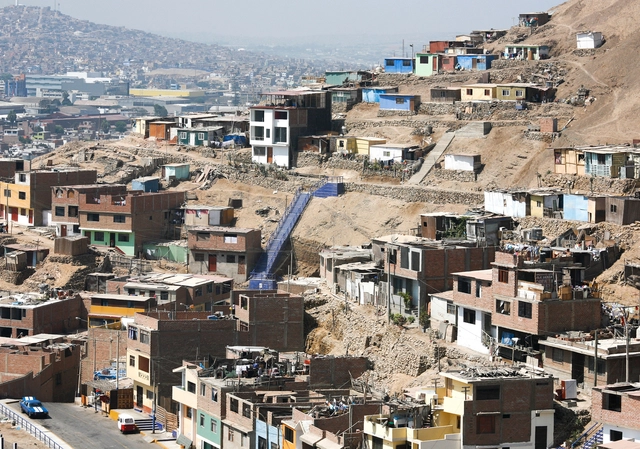
Toward a New Normal with Less Urban Inequality is a petition addressed to the various levels of the Peruvian government –the Presidency of the Council of Ministers, Provincial Municipalities, Ministries, District Municipalities, and Regional Governments—that aims to draw attention to and denounce the current situation facing the country's cities. Through this document, the signatories express their concern and call for priority and structural actions to improve the living conditions of all citizens in Peru.
Set against the backdrop of the current pandemic—and the tragic experience it has brought to countries worldwide—the Manifesto for the Reorganization of the City after COVID-19 expresses the deep concern of professionals regarding the future of cities in the post-pandemic period. The text, a critical document focused on the city of Barcelona—though applicable to most Western cities—was drafted by Massimo Paolini, an architectural theorist and member of the Political Ecology Network (POLLEN). It outlines the problems affecting urban centers and highlights alarming data, calling for urgent and drastic measures.
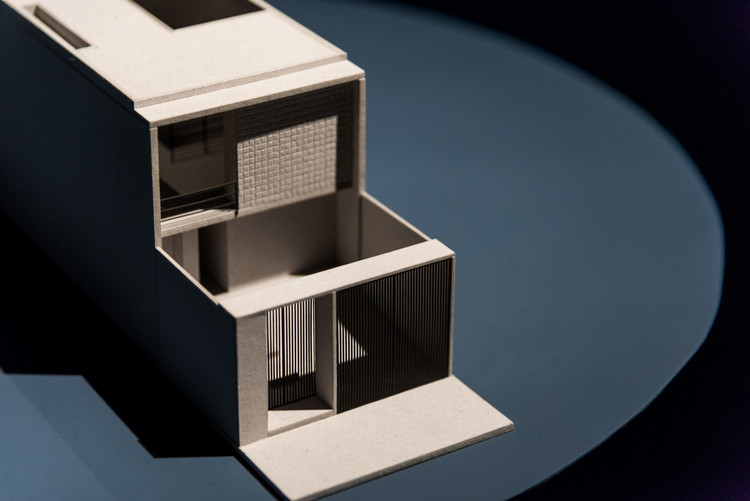
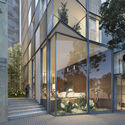
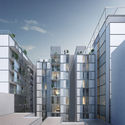
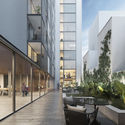
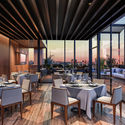
The architecture firm Hauser (Buenos Aires, Argentina), alongside architects Carlos Ferrater and Lucia Ferrater from OAB - Office for Architecture in Barcelona, has presented its project for Montevideo, titled "Alma Duc." The mixed-use building, located in the heart of the Uruguayan capital, will integrate various programs—housing, retail spaces, and a restaurant—seeking to address the consolidation and densification of the area. The project is already under construction and will represent Carlos Ferrater's first built work in South America.
Earlier this month, the Observatory of Innovations for Sustainable Cities was launched. The project aims to gather information, proposals, and concrete examples of municipal initiatives and public policies that help improve people's quality of life and strengthen the environment. The initiative is a partnership between the Ministry of Science, Technology, and Innovations (MCTI), the United Nations Environment Programme (UNEP), and the Center for Strategic Studies and Management (CGEE).
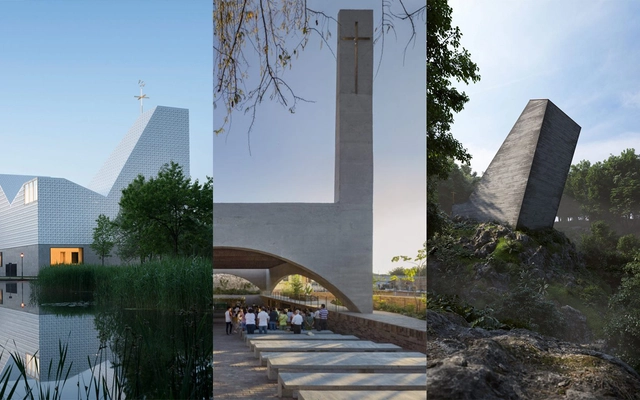
For the seventh time, the Frate Sole Foundation has launched the 2020 edition of the International Sacred Architecture Award, open to all professionals who have designed a church over the last decade (since October 4, 2010) within Christian denominations.
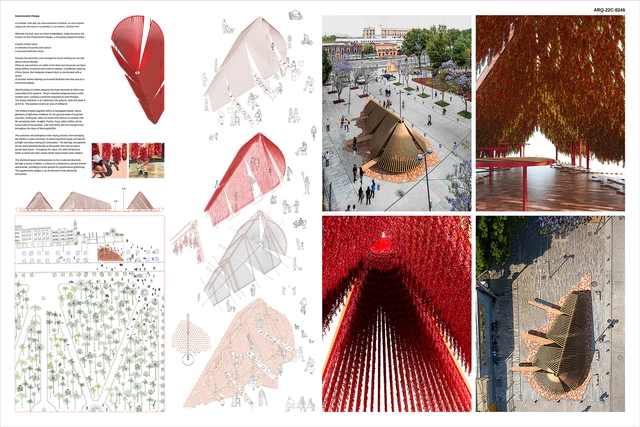
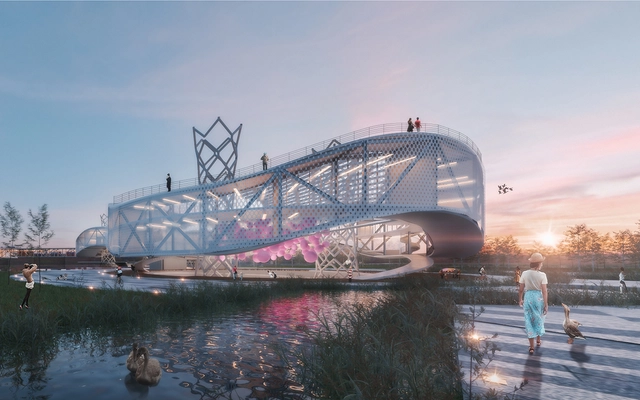
For the fifth time, the MEXTRÓPOLI Architecture and City Festival held the Arquine No. 22 | MEXTRÓPOLI Pavilion 2020 competition. On January 13, from 10:00 a.m. to 3:00 p.m., the jury—composed of Tatiana Bilbao, Ruth Estévez, Carlos Facio, Alberto Odériz, Saidee Springall, and Alejandro Tapia (as technical juror)—met at the Arquine offices to evaluate the 292 submitted proposals out of the 389 registered.
https://www.archdaily.com/1123664/results-22nd-arquine-competition-mextr-poli-pavilion-2020ArchDaily Team
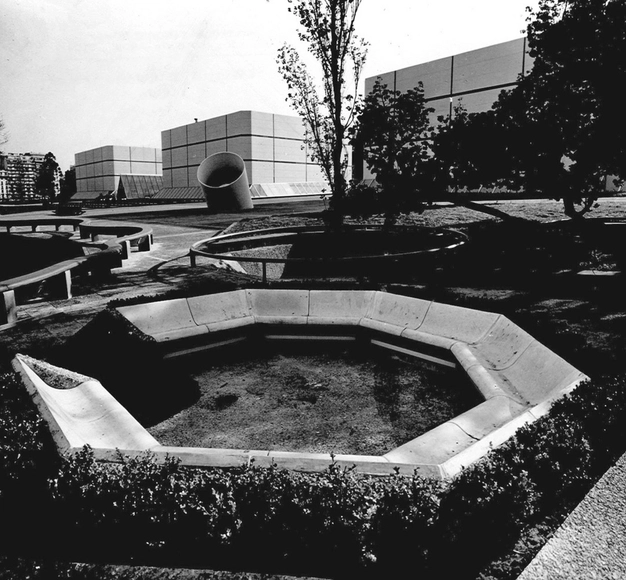
Clásicos de Arquitectura: ATC Argentina Televisora Color / Manteola, Sánchez Gómez, Santos, Solsona, Viñoly, Sallaberry y Tarsitano. Image Cortesía de Archivo MSGSSS
Architect Javier Sánchez Gómez, founding partner of the firm MSGSSS—renowned for projects such as the ATC Argentina Televisora Color building—passed away on Sunday, February 9, at the age of 83.
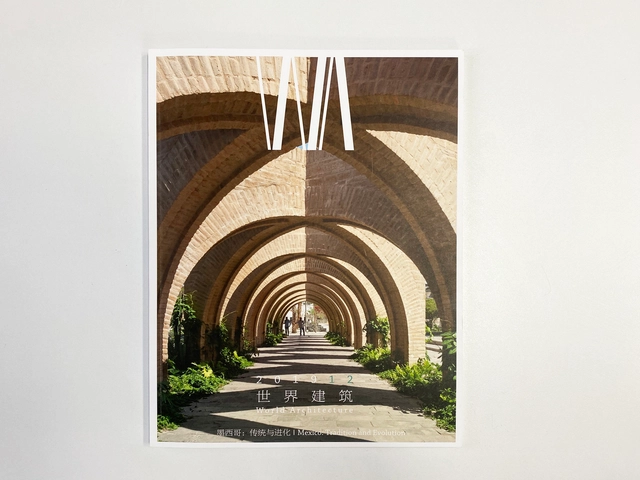
An exclusive issue dedicated to Mexican architecture is the theme of the latest edition of World Architecture (WA) magazine in China, curated by the ArchDaily team. Published by Tsinghua University since its founding in 1980, World Architecture magazine is one of the largest and most prestigious architectural publications in China.
Yesterday, November 9, 2020, marked the opening of the 22nd Pan-American Architecture Biennial of Quito (BAQ2020), held online. As one of the most highly anticipated architectural events nationally and internationally, this edition features a robust program of 28 panel discussions, 4 keynote lectures, 4 interviews, and other exclusive content accessible via the microsite designed for the event. Additionally, a broad cultural program includes interventions in eight buildings and two exhibitions.
https://www.archdaily.com/1123674/the-pan-american-architecture-biennial-of-quito-2020-opens-with-a-presentation-by-momoyo-kaijimaArchDaily Team
Since 2008, the National Chamber of the Iron and Steel Industry CANACERO has joined forces with the Latin American Steel Association ALACERO through initiatives such as the ALACERO Steel Design Competition for Architecture Students and the CANACERO National Steel Award for Architecture Students, aiming to encourage the use of steel in construction among architecture students in Latin America.
Our jury of experts—meaning you, our readers—have nominated their favorite projects from among nearly 1,000 built works in Latin America and Spain: today, the day has come to meet the finalists of ODA2020!
The 13th São Paulo International Architecture Biennial has established reconstruction as the core theme of its 2022 edition. As a preparatory activity for the co-curatorship competition, the IABsp organized three debates to discuss the very essence of art and architecture exhibitions, while also calling on us to reflect on the role of architects, urban planners, and many other professionals in building fairer and more democratic cities.
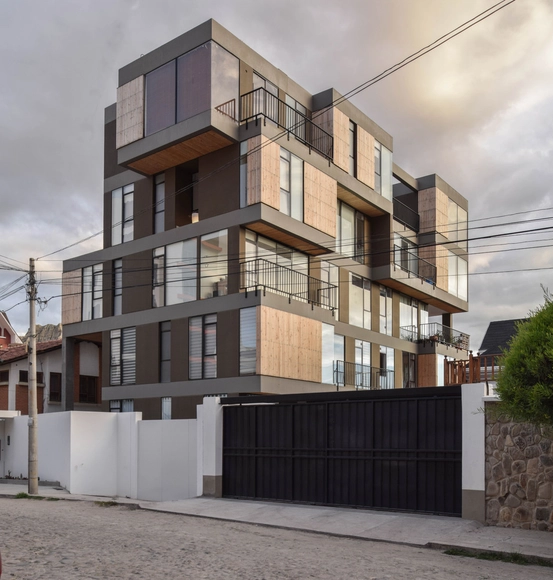
Edificio Isabel - arquitecto Christian Dávila. Image Cortesía de Bienal Internacional de Arquitectura de Santa Cruz
From July 20 to 27, the first virtual edition of the 7th Santa Cruz International Biennial of Architecture (BASC) took place. Organized by the Santa Cruz Association of Architects, the event was an effort to reflect on the “Return to Origins”; that is, bringing to the table the importance of an introspective review of the essence of space and cities from a global perspective, yet connected to local knowledge.
On the final day of the event, the first-place winners and honorable mentions for each of the five BASC 2020 categories were announced. Discover all the winners below.
The sixth edition of the Madrid International Festival of Architecture and the City will take place from September 25 to 27, featuring a special edition organized to comply with necessary safety measures and ensure the well-being of all participants. The event will allow citizens to explore more than 80 spaces normally closed to the public free of charge, as well as participate in fifteen outdoor guided tours in small groups, with mandatory pre-registration. The festival will also feature other cross-disciplinary and complementary activities.
In mid-August, images of a new urban-architectural proposal for downtown Santiago began circulating in the media and on social networks: the preliminary design led by architect Gonzalo Mardones for the MAC Contemporary Art Museum in Parque Forestal.
Despite the potential benefits it aims to deliver, does it capitalize on the opportunity presented by intervening in this area? Does it meet citizens' expectations? Does it foster discussion about its management? Are there other viable alternatives?
As part of the cultural program of LIGA, Space for Architecture in Mexico City, the Brazilian quartet Terra e Tuma—comprising Danilo Terra, Fernanda Sakano, Pedro Tuma, and Juliana Terra—presents a project that reflects their architectural practice: a process of copying and repetition. As announced on LIGA's official website, the opening scheduled for Wednesday, March 18, was canceled due to recent developments surrounding COVID-19 in Mexico City. Nevertheless, digital publications like this one aim to share the project to foster dialogue and reflection on the world of architecture.
The winners of the “Parque de la Ciudad” Comodoro Rivadavia National Preliminary Project Competition have been announced. Organized by the College of Architects of Chubut and sponsored by the Argentine Federation of Architects' Entities, the competition invited participants to develop urban and architectural ideas to renew the public space of the city of Comodoro Rivadavia, Chubut (Argentina), through the design of a new Urban Park and a Popular Music Training and Production Center.
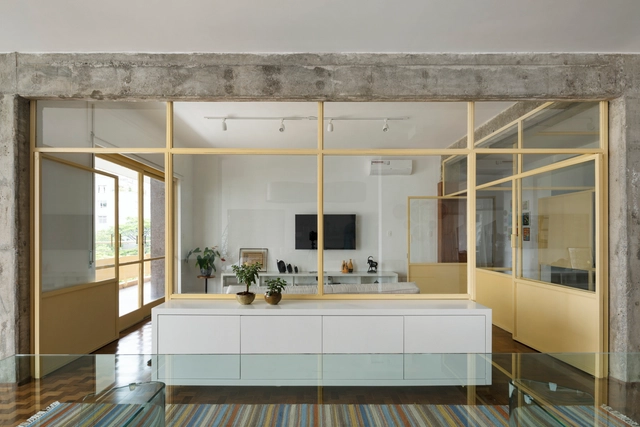
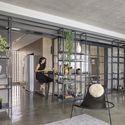
Defining spaces in apartments is a challenge often imposed by their limited footprints. To address this, many projects utilize metal framing and custom furniture to delineate areas, connecting the architectural program through visual permeability while allowing natural light to flow throughout the home.
https://www.archdaily.com/1123613/metalwork-elements-as-room-dividers-in-brazilian-apartmentsArchDaily Team

.jpg?1598416141 "© Rojkind Arquitectos")
.jpg?1598415908 "© Rojkind Arquitectos")
.jpg?1598415789 "© Rojkind Arquitectos")


.jpg?1607004102&format=webp&width=640&height=580)

.jpg?1607004124 "SQS 210 block C. Photo © Joana França")
.jpg?1607004171 "SQN 108 block D. Photo © Victor Machado")
.jpg?1607004184 "SQN 206 block I. Photo © Victor Machado")
.jpg?1607004102)







._Foto_de_Ximo_Michavila_(1).jpg?1600273511&format=webp&width=640&height=580)
.jpg?1602156477)