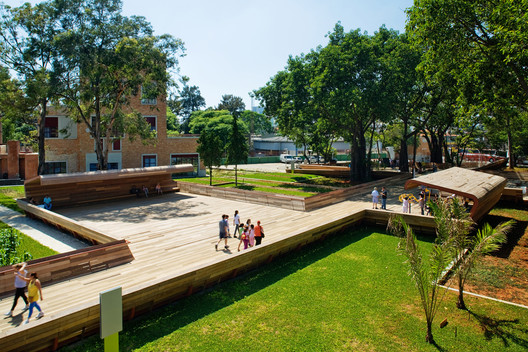
On this October 4th, National Landscape Architect Day, it is worth reflecting on the following question: What is the importance of landscape design? A seemingly simple question, yet one with a surprising answer. Landscape architecture is the tool with the greatest potential to transform our cities and, consequently, how contemporary society relates to nature.




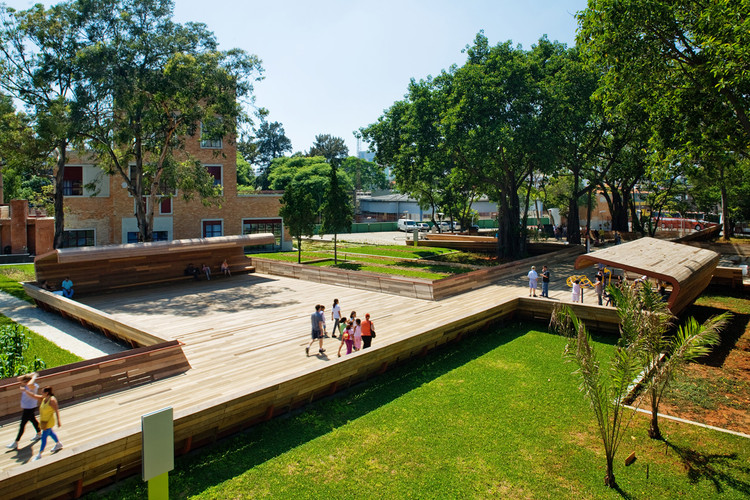
Landscape architecture offers solutions to water scarcity, flooding, and waterlogging in cities. Revegetation—especially urban forestry—in previously impervious areas allows rainwater to infiltrate the soil, recharging aquifers that feed natural springs, which gradually release water into rivers. These rivers, in turn, are typically where cities source their water supply. When this natural recharge process is disrupted, massive volumes of water accumulate on streets, causing floods. This runoff is collected by storm drains, routed through storm sewers, and eventually discharged into local water bodies. This enormous volume of water is dumped all at once into rivers, which often overflow and cause destruction due to the sheer force of the currents. As a result, instead of being retained, these waters rush away, carrying a heavy load of waste, heavy metals, and a range of other contaminants washed from the streets directly into the rivers from which—lest we forget—we draw our municipal water supply.