
Foundations are certainly not the structural elements on which architects spend the most time during the design process. Since they are typically underground and serve a strictly technical purpose, this decision is usually left to structural engineers. However, foundations play a crucial role in construction, as they are the structural elements that transfer building loads to the ground.
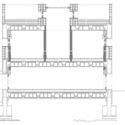
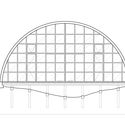
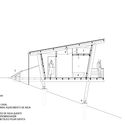
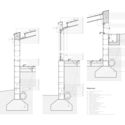

Choosing the appropriate foundation type depends on several factors, including soil characteristics and the loads acting on the building, and can directly influence the architectural design. Soft soils require deep foundations, which are much more expensive, and require wider column spacing to optimize the load-bearing capacity of the piles. Conversely, stable soils allow columns to be spaced closer together, reducing beam costs by minimizing their spans. Although foundations typically account for up to 10% of a building's total cost, trying to resolve subsequent foundation issues later on can be a massive headache—not to mention incredibly expensive.


