


Contemporary architecture does not come from scratch. Today’s projects are based on a series of experiments that have occurred since humanity began to conceive living and coexistence spaces. An intrinsic connection between customs, traditions, local materials, and construction techniques gave rise to ancestral and vernacular architectures. The influence of each population's context and culture can be an inspiration for contemporary architects who, by looking to the past, can effectively respond to the future.


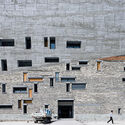


It is not enough to consider purpose and structure when designing. It is also necessary to understand the social and significant functions of a building within its cultural and geographical context. The importance of understanding local culture stretches beyond just bringing a sense of belonging to the community that will use the place. It can suggest spatial and functional organization based on how people interact with each other through internal courtyards, community spaces, worship areas, or other elements that are suitable for gathering. Or present different traditional techniques and local materials, which, together with an understanding of the workforce's skills, add tremendous sustainable potential for social transformation.


