How to visualize architectural concepts in SketchUp using D5 Lite for faster design exploration.
How to visualize architectural concepts in SketchUp using D5 Lite for faster design exploration.
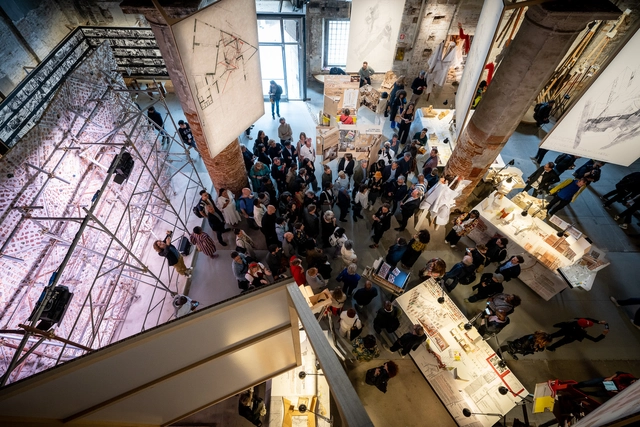
As Venice Architecture Biennale presents its 18th edition titled "The Laboratory of the Future", it centers on Africa as a place of exploration that will offer a template for solutions to the world. According to its curator Lesley Lokko, the Biennale explores entrenched concepts such as climate, land rights, decolonization, and cultures. It challenges us to question how Africa's history can be a radical tool for imagination and reminds us of Stephen Covey's statement: “Live out of your imagination, not just your history.” The biennale's title is probably the most ambitious question in years. It forces us to revisit all boundaries of the continent's historical societies, explore the influence of imposed colonial borders on them, and examine the dual identities they gave birth to. We must consider how these identities can be instruments of creativity, and, more importantly, recognize that every African society has a unique point of view. This viewpoint yearns for cross-cultural collaboration as a powerful tool for imagination.

Architecture is a continually evolving form of human expression influenced by cultural and contextual factors. While many of the problems we face today aren't directly linked to architecture, it has the ability to provide or facilitate solutions to these challenges. This has been evident throughout history, as societal issues have played a significant role in shaping our built environments. For instance, during the Victorian era, the infamous "Great Stink" led to the modernization of London's drainage system and urban layout. Similarly, the 2008 recession gave rise to the sharing economy and coworking spaces. Nowadays, the climate crisis is transforming the way we conceive architecture, seeking to reduce the carbon footprint of buildings and cities to achieve the Paris Agreement objectives. Given this backdrop, what challenges should we expect in the future?

BIG has partnered with experimental clothing brand Vollebak to create the vision for a self-sufficient off-grid island in Nova Scotia, Canada. The 11-acre Vollebak Island will receive several pavilions built of natural and innovative materials such as seaweed, hempcrete, and 3D-printed concrete, all powered by carbon-neutral energy. The island, located in Jeddore Harbor, one quarter off the Nova Scotia mainland, will be auctioned via Sotheby’s Concierge Auctions beginning June 8. Bidders will vie for the chance to own the island and to be granted exclusive rights to the design vision, including the planning permission for those designs.
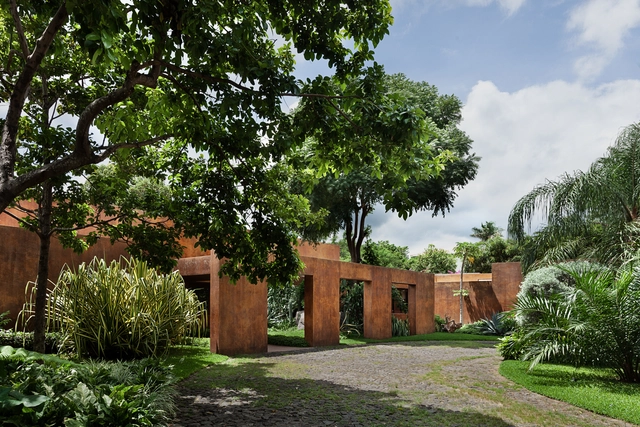
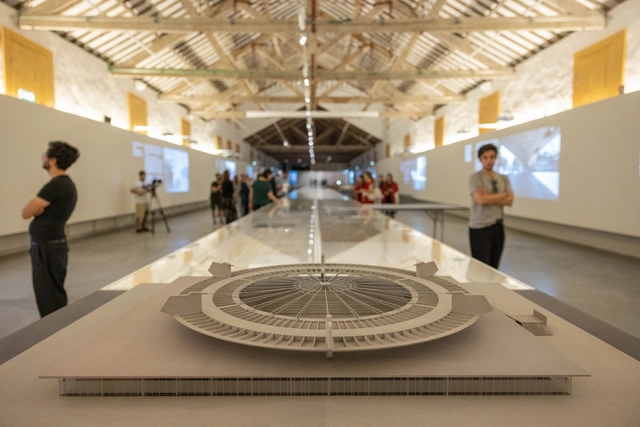
Four years after receiving the archive of Espírito Santo-born architect Paulo Mendes da Rocha, Portugal's Casa da Arquitectura is opening two exhibitions dedicated to the Brazilian winner of the Pritzker Prize (2006) and the Golden Lion at the Venice Biennale (2016). The larger of the two, featuring 138 original drawings, dozens of photographs, and other documents, is dedicated to the architect's built work and seeks to expand the notion of geography that runs through Mendes da Rocha's production.
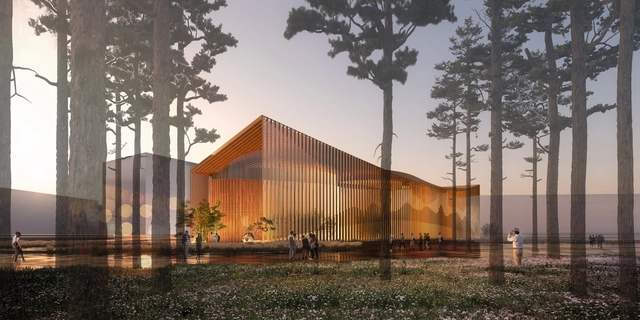
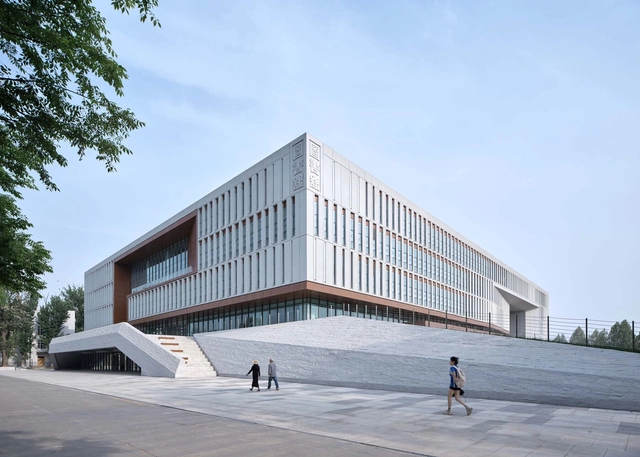
The China Pavilion's plan for Expo Osaka 2025 was revealed at a press conference held on April 26th, 2023, by the China Council for the Promotion of International Trade (CCPIT). Created by the China Architecture Design Group (CADG), the design revolves around "Inscribed Slips of China," resembling traditional Chinese inscribed slips and incorporating elements of bamboo, Chinese characters, and ancient books. This design showcases China's spirit and cultural essence, emphasizing the harmony between humanity and nature and China's commitment to sustainable development in the modern era.
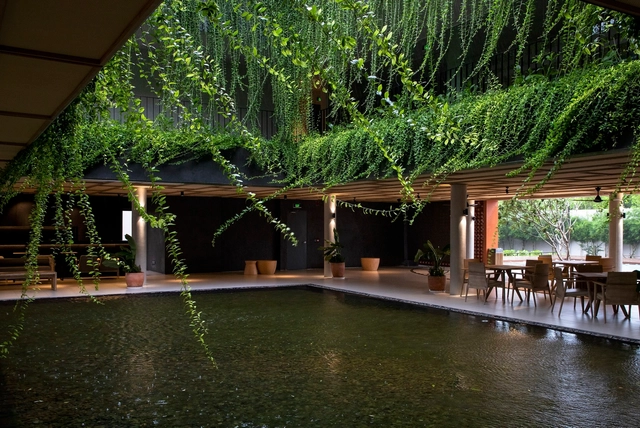
Climate issues have been the main topic of discussions about the future of cities, but they are certainly not new. The warning about human irreversibility on the planet has been part of scientific discourse since the 1980s. Faced with increasingly frequent environmental urgencies, Donna Haraway, in her book Staying with the Trouble: Making Kin in the Chthulucene, suggests a change in attitude on the part of humans to ensure not only partial environmental recovery but the species' survival.
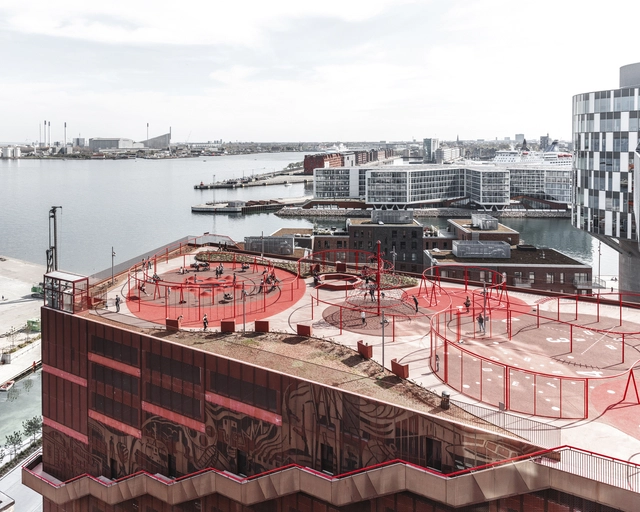
In increasingly denser urban environments, there is a new-found interest in underused spaces as opportunities for further development. Representing up to 25% of cities' land area, rooftops are among the most exciting spatial resources. From sustainable infrastructure and urban farming to social spaces and cultural venues, the article looks into the potential of creating a multi-layered city through the activation of urban rooftops.

This article was originally published on Common Edge.
As its full title somewhat implies, Nicholas Dagen Bloom’s new book, The Great American Transit Disaster: A Century of Austerity, Auto-Centric Planning, and White Flight (University of Chicago Press), tells the whole grisly story of how, in less than a century, the U.S. changed from a rail-connected nation of cities and towns to a sprawling network of increasingly congested roads. A historian and a professor of urban policy and planning at Hunter College, Bloom rejects the sort of conspiracy-driven narratives around transit’s demise and comes to an uneasy conclusion: America essentially chose the car for a variety of reasons, only one of which was automobile company collusion. I talked with Bloom about why transit in the U.S. collapsed, why it turned out differently in European cities, and the hopes for a transit renaissance.






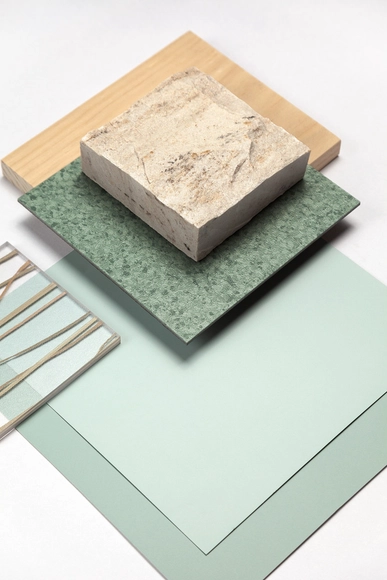
Collecting samples for a project can present a huge time loss for design professionals. To solve this, Swatchbox is out on a mission to help design professionals around the world, by offering a curated selection of interior and exterior samples from global brands in one place, at no cost. The rapidly growing material platform employs a team of architects and designers to curate a range of tile, brick, carpet, and paint finishes through their website and mobile app.