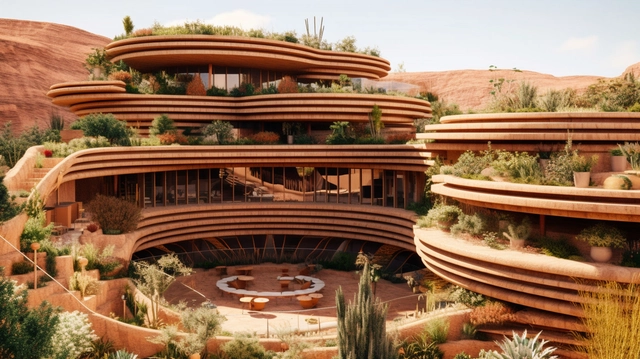
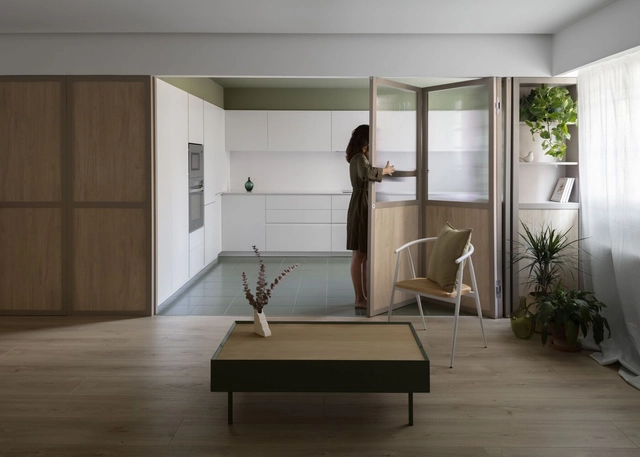
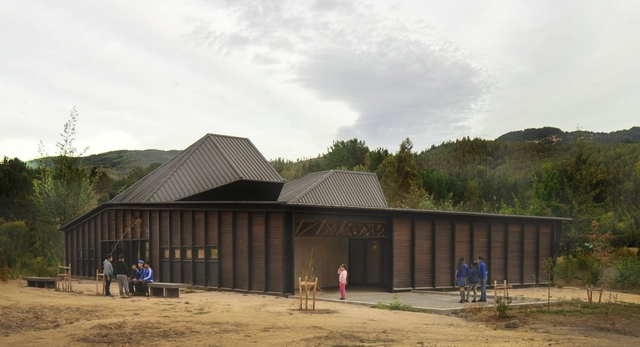
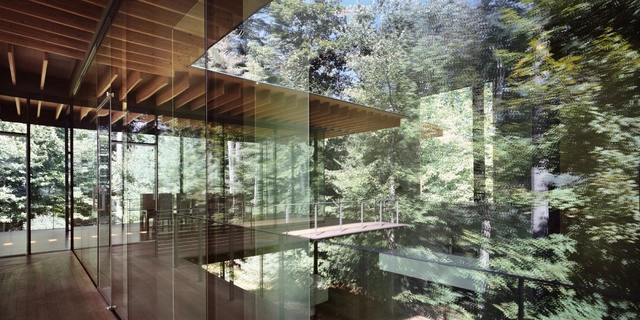
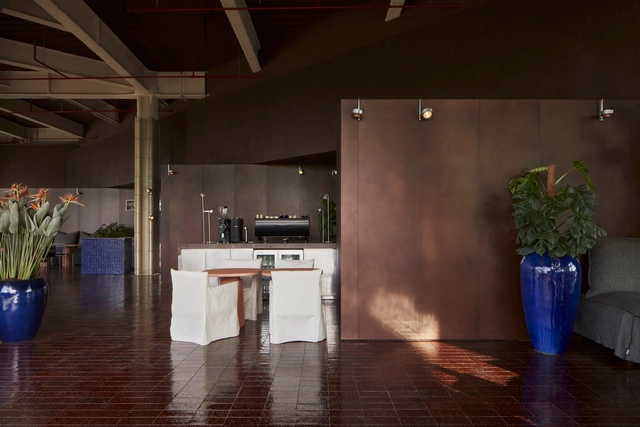
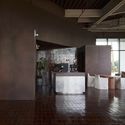
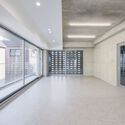
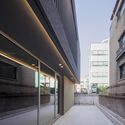
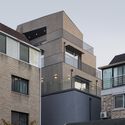
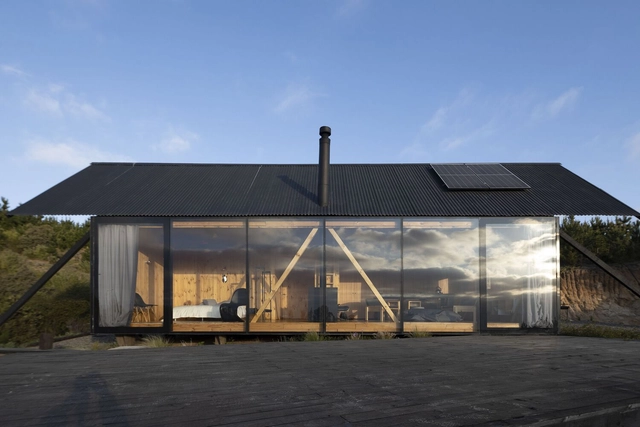
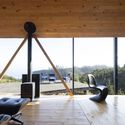
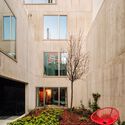
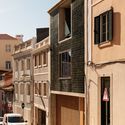
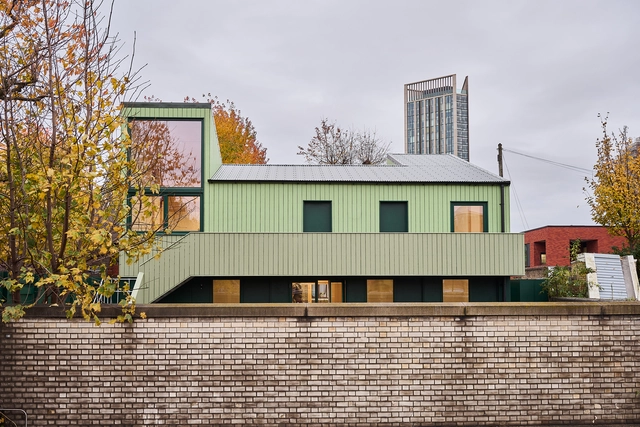
Research and design lab SPACE10 announces the winners from their first ever global design competition to reimagine home — using AI. With over 250 entries from around the world, a panel of 10 globally renowned architects, designers, AI artists, journalists, and creatives reviewed the submissions, and selected four winners.
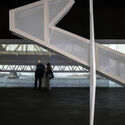
Erieta Attali’s photographic projects develop over long committed years and through many, many images. Yet for this, her second exhibition at the Byzantine Museum, she has distilled the profound dialogue she entertains with architecture into a selection of fifteen photographs. These are images of layered perceptions that capture the very essence of her approach to architecture and photography as complementary experiences of shifting opticality.
Ancient civilizations like the Egyptians, Greeks, and Romans understood long ago the importance of sanitation and wastewater management, building elaborate sewage systems by using underground drainage channels to carry wastewater away from their cities. These systems relied on gravity to transport wastewater to nearby bodies of water, since water cannot flow upward without being pumped. Today, many sewage systems continue using gravity in a similar way, with a suitable slope that facilitates the flow of wastewater downhill to treatment facilities or other infrastructure. This also occurs inside private lots, where a height difference is needed between the building's piping and the urban drainage or sewage system. But there are times when the available height difference is not sufficient, or when the system is lower than necessary, causing gravity to get in the way, and making the system impossible to function in turn.
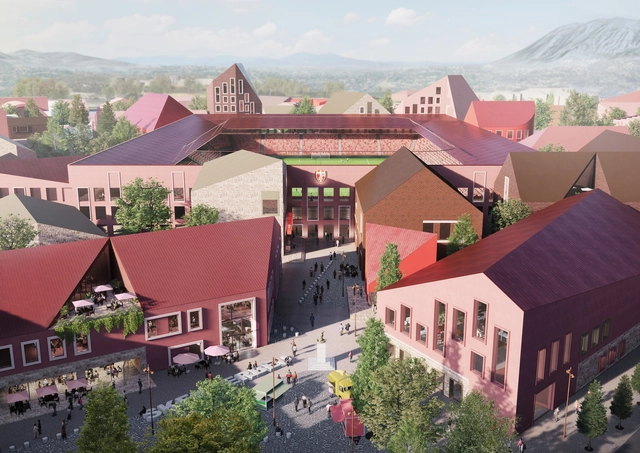
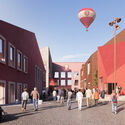
New Skenderbeu Stadium / CEBRA. Image Courtesy of CEBRA
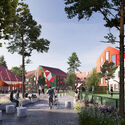
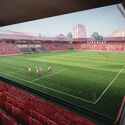
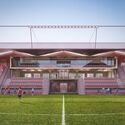
Danish architecture office CEBRA has won an international competition for the design of the new Skenderbeu Stadium in Korça, Albania. The winning proposal sets the 10,000-seat stadium in a lively neighborhood to create an engaging environment for fans, active citizens, businesses, and visitors of the Albanian city. The masterplan proposes buildings and alleys inspired by the Korça typologies to create a familiar cultural experience both in and around the stadium.
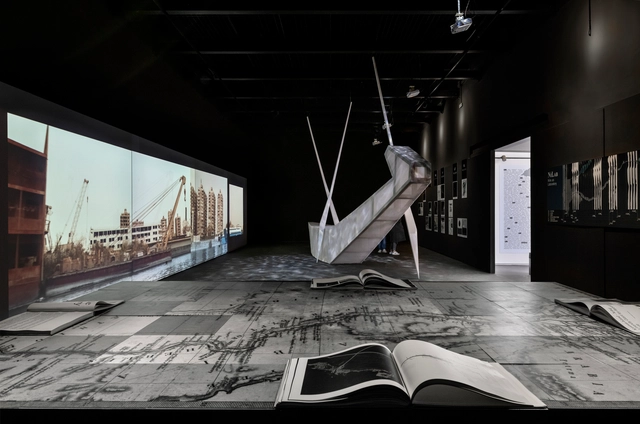
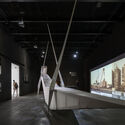
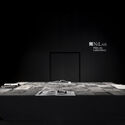
Installation at La Biennale di Venezia. Image Courtesy of NiLab
Along the longest river in the world, the Nile River, various landscapes and natural environments have been negatively impacted by interventions that do not consider the context or respect local cultures. In response, NiLab the Egyptian Pavilion at the 18th International Architecture Exhibition of La Biennale di Venezia, aims to revisit these places and highlight the value of architectural design in promoting more sustainable and culturally aware development along the river. The exhibition titled "NiLab: Nile as Laboratory", recognizes the Nile's exceptional geographical size, historical significance, and impact on natural and human landscapes, making it an ideal backdrop for reflection on contemporary issues.