What's the Water Footprint of Your Architecture Project?

As awareness of water scarcity, water stress and environmental sustainability grows around the world, the concept of "water footprint" is becoming increasingly relevant. Unlike its more popular cousin, "carbon footprint", which focuses on greenhouse gas emissions, the water footprint (WF) provides a holistic view of water used throughout the life cycle of a product, process, or activity. It measures the amount of water consumed (directly and indirectly) and polluted –taking into account different types of water resources– and serves as a valuable tool for companies, policymakers, and individuals to understand and address their water-related impacts. There are even online calculators that measure our individual footprints through simple questions about our homes, appliances and even eating habits.
Design for Resilient Communities at the UIA World Congress of Architects 2023

The UIA World Congress of Architects 2023 is an invitation for architects from around the world to meet in Copenhagen July 2 – 6 to explore and communicate how architecture influences all 17 UN Sustainable Development Goals (SDGs). For more than two years, the Science Track and its international Scientific Committee have been analyzing the various ways in which architecture responds to the SDGs. The work has resulted in the formulation of six science panels: design for Climate Adaptation, design for Rethinking Resources, design for Resilient Communities, design for Health, design for Inclusivity, and design for Partnerships for Change. An international call for papers was sent out in 2022 and 296 of more than 750 submissions from 77 countries have been invited to present at the UIA World Congress of Architects 2023 in Copenhagen. ArchDaily is collaborating with the UIA to share articles pertaining to the six themes to prepare for the opening of the Congress.
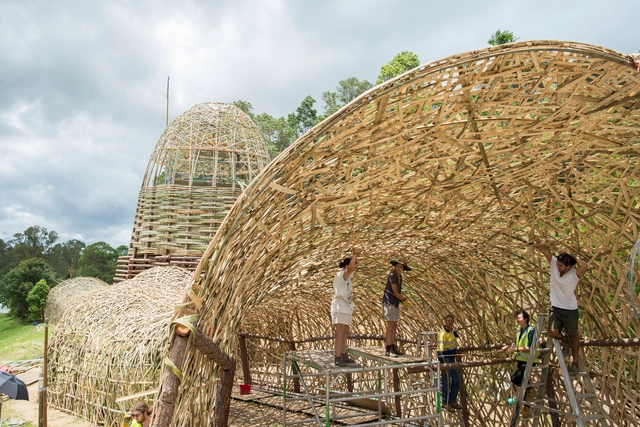
In this third feature, we met with co-chairs of Design for Resilient Communities Anna Rubbo, Senior Researcher, Center for Sustainable Urban Development (CSUD), The Climate School, Columbia University, and Juan Du, Professor and Dean of the John H. Daniels Faculty of Architecture, Landscape and Design, University of Toronto.

Design for Resilient Communities at the UIA World Congress of Architects 2023 - Image 1 of 4Design for Resilient Communities at the UIA World Congress of Architects 2023 - Image 2 of 4Design for Resilient Communities at the UIA World Congress of Architects 2023 - Image 3 of 4Design for Resilient Communities at the UIA World Congress of Architects 2023 - Image 4 of 4Design for Resilient Communities at the UIA World Congress of Architects 2023 - More Images+ 32

Preston House 01 / Healy Ryan Architects

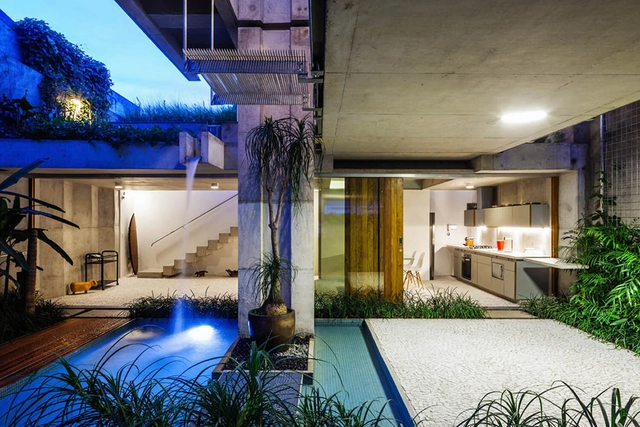
Preston House 01 / Healy Ryan Architects - Interior Photography, Houses, Kitchen, Table, ChairPreston House 01 / Healy Ryan Architects - Exterior Photography, Houses, Garden, Door, FacadePreston House 01 / Healy Ryan Architects - Interior Photography, Houses, Table, ChairPreston House 01 / Healy Ryan Architects - Interior Photography, Houses, Kitchen, Table, ChairPreston House 01 / Healy Ryan Architects - More Images+ 12

•
Preston, Australia
  • Area Area of this architecture project Area:  183 m²
  • Year Completion year of this architecture project Year:  2021
  • Manufacturers Brands with products used in this architecture project
    Manufacturers:  Architectural Window Systems , AustView, Blackbutt
  • Professionals: Jam Building Group

Clay as a Sustainable Raw Material for High Quality and Durable Pavers

 | Sponsored Content

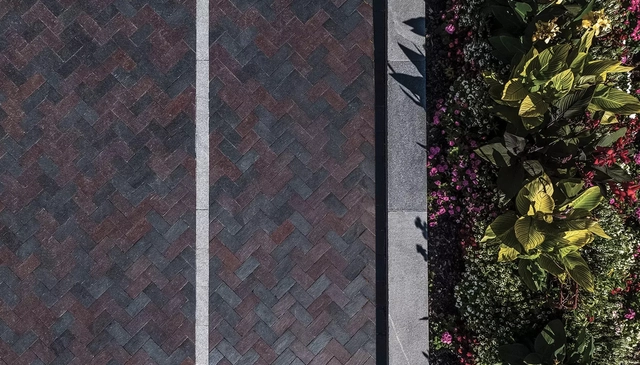
Composed of very fine mineral particles and formed through the weathering and erosion of rocks over long periods of time, clay has properties that make it useful for a wide range of applications. When wet, it becomes extremely malleable and plastic, and can be molded into different shapes. When dry, it is hard and rigid, and is widely used for construction and ceramics. Clay pavers are quite common for outdoor use due to their durability, resistance to weather and traffic, their natural hues and ease of installation.

Home for Family / Koki Sugawara Architects

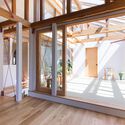
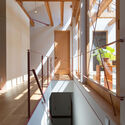
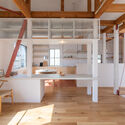
Home for Family / Koki Sugawara Architects - Interior Photography, Houses, Beam, FacadeHome for Family / Koki Sugawara Architects - Interior Photography, Houses, Beam, Facade, Handrail, TableHome for Family / Koki Sugawara Architects - Interior Photography, Houses, Kitchen, Beam, TableHome for Family / Koki Sugawara Architects - Interior Photography, Houses, Stairs, Facade, Beam, LightingHome for Family / Koki Sugawara Architects - More Images+ 21

  • Area Area of this architecture project Area:  84 m²
  • Year Completion year of this architecture project Year:  2022
  • Manufacturers Brands with products used in this architecture project
    Manufacturers:  Sangetsu
  • Professionals: Efforks

Interior Design of Boatyard Hotel Interiors / WJ STUDIO

Interior Design of Boatyard Hotel Interiors / WJ STUDIO - Interior Photography, Hotels Interiors, Arch, ChairInterior Design of Boatyard Hotel Interiors / WJ STUDIO - Interior Photography, Hotels Interiors, Chair, LightingInterior Design of Boatyard Hotel Interiors / WJ STUDIO - Interior Photography, Hotels Interiors, FacadeInterior Design of Boatyard Hotel Interiors / WJ STUDIO - Interior Photography, Hotels Interiors, Bedroom, Facade, BedInterior Design of Boatyard Hotel Interiors / WJ STUDIO - More Images+ 22

  • Interior Designers: WJ STUDIO
  • Area Area of this architecture project Area:  1200 m²
  • Year Completion year of this architecture project Year:  2023

Regeneration of Yumin Village / Ingameoffice

Regeneration of Yumin Village / Ingameoffice - Exterior Photography, Renovation, FacadeRegeneration of Yumin Village / Ingameoffice - Exterior Photography, Renovation, FacadeRegeneration of Yumin Village / Ingameoffice - Exterior Photography, Renovation, Garden, StairsRegeneration of Yumin Village / Ingameoffice - Interior Photography, Renovation, Lighting, Chair, TableRegeneration of Yumin Village / Ingameoffice - More Images+ 47

•
Shenzhen, China
  • Architects: Ingameoffice
  • Area Area of this architecture project Area:  10000 m²
  • Year Completion year of this architecture project Year:  2020

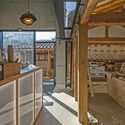
Bukchon House / Boundaries architects

Bukchon House / Boundaries architects  - Exterior Photography, Adaptive Reuse, Courtyard, FacadeBukchon House / Boundaries architects  - Interior Photography, Adaptive Reuse, Kitchen, Beam, Facade, DoorBukchon House / Boundaries architects  - Interior Photography, Adaptive Reuse, LightingBukchon House / Boundaries architects  - Interior Photography, Adaptive Reuse, FacadeBukchon House / Boundaries architects  - More Images+ 26

WEBINAR OTEC | Design Builder 7

Following the success of our webinar held last Thursday (May 25), we invite those who were unable to attend to join us for another session!

Laathof 44 Social Houses / plusoffice architects

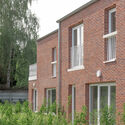
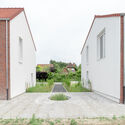
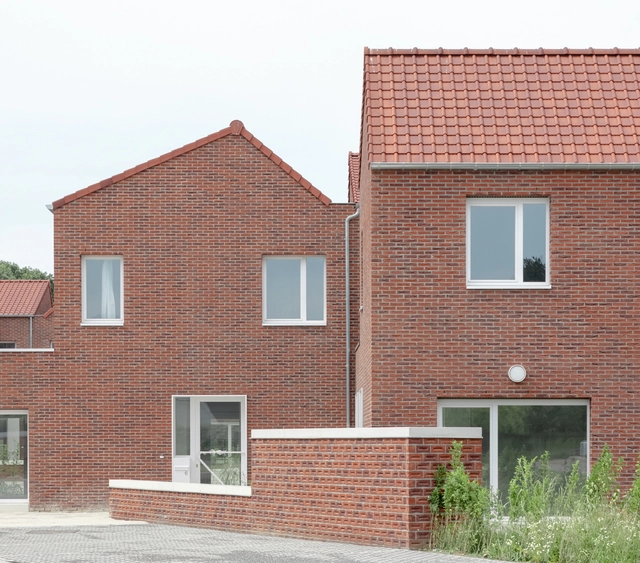
Laathof 44 Social Houses / plusoffice architects - Exterior Photography, Houses, Garden, Facade, StairsLaathof 44 Social Houses / plusoffice architects - Exterior Photography, Houses, Garden, Facade, DoorLaathof 44 Social Houses / plusoffice architects - Exterior Photography, Houses, Garden, Facade, DoorLaathof 44 Social Houses / plusoffice architects - Interior Photography, Houses, Facade, HandrailLaathof 44 Social Houses / plusoffice architects - More Images+ 18

Office Building Rathausstraße 1 / Schuberth und Schuberth + Stadler Prenn + Ostertag

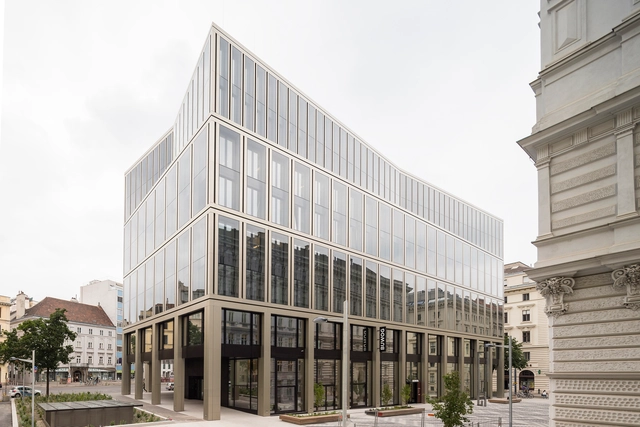
Office Building Rathausstraße 1 / Schuberth und Schuberth + Stadler Prenn + Ostertag - Exterior Photography, Office Buildings, FacadeOffice Building Rathausstraße 1 / Schuberth und Schuberth + Stadler Prenn + Ostertag - Exterior Photography, Office Buildings, FacadeOffice Building Rathausstraße 1 / Schuberth und Schuberth + Stadler Prenn + Ostertag - Interior Photography, Office Buildings, Kitchen, FacadeOffice Building Rathausstraße 1 / Schuberth und Schuberth + Stadler Prenn + Ostertag - Exterior Photography, Office Buildings, FacadeOffice Building Rathausstraße 1 / Schuberth und Schuberth + Stadler Prenn + Ostertag - More Images+ 27

Urban Apiary / Palafito Arquitectura

Wantijhof Dordrecht Building Complex / Studio AAAN

Wantijhof Dordrecht Building Complex / Studio AAAN - Exterior Photography, Residential, FacadeWantijhof Dordrecht Building Complex / Studio AAAN - Exterior Photography, Residential, FacadeWantijhof Dordrecht Building Complex / Studio AAAN - Exterior Photography, Residential, FacadeWantijhof Dordrecht Building Complex / Studio AAAN - Exterior Photography, Residential, Facade, BalconyWantijhof Dordrecht Building Complex / Studio AAAN - More Images+ 14

Subscriber Access

Finding The Right Path: 20 Public Environments That Reveal The Secrets of Successful Wayfinding

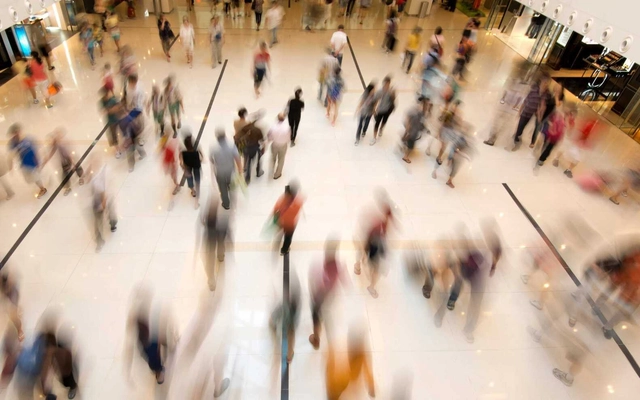
It’s easy to feel lost and anxious in a new environment. Even with the satellite-accurate quality of modern map apps in our back pockets, modern humans still get stressed when their internal map of the immediate area draws a blank. 

While digital maps help us to find the fastest route through streets, when our need for direction is most urgent – such as finding the right department in a vast hospital campus, the relief of a toilet in a foreign airport, or the right platform 30 seconds before a train departs – even with innovative IPS technology, digital interfaces still come a distant second to well-placed signs or other, more intuitive, solutions.

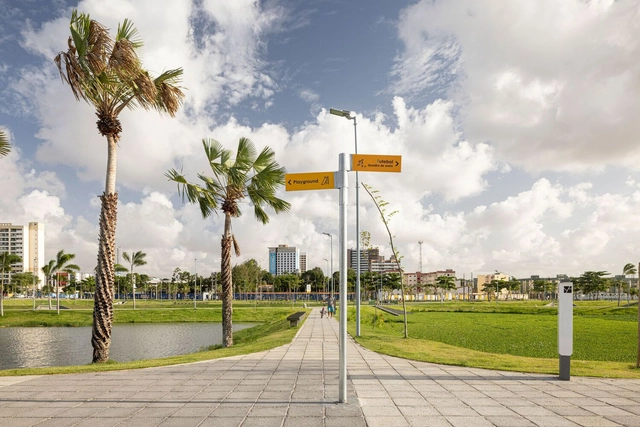
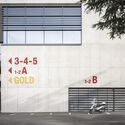
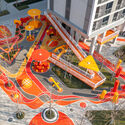
Finding The Right Path: 20 Public Environments That Reveal The Secrets of Successful Wayfinding - Featured ImageFinding The Right Path: 20 Public Environments That Reveal The Secrets of Successful Wayfinding - Image 1 of 4Finding The Right Path: 20 Public Environments That Reveal The Secrets of Successful Wayfinding - Image 2 of 4Finding The Right Path: 20 Public Environments That Reveal The Secrets of Successful Wayfinding - Image 3 of 4Finding The Right Path: 20 Public Environments That Reveal The Secrets of Successful Wayfinding - More Images+ 21

8 Common Building Access Requirements for Architectural Projects

 | Sponsored Content

In medieval cities, walls played a crucial function, acting both as a defense against external threats and as a symbol of power and control, while also regulating local trade. The access to the interior of these cities was strictly controlled by guarded gates, drawbridges, and portcullises, ensuring the free flow of local residents and simultaneously obstructing travelers and potential invaders. While fortified towers and armed guards are now primarily associated with prisons, creating access conditions that promote security, reliability, and practicality remains a challenge for architects and designers, especially in complex infrastructure projects such as airports, hospitals, and educational centers. 

What is the Impact of Apple’s Vision Pro Augmented Reality Goggles on the Field of Architecture?

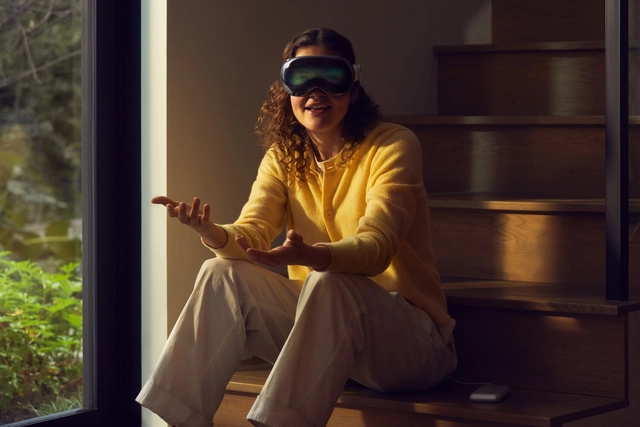
On June 5, Apple launched Apple Vision Pro, a new type of spatial computer that uses augmented reality goggles to allow users to experience a blend between the digital and physical worlds. The device promises to offer its users an infinite canvas for apps, larger and more immersive than traditional displays, while allowing them to stay present and connected to others. It features visionOS, the first spatial operating system to create this new way of interacting with digital content. Previous concepts like the metaverse have promised to transform the way we experience digital worlds, with architects taking the opportunity to delve into the design of restriction-free virtual spaces. Could this new device bring new ways of experiencing three-dimensional spaces, to better integrate architecture with digital environments?

What is the Impact of Apple’s Vision Pro Augmented Reality Goggles on the Field of Architecture? - Image 1 of 4What is the Impact of Apple’s Vision Pro Augmented Reality Goggles on the Field of Architecture? - Image 2 of 4What is the Impact of Apple’s Vision Pro Augmented Reality Goggles on the Field of Architecture? - Image 3 of 4What is the Impact of Apple’s Vision Pro Augmented Reality Goggles on the Field of Architecture? - Image 4 of 4What is the Impact of Apple’s Vision Pro Augmented Reality Goggles on the Field of Architecture? - More Images

Vertbois Building / Moussafir Architectes + Inside Outside Architecture

Vertbois Building / Moussafir Architectes + Inside Outside Architecture - Exterior Photography, Renovation, Facade
© Hervé Abbadie

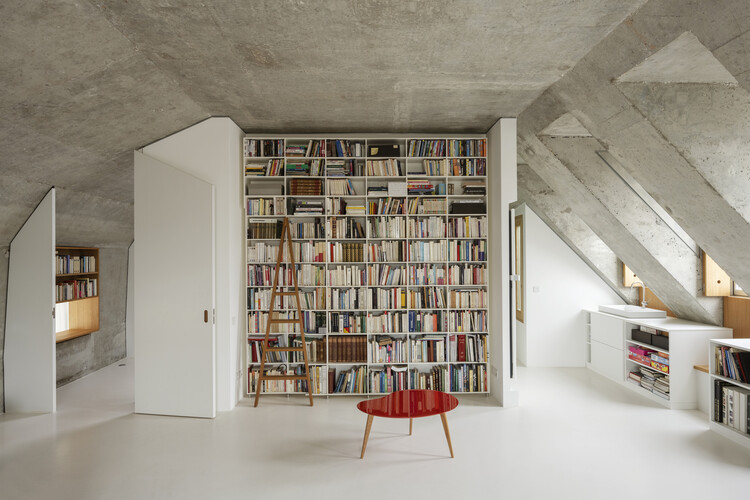
Vertbois Building / Moussafir Architectes + Inside Outside Architecture - Exterior Photography, Renovation, FacadeVertbois Building / Moussafir Architectes + Inside Outside Architecture - Exterior Photography, Renovation, Facade, Handrail, BalconyVertbois Building / Moussafir Architectes + Inside Outside Architecture - Interior Photography, RenovationVertbois Building / Moussafir Architectes + Inside Outside Architecture - Interior Photography, Renovation, Kitchen, Table, Lighting, ChairVertbois Building / Moussafir Architectes + Inside Outside Architecture - More Images+ 39

Steven Holl Architects Unveils New Masterplan in Abruzzo, Italy

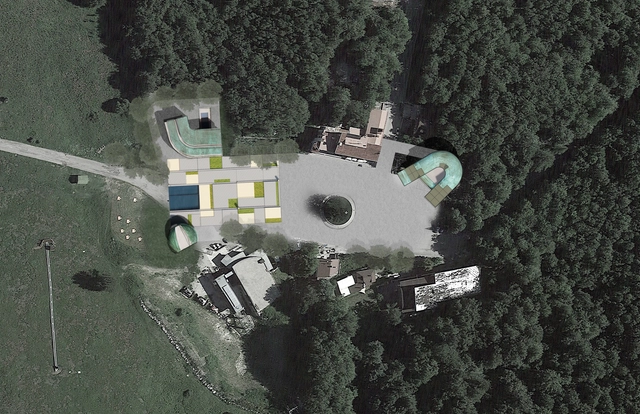
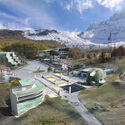
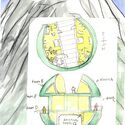
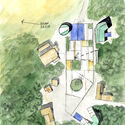
Steven Holl Architects has revealed a plan for the Gran Sasso area in Abruzzo, Italy, specifically in Prati di Tivo. The project aims to develop an area dedicated to tourists and mountaineers, complete with accommodation spaces, pools, spas, a restaurant, and a public plaza with views toward the mountain range. The designs and models of the project, along with the initial watercolor sketches, are presented at the Antonia Jannone Disegni di Architettura exhibition titled "Steven Holl: Half Earth," which will be available for viewing from May 26 to July 14.

Steven Holl Architects Unveils New Masterplan in Abruzzo, Italy - Image 1 of 4Steven Holl Architects Unveils New Masterplan in Abruzzo, Italy - Image 2 of 4Steven Holl Architects Unveils New Masterplan in Abruzzo, Italy - Image 3 of 4Steven Holl Architects Unveils New Masterplan in Abruzzo, Italy - Image 4 of 4Steven Holl Architects Unveils New Masterplan in Abruzzo, Italy - More Images

You've started following your first account!

Did you know?

You'll now receive updates based on what you follow! Personalize your stream and start following your favorite authors, offices and users.