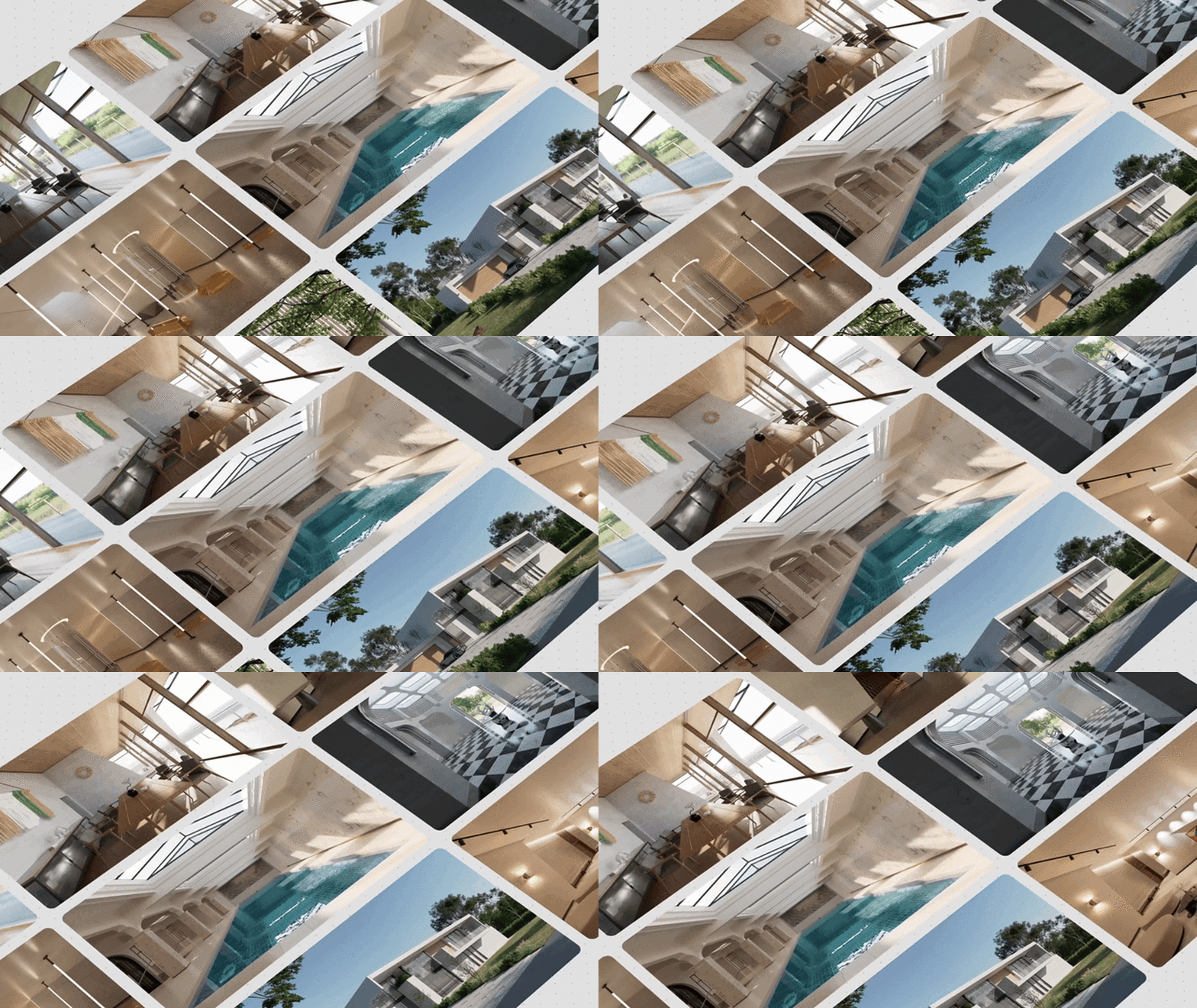
How to visualize architectural concepts in SketchUp using D5 Lite for faster design exploration.
How to visualize architectural concepts in SketchUp using D5 Lite for faster design exploration.


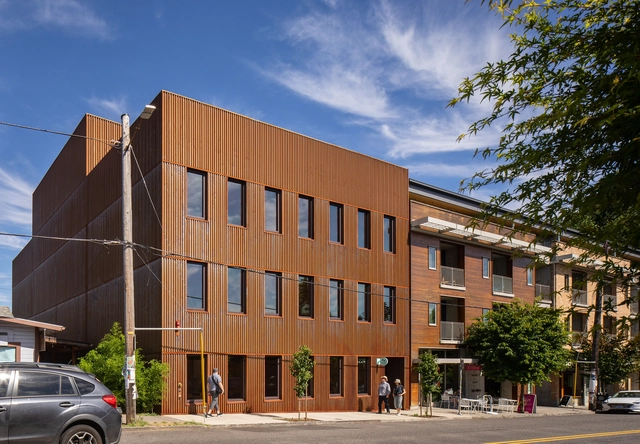

The School of Architecture at Universidad Finis Terrae is organizing the series "School Dialogues: Teaching Architecture," which brings together academics from various architecture schools across Chile to discuss and exchange contemporary perspectives and ideas regarding the teaching of the discipline.


Breaking free from twenty years of fascist rule, post-war Italy became fertile ground for brutalist architecture. Stark new concrete forms reshaped Italian urban landscapes with bold landmarks, from the iconic Torre Velasca in the centre of Milan to the controversial Vele di Scampia housing complex on the periphery of Naples.
This playful and engaging book by Zupagrafika guides readers around these examples of Italian brutalist architecture, informing curious explorers about their features, failures, and successes, with a special focus on public housing estates such as “Lavatrici” in Genoa, Nuovo Corviale in Rome, Vele di Scampia in Naples, and Rozzol Melara in Trieste. The first half of Brutalia opens with a foreword by Italian architect and writer Alessandro Benetti; it includes photographs of the featured buildings and details on their histories. The second section contains five pre-cut and pre-folded models to press out and assemble. All you need is glue!
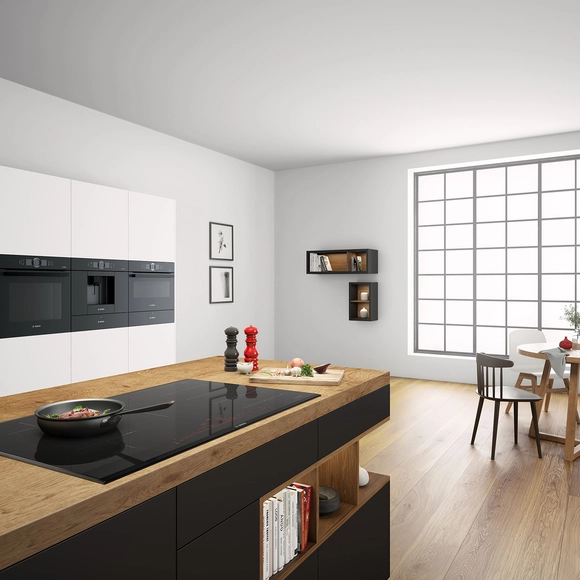
The world is increasingly electric, from our cars to our homes, making our lives more efficient and sustainable. Electricity overtook natural gas as the leading home heating source for the first time in 2020, and natural gas consumption hit a five-year low in January and a four-year low in February. This shift toward electrification is especially prevalent in the kitchen, a central hub of energy use. The U.S. Department of Energy estimates 15% of energy consumption in the average American home happens in the kitchen between cooking, refrigeration, hot water heating, and dishwashing.
Architects and homeowners looking to increase efficiency and sustainability are finding the benefits of induction. According to ENERGY STAR, gas cooktops are only 32% efficient at transferring heat, and traditional electric stovetops are 75-80% efficient — induction is even better at 85% efficiency.
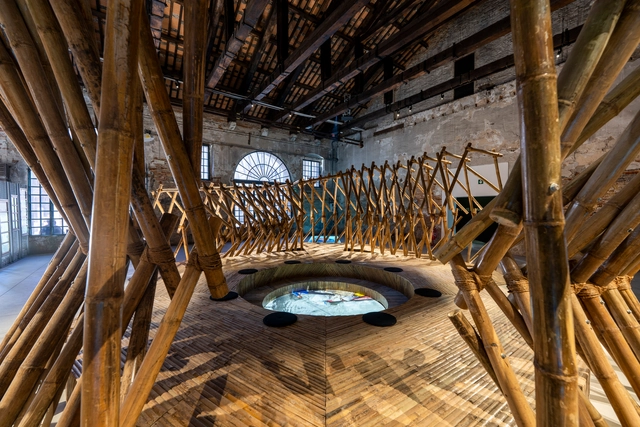
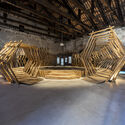
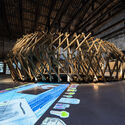
At the 18th International Architecture Exhibition of La Biennale di Venezia, The Philippines Pavilion presents an exhibition that investigates the ecology and social implication of the Tripa de Gallina estuary in Manila. The body of water, once a mechanism for flood mitigation, has now become congested and polluted, affecting the lives of the nearby communities. The Pavilion aims to present the initiative that set out to gather and investigate the guts of the estuary and to work with the residents to find adequate and sustainable architectural solutions. Titled “Tripa de Gallina: Guts of Estuary,” the exhibition in Venice is co-curated by Architect Choie Funk and Sam Domingo and presents the work of the Architecture Collective, represented by Bien Alvarez, Matthew Gan, Ar. Lyle La Madrid, Noel Narciso and Arnold Rañada.
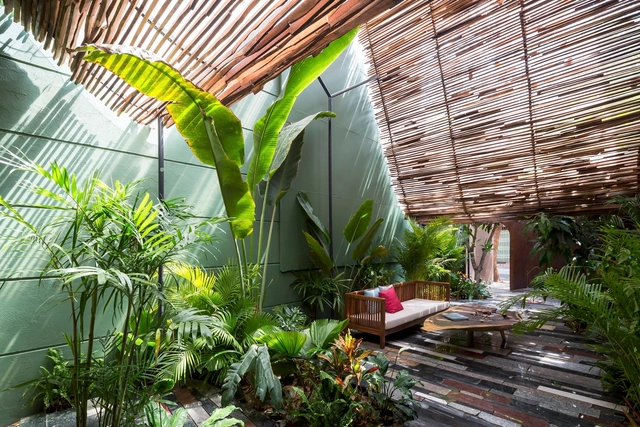
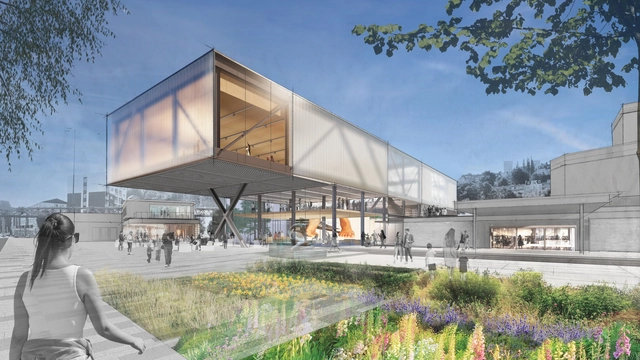
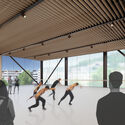
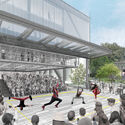
Diller Scofidio + Renfro has won an international competition to design the new Pina Bausch Zentrum in Wuppertal, Germany. Pina Bausch’s legacy as a dancer and choreographer will be celebrated in the design and revitalization of the Tanztheater Wuppertal, as well as in the creation of a new production center. The building will emerge out of the ethos of Pina Bausch, setting an example for a new generation of leadership in the world of choreography.
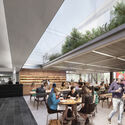
Apart from the production stage centers, the design includes an archive of Pina Bausch's enormous artistic legacy, comprising a library, study, and research areas, and a public platform to promote community involvement with many creative and academic disciplines. Various contrasting and flexible spaces that encourage and foster conversation across the project's numerous program components are found throughout the proposed design.
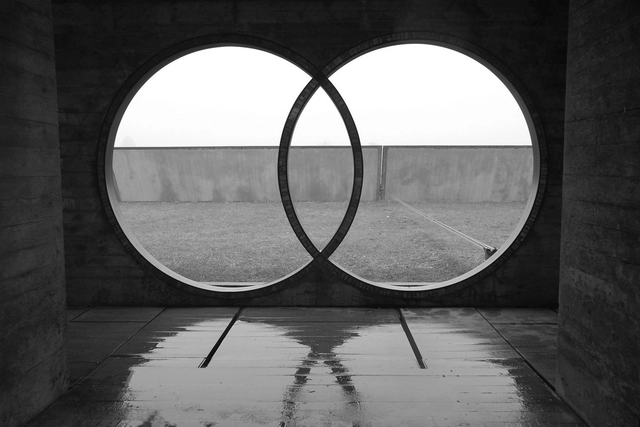
Even as a child, the Venetian architect Carlo Scarpa was very aware of the fundamental element that would describe and underpin his work many years later: water. When he played and ran around the maze of streets and canals, Scarpa listened to everything around him, especially the richness of stimuli that his hometown offered him. A sensitive reader of places, he found his great text in Venice. This culture, subtle and almost academic, except for that devotion to scenography and the esoteric, is built over time; art, space, history, all compiled in his readings, trips to knowledge, and in his contact with artists and writers.
Scarpa would base his evolution as an architect on his extraordinary visual culture and his respect for tradition and the way of doing things in past eras; taking up the baton of that time and converting his reality into architectural space where all the pieces are independent units, dialoguing with each other or, as he liked to say, singing. He positions himself before what exists, whether it be an artistic piece or architectural space, from knowledge and sensitivity. He will apprehend the history and place in which it occurs and accentuate the existing beauty in things, showing the prominence of the new as a precious element.
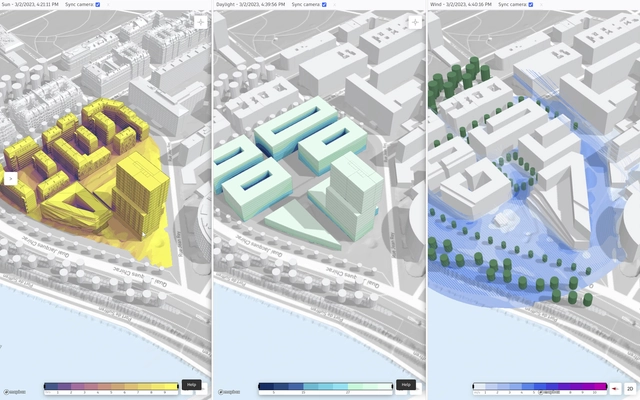
The architecture profession is increasingly facing the pressures of a rapidly changing era marked by urbanization, population growth, and climate change. To effectively navigate the complexities surrounding architectural and urban projects, there has been an acceleration in the adoption and integration of data-driven technologies such as Artificial Intelligence (AI) and machine learning. However, valid concerns have risen regarding the potential loss of the designer's creative control, with fears that their role may be reduced to a mere "parameter adjuster." Is this a genuine possibility or merely a reflection of resistance to change?
In a conversation with Carl Christensen, Autodesk's Vice President of Product, we delve into the impact of AI on the traditional role of the architect and explore the opportunities that arise with these technological advances. As paradigms shift, forward-thinking architects and designers could find themselves especially empowered to expand their influence and shape a new future for the discipline.