How to visualize architectural concepts in SketchUp using D5 Lite for faster design exploration.
How to visualize architectural concepts in SketchUp using D5 Lite for faster design exploration.
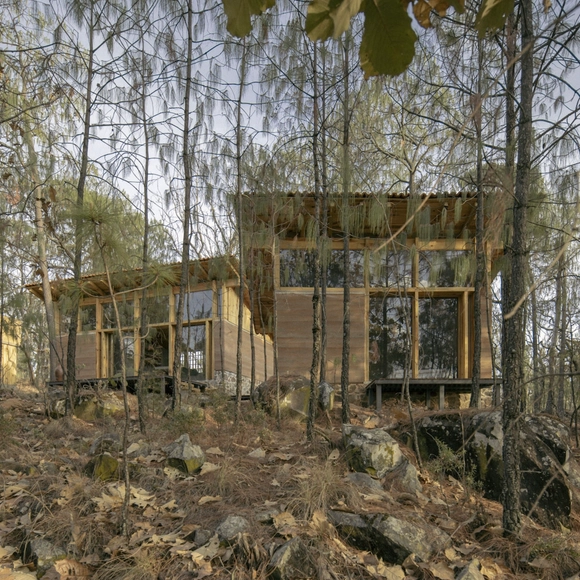
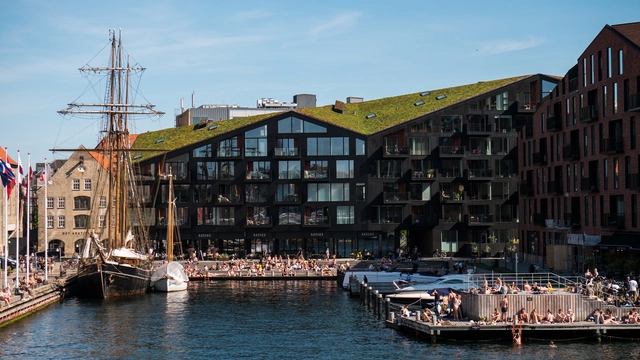
Over the course of five days this week, Copenhagen hosted the largest gathering in the realm of sustainable architecture, bringing together over 6,000 participants from 135 nations. The UIA World Congress of Architects 2023 focused on the theme "Sustainable Futures – Leave No One Behind." This event served as a forum for distinguished researchers and professionals of various backgrounds and ages to delve into methods of creating buildings that address climate change, bolster biodiversity, and foster social inclusivity. As the congress drew to a close, "The Copenhagen Lessons" were unveiled, comprising ten principles intended to facilitate swift and transformative progress in the field of sustainable construction.
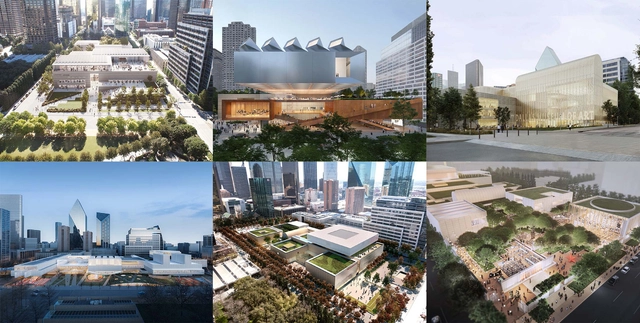
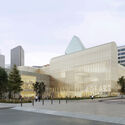
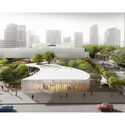
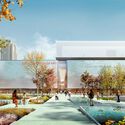
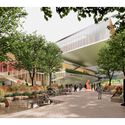
The Reimagining of the Dallas Museum of Art International Design Competition has revealed its shortlisted entries. Announced by the Dallas Museum of Art (DMA), the six finalists selected from a total of 154 submissions worldwide are David Chipperfield Architects, Diller Scofidio + Renfro, Johnston Marklee, Michael Maltzan Architecture, Nieto Sobejano Arquitectos, and Weiss/Manfredi. The museum just released images of the competition finalists’ design concepts, and the public is invited to comment on the different proposals.


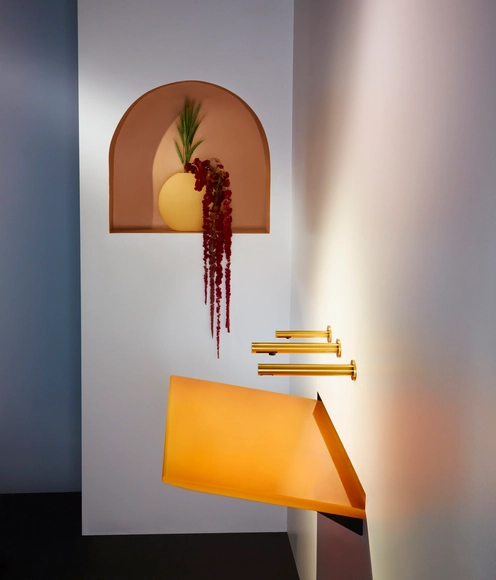
When designing contemporary restroom solutions, for both residential and various commercial settings such as corporate, commercial, public, and hospitality purposes, different approaches can shape the design strategy. In line with the latest ongoing discoveries and styles, the use of disruptive material strategies and the presence of minimal and muted lines and color palettes seem to be predominant when creating cutting-edge bathroom designs. Disruptive design aims to enhance functionality, sustainability, and aesthetics through the integration of different features such as smart technologies or modular units, while minimal strategies emphasize simplicity, clean lines, and a luminous color scheme to create soothing and sophisticated environments.
Transforming how we think about restroom spaces, The Splash Lab reinterprets the restroom experience by incorporating four main principles: inclusivity, innovation, sustainability, and a holistic approach. Combining both disruptive designs with minimal strategies, they have created The Aerofoil, a floating single-plane sink that is characterized by its intelligent elements while maintaining a refined design style.



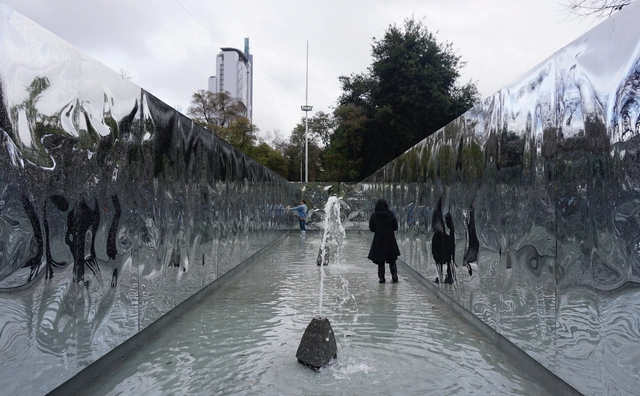
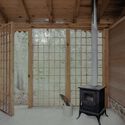
From July 11 to 16, the La Fuente Pavilion is open to the public in Balmaceda Park in Santiago, Chile. This new public space installation, designed by architect Camilo Palma (Abarca+Palma), invites visitors to engage in "contemplation and tranquility around the stimuli and sensations of water." The structure, composed of mass-produced, prefabricated building elements, sits atop the original 1931 fountain designed by Oscar Prager, Sergio Larraín, and Jorge Arteaga.
To experience the public space firsthand, ArchDaily visited the installation on a rainy day.

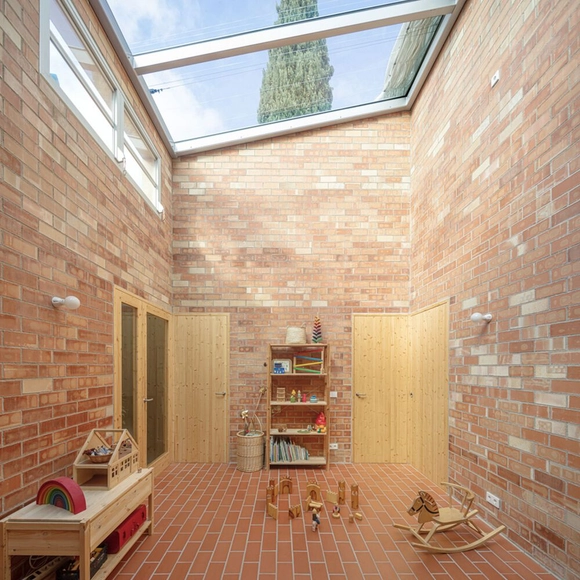
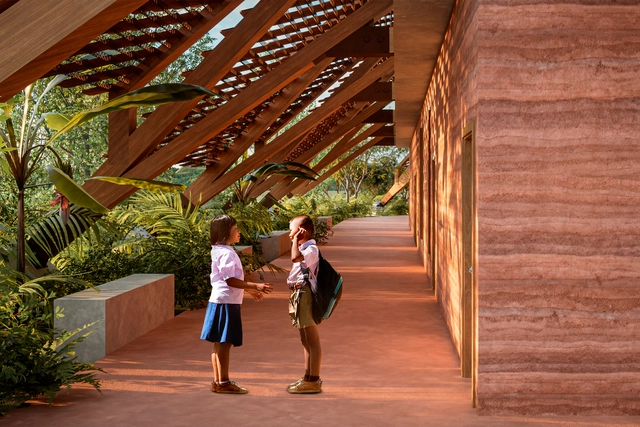
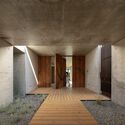
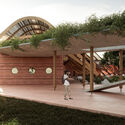
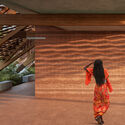
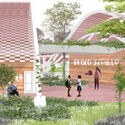
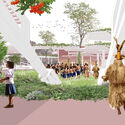
The Escuela Guaraní Mbya, designed by the Brazilian firm Studio Guimarães Rosa, was selected as a finalist in the 5th edition of the Prêmio Félix Candela, one of Mexico's premier design competitions. The contest centered on the concept of the "man of maize"—the human returning to the land. The firm proposed a rural school that equips people to return to the countryside. The guiding question for the designers was: how to return without destroying? Their answer was to learn from Indigenous peoples.
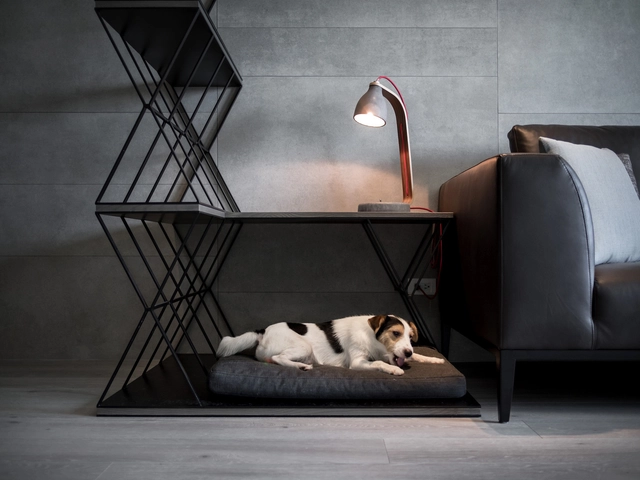
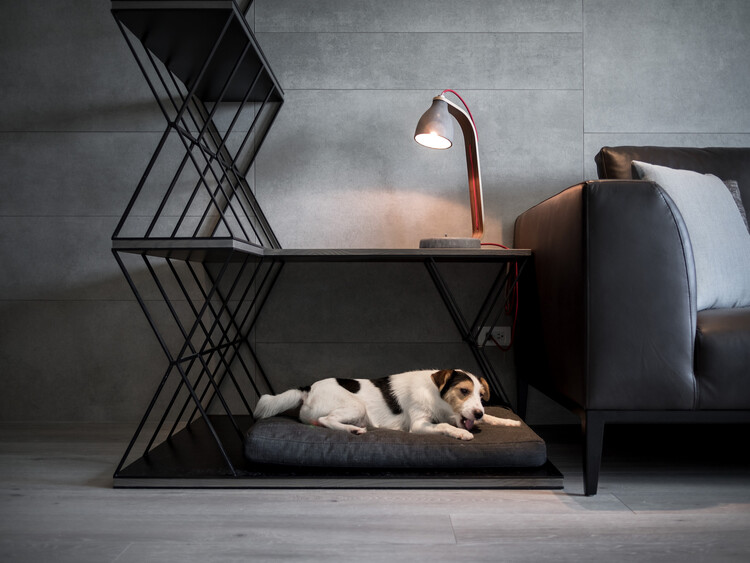
It’s said that our ability as a species to easily form strong emotional bonds with creatures of another species is one of the unique characteristics that differentiate humans from animals. But what about the love we receive in return? Scientists have even gone as far as to measure and compare the blood pressure and oxytocin levels of our pets when we’re together, and when we’re apart, in order to prove such a fact.
With the reciprocated familial love shared between pets and owners coming close to between family members themselves, it’s no wonder our pets feel like part of our families. But why, then, are we less likely to include them in the major design decisions of our homes?