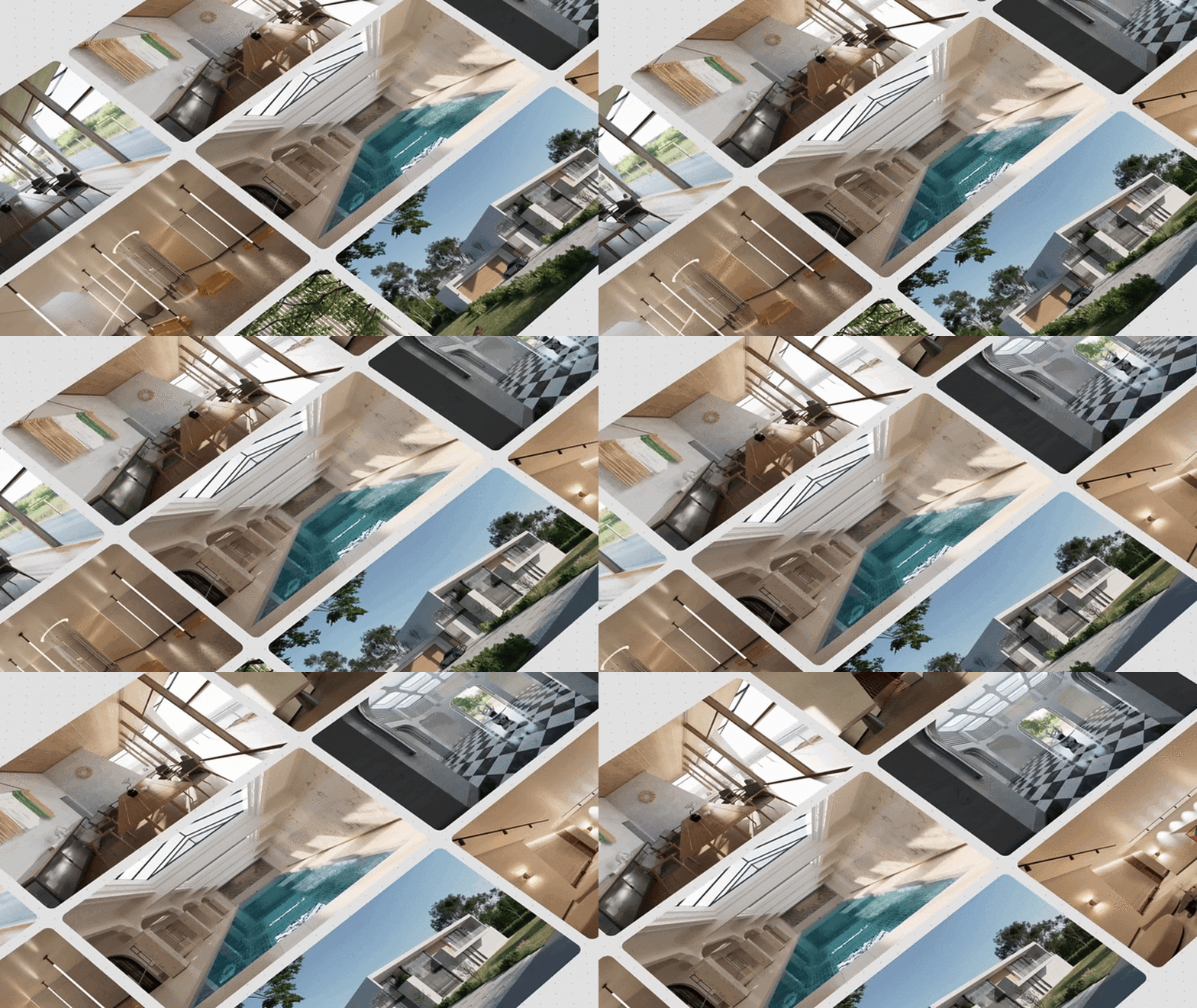
How to visualize architectural concepts in SketchUp using D5 Lite for faster design exploration.
How to visualize architectural concepts in SketchUp using D5 Lite for faster design exploration.

This monograph explores the work of Holly & Smith Architects (H/S) over the past 40 years. This compilation of some of the firm’s most recent work demonstrates the designer’s deep respect for the climate, vernacular, culture/context, topography, and the natural environment of the deep South. Significant climate and environmental factors have informed the H/S design philosophy. The culture of south Louisiana has also greatly influenced the design solutions by respecting the vernacular and context of the semi-rural communities.

This publication documents the work carried out by fourteen Design-Build Studios in Latin America over the past twenty years, compiling a total of thirty-nine projects that place an emphasis on teaching with a social agenda and the impact that the construction experience has on students and communities.

An apparent fragility shapes the design of the set built for the exhibition Taib: A History of the Theater, about the Brazilian Yiddish Art Theater (Teatro de Arte Israelita Brasileiro), founded in 1960 and built in the basement of Casa do Povo, a cultural center in Bom Retiro, São Paulo. With exhibition design by the collective Goma Oficina — a transdisciplinary design, architecture, and art association — the theater is staged on the first floor, presenting the powerful history of survival and re-existence of Jewish poetry despite the persecution and violence of the Nazi regime until the end of World War II.

Concrete has enormous resistance to compressive stress, but it is a fragile material in terms of tension, which occurs when forces are applied in opposite directions of a structure, tending to separate the parts. This is why the incorporation of steel into concrete –which provides high levels of strength when stretched– has made so-called reinforced concrete the world's most widely used construction method. In other words, reinforced concrete combines the intrinsic advantages of its two components (concrete and steel reinforcement) to produce an extremely robust, versatile, and practical material. These steel reinforcements, in addition to reinforcing concrete, can also be used in art installations, facades, and even interiors.
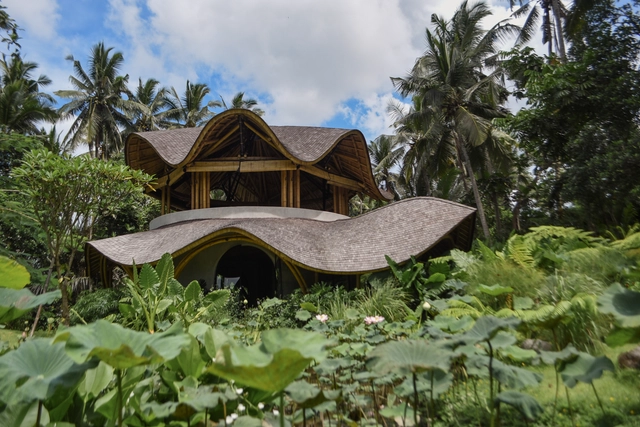

The A' Design Awards recently completed its 2022-2023 cycle, for which it awarded hundreds of projects, in various categories, from around the world. As one of the world's leading international juried design competitions, its objective is to recognize and promote the best in global design, across a number of creative disciplines. With over 100 categories –including Furniture Design; Architecture, Building and Structure Design; Interior Space and Exhibition Design, and more– the award is currently open for entries for the 2023-2024 cycle.
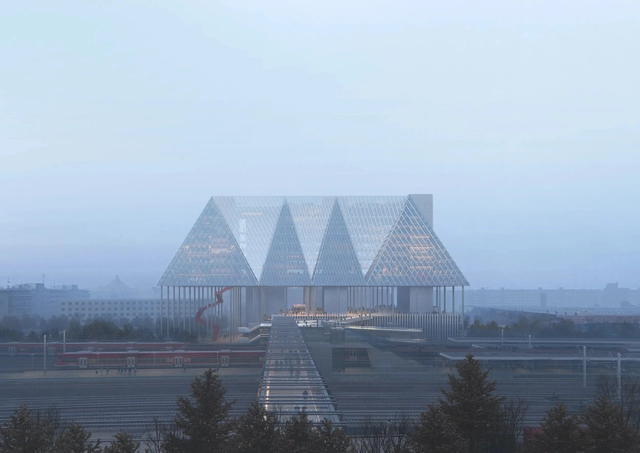
OMA’s competition design for UniCredit’s new Headquarters in Munich, Germany, proposes a plaza lifted off the ground to increase public spaces and urban connectivity and to activate an otherwise overlooked area. The scheme aims to “retroactively attribute character to an area which may never have had one.” The site is located by one of the city’s main arteries, the S-Bahn, a strictly functional area lacking in public spaces or amenities. The building proposed by OMA is lifted off the ground, with its limited footprint allowing for more public space to be integrated while preserving the site’s natural features.
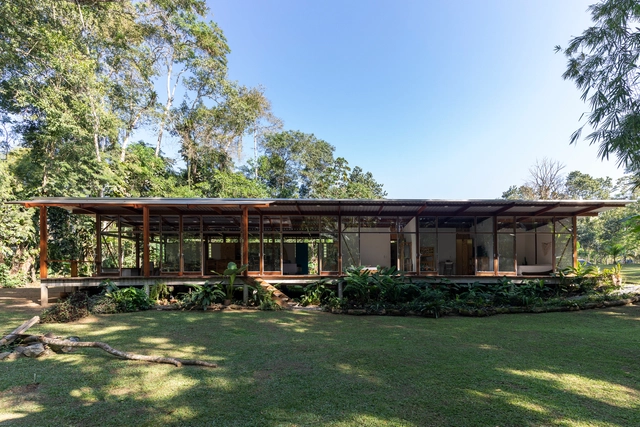
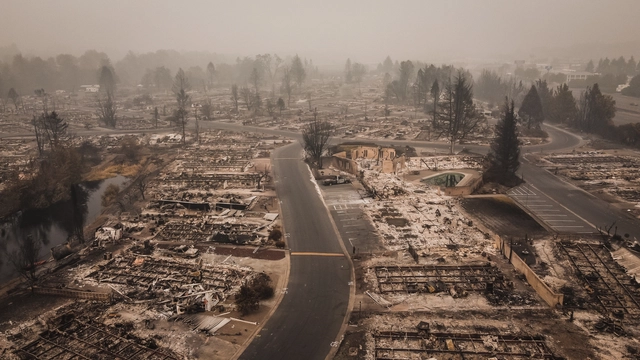
The 2023 United Nations Conference of the Parties, more frequently referred to as COP28 is a joining of over 160 countries that intrinsically agree to combat harmful human impacts on the climate. The International Climate Summit takes place annually, bringing together heads of state, delegates, and representatives from various countries to negotiate actions and agreements related to climate mitigation. Last year, COP 27 was held between November 6 and November 18, 2022, in Sharm El Sheikh, Egypt. As the upcoming COP 28 in the United Arab Emirates is around the corner, it is worth looking at the conference’s impact and what to expect.
COP 28 will convene from November 30 to December 12 2023 in Dubai, United Arab Emirates. In this year’s COP28, the program will be geared towards responding to the Global Stocktake and “closing the gaps to 2023.” The COP presidency has launched a consultation on thematic areas, encouraging international stakeholders to highlight the most pressing issues that should be prioritized in COP28. The themes for this year are Technology & Innovation, Inclusion, Frontline Communities, and Finance.

The city of San Miguel de Allende is located within the state of Guanajuato, in the central-northern region of Mexico, geographically bordering the states of Zacatecas, San Luis Potosí, Querétaro, Michoacán, and Jalisco. It covers an area of 43.6 hectares and is one of the most populated regions in its state. In 2008, it was declared a World Heritage Site by UNESCO and is characterized by its baroque and Spanish architecture. It is part of the list of magical towns in Mexico. Additionally, in this city, you will find the Parish of San Miguel Arcángel, built with the pink quarry stone typical of the region.
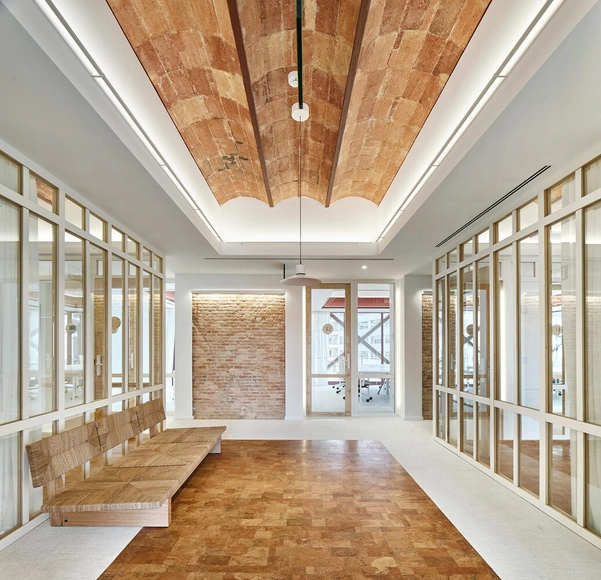
Designers and architects have a mountain of modern, high-performance flooring options at their disposal. From standard choices like wood, carpet, ceramic tiles, or natural stone; to heavy-duty commercial favorites like terrazzo, concrete, or poured epoxy. Add less well-tread options like cork and leather and then multiply them all with imitation solutions like laminate and luxury vinyl, and it’s easy for decision-makers to get lost in indecision.
Despite the size of the marketplace, however, we tend to just make our choices and stick with them, using just one type of floor for each room. Not so in the case of the following four projects, which select and arrange various flooring types together in the same room, adding functionality to the floor and helping to improve how we interact with the spaces above.


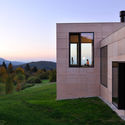
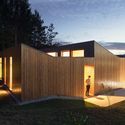
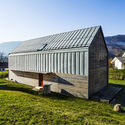
Slovenia has continuously redefined design across rural life. With an architecture that’s intimately tied to the country’s geography, Slovenia emerged as a crossroads of European cultural and trade routes. This produced hybrid building styles and typologies defined by history and exchange. Expanding upon modernist roots and the work of architects like Max Fabiani, Ivan Vurnik, and Jože Plečnik, contemporary building projects are designed through ideas on multiplicity and coupled programming.
James Wines, a New York architect and environmental artist, has been on a mission of sorts. He believes that architecture needs to be liberated from itself. This act of liberation is expressed in many radical projects that he and his company, SITE (Sculpture In The Environment) realized in 11 countries. Wines is world famous for such projects as Ghost Parking Lot (Hamden, CO, 1977), Highrise of Homes (theoretical project, 1981), Highway 86 (Vancouver, Canada, 1986), Fondazione Pietro Rossini Pavilion (Briosco, Italy, 2008), and Off-White Showroom for Virgil Abloh (Ginza, Tokyo, 2021). The very essence of the architect’s work is expressed in his fascinating stores for BEST Products Company, the key focus of my conversation with the architect that took place over Zoom on August 10, 2022, following many of our in-person meetings.