How to visualize architectural concepts in SketchUp using D5 Lite for faster design exploration.
How to visualize architectural concepts in SketchUp using D5 Lite for faster design exploration.
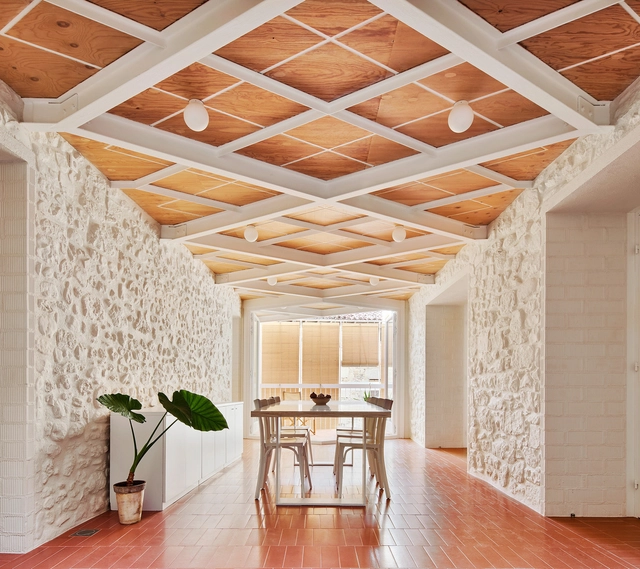
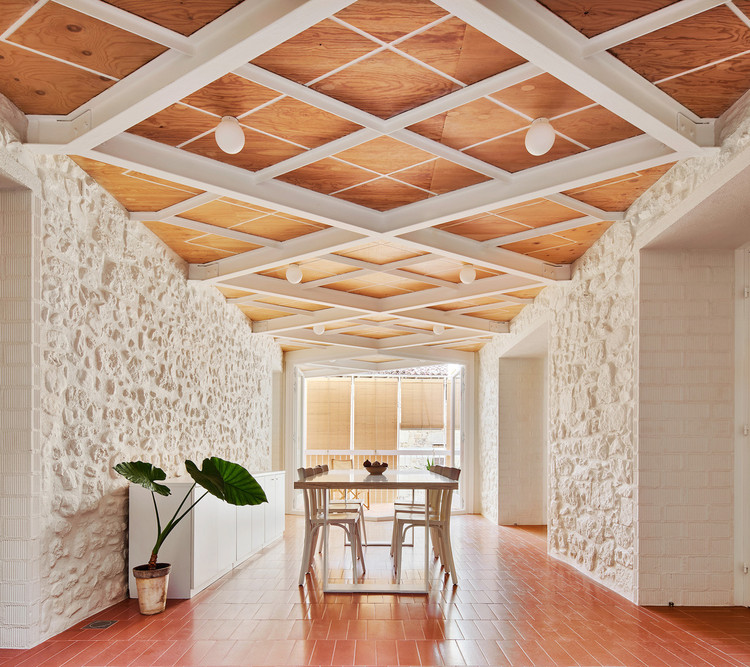
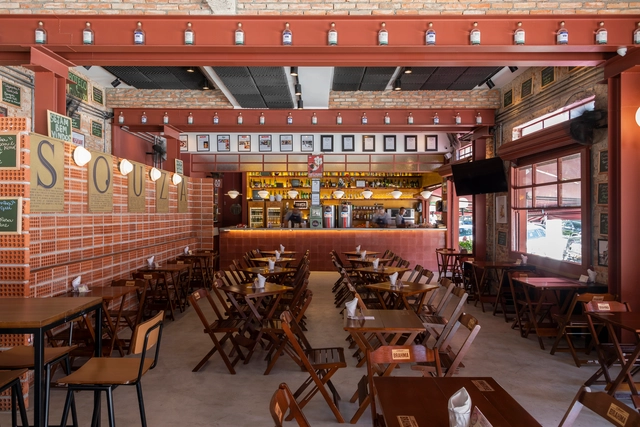
Perhaps one of the most common phrases you'll hear when talking about interior renovations is "whatever you initially planned on spending, double it, and double the time with it". Renovations, regardless of their scale, can be very time consuming and costly, especially when unexpected changes pop up last minute. However, we are often met with situations where the interior layout is no longer efficient or we feel that the interior design is a little outdated and its time for a change.
Giving your space an upgrade does not necessarily mean spending all your savings, and spending less does not necessarily mean low quality work. From doing the construction work yourself, to giving furniture pieces completely new functions, here are different ways you can renovate residential and commercial interior spaces without breaking the bank.

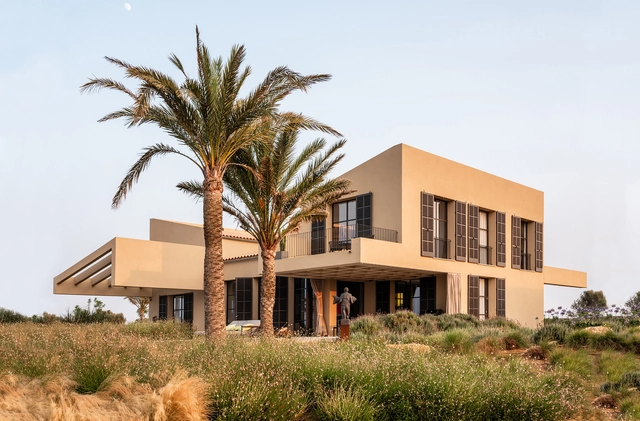

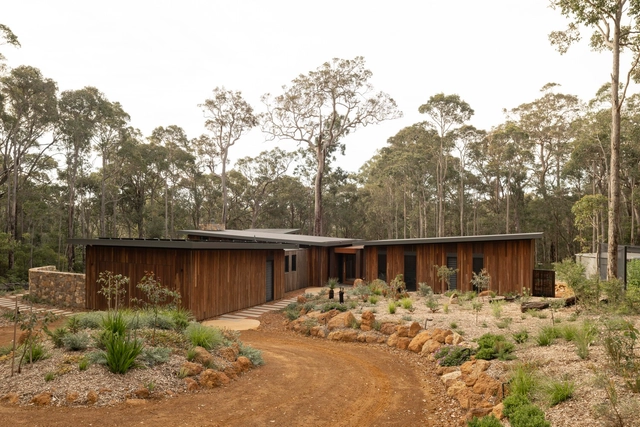

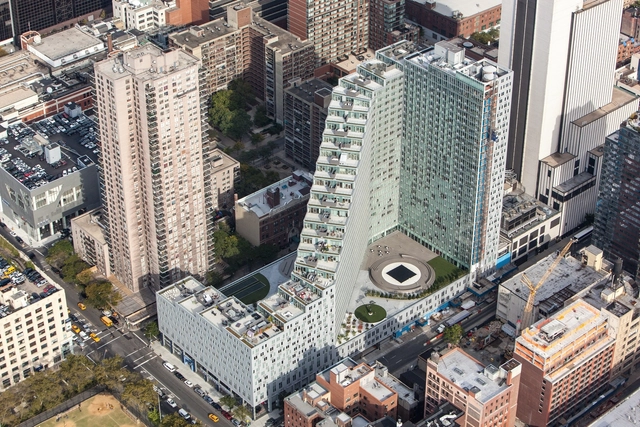
Mexican architect Enrique Norten has been awarded the Lorenzo H. Zambrano Award for his outstanding career as an architect and professor. He is the founder and director of TEN Arquitectos (Mexico City, New York, and Miami) and, throughout his career, has been internationally recognized for his extensive portfolio of more than 60 built projects around the world.
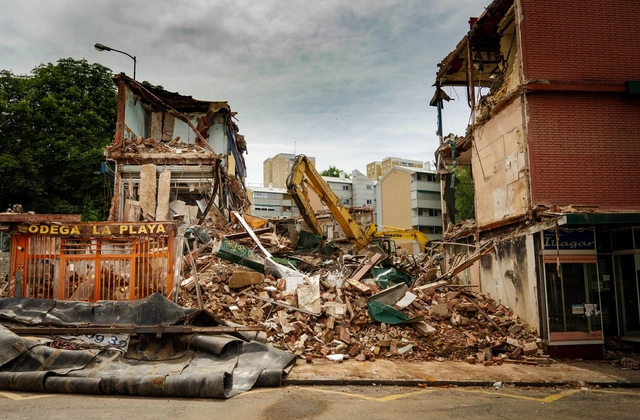
The built environment is responsible for approximately 42% of annual global CO2 emissions. During a building's lifespan, half of these emissions come from its construction and demolition. To decarbonize architecture and control global emissions, it is important to rethink and reduce the upfront or embodied carbon impacts of demolitions, as well as implement sustainable construction strategies for buildings. Demolitions typically involve dismantling, razing, destroying, or wrecking buildings and structural parts, leading to unsustainable levels of carbon emissions, material depletion, waste, and pollution. These hasty methods of ending the life cycle of a building have negative impacts on the environment, material components, and recycling strategies. Therefore, there is a clear need to re-think the way in which we approach the end of a building or infrastructure project's life towards a more sustainable system of deconstruction.
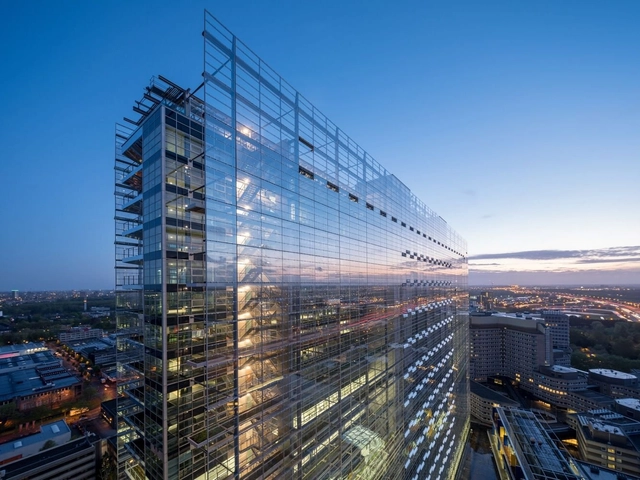
Moving towards a sustainable future is a global challenge that involves all disciplines working together. According to the 2021 Global Status Report for Buildings and Construction, almost 40% of carbon emissions come from the construction industry. This places a heavy responsibility on the industry, which must be open to exploring innovative strategies, technologies, and materials in order to pave the road towards a universal sustainability goal: reaching carbon neutrality by no later than 2050.
With that in mind, this article presents three specific products and systems –low-carbon glass, low-carbon concrete, and lightweight materials– that architects are applying in their projects to contribute to a low-impact architectural design.

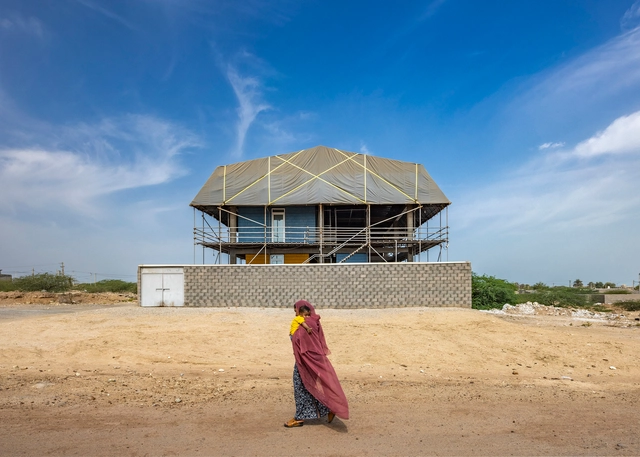
In this Louisiana Channel interview with Yasmeen Lari, the renowned Pakistani architect speaks about the role of architects and the needed perspective shifts of the industry in contemporary times. Awarded the RIBA Royal Gold Medal in 2023 for her humanitarian efforts, Lari emphasizes the need to rethink the architecture industry to address social disparities and resource deficiencies. In the interview, the architect and designer reflects on her upbringing, architectural education, and her practice today.
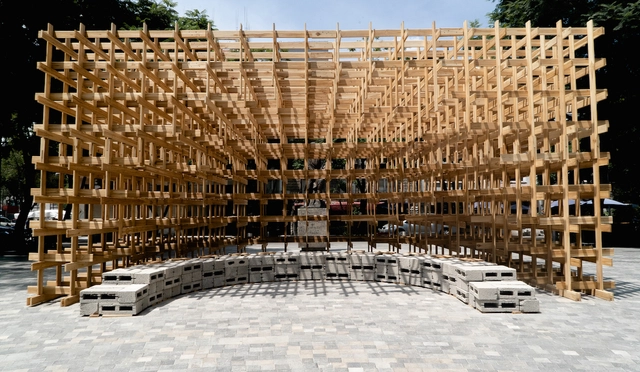
For the ninth time, the MEXTRÓPOLI Architecture and City Festival held the Arquine Competition No. 25 | MEXTRÓPOLI 2023 Pavilion, a platform where architecture, urbanism, and art converge to contemplate and celebrate Mexico City. The event also aims to engage the public by occupying public spaces with architectural pieces that can be activated by visitors. Celebrating public spaces or offering a different perspective on the places routinely traversed is the reason MEXTRÓPOLI showcases these ephemeral architectural pieces.
In 1999, Birgit Lohmann and Massimo Mini co-founded designboom, self-proclaimed as the "first online architecture and design magazine." Seven years later, Facebook transitioned from Ivy League universities to massive audiences, while the first tweet was posted on formerly-known Twitter. Sixteen years have passed since these milestones.
While 16 years may be a short period in architecture, digital media and social networks are far from being considered emergent in the history of the internet. In fact, they form the core of the current Web 2.0 model, characterized by a dual interaction between content producers and consumers: sharing, liking, remixing, and reposting.
Indeed, the speed and magnitude of the transformations that digital media have undergone, and in turn, driven, provide the opportunity to begin documenting the history of the digital era and its impact on architecture.