How to visualize architectural concepts in SketchUp using D5 Lite for faster design exploration.
How to visualize architectural concepts in SketchUp using D5 Lite for faster design exploration.
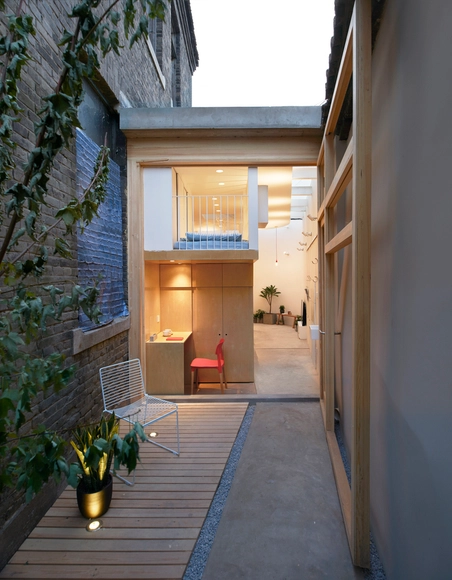
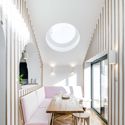
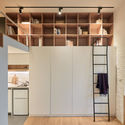
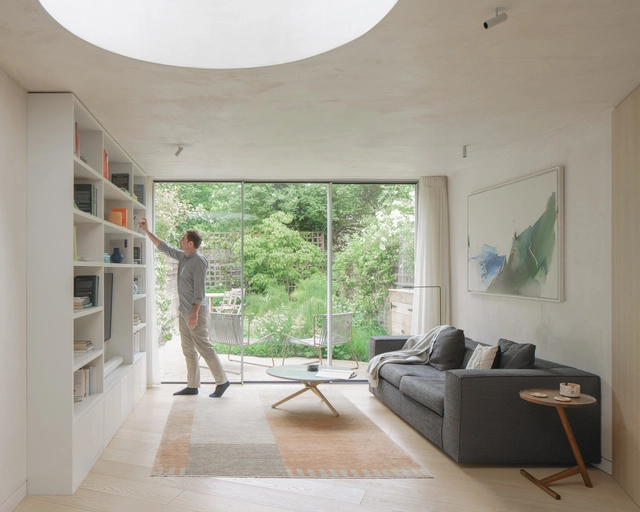
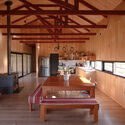
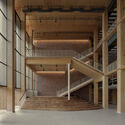
One of the most essential aspects of interior design is lighting – an element that can make or break an interior space of any size or material. Yet good lighting can be especially important for smaller or more crowded spaces, making them feel larger and more open even when their literal dimensions haven’t changed. In turn, larger spaces with poor lighting may feel smaller and less welcoming than they have the potential to be. To make interiors feel aptly large and well lit, designers can rely on several tried and true methods that make the most of a space, from using the right shades and types of lights to placing them in the best locations to integrating other elements that best complement existing lighting. These strategies, as well as several examples of their application, are listed below.
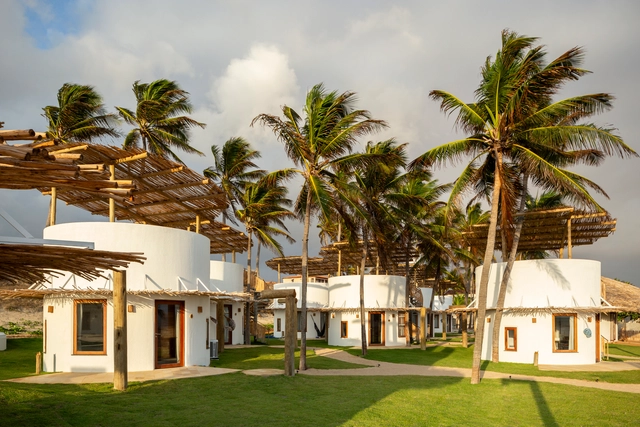

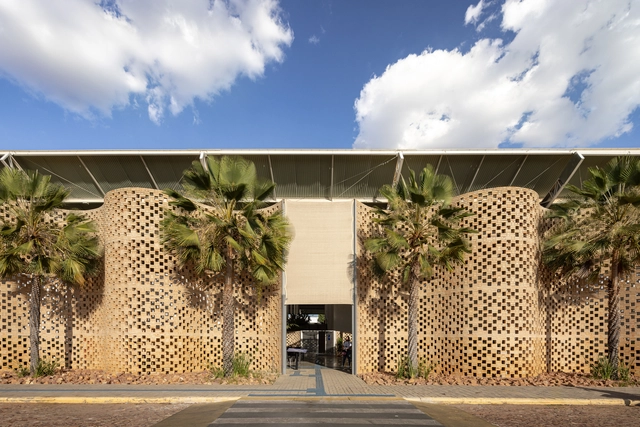
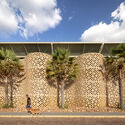
There are reasons to visit the city of Mendoza: it serves as both the gateway to Argentine wine tourism and a diverse collection of historically and architecturally significant buildings. From the Museum of the Foundational Area to the renowned Faculty of Architecture at the University of Mendoza, this guide invites you to explore a cultural and scenic richness reflected in every facade and every street. The city's public spaces not only blend with the natural surroundings of the vast Andes but also harmonize with a system of irrigation channels and urban greenery that can be appreciated at every moment of the journey.
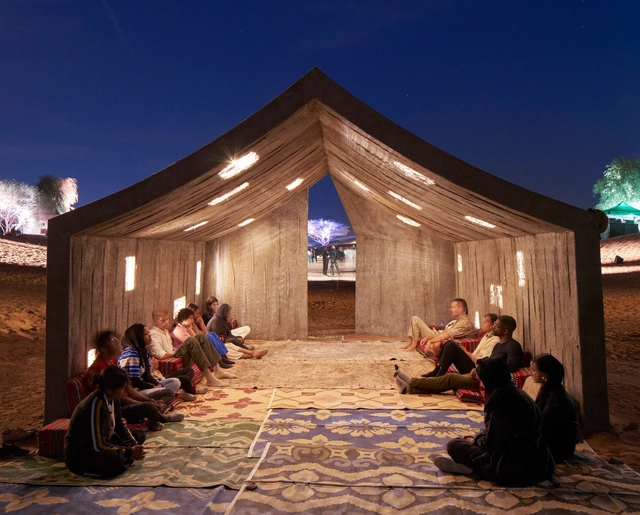
The Sharjah Triennial debuted on November 11th, 2023, with the theme of The Beauty of Impermanence: An Architecture of Adaptability. At the center of the abandoned 1970s “Al Madam,” in the eastern desert of Sharjah, the “Concrete Tent”, created by DAAR, an experimental Palestinian and Swedish Studio, combines elements of a mobile tent and a concrete house. Overall, the tent explores the notion of “permanent temporariness.”


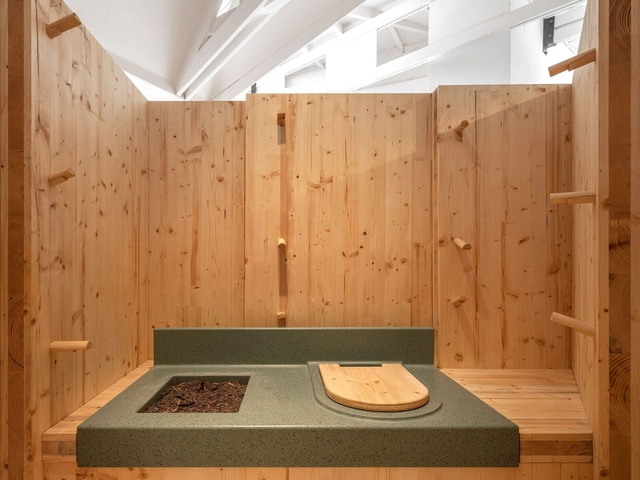
Although there are records of latrines dating back to 3100 BCE, the first flush toilet was invented in 1596 by Englishman John Harington. He produced two units: one for himself and another for Queen Elizabeth I.
The idea did not catch on at the time, and it was only in 1775 that Scotsman Alexander Cumming patented the modern toilet, designed to connect to a sewage system. In 1885, another Englishman, Thomas Twyford, created the first porcelain toilet, replacing the wooden models that preceded it.
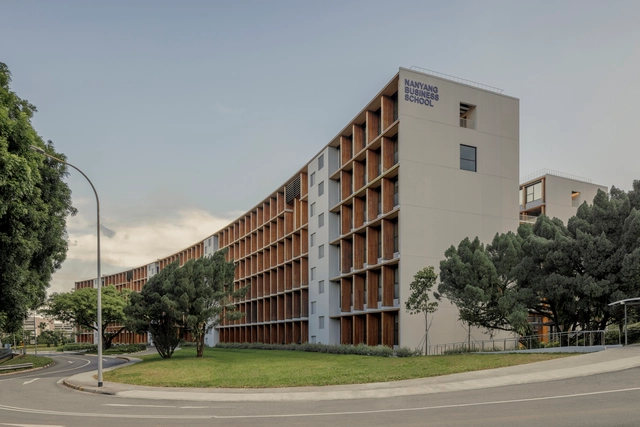
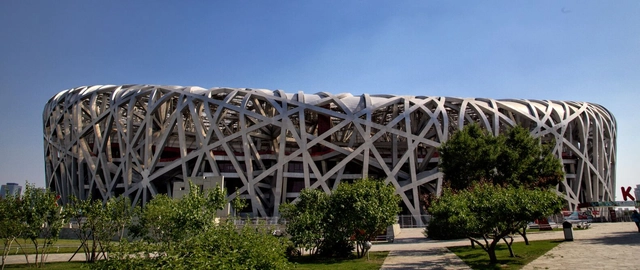
To convey the might and prestige of their empire, the Romans constructed enduring architecture as symbols of their long-lasting reign. Emperors employed grand public works as assertions of their status and reputation. Conversely, Japanese architecture has long embraced ideas of change and renewal, evident in the ritualistic rebuilding of Shinto shrines. A practice, known as shikinen sengu, is observed at Ise Jingu, where the shrine is purposefully dismantled and reconstructed every twenty years. Across the world, philosophies around permanence and impermanence pervaded architectural traditions. Amidst the climate crisis, how do these tenets apply to modern architectural design?