

Foster + Partners Unveils Xicen Science & Technology Center in Shanghai, China
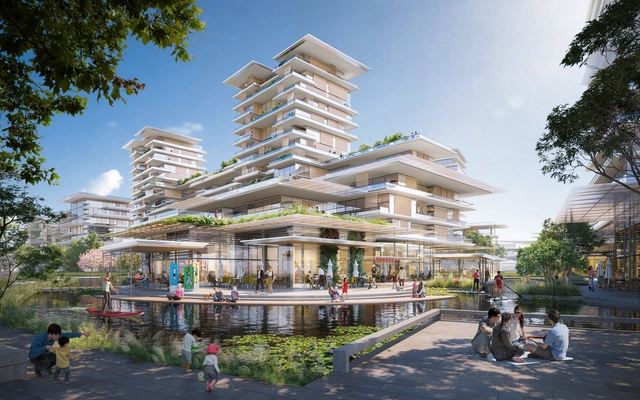
Foster + Partners has just unveiled the designs for the Xicen Science & Technology Center at the heart of the Yangtze River Delta Region in Shanghai, China. The project is strategically located along the Shanghai – Huzhou development axis, ensuring connectivity to the city center through high-speed rail links. Drawing inspiration from the timeless allure of the surrounding water towns, the center blends new and existing waterways to create a community featuring residential, commercial, and recreational spaces.



https://www.archdaily.com/1014481/foster-plus-partners-unveils-xicen-science-and-technology-center-in-shanghaiNour Fakharany
Rationalise: Elements and Assemblies at Fabricate 2024
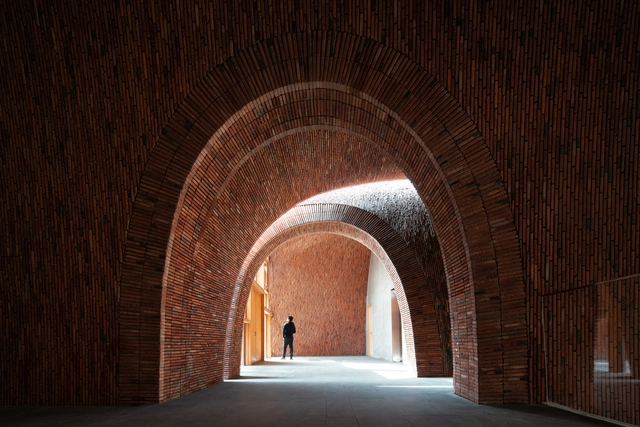
On April 4 – 6, the international conference FABRICATE 2024 will be held at the Royal Danish Academy in Copenhagen. Since its inception in 2011, FABRICATE has established itself as a global forum for new radical possibilities for architecture and welcomed thousands of participants from practice, industry, and research.
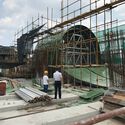
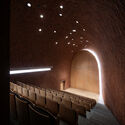
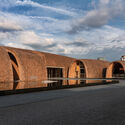
In this third article we meet architect Zhu Pei who is the founding Director of Studio Zhu Pei and Dean of the School of Architecture at Central Academy of Fine Arts in Beijing. The text is an excerpt from the upcoming FABRICATE 2024 book and is based on an interview conversation led by Co-chair Phil Ayres between Zhu Pei and architect Cristiano Ceccato, Director of Zaha Hadid Architects. The book will be published on the opening night of the FABRICATE 2024 conference.

https://www.archdaily.com/1014439/rationalise-elements-and-assemblies-at-fabricate-2024Pernille Maria Bärnheim
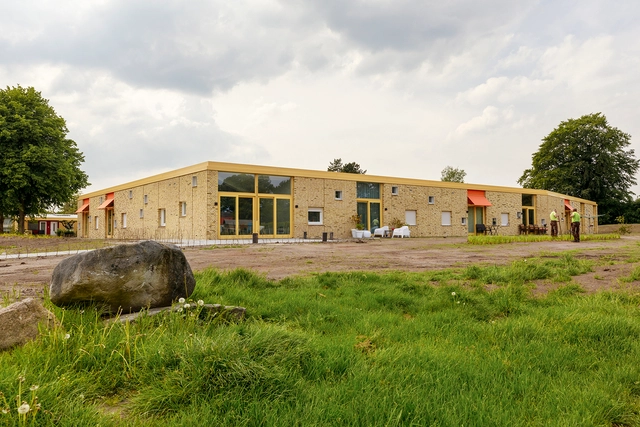
Elzenhof Veenoord Courtyard for Elderly / Specht architects & planners


-
Architects: Specht architects & planners
- Area: 2400 m²
- Year: 2023
-
Manufacturers: Wienerberger
-
Professionals: LAOS landscape and urbanism
https://www.archdaily.com/1014480/elzenhof-veenoord-courtyard-for-elderly-specht-architects-and-plannersValeria Silva
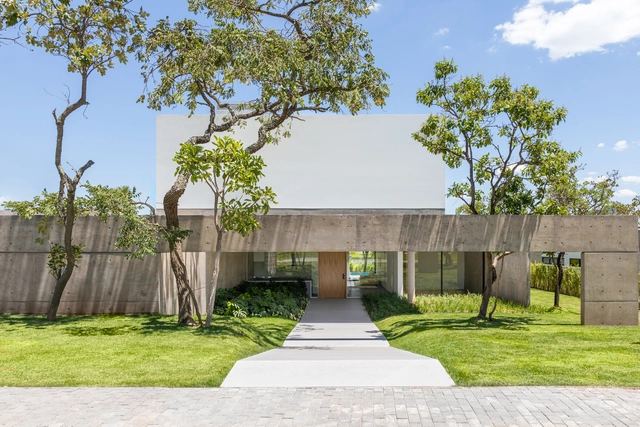
Residência RRD 04 / Paulo Henrique Paranhos


https://www.archdaily.com/1014484/residencia-rrd-04-paulo-henrique-paranhosAndreas Luco
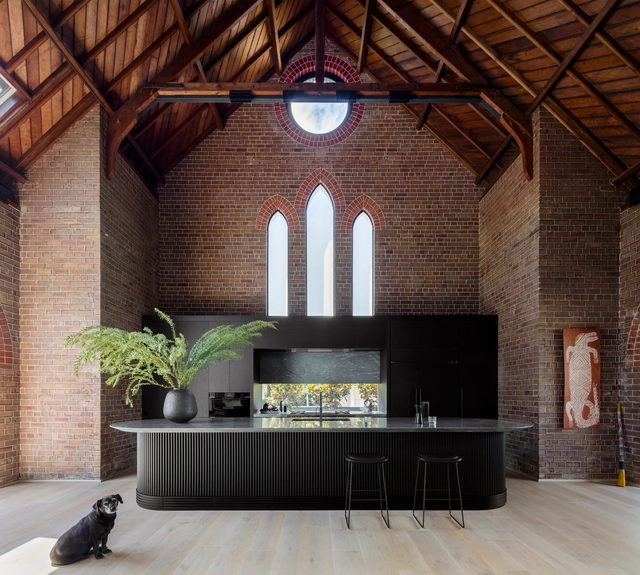
The Church Residence / Michiru Higginbotham


-
Architects: Michiru Higginbotham
- Area: 700 m²
- Year: 2022
-
Manufacturers: Brodware, Elton Group
-
Professionals: Straight Up Built, Hertiage Solutions, Andrew Pearce Landscape Design
https://www.archdaily.com/1014430/the-church-residence-michiru-higginbothamHana Abdel
KANAME NO MORI : Keystone Forest Commercial Building / Nori Architects + Takada Landscape Design Co.
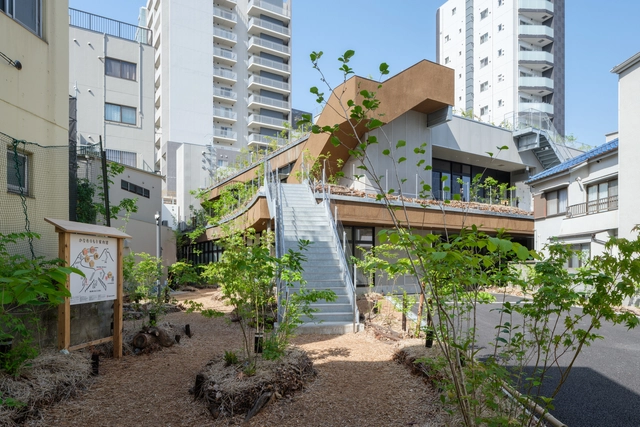


https://www.archdaily.com/1014453/kaname-no-mori-keystone-forest-commercial-building-nori-architects-plus-takada-landscape-design-coHana Abdel
The Cliff Hotel Jeju / Soltozibin Architects
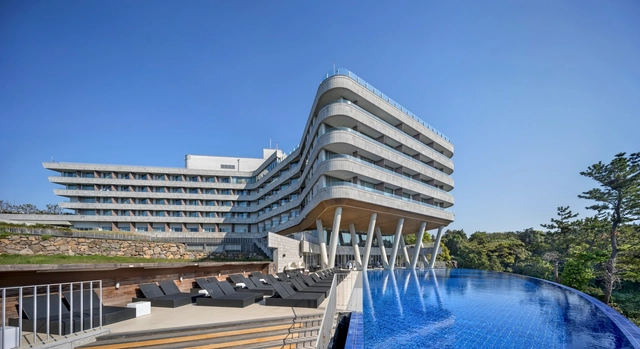


-
Architects: Soltozibin Architects
- Year: 2015
-
Professionals: Sejin CMC, Forest mec, Doarm eng., U.D.eng., EONSLD, +1
https://www.archdaily.com/1014326/the-cliff-hotel-jeju-soltozibin-architectsPilar Caballero
Tiamat Installation / AAU ANASTAS
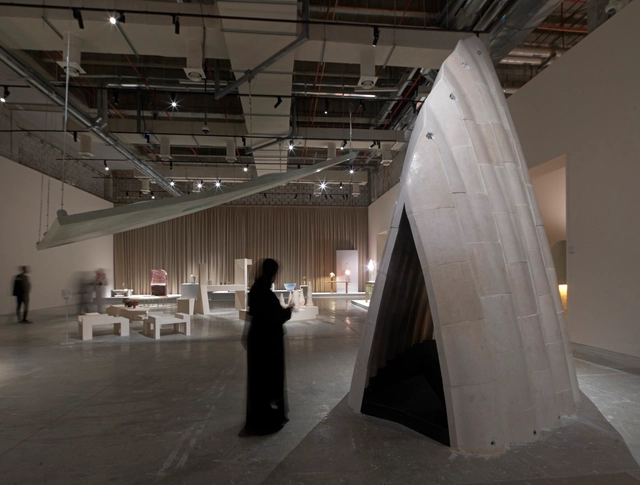


https://www.archdaily.com/1014432/tiamat-installation-aau-anastasHana Abdel
Cerrovento House / Alejandro Restrepo Montoya + EstudioCentral
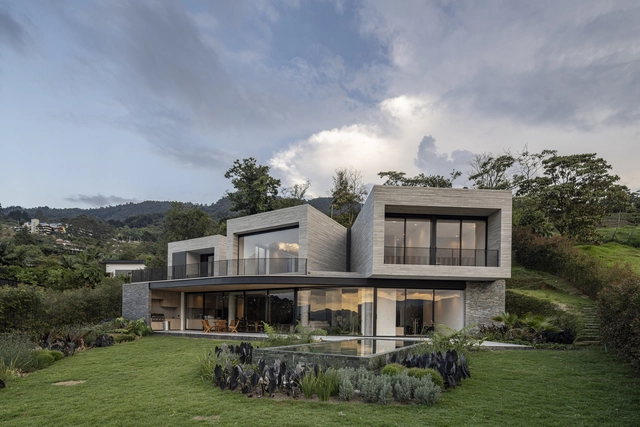


-
Architects: Alejandro Restrepo-Montoya Arquitectura, Estudio Central
- Area: 450 m²
- Year: 2023
https://www.archdaily.com/1014244/cerrovento-house-alejandro-restrepo-montoya-plus-estudiocentralValeria Silva
Giudice House / ARKITITO Arquitetura
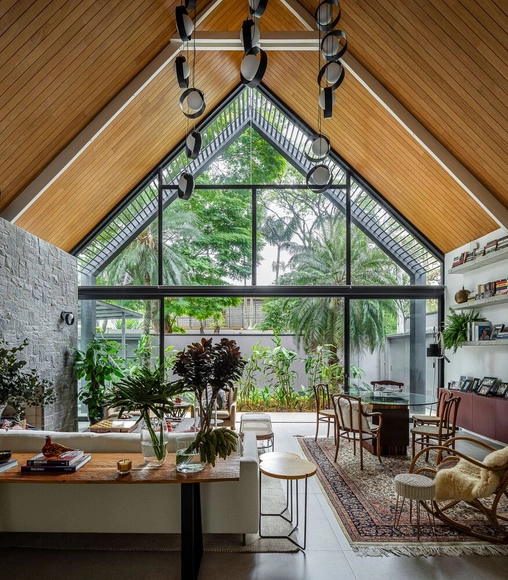


-
Architects: ARKITITO Arquitetura
- Area: 415 m²
- Year: 2022
-
Manufacturers: Atlas Concorde, Arkos, Cerâmica Portinari, Construtora Domenge, Coral Tintas, +4
https://www.archdaily.com/1014221/giudice-house-arkitito-arquiteturaAndreas Luco
Konya Administration Complex / TEGET
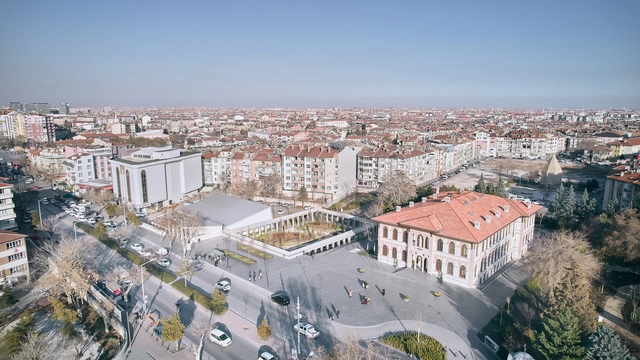


https://www.archdaily.com/1014332/konya-administration-complex-tegetValeria Silva
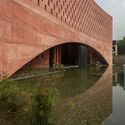
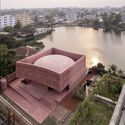
Zebun Nessa Mosque / Studio Morphogenesis
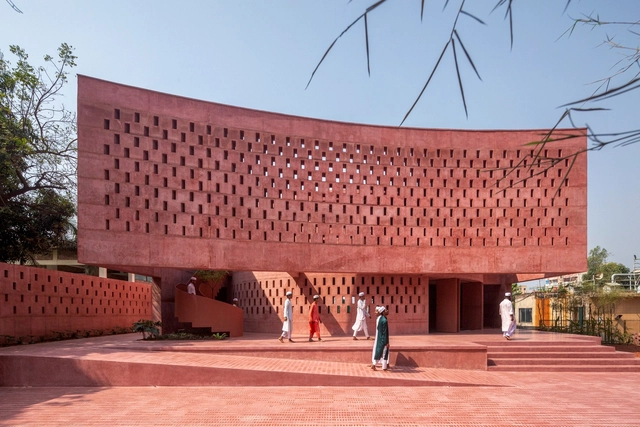


-
Architects: Studio Morphogenesis
- Area: 6060 ft²
- Year: 2023
-
Professionals: IDS Adress Maker, TDM
https://www.archdaily.com/1014337/zebun-nessa-mosque-studio-morphogenesisHana Abdel
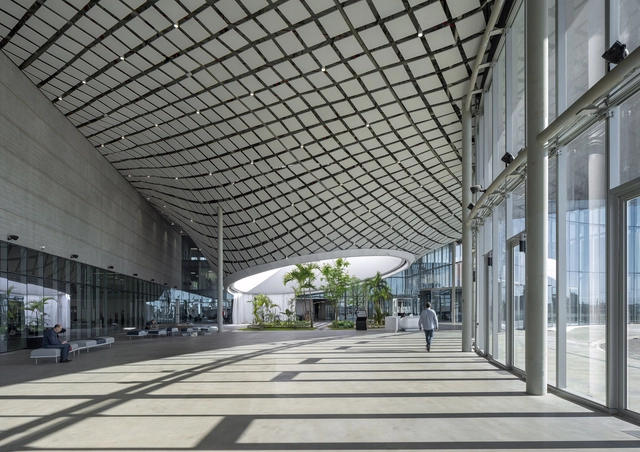
NICE Headquarters Brazil / Mario Cucinella Architects


-
Architects: Mario Cucinella Architects
- Area: 20000 m²
- Year: 2023
https://www.archdaily.com/1014425/nice-headquarters-brazil-mario-cucinella-architectsPaula Pintos
Durable and Resilient Solar Facades: 5 Essential Architectural Principles

When designing facades, various factors can influence their conception. From compositional, geographic, and environmental elements, facades incorporate a series of gestures that shape the building envelope, serving as the interface between the environment and life inside the building. In this context, contemporary architecture has sought to enrich the role of facades, maximizing their potential through technological innovation. Today, technology has been integrated to create a more textured and expressive architecture, explore diverse materialities, and promote circular and low-carbon architecture.
Understanding facades as the skin of buildings and recognizing the growing global demand for efficient use of resources in the built environment, there arises a need to harness the incidence of sunlight on building facades. In response, and considering an architectural environment closely linked to technology, Building Integrated Photovoltaics (BIPV) has gained even greater relevance in creating new aesthetics for facades and minimizing environmental impacts. These systems, with their technical capabilities and aesthetic qualities, result in attractive, durable, and resilient solar facades. They generate a positive impact on the built environment by seamlessly incorporating sustainable energy production into buildings.
https://www.archdaily.com/1013143/durable-and-resilient-solar-facades-5-essential-architectural-principlesEnrique Tovar
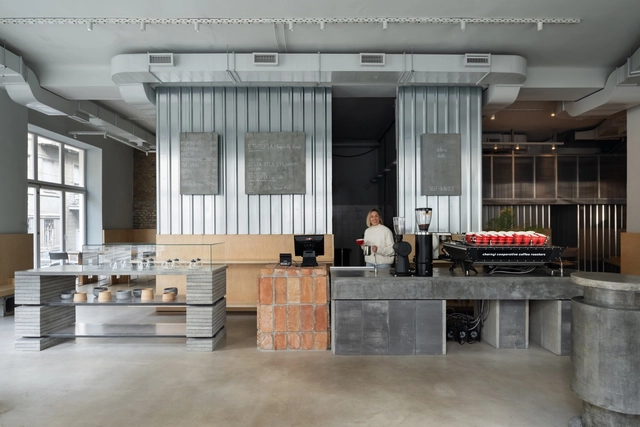
Chernyi Cooperative Coffee Roasters / FREYA Architects


-
Architects: FREYA Architects
- Area: 140 m²
- Year: 2023
https://www.archdaily.com/1014429/chernyi-cooperative-coffee-roasters-freya-architectsPaula Pintos
Watch 2024 Pritzker Prize Winner Riken Yamamoto Explain his Creative Process and Architectural Journey
Last week, Japanese architect and social advocate, Riken Yamamoto, was selected as the 2024 Pritzker Architecture Prize Laureate, the 53rd honoree of the Pritzker Architecture Prize, and the ninth architect from Japan to receive this recognition. With a body of built works that spans five decades, ranging from private residences to large-scale housing complexes, educational institutions, and civic spaces, scattered around Japan, China, South Korea, and Switzerland, Yamamoto's architecture is focused on building community and blurring the boundaries between the public and private spheres. In a series of videos produced by the Pritzker Prize, the architect goes back to the fundamentals and discusses the threshold system, transparency, community, and the landscape.
https://www.archdaily.com/1014408/listen-to-2024-pritzker-prize-winner-riken-yamamoto-explain-his-creative-process-and-architectural-journeyChristele Harrouk
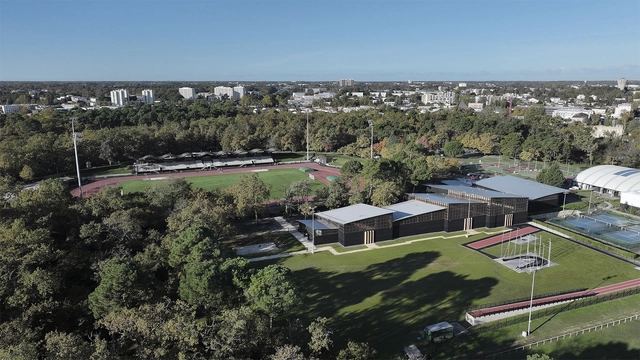
Pierre-Paul Bernard Stadium / K-architectures


https://www.archdaily.com/1014428/pierre-paul-bernard-stadium-k-architecturesPaula Pintos