1. ArchDaily
  2. Wind Turbines

Wind Turbines: The Latest Architecture and News

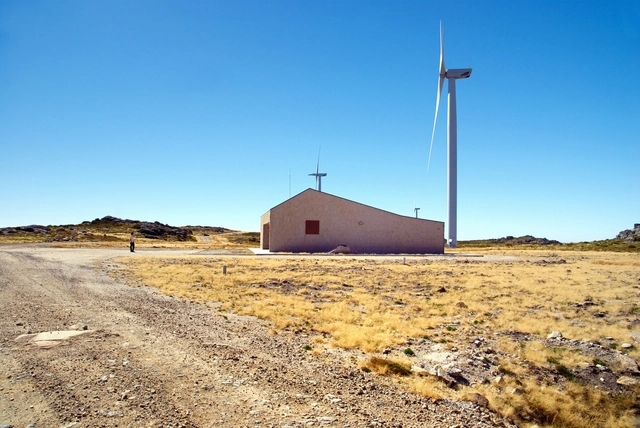
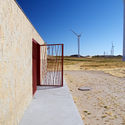
On the International Day for Clean Energy: How Local Initiatives Respond to the Spatial Impacts of Energy Production

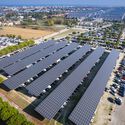
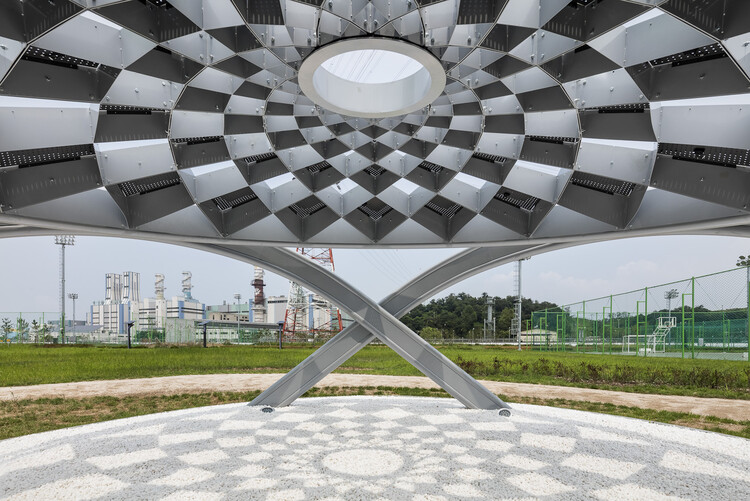
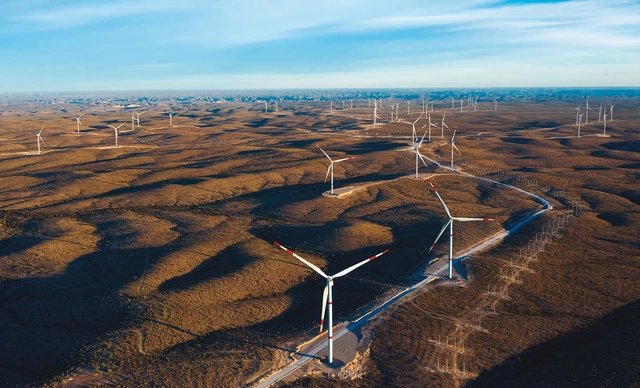
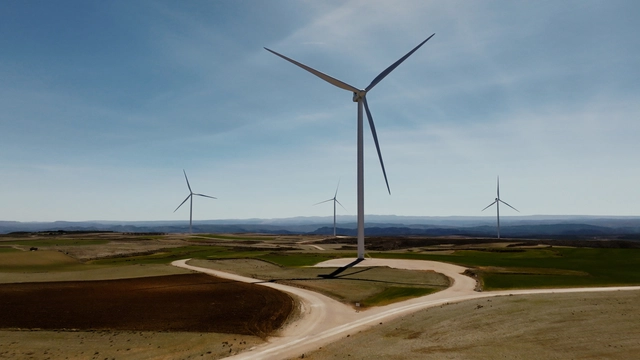
January 26 marks the International Day for Clean Energy, an initiative aimed at raising awareness and mobilizing action for an inclusive transition from fossil fuels, such as coal, oil, and natural gas, to power generation systems with lower greenhouse gas emissions and fewer pollutants. The term "clean" signals a fundamental shift away from extractive, finite, and exhaustible energy sources toward systems based on renewable resources or on capturing energy embedded in natural processes. In a world grappling with climate change, clean energy plays an important role in reducing emissions and expanding access to reliable power. However, being labeled "clean" does not exempt these systems from the impacts associated with their production, deployment, and commercialization. In this context, architectural knowledge related to space, materiality, and habitation becomes relevant for supporting a transition toward energy systems that are sustainable over time. As stated by the United Nations, the science is clear: to limit climate change, reliance on fossil fuels must end, and buildings must be heated, lit, and electrified through clean, accessible, affordable, sustainable, and reliable power sources.
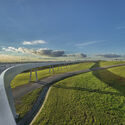
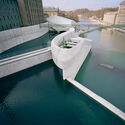
On the International Day for Clean Energy: How Local Initiatives Respond to the Spatial Impacts of Energy Production - Imagen 1 de 4On the International Day for Clean Energy: How Local Initiatives Respond to the Spatial Impacts of Energy Production - Imagen 2 de 4On the International Day for Clean Energy: How Local Initiatives Respond to the Spatial Impacts of Energy Production - Imagen 3 de 4On the International Day for Clean Energy: How Local Initiatives Respond to the Spatial Impacts of Energy Production - Imagen 4 de 4On the International Day for Clean Energy: How Local Initiatives Respond to the Spatial Impacts of Energy Production - More Images+ 7

Spin It to Win It: Deadline Extended for the Global WinDesign Challenge

 | Sponsored Content

Enel, a global leader in renewable energy, launched "WinDesign", an international contest where talented professionals and students, in the domain of engineering, architecture and design, are invited to imagine and design new wind turbines. The goal is to develop turbines projects that blend more seamlessly into the landscapes that host them, thereby supporting a wider role for them in the energy transition.

60 Storey Tower Maximizes Energy Capture with Photovoltaic Facade

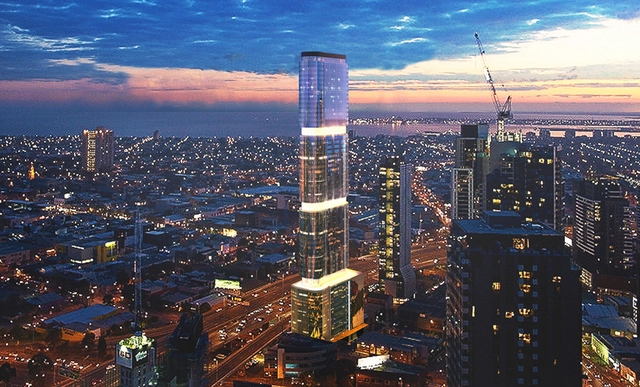
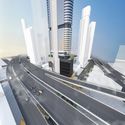
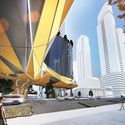
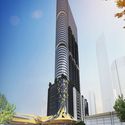
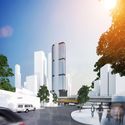
Peddle Thorp Architects have submitted their proposal for the Moray Street Residential Tower in Melbourne for approval. At 1173.5 square meters, Sol Invictus is wrapped entirely in solar panels, attaining 10 times more solar surface area than a traditional roof covering. The facade can achieve up to 5000 square meters of solar panel array and is connected to a battery storage system.

60 Storey Tower Maximizes Energy Capture with Photovoltaic Facade  - Image 1 of 460 Storey Tower Maximizes Energy Capture with Photovoltaic Facade  - Image 2 of 460 Storey Tower Maximizes Energy Capture with Photovoltaic Facade  - Image 3 of 460 Storey Tower Maximizes Energy Capture with Photovoltaic Facade  - Image 4 of 460 Storey Tower Maximizes Energy Capture with Photovoltaic Facade  - More Images+ 15

PowerWINDows: A Proposal for Skyscraper-Compatible Wind Turbines

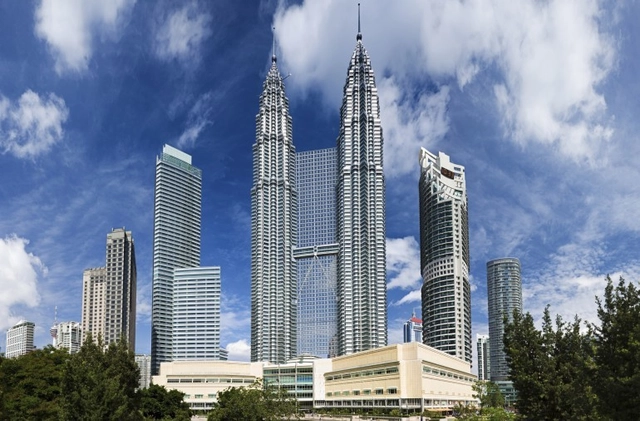
Could a new revolution in wind-turbines be on its way? A team from Australia's University of Wollongong (UOW) have collaborated with leading marine engineering firm Birdon Pty Ltd, to develop PowerWINDows - a new type of wind-to-energy converter that could potentially be appearing on skyscrapers near you soon.

Read more about this new idea after the break...