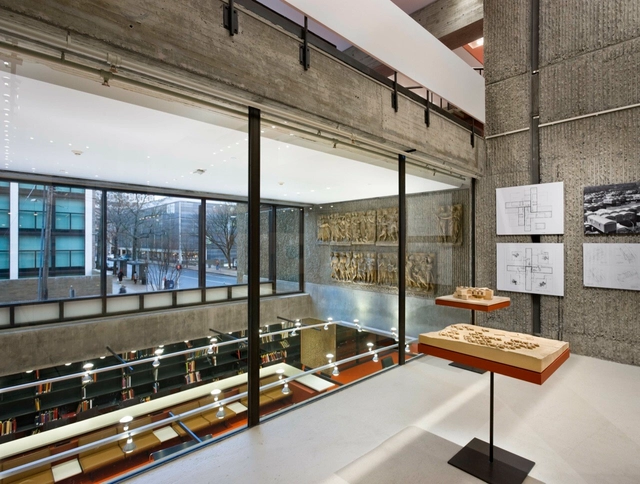
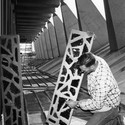
Yale Art + Architecture Building. Image Courtesy of gwathmey siegel & associates architects
By the mid-nineteenth century, American universities began to distinguish architecture from civil engineering and the applied sciences formally. Architecture was emerging as a discipline defined by both technical competence and conceptual inquiry, spatial imagination, and cultural agency. As this disciplinary identity evolved in the postwar decades, its built expression coalesced into the emerging architectural language of Brutalism.
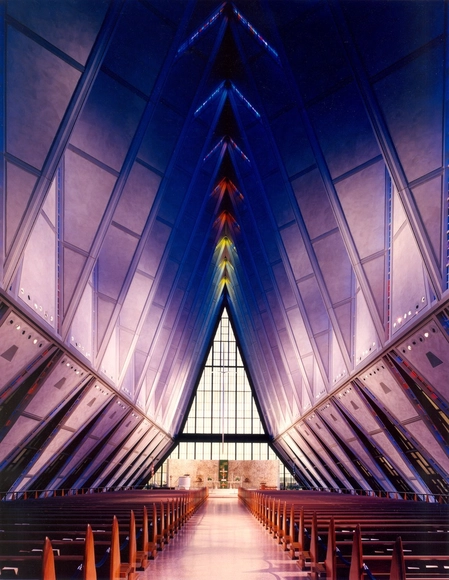
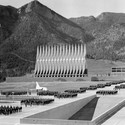
Having joined Skidmore, Owings & Merrill after World War Two at the age of 27, Walter Netsch was promoted to become a partner at the age of 31. Netsch entered the firm during what was arguably its defining era, when the reputation of Gordon Bunshaft and the image of a corporate-driven, teamwork-minded made SOM one of the most recognizable practices in the US. He was also, at the age of just 34, responsible for one of SOM's most recognizable projects of the decade, the Air Force Academy in Colorado Springs and its striking geometric chapel.
To honor what would have been Netsch's 95th birthday, SOM recently republished an interview between Netsch and architecture theorist and writer Detlef Mertins, which had originally been published in 2001 in SOM Journal 1. In the following extract from this interview, Netsch discusses the story of how he developed the design, and what it was like to participate in one of America's most influential practices among a host of strong characters.