1. ArchDaily
  2. Vietnam Veterans Memorial

Vietnam Veterans Memorial: The Latest Architecture and News

Subscriber Access

Learning Through Practice: Why Architecture Students Enter Competitions

Audio available

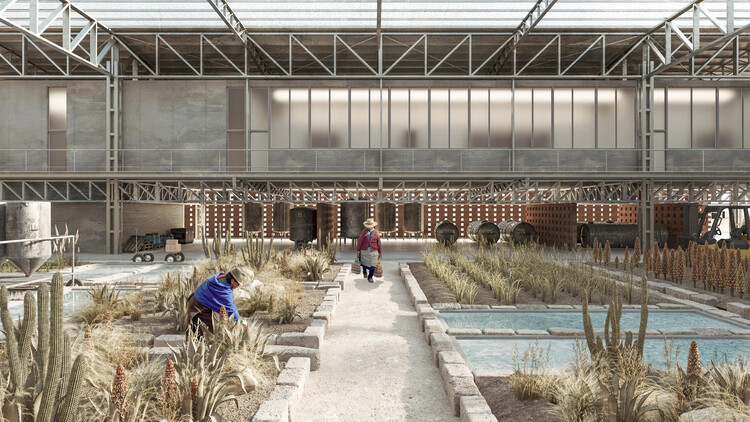
On paper, entering an architecture competition is one of the most challenging things an architecture student can do. What draws students to them is the chance to experiment, approaching a loosely defined program that leaves room to test unconventional ideas and unfamiliar tools outside the rhythm of the semester. That distance from assessment is a relatively recent development, as competitions were once central to architectural education.

At the École des Beaux-Arts, teaching was split between the atelier, where students developed projects under a practising architect, and the competition, where a jury of professors judged the students' work without having followed its development. This model was later brought to schools such as MIT, Penn, and Cornell by French-trained instructors. Over time, most schools held on to the atelier, which became the design studio, and pushed the competition to the edges of the curriculum.
Learning Through Practice: Why Architecture Students Enter Competitions - Image 1 of 4Learning Through Practice: Why Architecture Students Enter Competitions - Image 2 of 4Learning Through Practice: Why Architecture Students Enter Competitions - Image 3 of 4Learning Through Practice: Why Architecture Students Enter Competitions - Image 4 of 4Learning Through Practice: Why Architecture Students Enter Competitions - More Images+ 12

Status, Statues, and Statutes: The Issue With Monuments to Flawed Men

This article was originally published on Common Edge.

Monuments, as Alois Riegl pointed out a century ago, are aids to memory. “In memoriam,” the carvings cry out. Though they are almost always tainted with political ideologies and social values, they can stand on their own as works of art, absorbing meanings over millennia. Many that we continue to treasure were once associated with events and practices antithetical to modern mores and taboos: Greek temples were founded on the altars of animal—and, earlier, human—sacrifice; the pyramids were made by slaves; market crosses may have served as flogging posts. There really are no innocent human artifacts dedicated to remembering human acts, as fact or fiction.